Back in 2017, The Economist claimed that data was the new oil – a valuable, lucrative and transformative resource with the power to both amplify and complicate our increasingly digital world. Now, as data-driven designs, products, services and solutions continue to proliferate into the present day, it’s clear their analogy held incredible weight.
The multifaceted potential of data is inescapable. Discussions surrounding ChatGPT, advertising algorithms and data mining contemporarily dominate popular media. The world’s largest tech-giants – Alphabet, Amazon, Apple, Facebook and Microsoft – lead a data-led digital economy. Presidencies are even being lost and won on the power of data-informed strategy.
Could data truly be the key to generation-defining design, change and innovation? Is data really the new oil? Read on to discover the ever-expanding role of data in our modern society and how it’s progressively influencing design and design thinking.
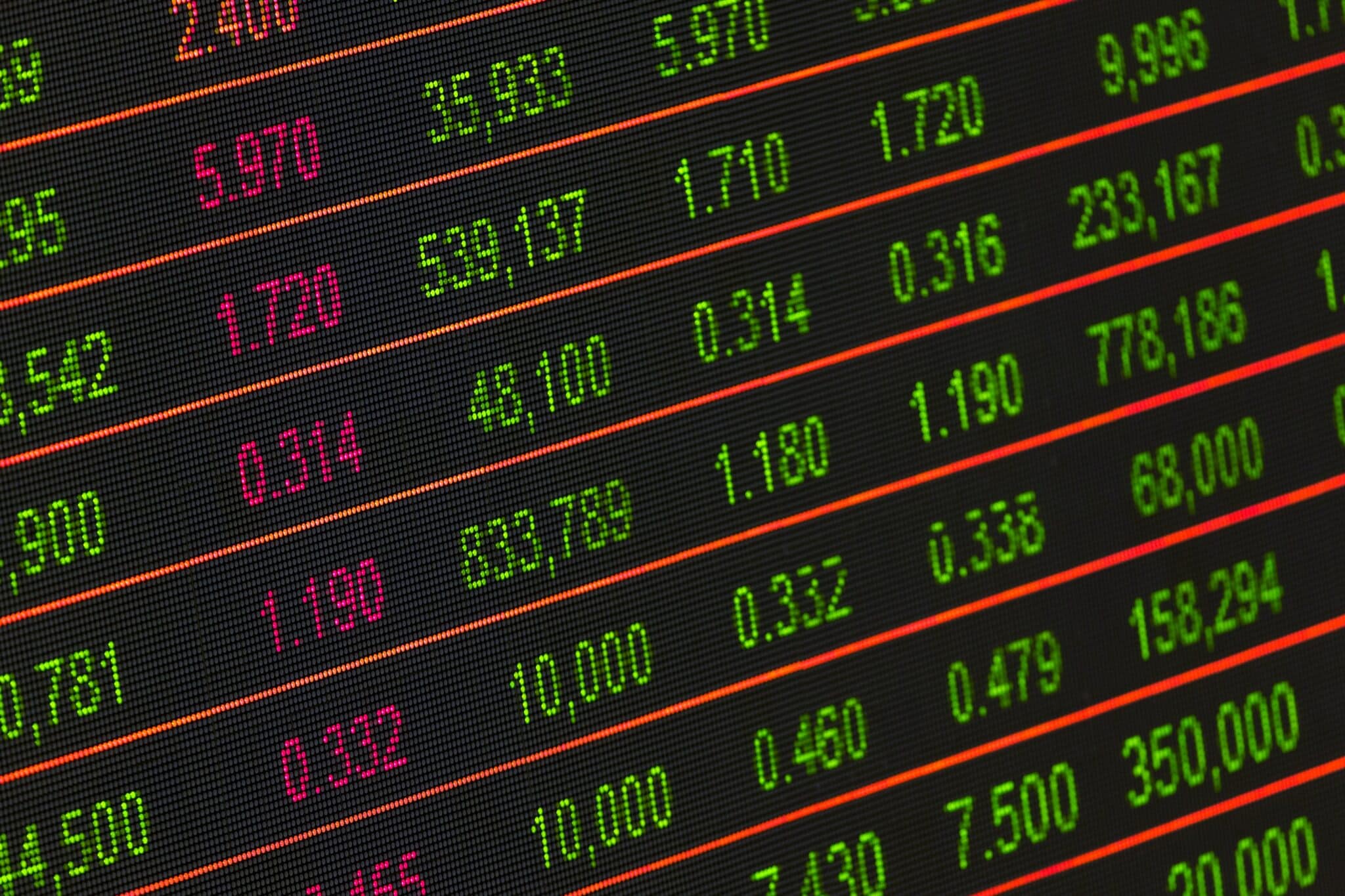
Data = oil?
To address the data and oil analogy is to understand the immense power and value of data in our everyday lives. While the reference does have its limitations, it effectively positions data as the fuel for the digital age. The similarities are uncanny:
- A ubiquitous resource
Oil and data were some of the most transformative resources in their respective epochs – the industrial revolution and the online age. In these times, their supply was abundant, relatively untapped and ready for exploitation.
- Requires extraction and refinement
Data needs to be collected, processed and refined – much like crude oil – to empower usability. The journey towards fruitful and nuanced insights commonly involves data sourcing, cleaning, organisation and analysis, with the raw data being broken down into various informative components.
- Provides immense economic value
When processed and implemented effectively, data exposes intricate insights, fuels nuanced decision-making and inspires innovation across all industries. It’s a resource that inherently drives growth, with businesses leveraging its power to uncover patterns, trends and correlations that inform product, service or project development. It can also underline the solutions themselves, as is the case with artificial intelligence (AI) and machine learning (ML) technologies. Just as oil-rich nations hold economic power and a competitive advantage, so do organisations harnessing the potential of data.
- Reveals ownership and governance challenges
As touched on above, control over oil reserves has historically translated into economic and geopolitical power. Similarly, organisations such as Facebook, Amazon and Alphabet that have access to vast amounts of high-quality data have a considerable influence on our digital era. Data ownership and control have therefore become critical considerations, with regulatory frameworks and policies in constant development to better govern data privacy, security and responsible use.
Unlike oil, however, data is an infinite resource and can be reused, reshaped and reanalysed without it losing its value. This only works to extend data’s lucrativeness in our modern age.
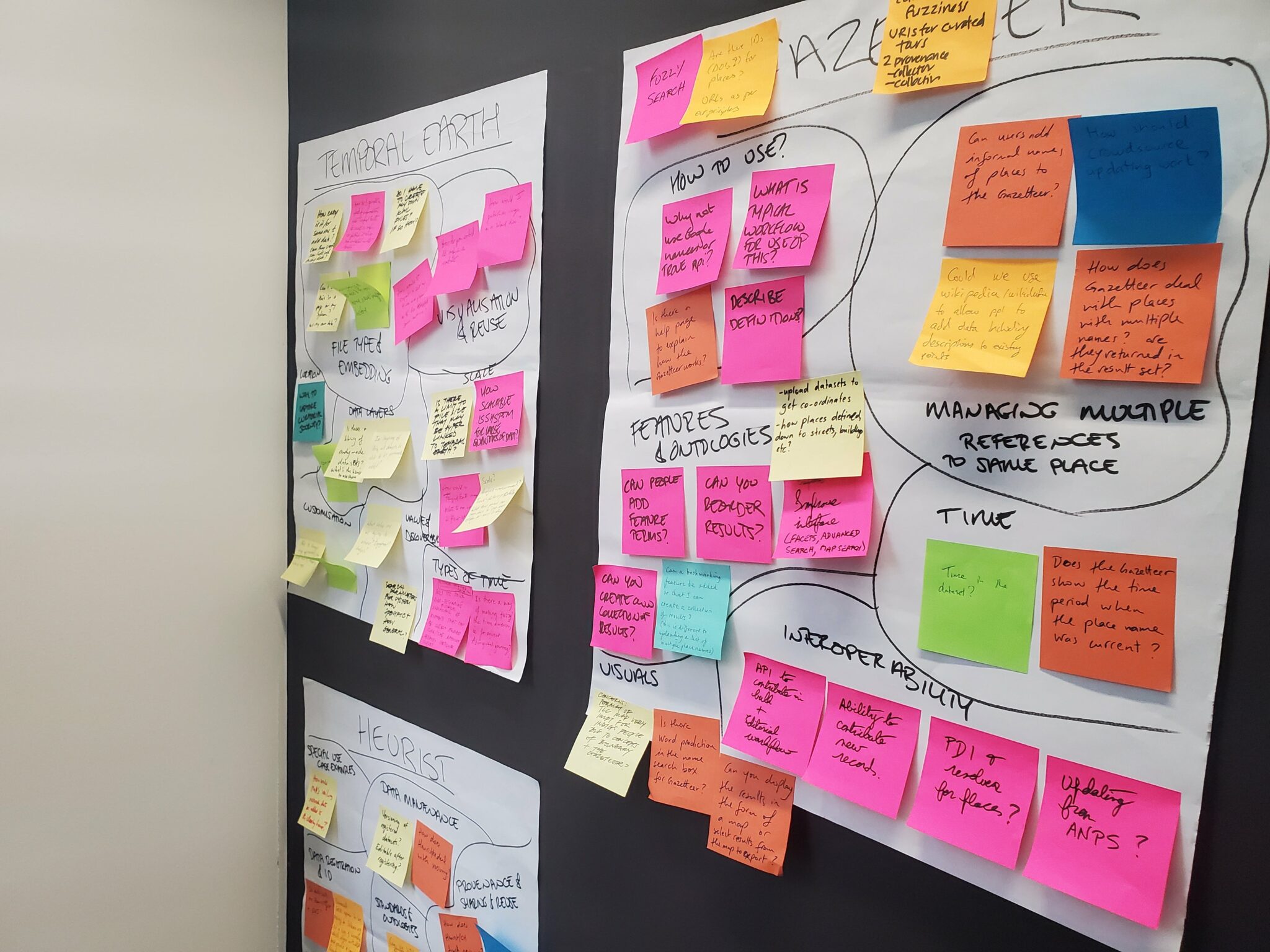
Data’s influence on design
Advancing technologies continually inform the design space and its integral processes. This articulates an ever-evolving and malleable design narrative in which the mass availability of data has just begun to add its own chapter. Data-driven design is the result.
The approach employs data and analytics to inform and guide the decision-making process. It involves collecting, analysing and testing relevant data to gain insights about user behaviour, preferences and needs. These insights empower designers to shape more user-centred products, services and experiences, and allow more iterative and validated design journeys to unfold.
The process of data-led design typically involves the following steps:
- Data collection
Gathering relevant data through various methods such as surveys, interviews, transactional tracking, user testing, website analytics or social media data.
- Data analysis
Analysing and interpreting the collected data to identify trends, patterns and user behaviours. This may involve statistical, descriptive, diagnostic, predictive or prescriptive analysis, or data visualisation.
- Insight generation
Deriving meaningful insights and actionable findings from the data analysis. These insights can help designers understand user needs, pain points and opportunities for improvement.
- Design iteration
Applying the insights gained from the data analysis to iteratively refine and optimise the design. This could involve making changes to the user interface, adjusting features, or exploring alternative design solutions.
- Testing and validation
Conducting user testing or experiments to validate design decisions and measure their impact. Data-led design encourages iterative testing and refinement based on user feedback and measurable outcomes.
By incorporating data into the design process, data-led design aims to reduce guesswork and subjective biases, leading to more user-centred and effective design solutions. It helps designers create products or experiences that align with user expectations, enhance usability, and ultimately deliver better outcomes.

The data drawback
Just like oil, data comes with an array of shortcomings that can undermine its efficacy in design. Notably, the fact that data doesn’t always reflect the world as it truly exists. This means that while the sheer abundance of raw data may suggest an actionable wealth of knowledge at our fingertips, datasets are constantly plagued by inconsistencies and must be approached with caution.
Many datasets are incomplete, corrupt, skewed or biassed, with “relevant” data sometimes very difficult to find. Incorrectly filled online forms, unstandardised filing and collection processes that are irreflective of target audiences can all negatively influence the findings of an analysed dataset. If used, designed solutions can be ineffective, misrepresentative, expound societal inequalities or even be physically dangerous.
Data-led designers must be equally as pragmatic when analysing “accurate” datasets, always ensuring that quantitative analysis is reasonably balanced with the depth of human understanding. This is because data alone may not capture the full context, emotions or subjective experiences of users. Qualitative research methods, such as user interviews and observations, are commonly used alongside data-led research to validate user needs, motivations and desires.
An overemphasis on metrics and key performance indicators (KPIs) in data-led design can also come at the expense of broader design considerations such as user experience, aesthetics or innovation.
Design’s new frontier
Even considering data’s drawbacks, the transformational resource will undoubtedly stay rooted in modern design processes, with time allowing its usage to become more balanced, pragmatic and trustworthy.
The Australian Good Design Awards have already seen a great influx of data-led projects, products and services in recent years. Many, such as the Winners featured below, have proven its power to shape a better, safer and more prosperous future:
The Time Layered Cultural Map of Australia (TLCMap)
2021 Good Design Award Gold Winner
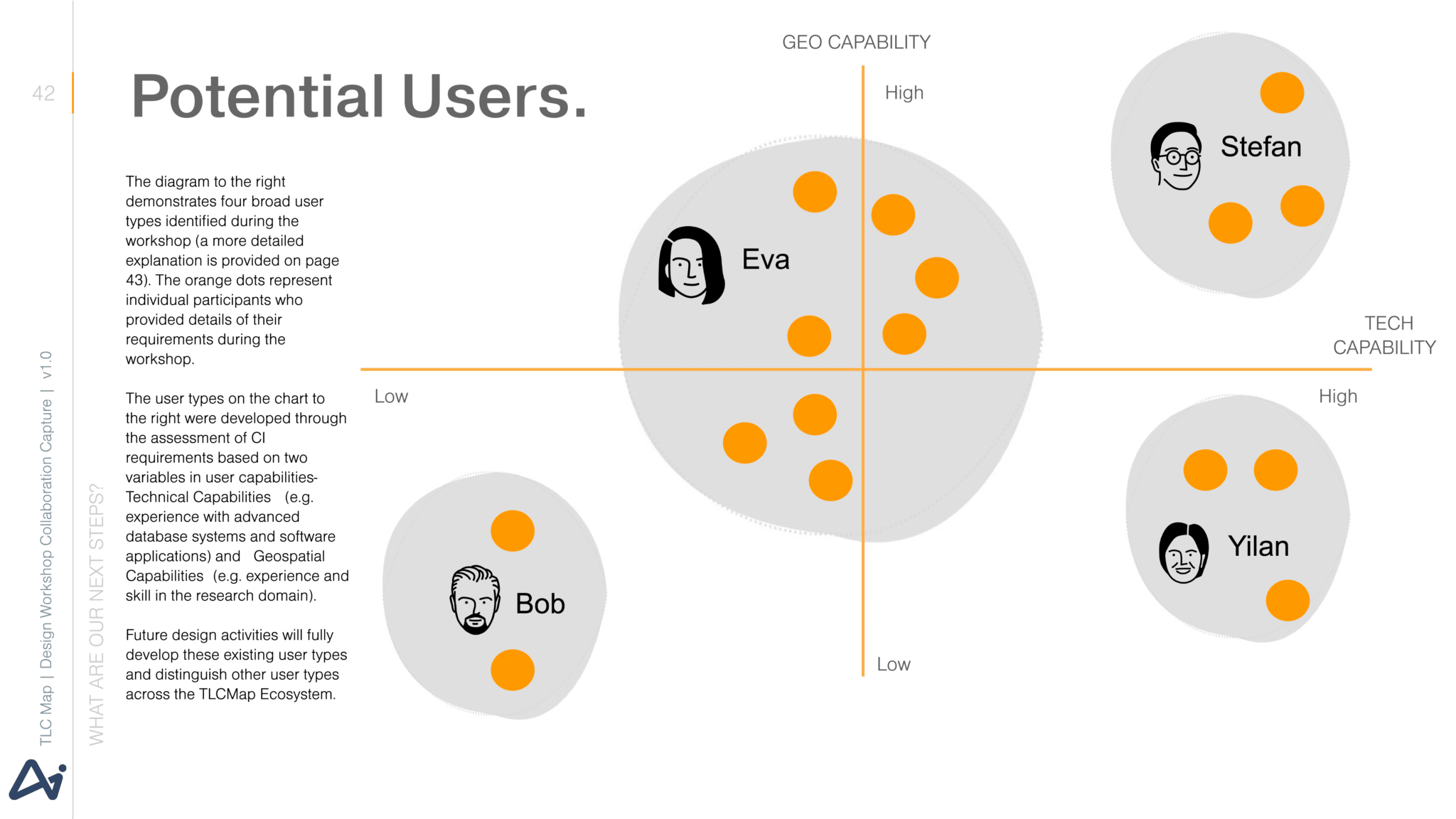
The Growth Drivers collaborated closely with six universities to reimagine the TLCMap – an integrative set of tools for mapping Australian history and culture. The team supported humanities researchers in data analysis, result visualisation and audience capturing via digital mapping. The result was a refined tool set of tools designed to save researcher time and expense in data collection and analysis, increasing their capacity to create meaningful impacts and share research with the community.
Not a Single Origin
2021 Good Design Award Winner
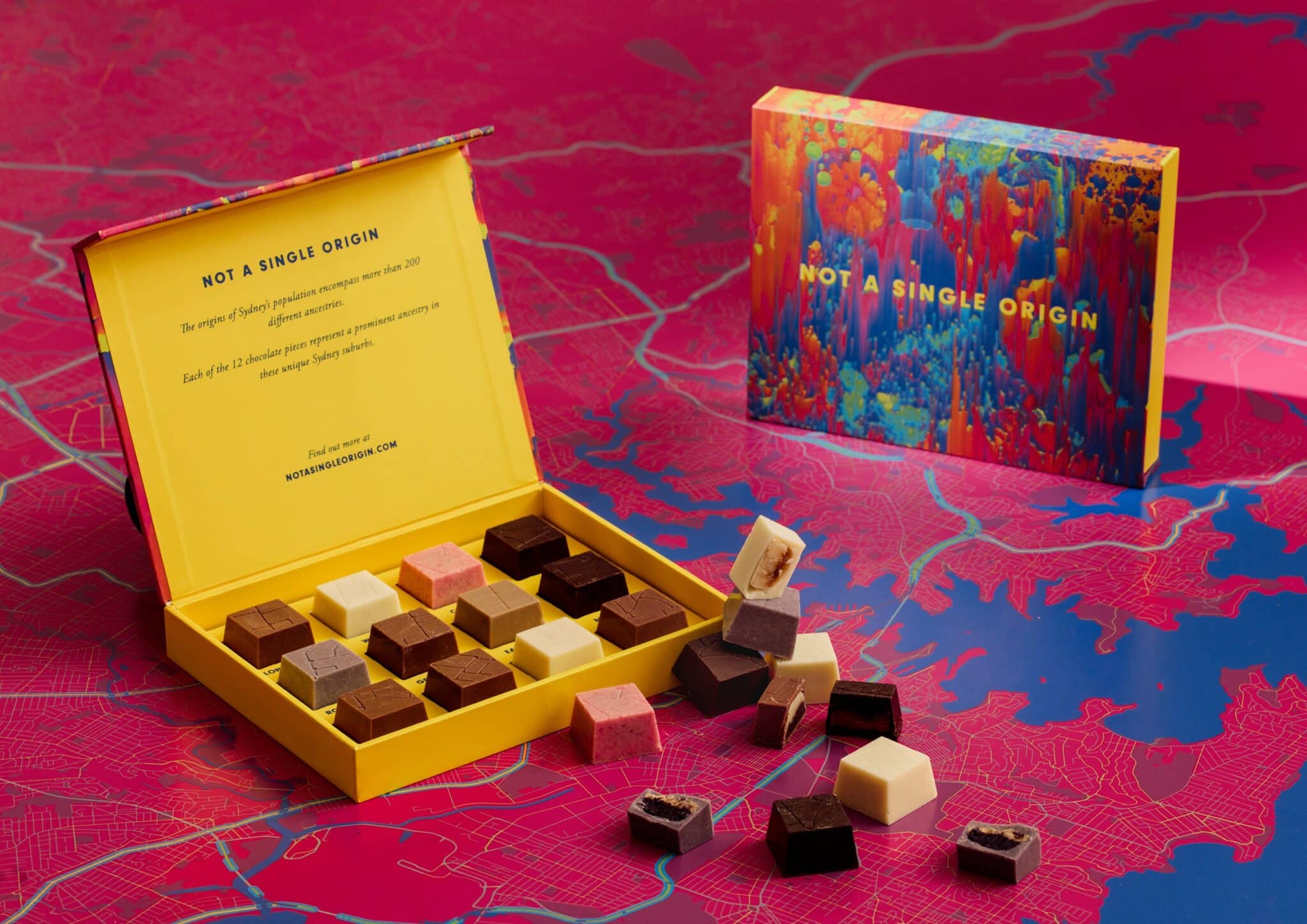
Not a Single Origin chocolates tell the stories of us; where we came from and where we settled. ABS census data from 2016 was analysed to identify 12 Sydney suburbs with a high saturation of immigrant backgrounds, before 3D printing techniques brought each suburb to life in cocoa – literally bringing the streets to your taste buds. The project exemplifies how immigrants have helped define places and tastes with their diverse cultural traditions.
Three Corners of the City
2022 Good Design Award Winner

Three Corners of the City is a real-time data visualisation that connects three communities in the City of Casey across place and time. It involved the engagement of local communities with live smart city data collected and stored on the City of Casey Open Data Platform. The result was an aesthetically pleasing and dynamically-evolving motion graphic that invigorated the flow of everyday life.
Activate your senses with design
The multifaceted power of design can capture, stimulate, solve, challenge and reinvent. Whether it’s informed by data or shoots ahead of the curve, design shapes the way we live, work and play.
As the 2023 Jurors come together to evaluate, crown and celebrate the brightest designs of this year’s hallmark Award season, why not turn back the clock and discover some innovations of the past? Search by category or have a blind deep dive – find inspiration either way.
DIVE INTO THE GOOD DESIGN INDEX HERE