Is Design the Key to a Circular Economy?

Design is intrinsic to our economy. It shapes the products we use and consume, as well as the supply chains and businesses that deliver them. By integrating the principles of a circular economy into the design process, we have the power to create an economy that simultaneously benefits people, businesses and nature.  

The concept of a circular economy was first coined by Swiss architect, Dr. Walter Stahel, in the 1980s. He argued that extending the product life of goods was an intuitive way to begin a global transition toward creating sustainable economies. Today, this approach is known as circular design and is essential to combat our rapid depletion of natural resources and transform the traditional linear approach to production.

Circular design champions a shift away from the traditional ‘take-make-waste’ system and offers a holistic approach to creating a circular economy. Specifically, this design method reimagines the creative process by committing to sustainability and efficiency from the beginning. Through circular design, we can limit the creation of waste by addressing the source.  

While circular design focuses on creating products to promote a circular economy, it is not a single solution. Design-led thinking is about exploring our curiosity to understand key issues and challenge assumptions. It provides a collaborative opportunity, allowing experts from a range of fields to work together towards a regenerative and resilient future.

Read on to explore how circular design facilitates the principles of a circular economy and discover how the National Design Challenge is reshaping Bega Valley businesses.  

Courtney Holm runs 2019 Good Design Award Gold Winner – A.BCHone of the world’s first circular fashion labels from Melbourne, Australia. Source: Visit Melbourne.

Circular design for a circular economy

The circular economy is a transformative framework that separates economic activity from resource consumption. It works to address global challenges like climate change, biodiversity loss, waste and pollution. 

Moving away from the linear system requires a shift in the way we make, build and reuse products. While practices such as material efficiency and recycling are readily actionable responses, they are not ambitious enough to tackle the long-term challenge of sustainability. 

Circular design places emphasis on innovation to prevent waste and pollution from being created in the first place. It transforms design systems to focus on better outcomes such as long-term value creation and regeneration. In practice, circular design facilitates the circular economy by: 

  • Minimising waste and pollution Modern designers are focused on utilising sustainable materials that are durable and require a low consumption of energy, water and other resources over their lifecycle.
  • Circulating products and materials A circular design approach considers the ability to repair, upgrade and remanufacture. It creates products designed for long-term use that can save consumers money and prevent waste.
  • Regenerating nature – Circular design improves biodiversity by enhancing renewable resources. It creates conditions for nature to flourish – choosing materials that can be returned to the earth to support regeneration.  

Applying the principles of a circular economy provides direction for designers to navigate the complexities of this revised approach. The process promotes experimentation and constant refinement. The four stages of circular design include:

  • UnderstandGain insight into circular design systems and learn how to transition from linear to circular thinking.
  • Define ­– Specify the design challenge, identify opportunities for circularity and set goals for the project.
  • Make – Imagine, design and develop a plethora of iterations to test with all users in the supply change and use learnings to refine the design.
  • Launch – Release the concept to the market to gather feedback to guide the evolution of your product, service or business. 
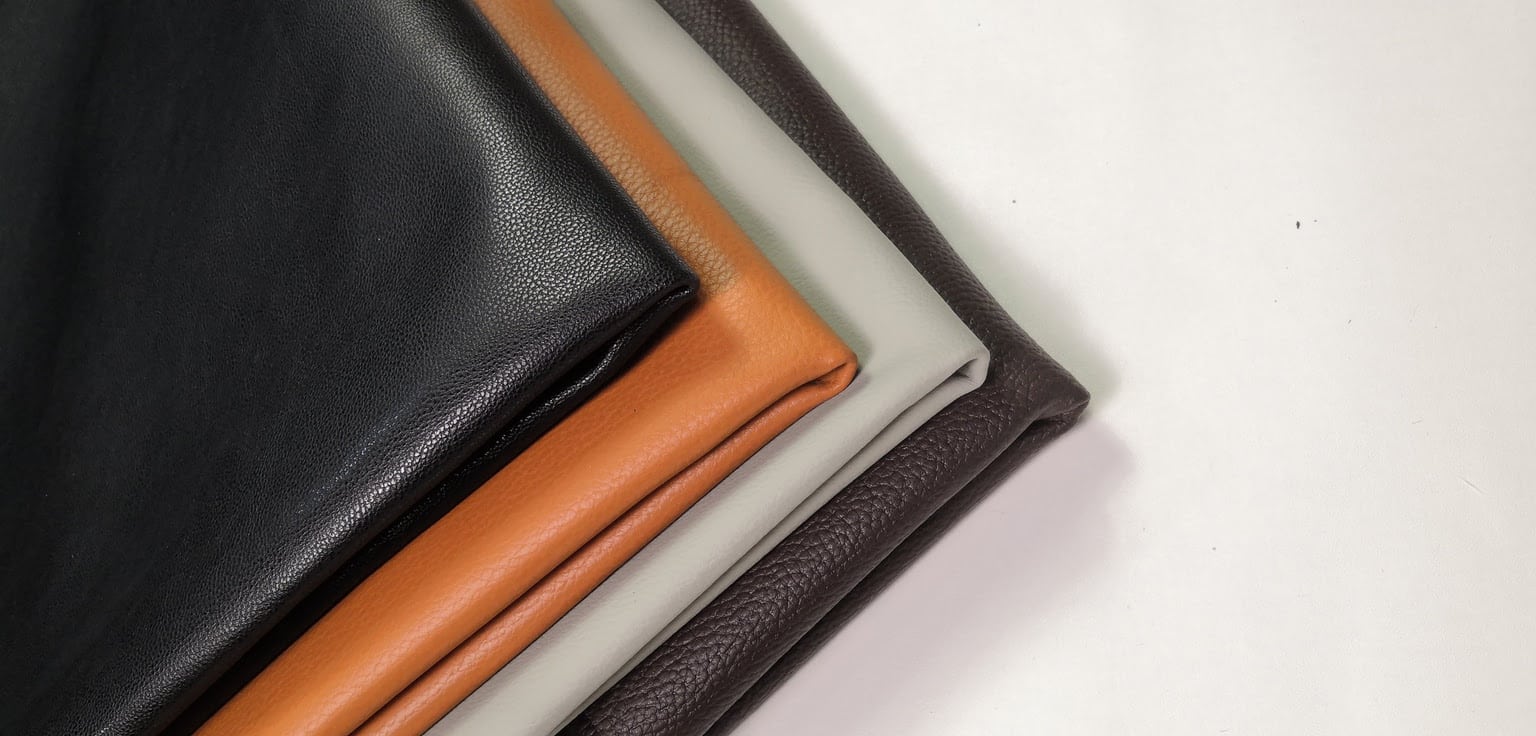
Enviro Hide2022 Good Design Award Gold Winner – is a fully circular product made from recycled leather that requires 90% less water to manufacturer and is 20% stronger than split leather. Image: EmTech.

Circular design in action: Bega Valley

In 2022, Bega Valley became the first Regional Cluster to pilot the National Design Challenge by transitioning to a Circular Economy region. It was an initiative created by the Australian Design Council as a framework to scale the impact of design in Australia’s Modern Manufacturing Strategy. 

Three teams of multidisciplinary designers collaborated with Bega Valley business leaders to understand their project briefs and identify how value could be created through the inclusion of design capability.

Instead of providing a single solution, the inclusion of design allowed the teams to combine their collective knowledge and expertise to ensure they solved the problem in the right way. They integrated design processes into the solution to deliver greater impact to the region and sector.
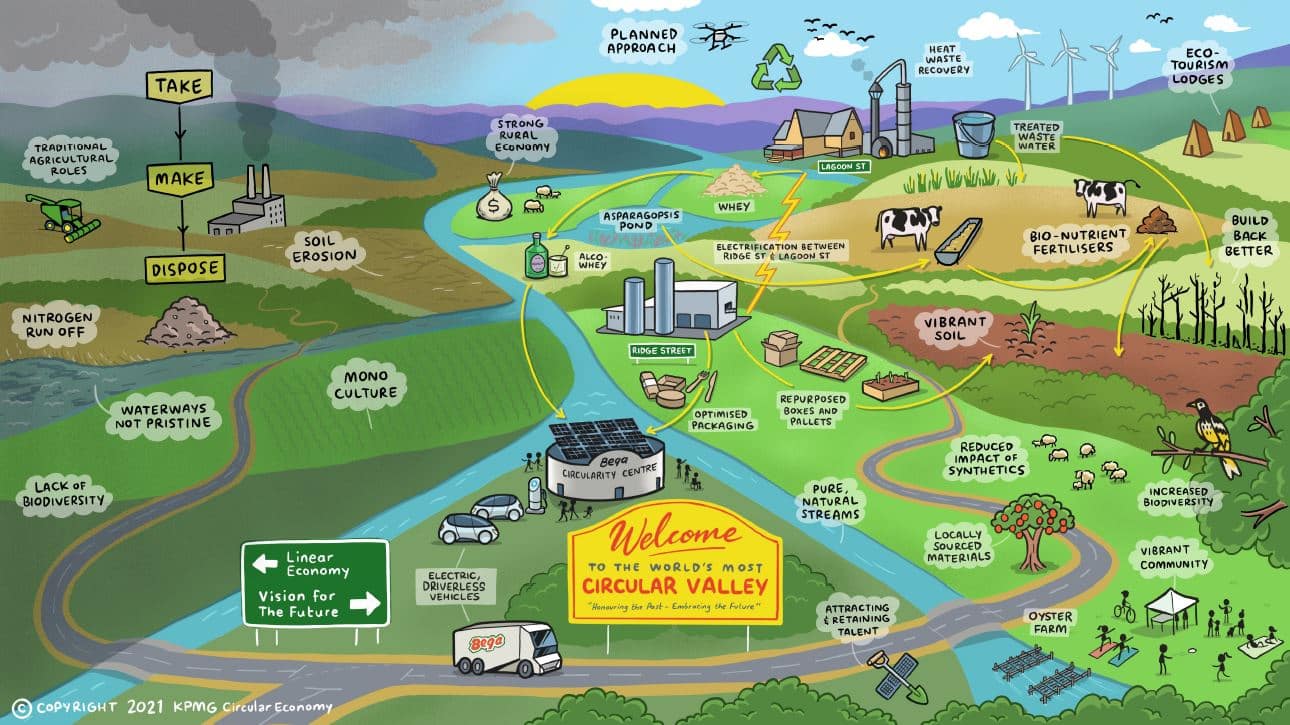
Bega’s vision for the Circular Valley 2030 program. Image: Bega Circular Valley.

“I began the process thinking I was going to be delivered a solution, as this is what I understood the role of design to be,” said Barry Irvin AM, Executive Chair of Bega Cheese, in response to the National Design Challenge. “But I ended the process understanding design is about challenging assumptions, it’s about providing an input into a solution and not an entire solution in itself. 

“As you would in every other part of corporate life, you seek out a series of inputs and align them to make a business decision. This design-led process has delivered an additional critical input to help inform our business decisions for the future of the Bega Valley.”

The Bega Circular Valley is a ten-year project that combines a myriad of stakeholders with the common purpose of creating a circular economy. Using the challenge outcomes, the design teams will continue to work with the Bega Valley businesses to embed the design-led solutions into the project outcomes. 

Learn more


Discover the cutting-edge of design

As the journey towards 2023’s brightest designs continues to unfold, why not take a moment to look back at over five years of stellar design in Good Design Index? Challenging the status-quo has forever been at the forefront of the Awards, and we look forward to seeing this year’s Award season push the envelope even further.

DIVE INTO THE GOOD DESIGN INDEX HERE
Automotive Design Through History

Since the invention of the first gasoline-powered vehicle in 1886, the design of our cars has shaped the way we move throughout the world. 

The first vehicles were an intuitive progression from horse-drawn carriages and bicycles. They had a steering device, gas-powered engine and a driver’s seat – each designed to make travelling short distances easier and faster. 

As technology evolved and spread, more manufacturers entered the market. This increase in competition raised the standards for the design of cars and buyers began to expect more from them than just their ability to take them from one place to another. To stay ahead of the industry, automotive designers focused on offering drivers a unique travel experience, each more comfortable, safe and beautiful than the last.

In addition to seeking cars that balance aesthetics with function, today’s consumers are also concerned with reducing transport emissions to protect the planet. Leading vehicle designers instil their work with tech-driven, sustainable practices to create cars of optimal energy efficiency – powering the future of our vehicles. 

For designers in every field, looking back on the journey of vehicle design allows insight into how innovation adapts to reflect and address the needs of people and the planet. It offers valuable insight into how design trends and processes are created, and allows us to learn from the designers who shaped the vehicles we see on our roads every day.  

Keep reading to switch gears into Gatsby-like glamour and reverse into retro style with this inspiring drive through the history of vehicle design.

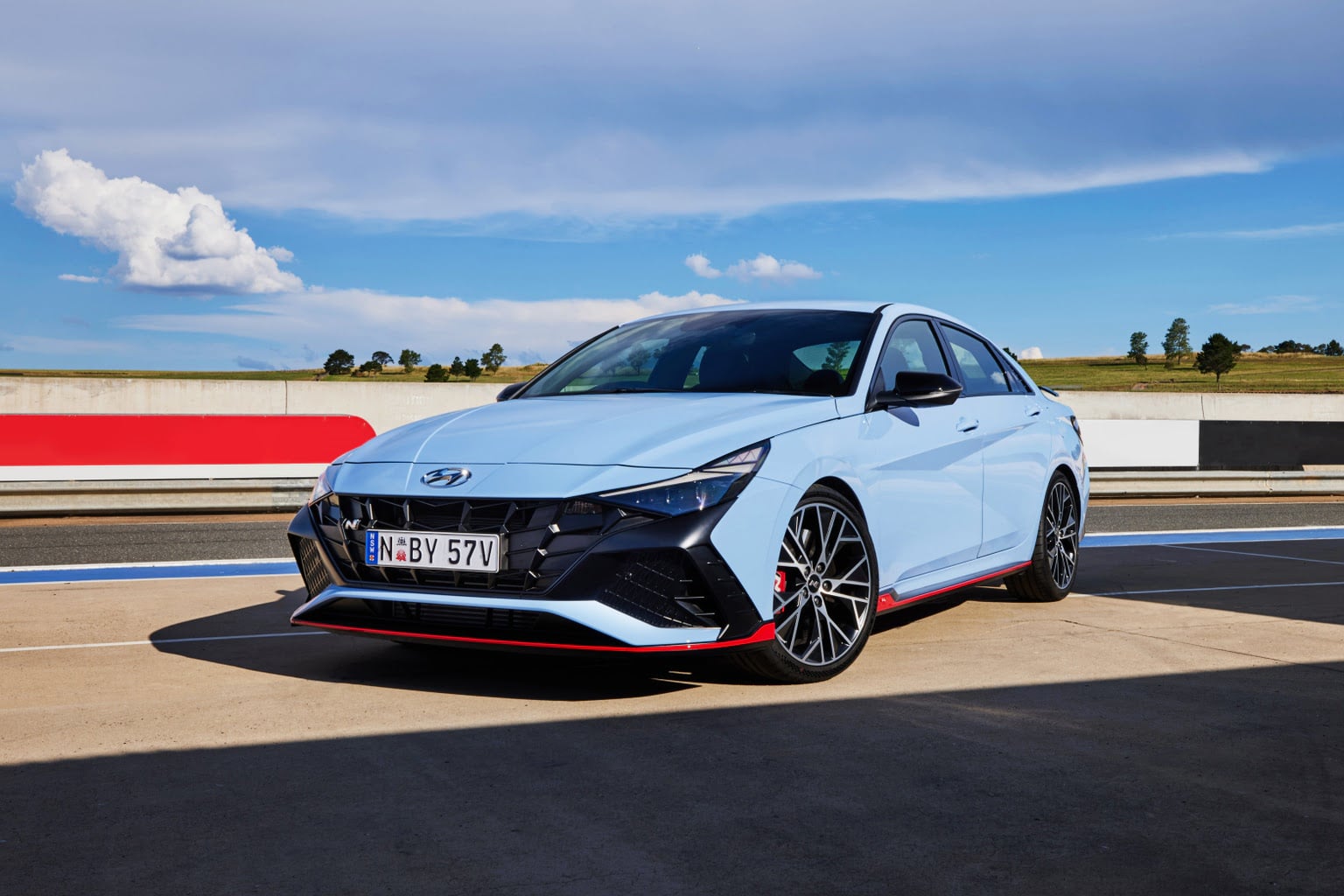
Hyundai i30 Sedan N – 2022 Good Design Award Winner and everyday sports car. Image: Hyundai

A drive down memory lane fuelled by design 

  • 1920s
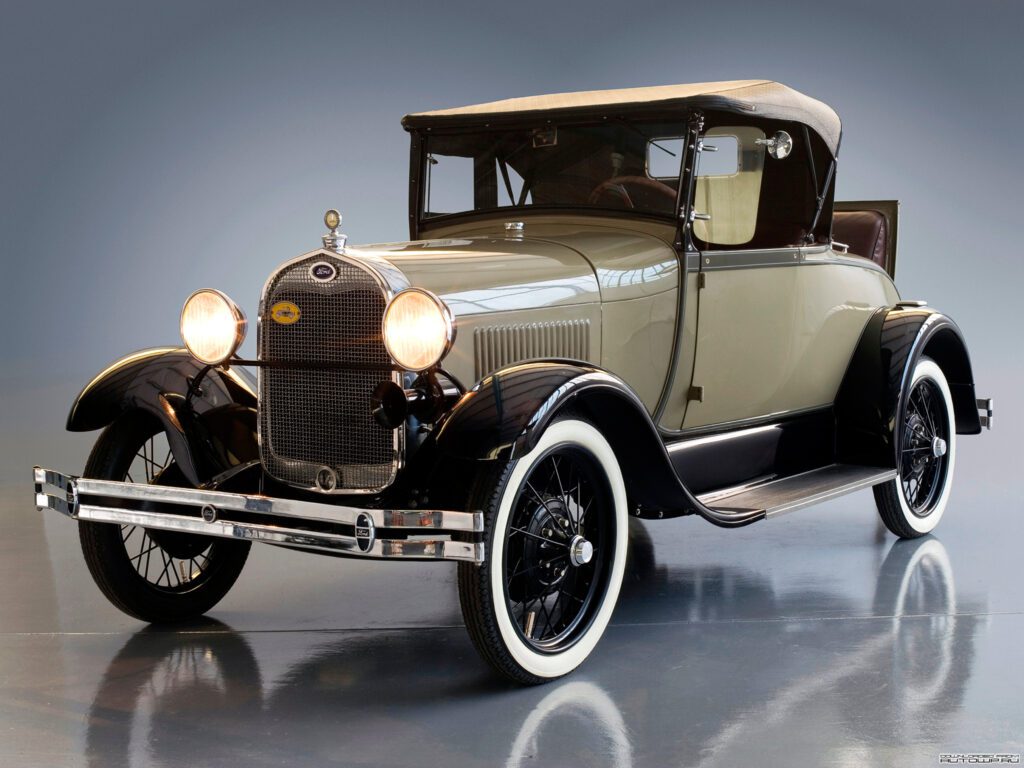
1929 Ford Model A Deluxe Roadster – The vehicle of a generation. Image: supercars.net

In the ‘roaring 20s’, a post-depression economic boom invited uninhibited indulgence. Cars became more affordable, and for the first time, it became possible to own more than one in your lifetime. Advertisements encouraged the notion that upgrading to a higher-end car was a symbol of success and a way to celebrate extravagance. 

Additionally, the emergence of the Art Deco movement influenced vehicle design trends and form became as important as function. Advancements in the manufacturing of materials like aluminium and stainless invited metallic colours into style, including silver and pale gold. Aesthetics became a more important factor in buyer’s decision making and cars in this era were created to look more desirable than their counterparts in the showroom. In general, their hood was lengthened and their body was lowered – an exciting new focus on style and power. 

  • 1940s
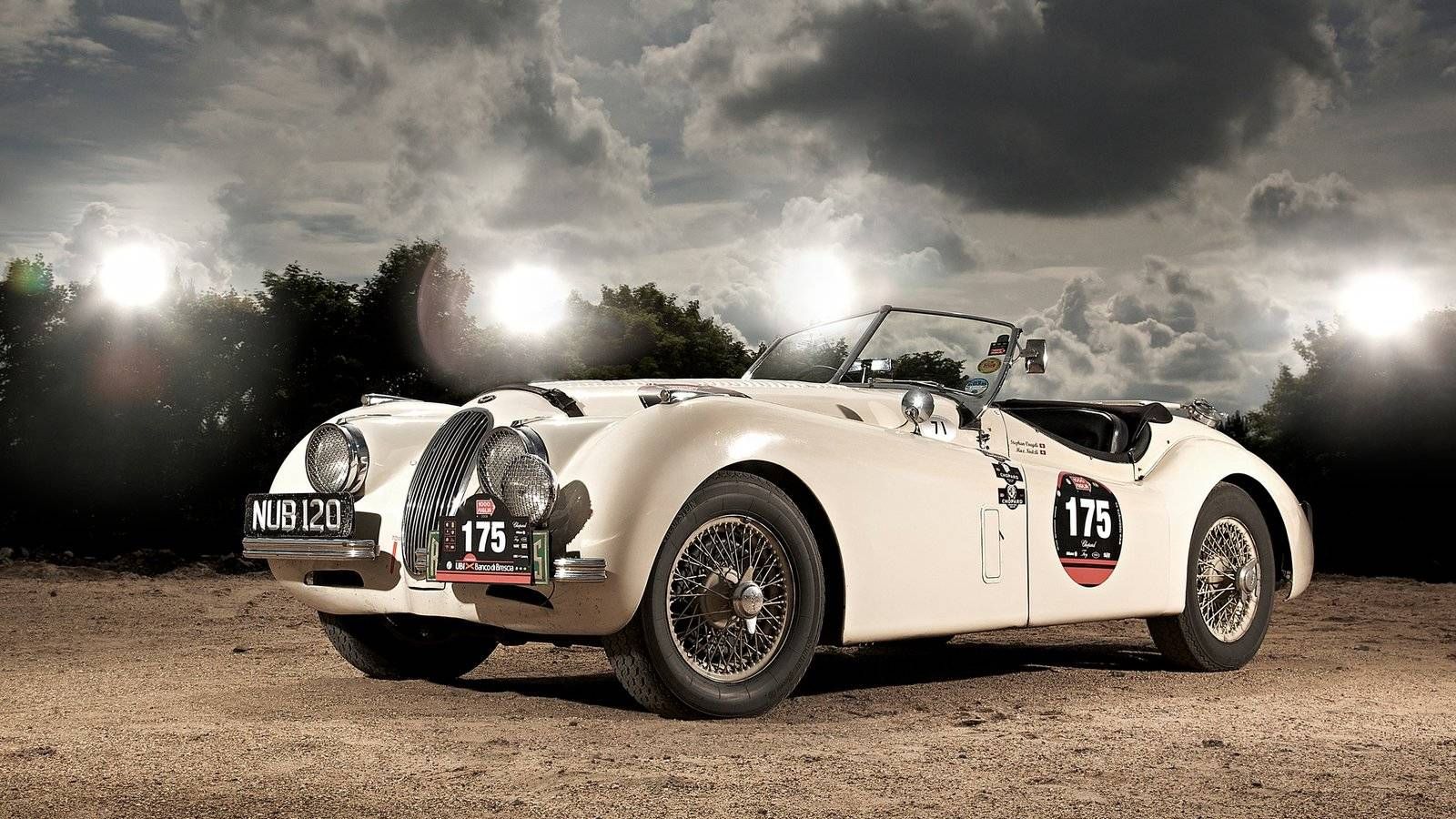
1948 Jaguar XK120 Roadster – Jaguar’s first post-war sports car. Image: DriveMag

After the Second World War ended in 1945, the auto industry rebuilt itself with resourcefulness and newfound optimism. Many US car manufacturing plants had been used to create war machinery and the struggle to survive had put pressure on the efficiency of the machinery production process. Vehicle designers were facing a high demand for cars when non-military automobile production restarted in America. 

While the look of cars initially copied pre-war design, designers eventually re-introduced creativity and boldness. Designers focused on meeting the needs of the American family, creating spacious cars of low to mid-range prices in a wider range of bright colours. Station wagons and sedans rose to popularity, boasting interior features like 8 passenger seats, dedicated luggage space and improved safety features. 

  • 1960s
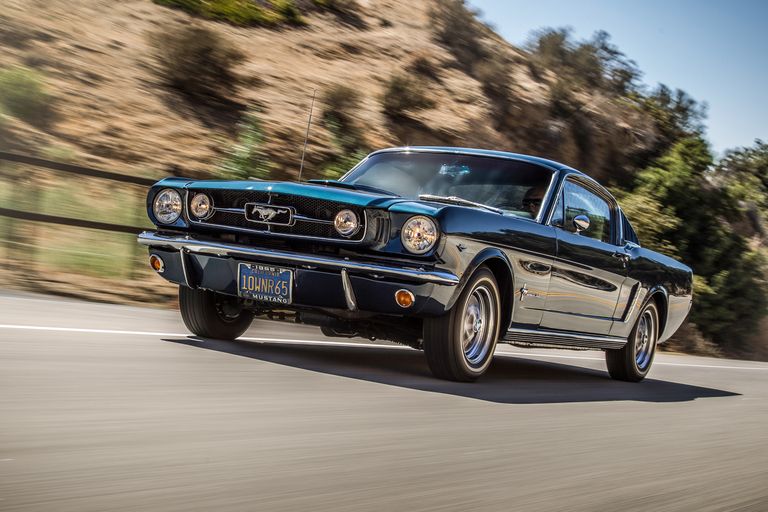
1965 Ford Mustang – One of the most iconic muscle cars to ever exist, and model that continues to evolve today. Image: Car and Driver

Inspired by the race between the US and the Soviet Union to send a human into space, the 60s is affectionately known as the ‘space age era.’ Futuristic design made its way into the vehicle industry, which meant one small step for pop-culture and one giant leap for modern cars. Shifting away from the softness of previous trends, space age cars were defined by angular shapes and distinctive lines. Their sleek look created a sense of speed worthy of a double agent. 

Social liberation and advancements in technology continued to shape the function of space age cars. This birthed the muscle car phase of vehicle design, which used high-performing features previously only seen on the racetrack. Designers found a way to leverage lightweight materials like aluminium and carbon fibre to improve fuel efficiency, while the everyday experience of driving was elevated through features like air conditioning and radios. 

  • 1980s
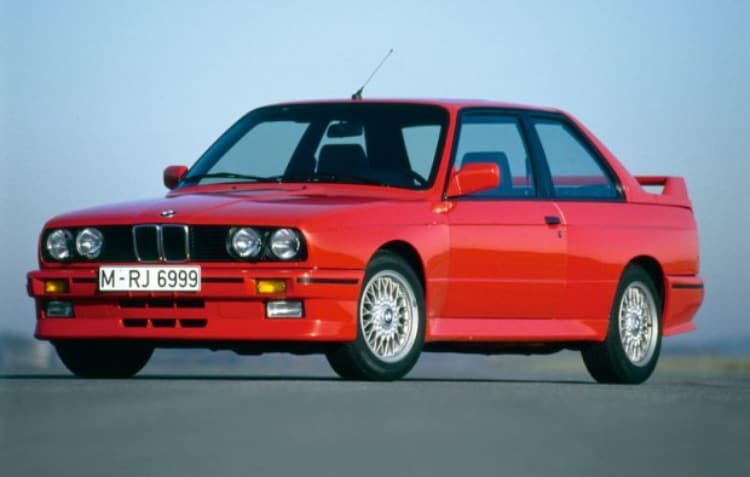
1986 BMW M3 E30 – A boxy design finding success on the track and on the streets. Image: BMW

Retro cars are significantly more boxy than today, a shift that took place thanks to vehicle designers in the 80s. The transition from angular silhouettes to rounder designs coincided with the development of new computer drawing tools that allowed designers to draw curvier shapes. While cars previously resembled rectangular blocks, curved edges created a seamless flow between every section of the body. In addition to refined aesthetics, this reduced wind resistance and improved fuel efficiency.

The curvy designs seen on Australian roads for the first time were also a result of increased car imports from international manufacturers. American designers copied the aerodynamic look of European car trends and smoothed out square silhouettes. In Japan, designers created a new sports car, defined by iconic features like a ‘shark nose’ hood. Right across the world, this meant a more competitive market than the industry had ever seen before.

  • 2000s
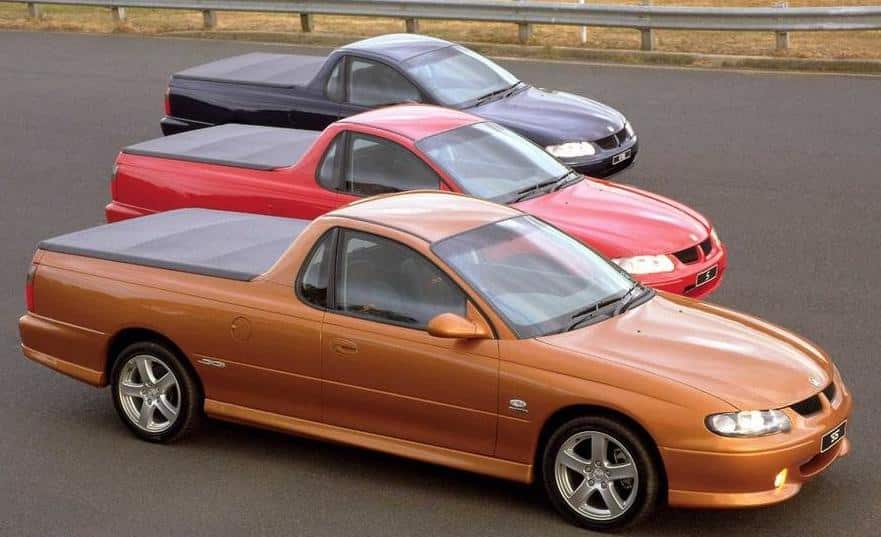
2001 Holden VE Ute – 2001 Good Design Award Winner and a favourite of suburban Australia. Image: RedBook

Cars designed in the early 2000s were embedded with a sense of nostalgia that accompanied the retro-futuristic movement. Classic exterior elements like round headlights created a playfulness that balanced the advanced technology awaiting inside. Touchscreen entertainment systems and supportive seats made driving a luxurious and immersive experience. 

Comfort and safety features made significant strides during this era. This appealed to buyers with families and advertisements highlighted features like air bag testing, parking sensors and cruise control. Interior finishes also levelled up as designers continued to utilise luxurious materials like wood and leather. 

  • 2020s
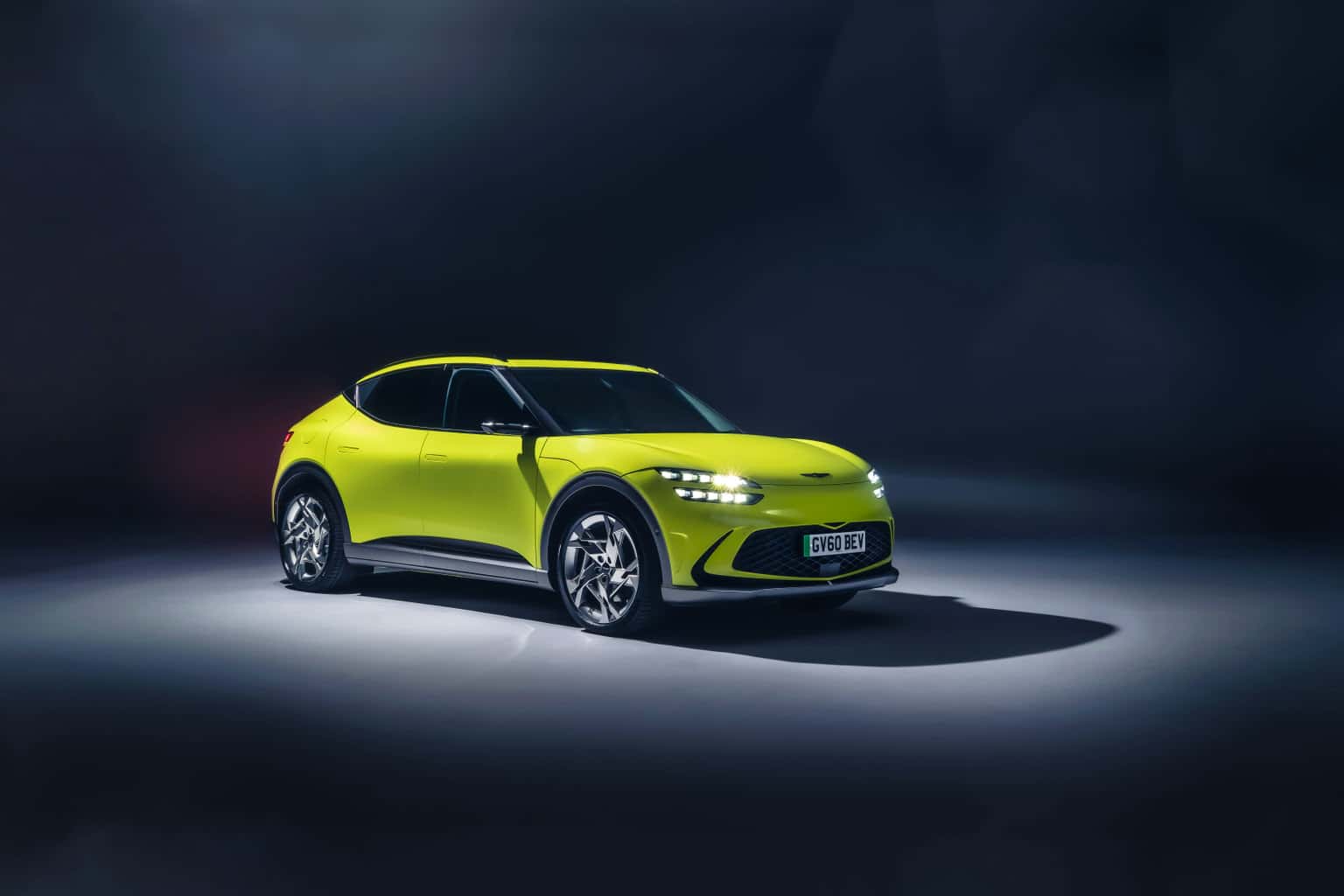
2022 Genesis GV60 – 2022 Good Design Award Gold Winner and a leader of the EV generation. Image: Genesis

Today’s consumers are aware of the massive impact that fuel emissions have on our environment. This has heavily influenced the car market, sparking a focus on efficiency and leading to the invention of electric vehicles (EVs). EVs run on rechargeable batteries and aim to shift cars towards clean energy. Although they’re still new to the market, EV’s from companies like Tesla and Polestar are quickly filling the roads – a result of vehicle designers working to make them more accessible to the public. 

The Australian Good Design Awards has a proud history of recognising excellence in vehicle design, including the 2022 Good Design Gold Winner – Genesis GV60. The impressive car is the first dedicated EV from Genesis and charges from 10-80% in under 18 minutes.


Accelerate into the world of vehicle design

As we step into a bright future of sustainable transport, the Australian Good Design Awards continues to celebrate exceptional vehicle design. Explore the Product Award on our Good Design Index to take a closer look at Automotive and Transport Award winners. 

DIVE INTO THE GOOD DESIGN INDEX HERE