The Future is Accessible – Universal Design

Human-centred design has become a growing indicator of good design in recent decades. It describes products, services, projects and environments that have been approached with people at the centre of the problem-solving process. The design journey begins with empathy, builds off feedback and drives to create solutions that meet the true needs of our society.

Universal design evolves the human-centred design process even further. The holistic approach solves problems in-line with a clear cross-section of what a whole society necessitates.  This means designing for as many people as possible – regardless of different mobilities and abilities – without the need for adaptation or specialised design. 

Universal design is therefore a principle that thrives on equality, inclusivity and accessibility. For a truly accessible future of all, we must design for all. 
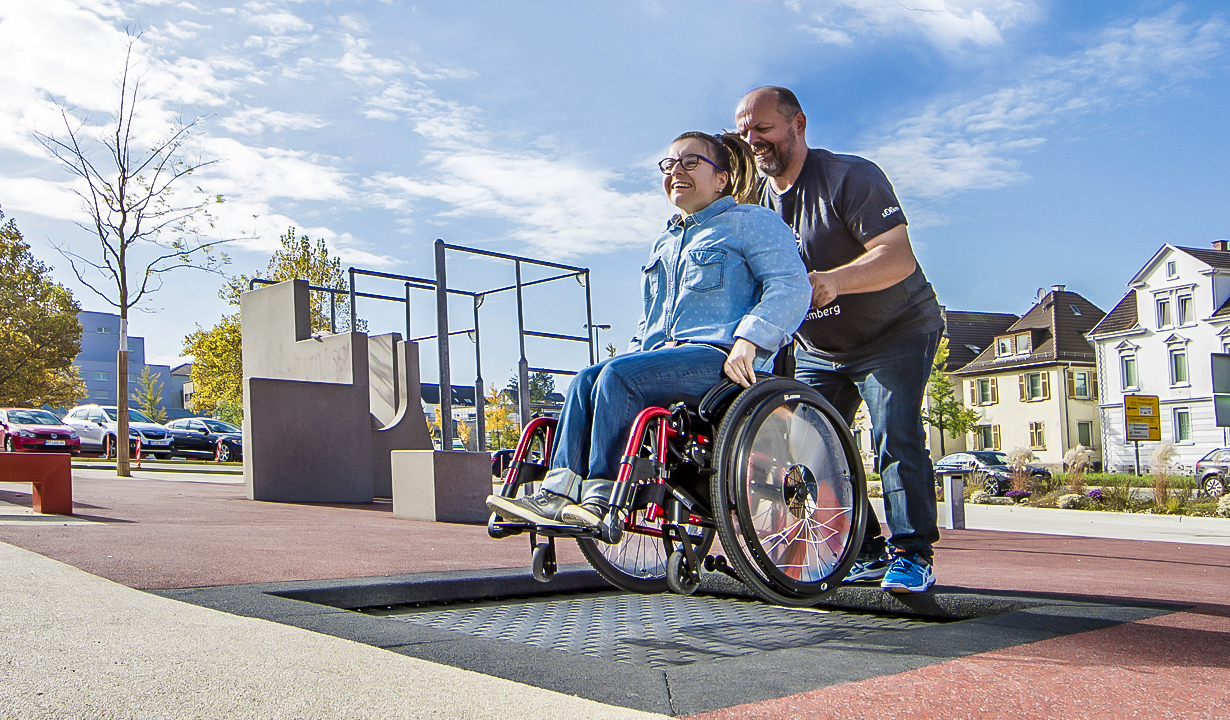
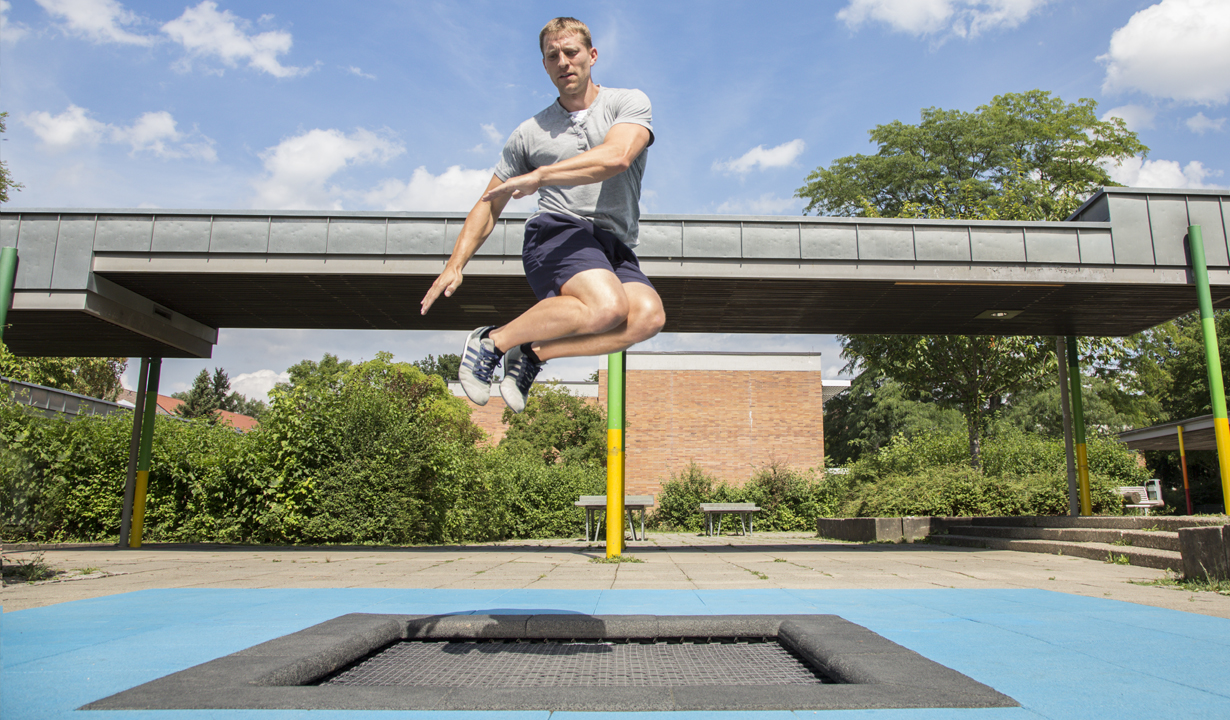
2018 Good Design Award Gold Winner – Proludic Inclusive Trampolines – openly accessible play and exercise items motivating safe movement in public spaces. Image: Eurotramp


Modern accessibility at a glance 

Zooming out to our global society, differently abled individuals face a variety of barriers and struggles every day as they engage with built environments, technology and information. This is considerably relevant in designs of the past that are less reflective of those whose physical, intellectual or linguistic abilities may be augmented. Not only is this dehumanising, it creates challenges unfathomable by more privileged members of society.

  • Built environments

Although more common in older constructions and spaces, many developments are still designed around the abilities of a select few. This has meant that differently abled people throughout history haven’t been able to access important buildings and public spaces such as government offices, museums and parks. Even wayfinding in built environments rarely account for those who would truly benefit from them. While solutions can be retrofitted, they are commonly difficult and expensive to bring to life. 

Public transportation systems similarly suffer from accessibility issues, with many networks lacking wheelchair ramps, audio announcements and other features that would make them significantly more usable for a greater spread of society. 

  • Technology

Our increasingly computer, smartphone and other electronic device-led world has given rise to a number of challenges for differently abled individuals. This includes struggles for people with visual impairments who are unable to access devices without audio accessibility measures, those with hearing impairments who can’t implement phone systems and individuals who can’t physically handle the technologies.

This has grave concerns for one’s ability to participate in everyday society, especially as previously human-led solutions continue to be phased out.

  • Information

With inaccessible technologies and environments comes the obfuscation of vital information. This may include insights found in documents, websites and signage that would be otherwise beneficial and important to all citizens.

Without the ability to be informed, many differently abled individuals are left in the dark. Safety, societal engagement and support can therefore be undermined.

With the application of universal design as a prevailing problem-solving approach, these contemporary challenges, alongside many more, can be confronted.
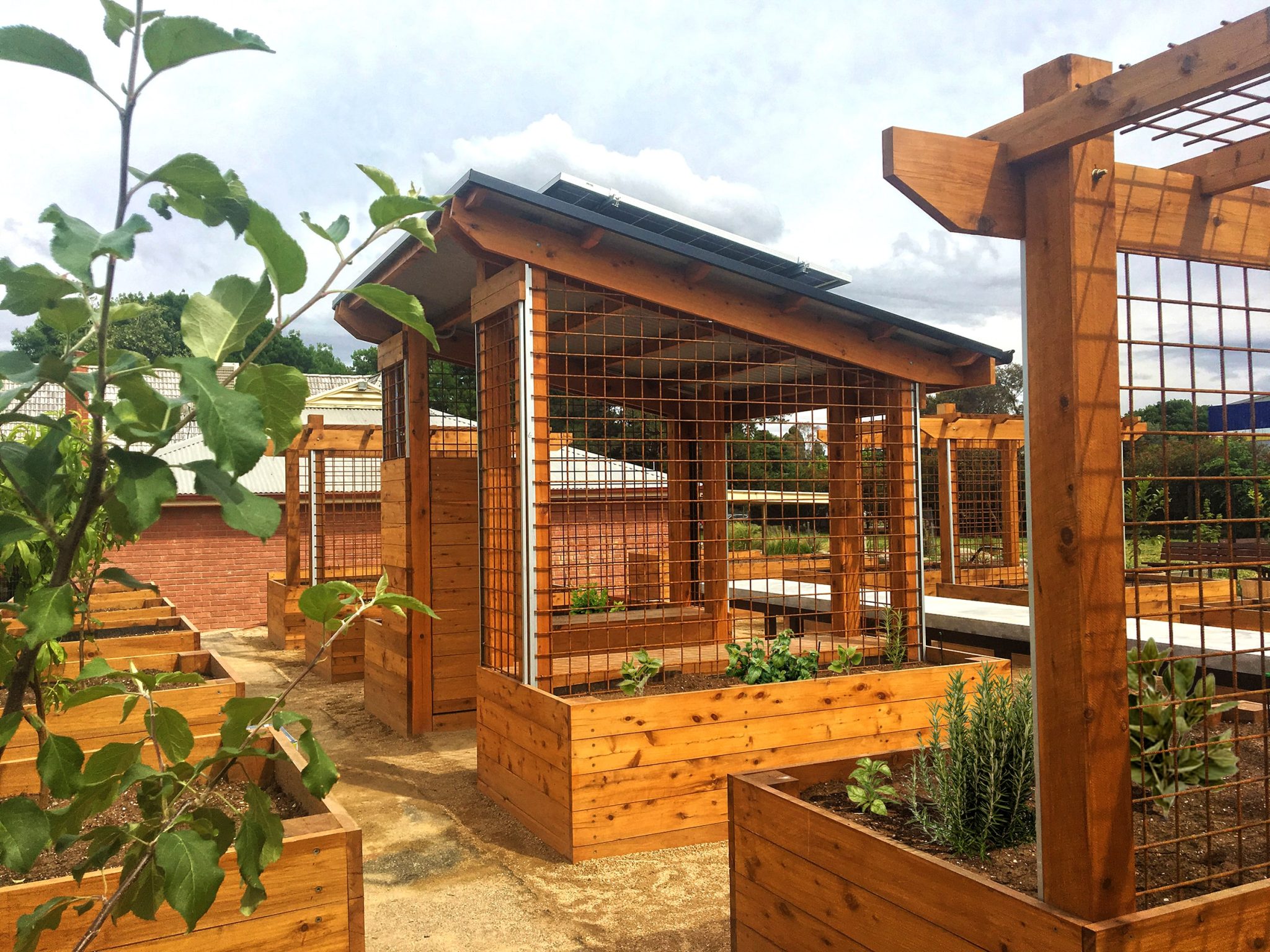
2020 Good Design Award Winner – Foursight Architect’s Inclusive School Playground Spaces – dynamic outdoor play areas as part designed to support the social needs of children regardless of disabilities or other differences. Image: Foursight Architects

Designing for all with universal design 

Universal design is a prevailing key to an accessible future. By applying its holistic principles to all areas of society and design, people of all abilities will become increasingly able to participate in education, employment and leisure activities without facing barriers, challenges and exclusion.

This most obviously extends benefits to those who are differently abled, but universal design can also be critical to making all products, services and environments be more efficient, user-friendly and cost-effective. For example, a building with a ramp is not only accessible for people who use wheelchairs, but also for parents with strollers and postpeople delivering heavy packages. This shows that an overarching consideration of the different ways people move, communicate and interact with designs, we can design in everyone’s distinct language. 

More specifically, the benefits of universal design include:

  • Inclusion

Universal design engages people of all ability levels to inform solutions, products, services and environments that service them all. This strengthens accessibility and promotes the equitable, barrierless participation of all members of society in their communities.

  • Safety

Universal design can reduce the risk of accidents and injuries, particularly for people of differing abilities. Solutions such as grab bars, non-slip surfaces, multi-language or auditory signage can contribute to safer spaces and better communicate dangers.

  • Cost-effectiveness

By applying universal design from the get-go, the need for retrofits, repairs and replacements are drastically reduced in the long-term. This minimises the need for expensive accommodations and modifications, and can even give rise to durable, adaptable and easy to maintain designs.

  • Innovation

In order to design for the greater society, designers need to engage with a more accurate cross-section of the population to gain critical insights, ideas and feedback.  This can encourage innovation and outside-the-box thinking as designers holistically apply their findings and confront design short-falls of previous eras. 

  • User satisfaction

Regardless of one’s ability, universal design can make products, environments and services significantly easier to use and navigate. Increased productivity, efficiency and user satisfaction can therefore be emboldened, as frustration and stress is challenged.

  • Compliance

As a greater appreciation and acknowledgement of the differing abilities present in our society steadily eventuates, more and more accessibility laws and regulations are coming to the fore. Universal design can consequently help businesses and organisations comply with the new accessibility status quo and reduce the risk of legal action, all while improving their reputation.
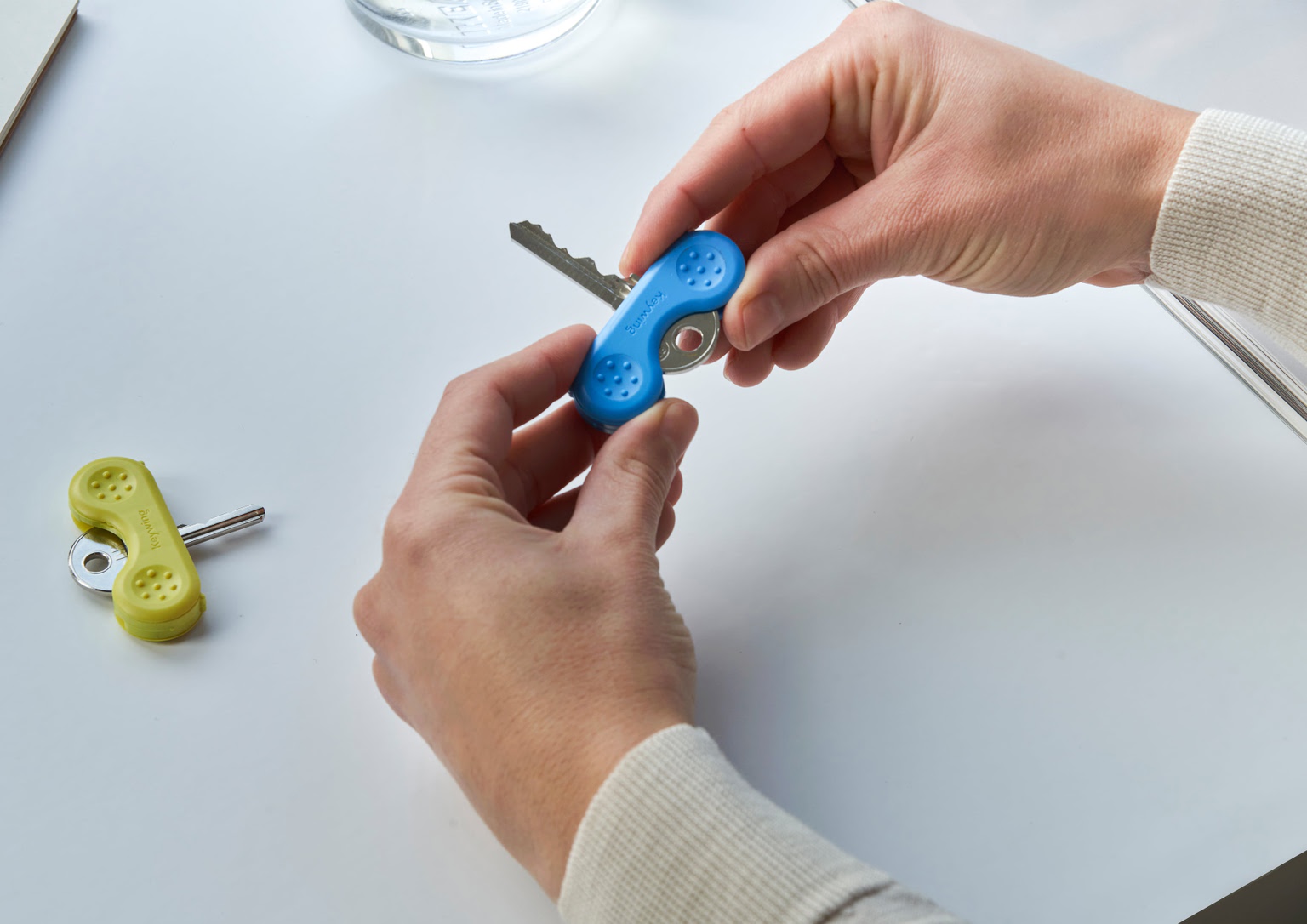
The Keywing – 2022 Good Design Award Winner – offers a an ergonomic addition to household keys that makes them twice as easy to grip and turn. Image: Keywing

Is it possible? 

An accessible future for all is no small task. Even with the tried and tested principles of universal design being implemented into the design processes of designers, businesses and governments all over the world, it requires an overarching willingness to challenge traditional assumptions about what is possible or acceptable in design. 

This involves a great shift in attitudes towards differently abled individuals. Namely, by recognising their abilities as a natural part of the diversity of the human experience rather than a limitation to be accommodated. By engaging people of all abilities within the design process, designers can lead the charge and begin problem-solving equitably from the first draft. It’s equally as important to promote investment in accessible design solutions and the technologies that will allow their creation, all while developing regulations and incentives that encourage inclusivity.

Despite these challenges, increasingly implemented accessibility laws, a growing awareness of the benefits of universal design and a blossoming number of assistive technologies available for differently abled people show that global citizens and designers are committed to a more accessible society. Right now, more individuals are able to participate more openly in society than ever before, but there’s still work to be done.

Luckily, universal design is up for the challenge.


Explore the Good Design Index for more stellar examples of good design

As the 2023 Jurors come together to evaluate, crown and celebrate the brightest designs of this year’s hallmark Award season, why not turn back the clock and discover some innovations of the past? Search by category or have a blind deep dive – find inspiration either way.

DIVE INTO THE GOOD DESIGN INDEX HERE
Fashion and its sustainable concern

The global fashion industry has seen intense growth over the last decade. Though as its worldwide revenue has risen to over $1.7bn USD, so has its environmental impact. In fact, the United Nations Environment Program reports that the fashion sector alone contributes up to 10% of global greenhouse gas emissions every year. That’s more carbon output annually than all international flights and the entire maritime shipping industry put together.

The continuing popularity of the fast fashion model, unsustainable manufacturing techniques and rapidly cycling fashion trends all play their part in this environmentally impactful puzzle. However, it’s a reality that a growing array of consumers, producers, designers and policymakers are beginning to tackle head-on. Is a fashion revolution about to unfold?

Read on to explore the sustainable concern of the fashion industry and its unsustainable history, and discover how the rise of slow and pre-loved fashion, a greater focus on cyclical design and recycled practices are starting to challenge a damaging status quo. Plus, dive into the Australian Good Design Award Winners leading the way.

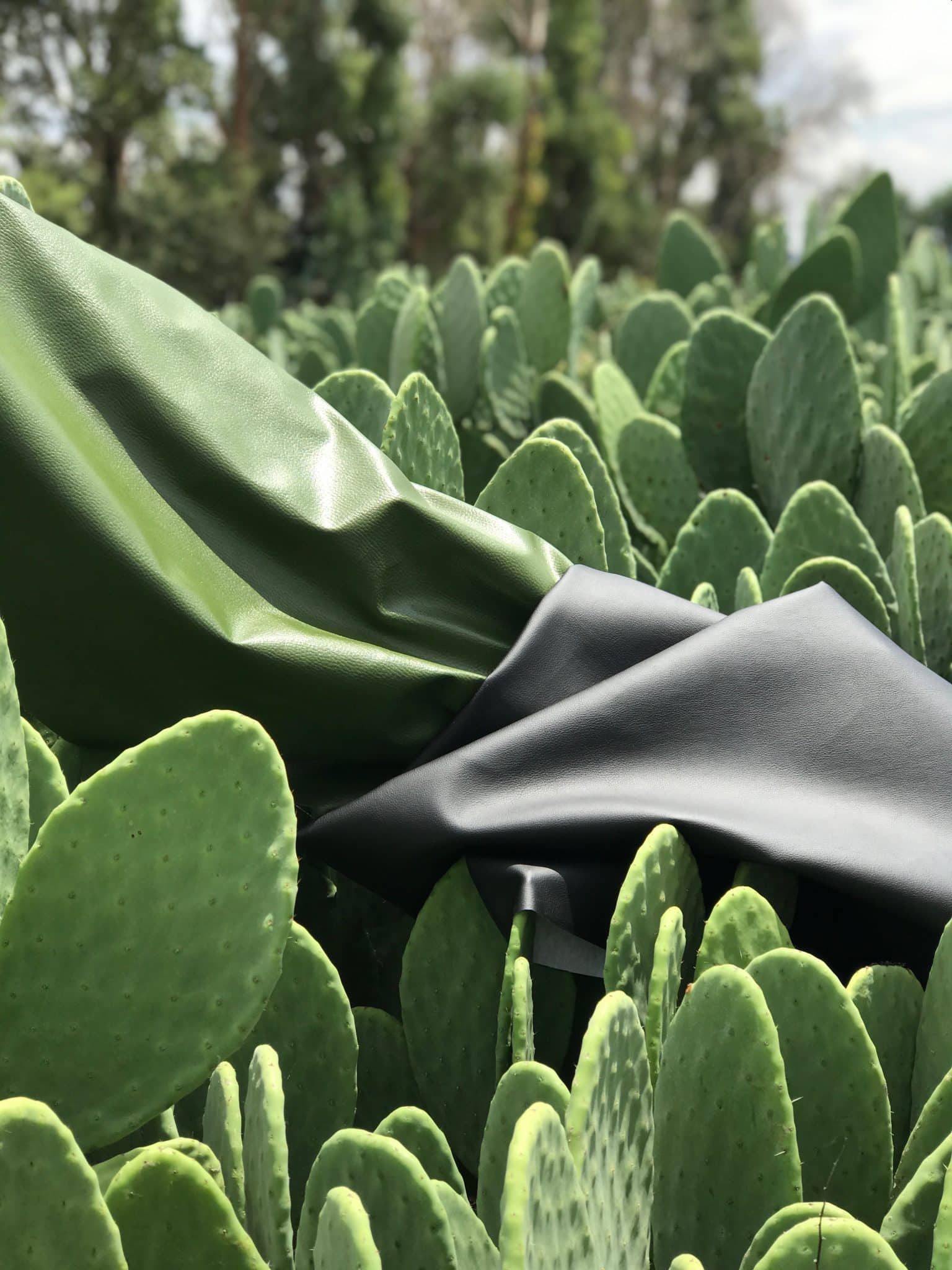
2020 Good Design Award Gold Winner – Desserto | Cactus Vegan Leathersustainable, plant-based leather. Image: Adriano Di Marti

Quick stats

  • In the 1970s, a person would have about 25 pieces in their collection on average. Now, the average number of garments per-person has increased to around 70 pieces.
  • Contemporarily, a garment is worn approximately seven times before being discarded.
  • The equivalent of one garbage truck of textiles is thrown into landfill or incinerated each second.
  • To manufacture a single pair of jeans, 3,781 litres of water is required on average. 
  • An estimated 93 billion cubic metres of water is used annually in fashion manufacturing. 
  • Polyester production for synthetic articles emits approximately 706 billion kg of greenhouse gases per year.
  • Synthetic materials in clothing are responsible for about 35% of all plastic microfibers in the ocean.
  • Less than 1% of clothing material is recycled into new garments.

Fashion – a rapidly changing industry

Just like in-vogue fashions come and go, the fashion industry is constantly in flux. However, it wasn’t always this fast. Pre-1960s fashion was commonly orchestrated on a seasonal basis, with fashion designers usually innovating in-line with the locational and climatic necessities of fall, winter, spring and summer. Now, many of the top fashion brands have adopted a “micro-seasonal” approach that can see new collections launched every other week.

This over-productive age of clothing has been dubbed the epoche of fast fashion, where a production method focused on rapidly-produced and usually low-quality garments reigns supreme. Fast fashion styles are commonly inexpensive to manufacture and purchase, inviting massive amounts of consumption at extreme urgency. 

With rapid production comes cut corners, minimal quality control and an increased likelihood of overworked and underpaid workers. It also gives rise to unsustainable and unregulated manufacturing processes that are increasingly undermining the health of global citizens, the atmosphere, earth and our ecosystems. So, while “finding your style” has become significantly easier and cheaper than ever before, the world is paying in a multitude of ways. 

For example, a swift look into the manufacturing process of a clothing item reveals great reliance on the production, extraction, transportation and processing of natural resources. From the first seed sowed to a garment on the shelf, it’s not uncommon for deforestation, water pollution, greenhouse gas emissions and soil degradation to be critical parts of the journey.

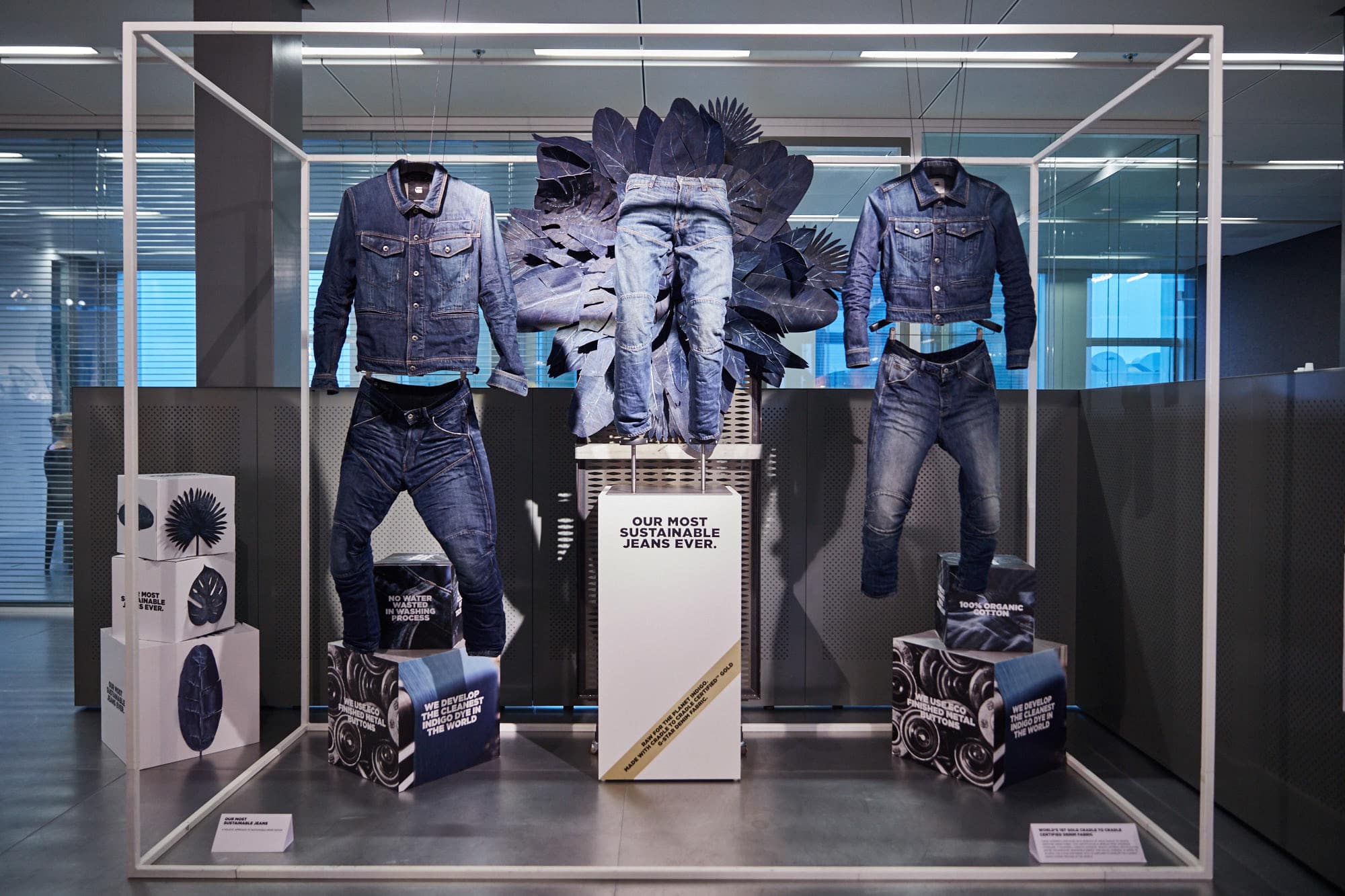
2019 Good Design Award Best in Class Winner – G-STAR RAW’s Most Sustainable Jean – the first ever overall Cradle to Cradle™ GOLD certified denim fabric in the world. Image: G-STAR RAW

The fast fashion model has also become increasingly rooted in the synthetic space due to the lower cost of petrochemical fibres. This non-renewable approach leans on massive amounts of energy and chemicals, with toxic pollutants not only impacting the environment, but the heath of the manufactures too. Once discarded, synthetic, non-biodegradable materials take hundreds of years to break down if dumped in landfills and are very difficult to reuse when recycled.

While it may not be immediately obvious, consumers can actively avoid tapping into the fast fashion trend by asking themselves a range of questions before purchase:

  • Is the brand releasing new collections or garments in rapid succession?
  • Is the garment at a relatively low price point?
  • Is the garment of low quality?
  • Is the garment produced in a location where unsatisfactory working conditions are common? 
  • Could the construction of the garment impact the environment? i.e. synthetic materials

Challenging the status quo with sustainable, slow fashion

The repercussions of fast fashion are now substantially reported. Through both environmental and social lenses, the unsustainable model has been directly linked to ongoing negative impact. However, there are brands, communities and consumers that are valiantly fighting against it, putting the planet, its people and quality, long-lasting fashion front-of-mind. 

  • Slow fashion

Slow fashion, as the name suggests, challenges all aspects of the fast fashion model. The movement centres around high-quality garments that are designed with forever in mind. Sustainable materials, waste-reducing production methods and ethical manufacturing are all part of the process. Commonly, vertically-integrated and in-house production are signs of a slow fashion brand. 

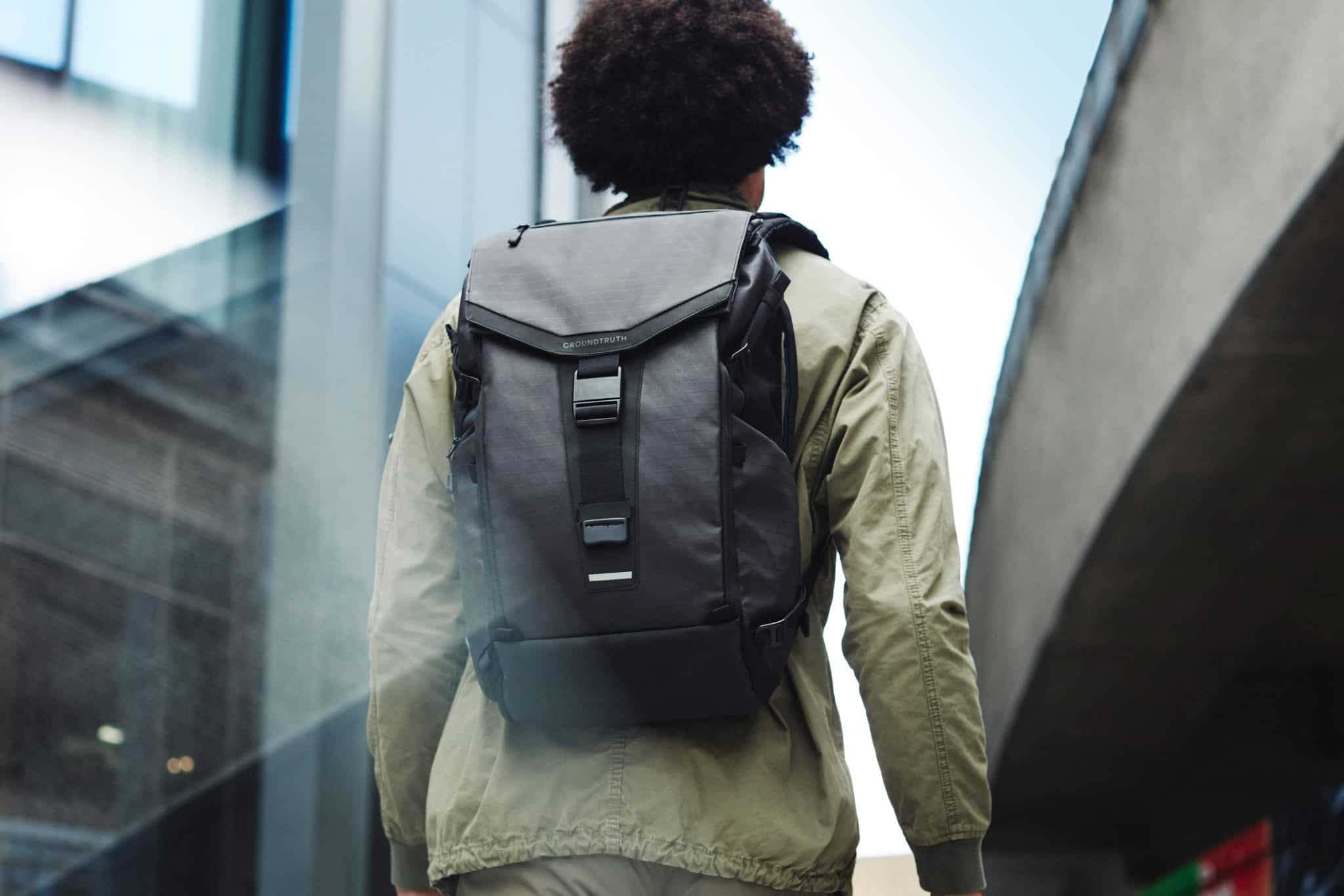
Plastic bottles –> everyday functionality. Image: GROUNDTRUTH Global

2021 Good Design Award Gold Winner – GROUNDTRUTH’s RIKR range – is a great example of sustainable slow fashion. Each bespoke bag is crafted using high-performance GT-RK-001 textile which is created entirely out of recycled plastic bottles. Not only are they made to last, they’re hip, modular and twist a contemporary environmental issue into an everyday piece of conscious fashion. 

Learn more

  • Upcycling 

By repurposing discarded styles, upcycling creates new fits with fabric and garments otherwise sent off to landfill or an incinerator. Upcycled fashion commonly implements a “scrapbook” approach with fabric scraps or can also see old clothes turned into fresh accessories.

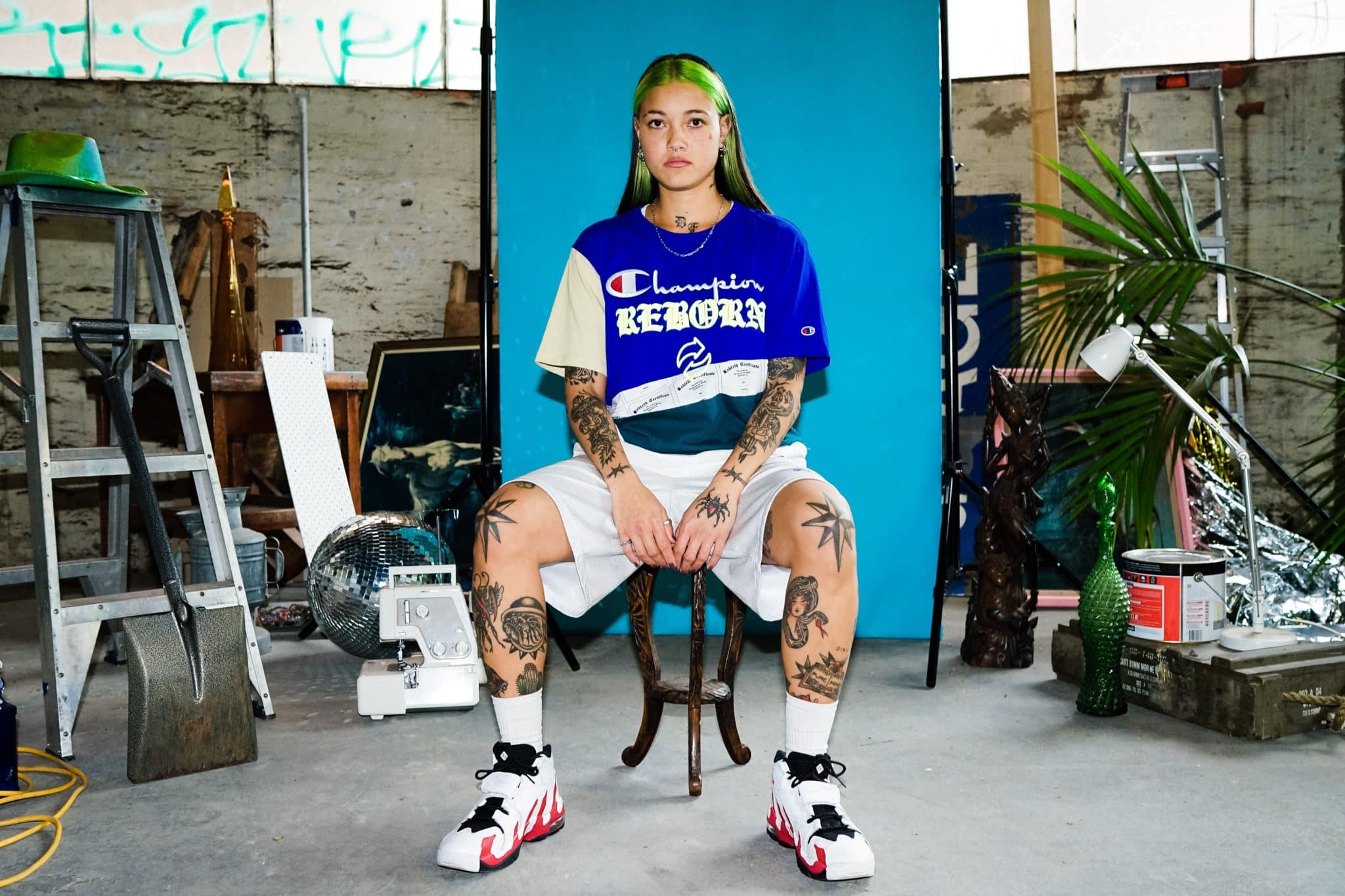
Sustainable street styles. Image: HoMie

REBORN by HoMie – 2021 Good Design Award Gold Winner – REBORN by HoMie transforms garments destined for landfill into fashionable, one-off pieces. Their distinctive streetwear styles are hand-cut, sewn, altered and upcycle in the Melbourne base, with young people affected by homelessness or hardship on the tools. HoMie funnels profits to further projects that support young people in difficult situations. In this way, it’s a cyclical initiative at the intersection of charity and style. 

Learn more

  • Circular fashion

As explored in-depth by Good Design Ambassador, Trish Hansen, in a recent piece, circular design describes a responsible design approach that adopts sustainability as the starting point of design. In fashion, this looks like garments that are easily recycled or repurposed at the end of their lifecycle, and clothes that are even biodegradable!

From comfort to compost. Image: Elise Lockwood Photography

2020 Good Design Award Best in Class Winner – The Very Good Bra – embodies the circular fashion approach fashionably and sustainably. Botanical circularity is leant on to create a stylish range of bras that can be burned, composted, wormed or buried in soil at end of life, leaving no trace at all.

Learn more

  • Secondhand and vintage

Thrifting pre-loved clothing has become increasingly popular in the last decade, and rightfully so. Not only does it connect the modern fashionista with incredible styles from yesteryear, it also decreases the demand for new clothing, reduces waste and breathes new life into perfectly serviceable fits. Why not stop by your local op-shop when you’re looking to uplift your look next?


Entries for the 2023 Australian Good Design Awards have now closed

Now, we look ahead eagerly to the thoughts of the decorated Jury as they come together to evaluate, celebrate and crown the brightest designs as part of the 65th annual Award program. 

Good Design Australia would like to show gratitude to all who entered their incredible projects in this hallmark season. The calibre of this year’s designs is unwavering, with projects from all corners of the globe clearly ready to shift the status quo of the industry, our society and our world.

EXPLORE THE AWARDS TIMELINE HERE