DESIGN THAT LEADS: SHIFTS SHAPING WHAT’S NEXT
- Published on: 17 March 2026
Share
DESIGN THAT LEADS: SHIFTS SHAPING WHAT’S NEXT
Design shapes every aspect of our lives. It shapes how we live, decide, and move through the world.
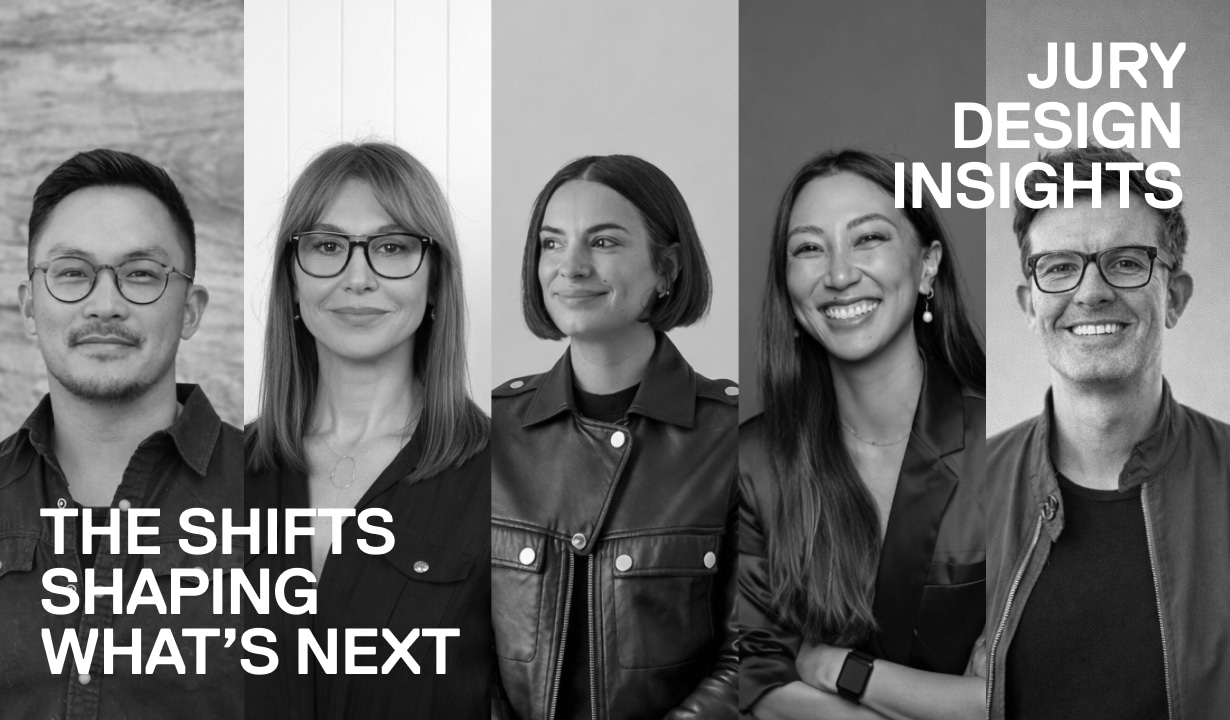
With entries now open for the 2026 Australian Good Design Awards, themed Design That Leads, this year’s Jury shares emerging themes and trends shaping the future of design across disciplines.
Designers are stepping in earlier and reaching further. Beyond products and interfaces, they are shaping the systems behind them, from governance and policy to the data, rules, and contracts that determine real-world outcomes.
Artificial intelligence is accelerating what’s possible. Complex problems can be explored faster. Ideas can be tested instantly. But speed alone is not progress. Human judgment, ethics, and creative intent remain essential.
Sustainability, circular design and regenerative thinking is reshaping what responsible design looks like. The focus has shifted to creating work that lasts, reduces harm, and makes its values clear.
Every design decision carries consequences. It shapes commercial outcomes, aesthetic quality, and social and environmental impact.
We spoke to past Good Design Award Jurors to find out what we should be looking out for this year.
Director, Y-Lab
Social Impact Juror
As our practice of design expands in Australia and we become more aware of systems and institutions that are ill-equipped to meet the moment, there is an increasing shift from experience design to institutional design.
The core question is shifting from ‘how do we make this better?’ to ‘who’s deciding what better means?’ In this reframe, power – not process – is becoming the main design material.
The first trend I’d point to is that co-design is maturing beyond workshops and sticky notes. For example, we’re already seeing lived experience seats on boards and a growing practice around participatory budgeting. It’s a growing topic in the impact world, and sometimes a point of contention.
The second trend, which I’m sure is top of everyone’s mind, is the move of AI into public infrastructure. This is also shifting the location where the design challenge sits. We used to see design in public infrastructure as service touchpoints and user journeys. Now it must also shape algorithmic rules, data governance, and decision thresholds. One of our new design questions is: how can we achieve efficiency without eroding dignity?
Designers are increasingly being asked to influence policy, contracts, and governance structures, and much more of the deeper, invisible architecture of unequal systems.
We’re finally past our hackathon era and are working toward becoming a profession that measures success in systemic and structural shifts, rather than workshop energy.
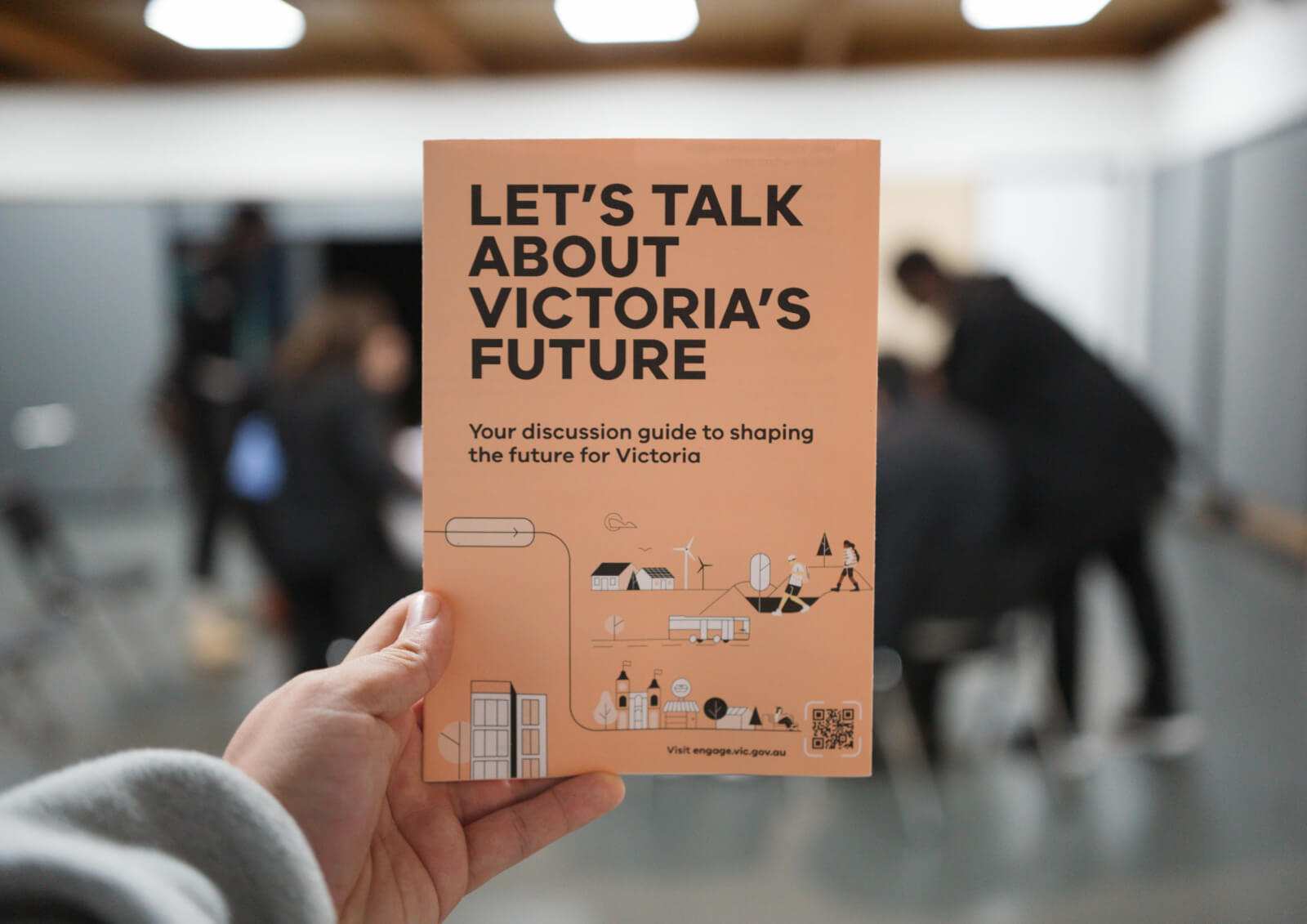
Designed by YLab. Image: Supplied.
Principal Designer, Particle Design Studio
Product Design Juror
One of the most significant shifts I see occurring is the acceleration of delivery. Artificial intelligence has already dramatically sped up designers’ abilities to deliver early-stage concepts and visualisations, but its real impact will come from using it for advanced problem-solving in highly technical product development.
In the past, obtaining niche technical knowledge, such as material behaviour, surface finishes for specific mechanical applications, or sealing strategies could have taken days to weeks, or even months to obtain.
This often meant liaising with specialists or diving deep into particular research fields to retrieve information that wasn’t always easy to find. But now, the information is funnelled from different sources and distilled from a single chat prompt. And although you still need to fact-check it, it’s mostly all there, at a few taps of a keyboard and mouse – or nowadays, just through a voice prompt.
This acceleration allows designers to remove friction during the research phases and quickly move to synthesise the information into ideas. Allowing for more rapid iterations, faster validation of ideas, and more confident decision-making, particularly in fields such as science and technology.
What I hope to see is not just faster development of products, but better ones. Compressing timelines without compromising rigour means that designers can be more active in the complex problem-solving process. Which I hope means that we can direct our resources and energy into creating products that have a greater and more positive impact on society.
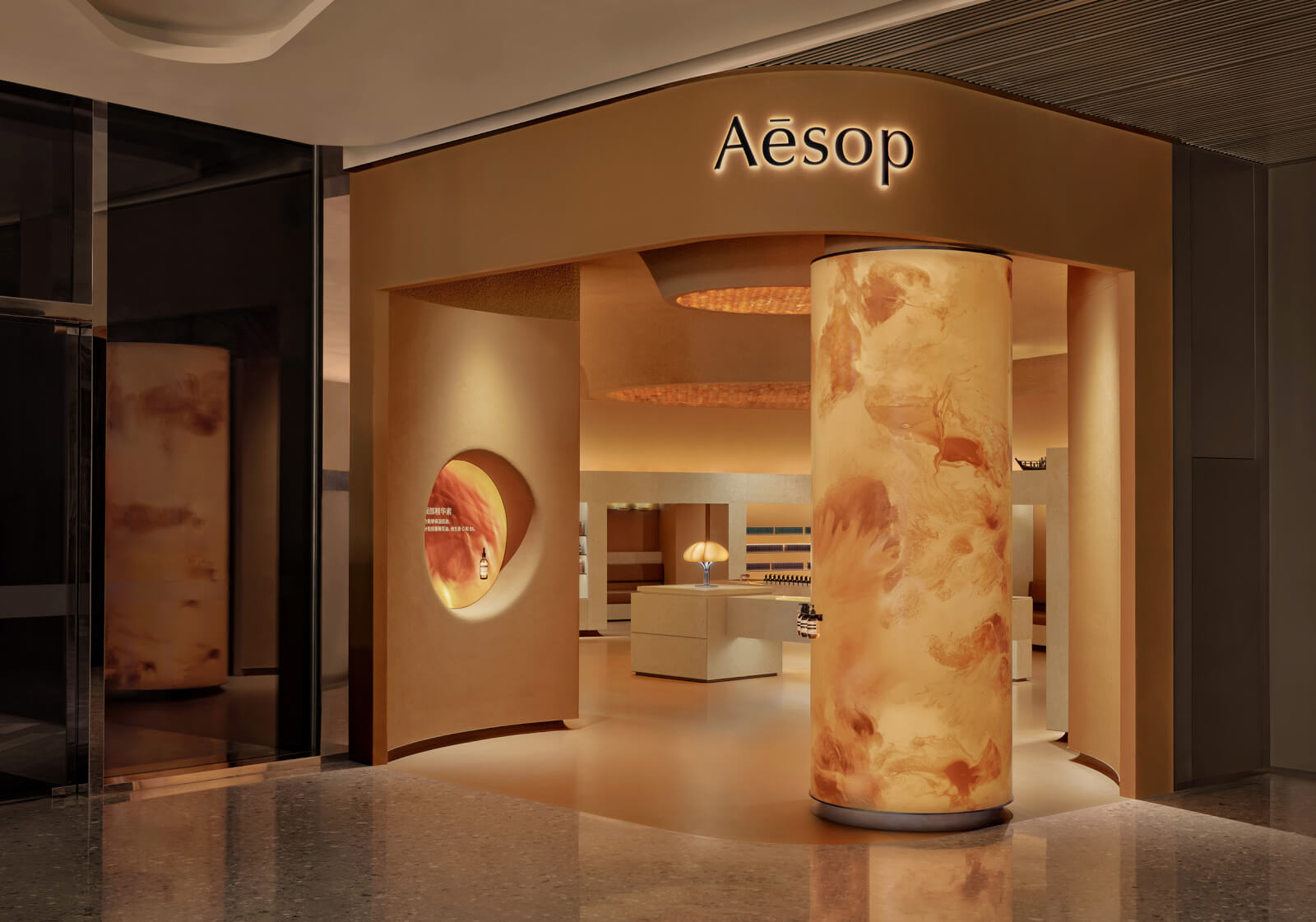
Designed by Other Matter. Image: Supplied.
Global Executive Director, AI Products – R/GA
Concept Design Juror
For years, we have worshipped at the altar of invisibility. “Good design is invisible.” This is no longer true. Good design is an intervention.
Scarcity once disciplined us. If we did not understand materials, manufacturing, or proportion, we could not participate. Now, a machine can generate ten thousand variations before we have even finished our coffee. Competence is automated. Perfection is synthetic. And we applaud this as progress.
But when everything works without effort, we stop asking why it exists. Seamlessness becomes camouflage. Defaults become ideology. Code becomes policy. The danger is not ugliness. The danger is frictionless harm – scaled globally, optimised politely.
We speak of “user experience” while ignoring consequences. A little friction is not failure. It makes ethics visible. A pause. A confirmation. A boundary. A designer saying: “No, not this.”
Intelligence is now a material. Like steel. Like plastic. It must be shaped, limited, and understood. It has properties: bias, acceleration, and amplification. If we do not master these properties, we are not designing. We are merely styling outputs. The future of design will not be defined by how much we can generate, but by what we refuse to generate.
I hope for fewer things. Better things. Systems that declare their values openly. Products that do not hide their cost in distant supply chains or invisible datasets. Design is not about making the material disappear. It is about making intention visible. If you cannot explain the values embedded in your work, you have not designed it – you have been designed by it.
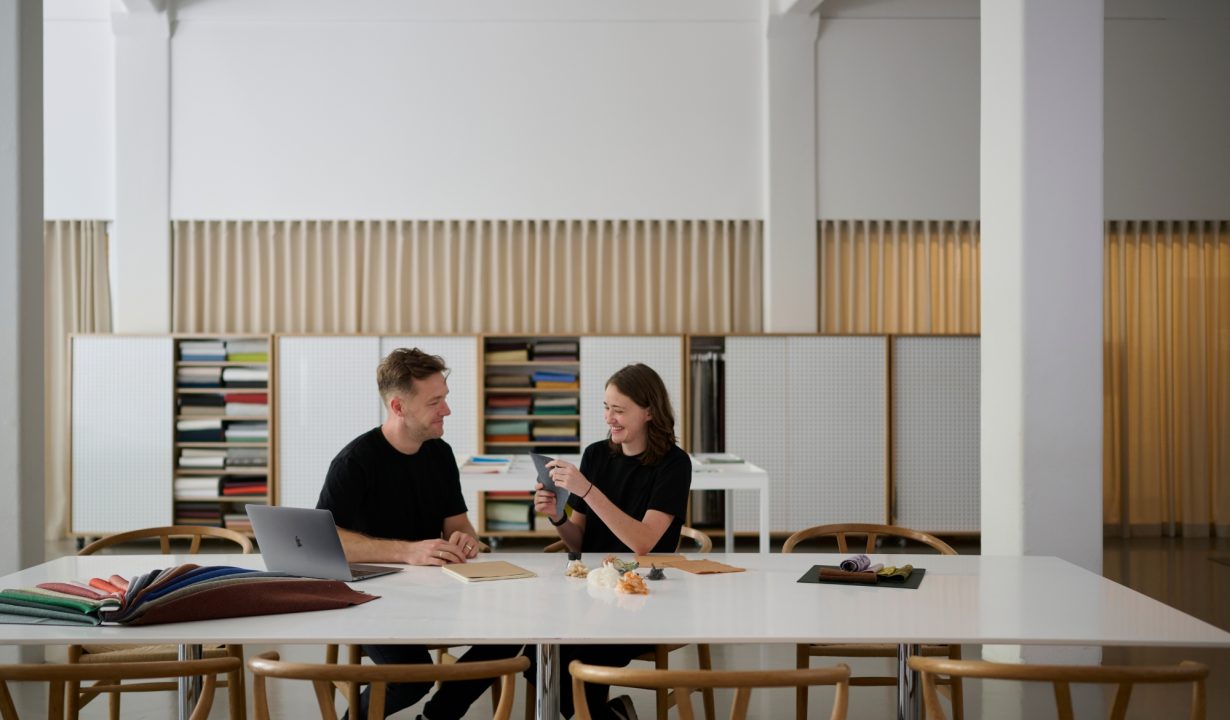
Designed by M&E Interiors & Skeehan Studio. Image: Supplied.
Experience Director, Ro&Co / Telstra
Digital Design Juror
One of the biggest shifts shaping my industry, Digital Design, is the rapid acceleration of AI and the emotional frenzy and uncertainty that came with it.
We went from an explosion of design x AI-powered tools overnight, as companies competed to be first to market – from synthesising “clusters” in MIRO, to rapid prototyping “vibe coding” in Figma, to being able to generate personas for testing and even simulate usability testing at scale with zero humans in sight.
Now we’re starting to see the trend correct itself, with an increased demand for designers, and the realisation that designers are now needed more than ever to help shape the future of design.
Not every new tool saves time. Not every automation improves quality. And companies are realising that, without strong design thinking, AI can help scale bad assumptions faster.
It’s exciting because designers are increasingly being pulled upstream, to be more strategic and demonstrate end-to-end journey understanding – to help shape how AI systems and designs behave, explain themselves, and earn trust. We’re seeing growing demand for product designers, service designers, and UX strategists who understand systems, ethics, behavioural sciences, and human decision-making – not just beautiful UI.
We’ve entered one of the most impactful and consequential eras of design since the birth of the interwebs. Designers have the opportunity to co-create the first generation of:
- Agentic shopping experiences
- AI copilots in healthcare, finance, and education
- Voice-first and intent-driven interfaces
- Human-AI decision systems
The significance of this impact is like when we designed the first steering wheel, the first remote control, Tamagotchis, or the first search engine – moments in time that shaped how billions of people would go on to use technology every day.
I hope that we use this moment to do better than we’ve done with social media. Instead of rushing to be the first, to win, to make the most money, we focus on:
- Ethics
- Accessibility
- Transparency
- Human wellbeing
- Environmental awareness
Kate Crawford (author of Atlas of AI) emphasises that digital products don’t just live “in the cloud” but very much affect the real world, and have huge consequences on real labour, real resources, and real environmental costs.
Design has the responsibility and opportunity to shape new AI systems that reduce bias instead of compounding it, and to think about the implications on humanity, the environment, and the world. I am excited to see design take a stand for the new world we create together.
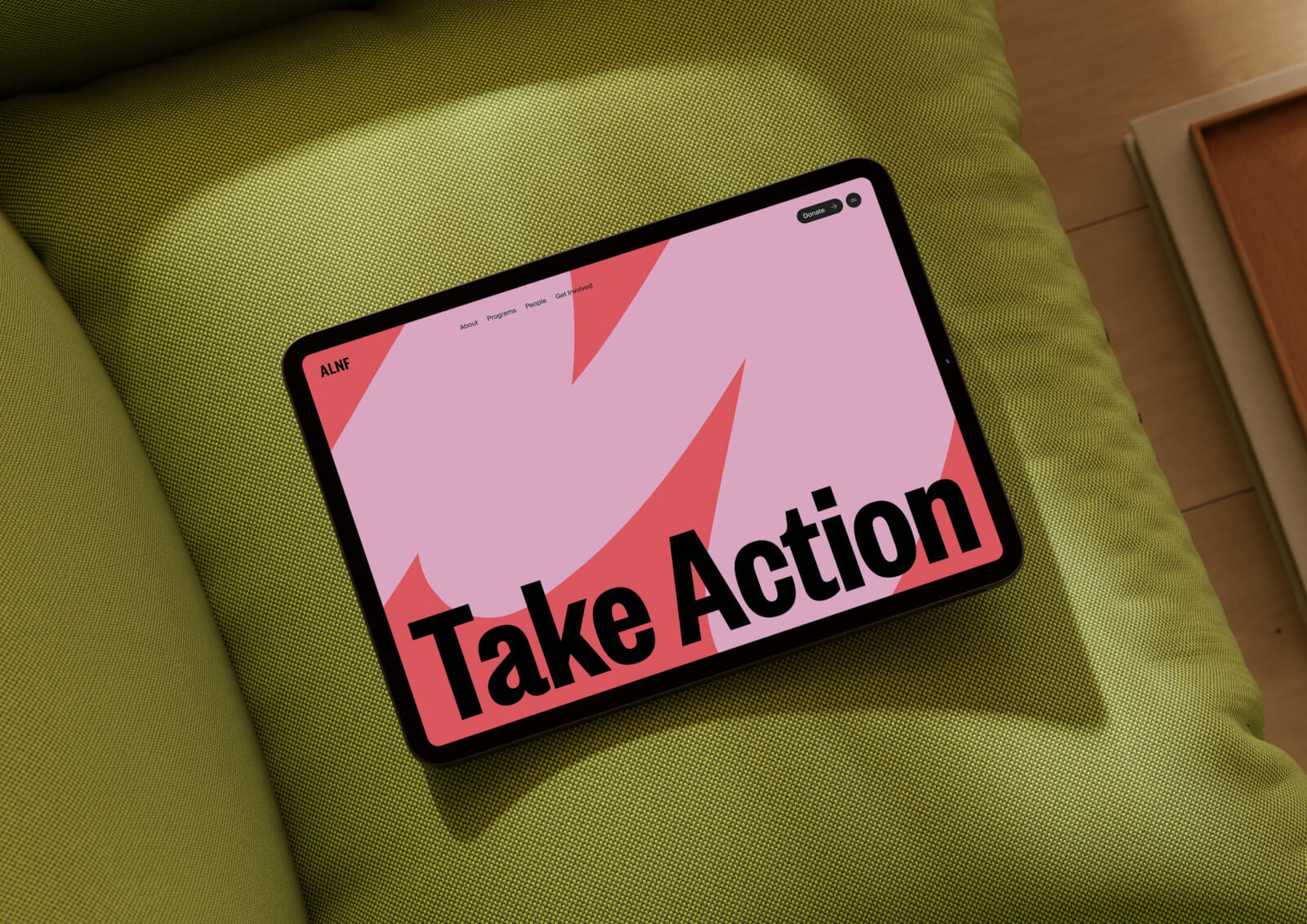
Designed by NightJar. Image: Supplied.
Co-Founder & CEO, The Growth Activists
Fashion Design + Good Design Award for Sustainability Juror
I see the immediate future of design being shaped by two massive and ideally converging forces: sustainability and artificial intelligence.
The most urgent shift is moving from a “take-make-waste” mindset toward true longevity. Design today must focus on both physical and emotional durability. We need to create products that people actually want to keep, treasure, and care for – shifting us toward a circular economy that stops overproduction and respects our planet’s precious resources.
The second force is AI. While it is a powerful tool, there is a real danger that it will lead to ‘algorithmic echoes’, making everything look and feel the same. In this world, the manmade and the artisanal will become more valuable than ever. The human touch, that spark of original creativity, is something a machine simply cannot replicate, and as a result, the truly original will command an ever greater premium in an increasingly homogenised environment.
My hope is that design becomes the ultimate “force for good”. By using AI as a partner rather than a replacement, we can elevate human creativity to solve our biggest challenges. When we combine responsible tech, a devotion to true innovation, and a deep commitment to sustainability, we create a future where business truly serves people and planet. It’s about moving past cycles to design with truly genuine purpose.
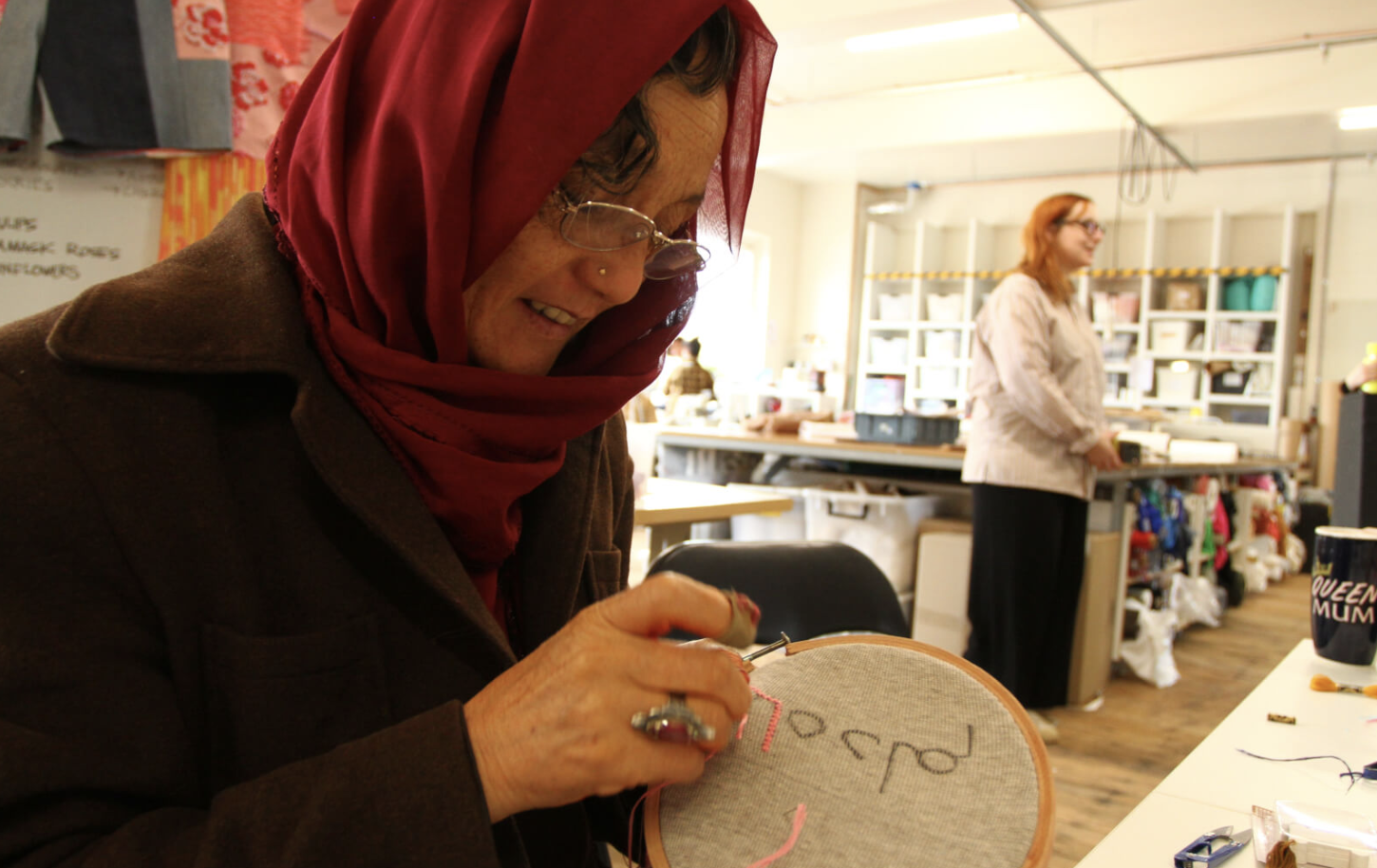
Designed by The Social Studio. Image Supplied.
Be part of the next chapter in design
These insights show that design is leading the way. It shapes work that is ethical, purposeful, and built to last, responding to global challenges while influencing how the world operates.
Designers are entering more conversations earlier and thinking about impact, responsibility, and sustainability in everything they create. The Australian Good Design Awards celebrate this kind of leadership in design. Entries are now open.