The Living Hollow: Mycelium-Based Habitat for Hollow-Dependent Wildlife

good-design-award_gold-winner_rgb_blk_logo
  • 2026

  • Design Research

Commissioned By:

World Wide Fund for Nature

Designed In:

Australia

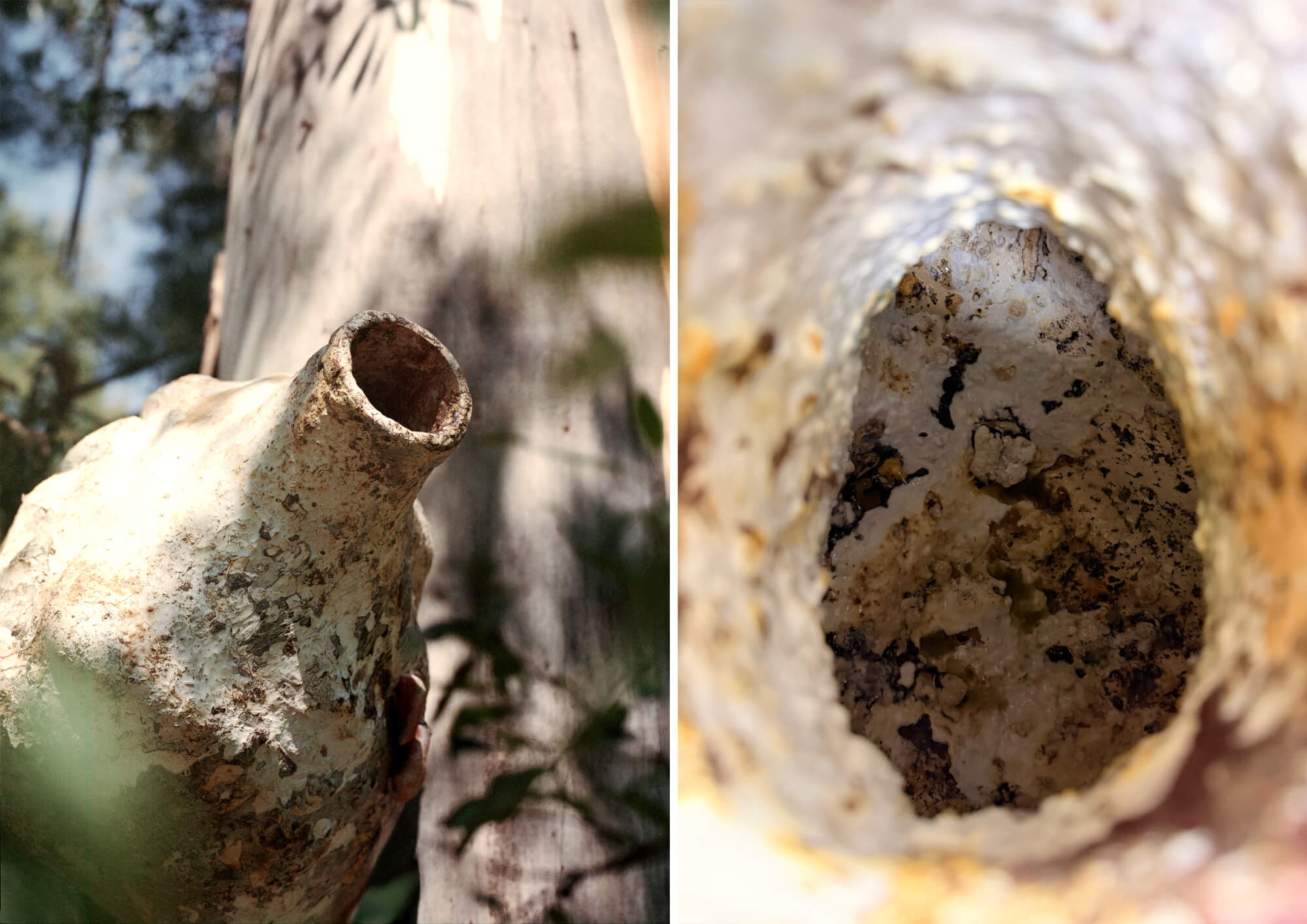
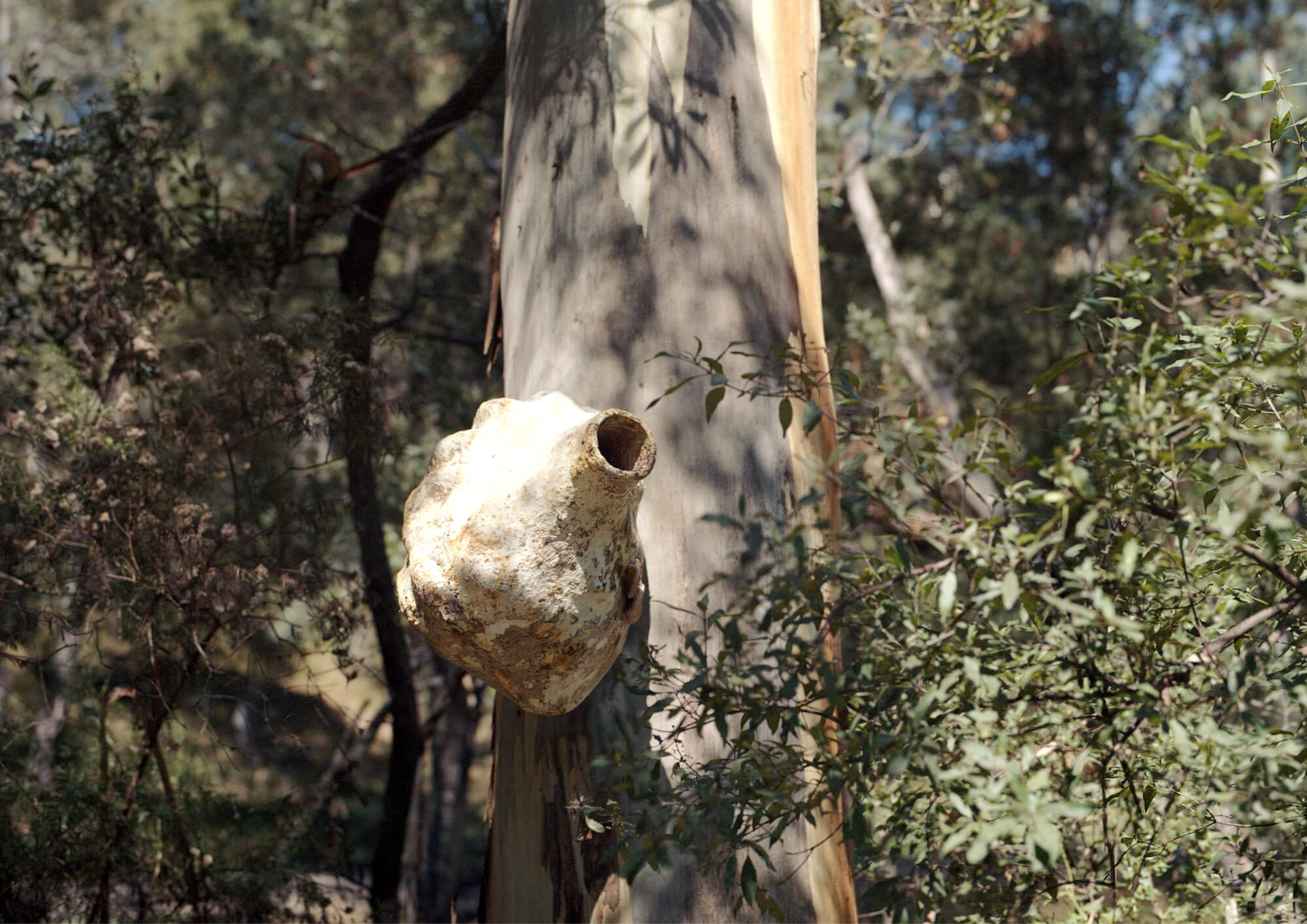
The Living Hollow is a first-of-its-kind mycelium-based artificial tree hollow. Natural tree hollows can take over a century to form, yet habitat loss has created severe shortages. Grown from mycelium fused with 3D-printed wood, this biodegradable composite offers native gliders a natural hollow’s material familiarity, thermal comfort and predator protection.
view website

2.jpg
Mengzhu Jiang
3.jpg
Mengzhu Jiang
4.jpg
Canhui Chen
5.jpg
Canhui Chen
6.jpg
Mengzhu Jiang
7.jpg
Mengzhu Jiang, Canhui Chen
8.jpg
Canhui Chen
  • CHALLENGE
  • SOLUTION
  • IMPACT
  • MORE
  • Land clearing, bushfires, and logging have drastically reduced Australia's natural tree hollows, pushing gliders into crisis. While traditional nest boxes provide a stopgap, they are limited in replicating the thermal regulation and organic complexity these animals require. A mycelium-based hollow could offer a more ecologically appropriate solution, but no manufacturing precedent existed. Mycelium is typically grown in rigid moulds, incompatible with a hollow where the interior cavity exceeds the entry opening. Long-term outdoor durability of mycelium composites remains largely untested, and its poor tensile strength makes conventional tree-fixing structurally inappropriate. The team faced a challenge simultaneously ecological, biological, and fabrication-driven.

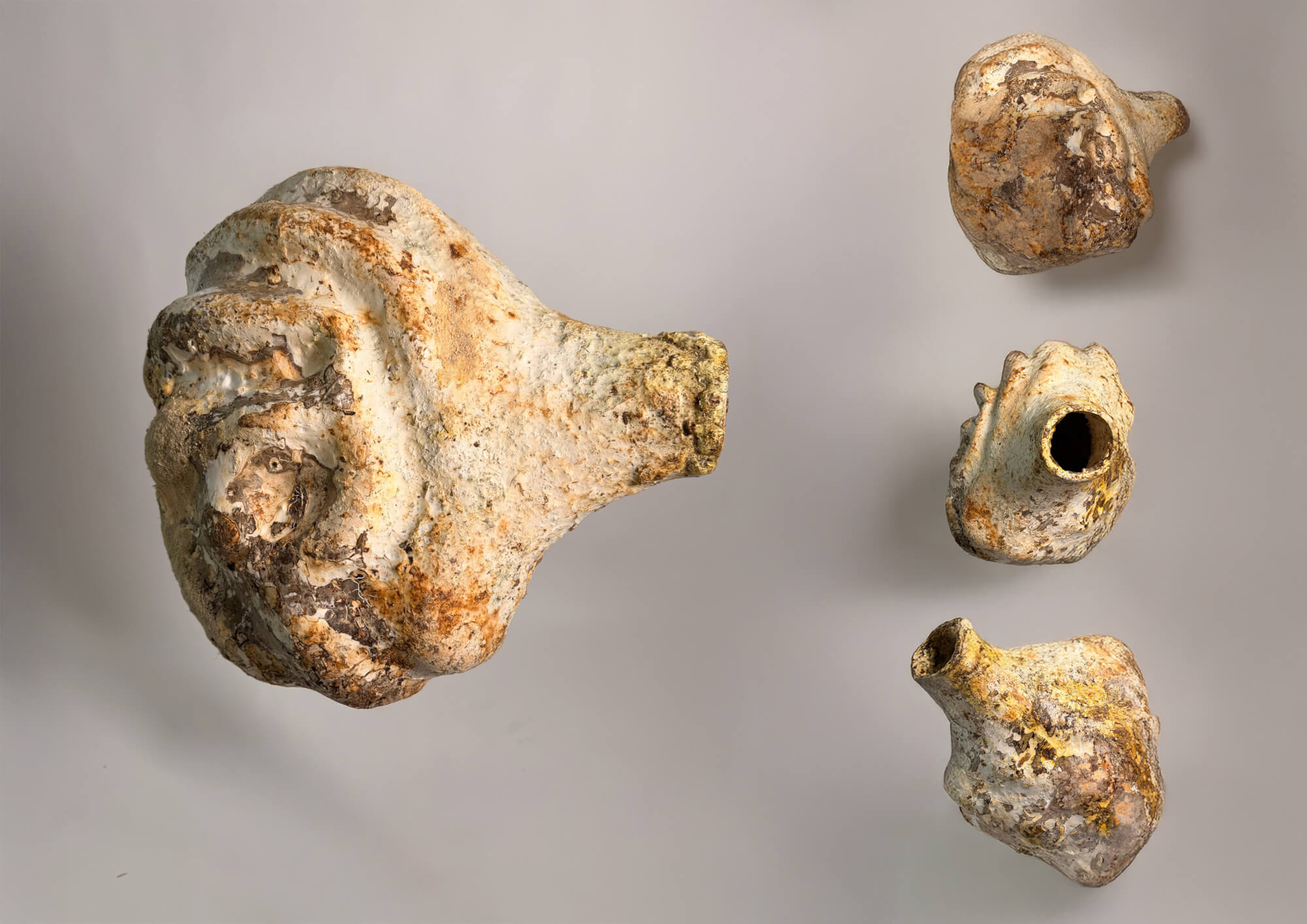
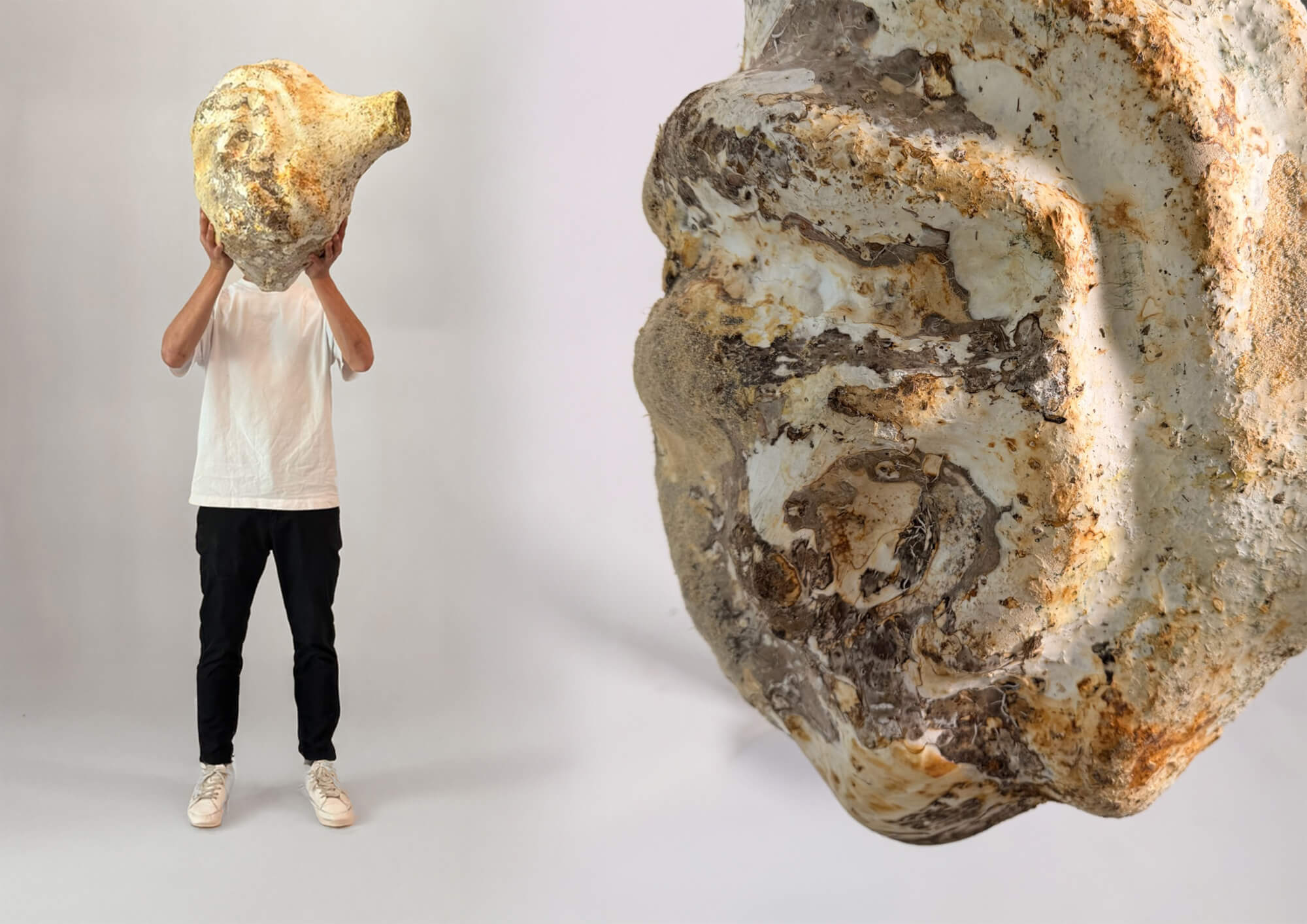
  • Internal geometry follows glider biology. The 3D-printed wood-composite scaffold serves as both permanent structure and formwork, eliminating demoulding and reducing formwork waste. Mycelium is cultivated directly over the scaffold, fusing with exposed wood fibres to form a layered composite. Modular components are geometrically interlocked and left for mycelium to grow across each join, fusing them into a seamless whole. A critical discovery, that a high-CO2 growing environment drives aerial mycelium spread across exterior surfaces, achieved full exterior colonisation. The result is a physically deployable, tree-mounted mycelium hollow: proof of concept for an entirely new bio-fabrication approach to wildlife habitat design.

  • The Living Hollow establishes a new bio-fabrication approach to wildlife habitat design with broad conservation implications. Environmentally, it offers a biodegradable, carbon-friendly alternative to synthetic nest boxes, directly addressing hollow shortages for gliders in fire-affected and logged landscapes. Societally, the project advances habitat restoration practice through an interdisciplinary model combining architecture, ecology, and material science, in partnership with WWF-Australia. The manufacturing approach, mycelium grown over a 3D-printed scaffold, is scalable and adaptable beyond gliders to other hollow-dependent species, positioning The Living Hollow as a replicable conservation tool for Australia's hollow-depleted forests.

  • The Living Hollow integrates several innovations across design, biology, and fabrication.Scaffold as formwork: The 3D-printed wood-composite scaffold eliminates conventional demoulding by remaining permanently embedded. This resolves a fundamental fabrication constraint, that a hollow where the interior cavity exceeds the entry opening cannot be conventionally demoulded, while simultaneously reducing material waste and enabling complex organic geometries.Biological joint fusion: Modular components are geometrically interlocked and biologically sealed as live mycelium colonises across each joint, creating a seamless composite structure without adhesives or mechanical fasteners.Hypercapnic colonisation: Early trials in open greenhouse conditions failed to achieve exterior mycelium growth. A critical discovery established that restricted gas exchange, achieved with sealed polypropylene bags containing microporous filter patches, drives aerial mycelial spread across exterior surfaces, achieving full colonisation without conventional substrate filling.Species-informed design: Internal geometry, entry aperture, tunnel angle, and surface texture are derived directly from glider biology, maximising habitat suitability and grip for arboreal movement.Carbon-friendly lifecycle: The mycelium-wood composite is biodegradable, returning to the soil at the end of life with no synthetic waste.Field deployment: The prototype is ethics-approved under Swinburne University's Animal Ethics Committee and deployed on a living eucalyptus at Birdsland Reserve, Victoria, in partnership with WWF-Australia.