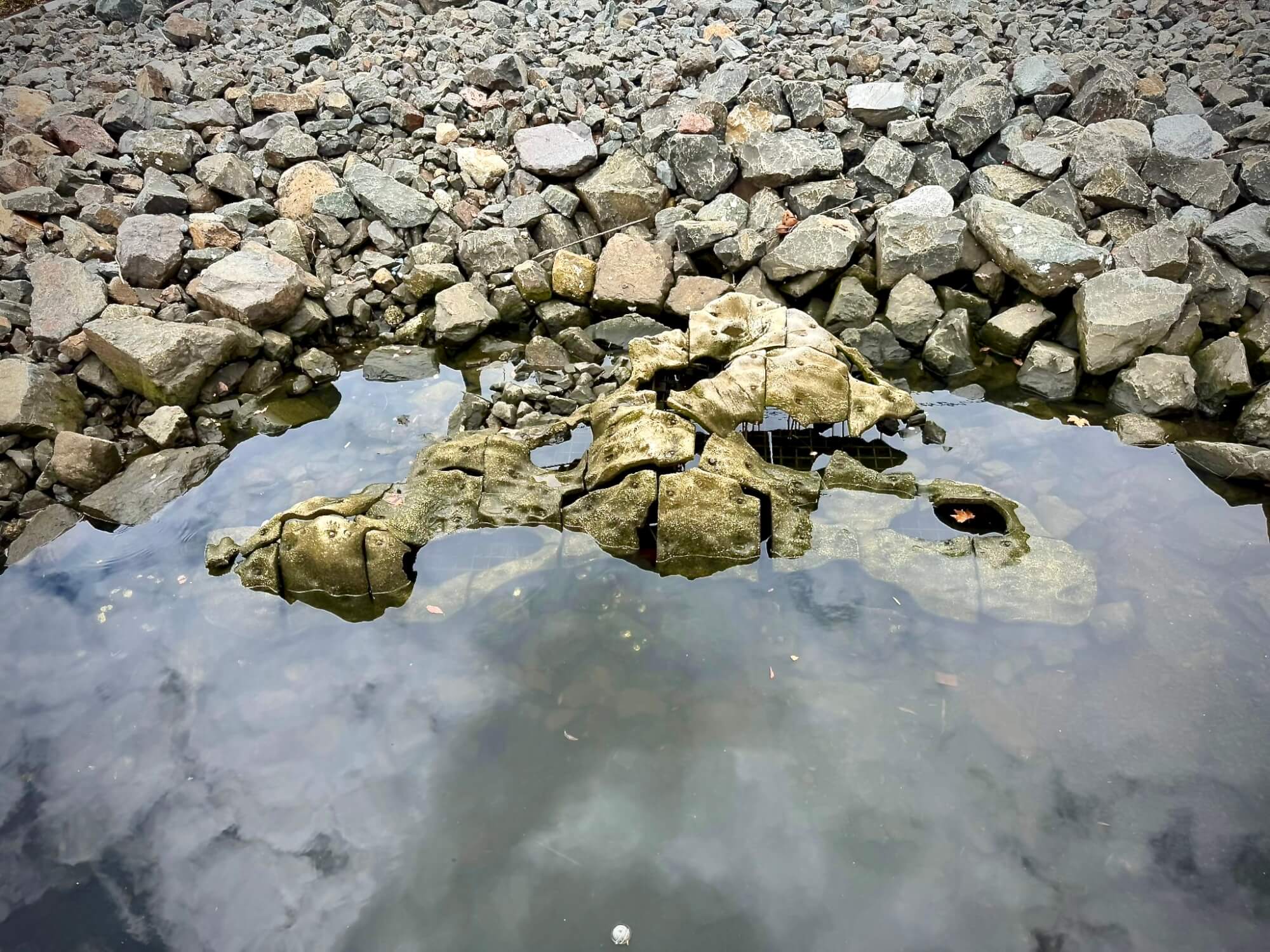
BioShelter – Designing an Artificial Reef to Restore Marine Diversity in Sydney’s Harbour

good-design-award_best-in-class_rgb_blk_logo
  • 2026

  • Design Research

Designed In:

Australia

An increasing number of people are living in coastal cities. With the increasing need for habitats, shorelines are moving outwards to increase space. This fosters the destruction of marine life habitats and diminishes biodiversity. BioShelter counterbalance this through artificial seawalls computationally designed using site-specific marine biology data, fabricated by robots.

view website

2.jpg
BioShelter at Sydney Fish Market at low tide (C) Christopher Bamborough UNSW
3.jpg
Computational Model of BioShelter
4.jpeg
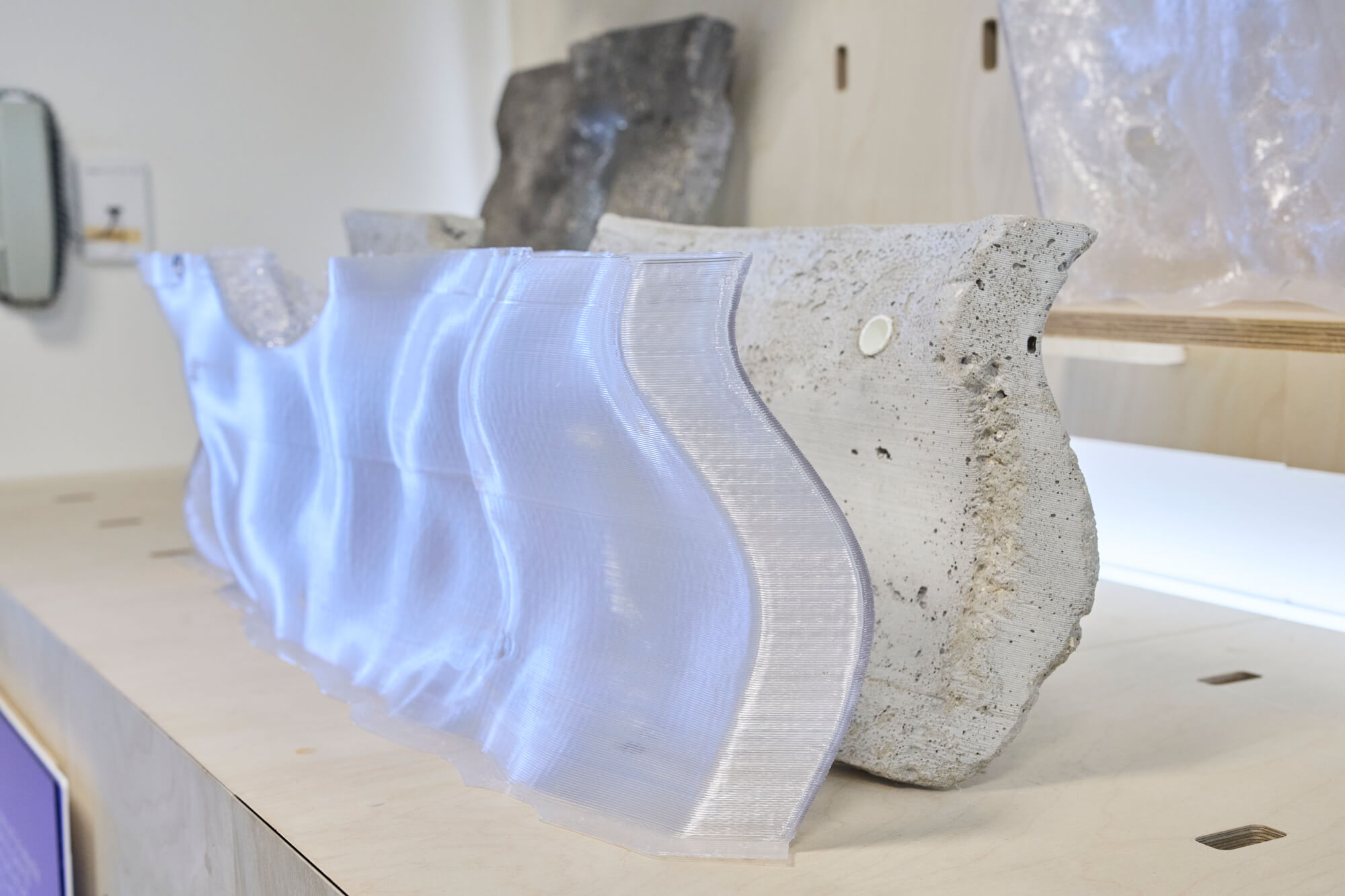
Detail view of BioShelter exhibited in the BE Gallery (C) M. Hank Haeusler
5.jpeg
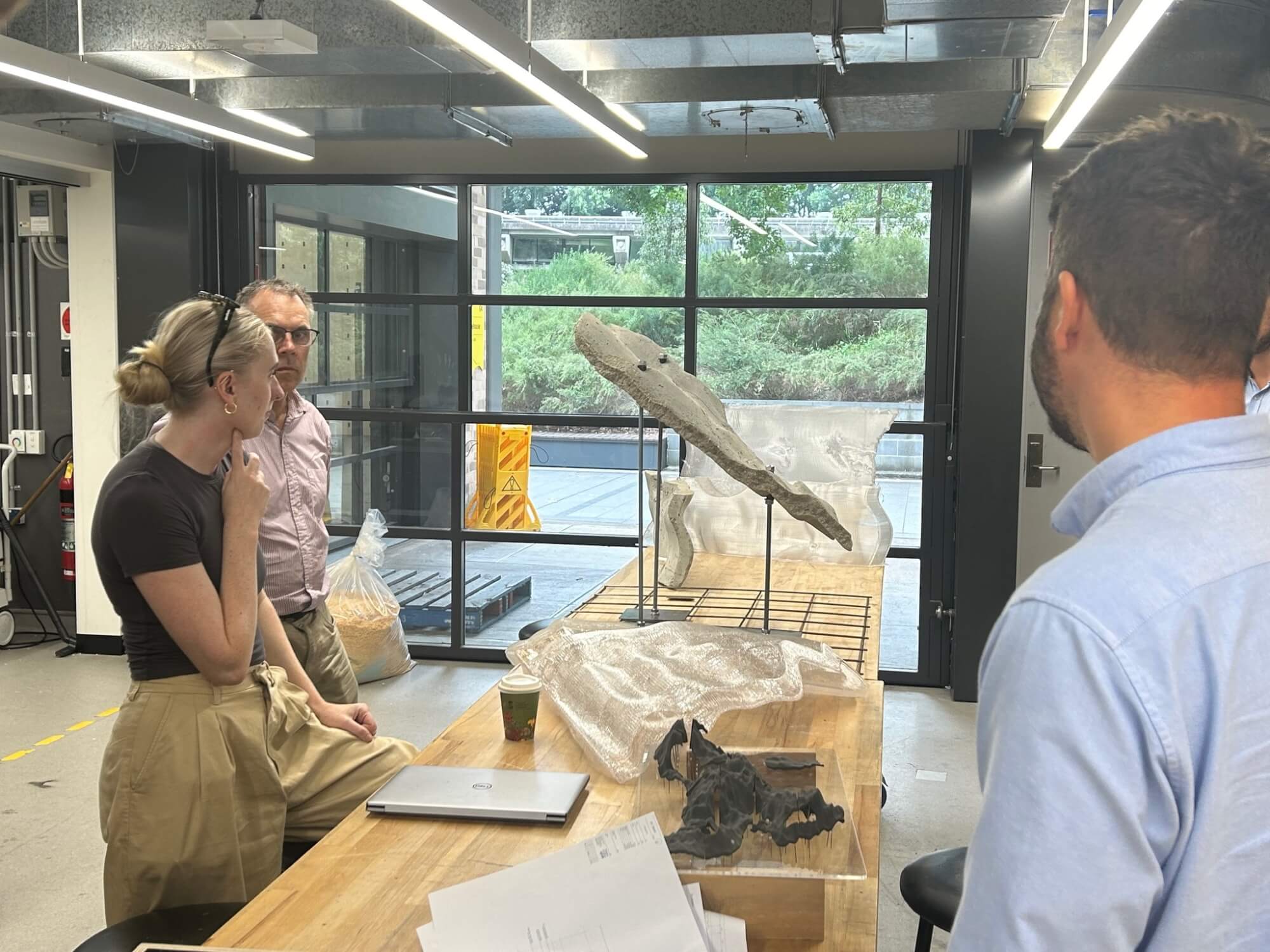
Discussions with clients in the robotic fabrication lab at UNSW's Design Futures Lab (C) M. Hank Haeusler UNSW
6.jpeg
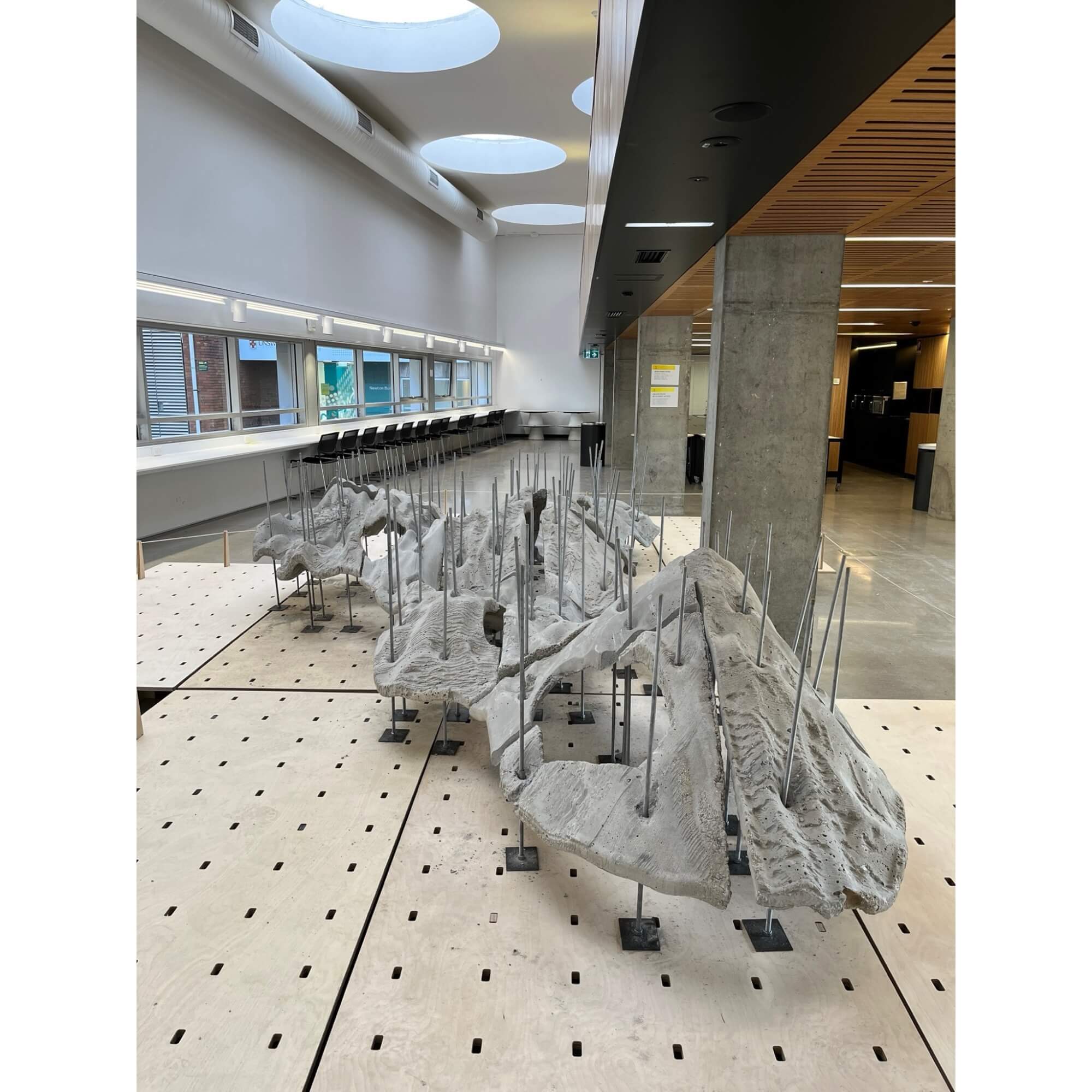
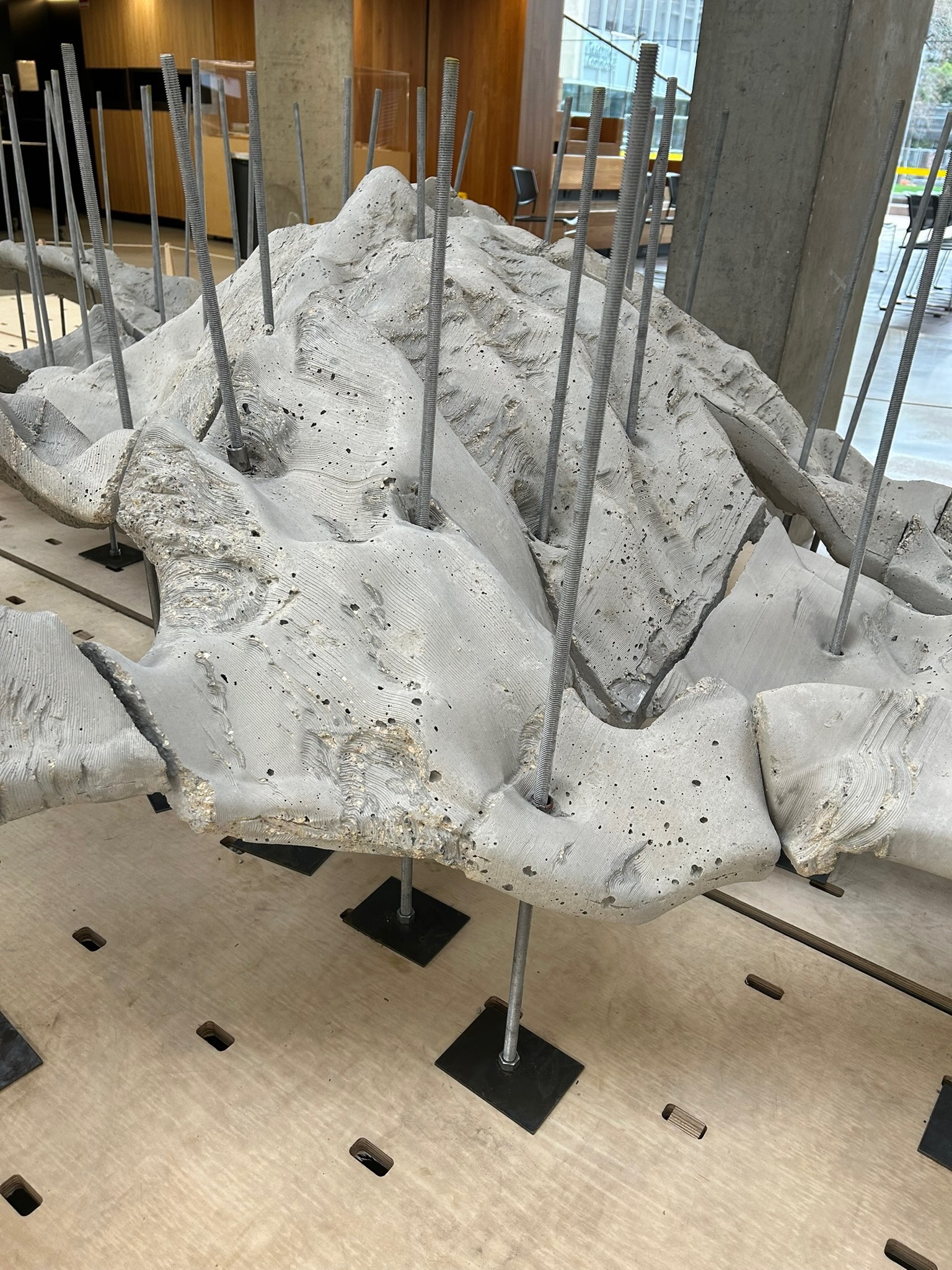
Pre-installation test at UNSW's BE gallery to trial onsite assembly (C) UNSW
7.jpeg
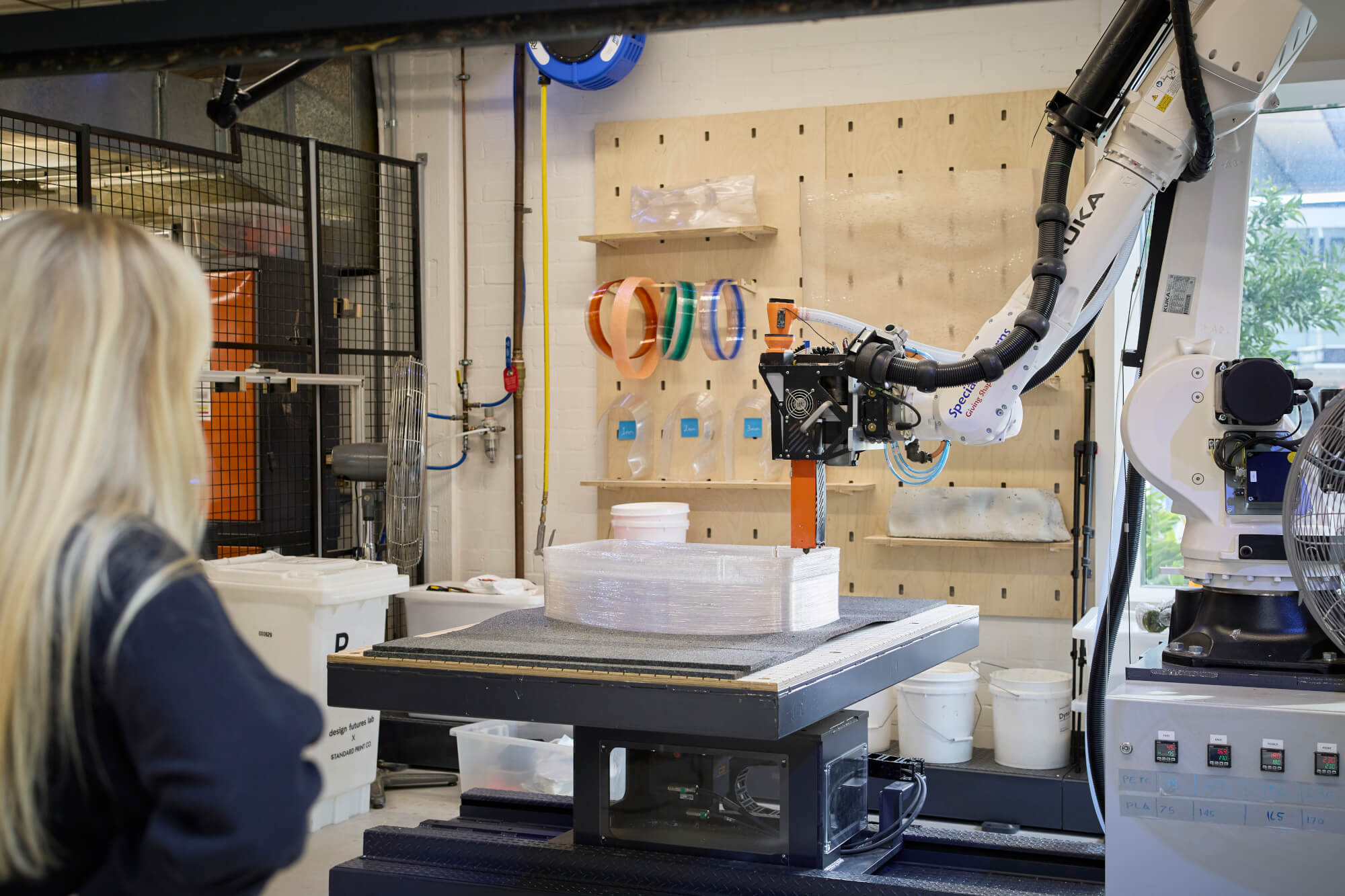
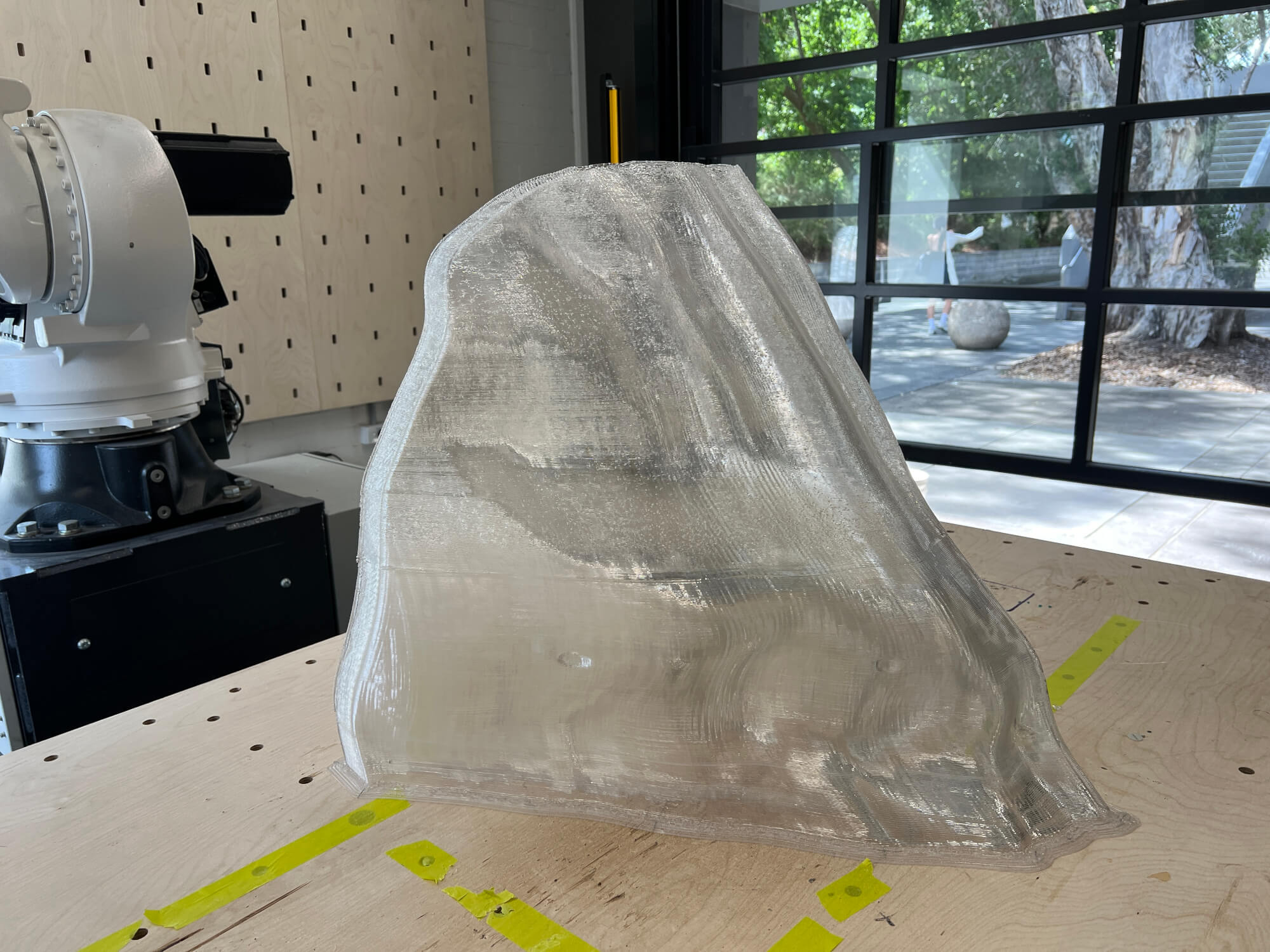
one of the 25 3D printed moulds using UNSW's robotic fabrication facilities (C) Louis Lamont UNSW
8.jpeg
Robotic Fabrication of mould at UNSW using recycled plastic (C) Richard Freeman UNSW
  • CHALLENGE
  • SOLUTION
  • IMPACT
  • MORE
  • An increasing number of people are living in cities. This shift away from rural, or non-urban setting into cities is known as rapid urbanisation, a growing global challenge, requiring more infrastructure, housing and space for people primarily in coastal regions. With the increasing need for space in coastal cities, borders like shorelines are moving outwards to increase availability. A byproduct of these processes includes destruction of natural habitats for marine life, diminished biodiversity, polluted rivers and harbours. This challenges us in designing habitats for non-human species and to restore inner city harbours into marine ecosystems to enhance marine biodiversity.

  • BioShelter restores natural habitats for native species by improving the water quality of a harbour. Each BioShelter is unique and custom-made for its marine ecosystem. Site-specific marine biology data representing the local biodiversity provide the ‘design instruction’ for the artificial seawall. Our designed and developed software will use these marine biology data to generate computationally designed models that marine biologists can assess. The software also generates fabrication information for the robot to 3D print the seawall using custom-made sustainable materials and provides feedback in the design state on fabrication time and cost of the BioShelter installation.

  • BioShelter is now in its third iteration. It started as Iteration 1.0 in 2016-17 with translating data that described the Sydney common natural rocky shoreline and its key-habitat forming organisms. Iteration 2.0 (2018-21) produced an artificial habitat for marine species situated underneath Anzac bridge in Pyrmont verifying the data-driven design process. Current, presented Iteration 3.0 (2022-24) builds on the existing research with its geometry redesigned for the new Sydney Fish Market. Focus of this iteration was on the robotic fabrication using 3D printing. Upcoming Iterations have the potential to become a commercial product available for urban waterfronts to enhance biodiversity.

  • Each BioShelter is a unique and novel product using a dynamic data-driven design to fabrication approach. As data input we studied common natural rocky shoreline showing the key-habitat forming organisms that in many instances are absent from or sparse on manmade seawalls. Through these marine biology data, as ‘design instruction’ for the artificial seawall, our software designs a site- and species-specific three-dimensional structure. As we can generate different three-dimensional physical outcomes, we can innovate on the usual 2D/2.5D habitat tiles of green seawalls, offering habitats beyond oysters and barnacles but also to native fish species. We then generate computationally designed virtual models and renders that marine biologists can assess and comment to adjust design if needed. The software also provides fabrication information for the robot to 3D print the seawall using custom-made sustainable materials and provides feedback in the design state on fabrication time and cost of the BioShelter installation. For human handling during installation the software can break down the 3D geometry into unique robotically 3D printed tiles with maximum weight and dimension. Our data-driven design to fabrication approach has been tested and verified with the Sydney Fish Market installation and research towards commercial fabrication is now in progress.