Strategic Design and Procurement for Melbourne’s New Trains and Trams

good-design-award_gold-winner_rgb_blk_logo

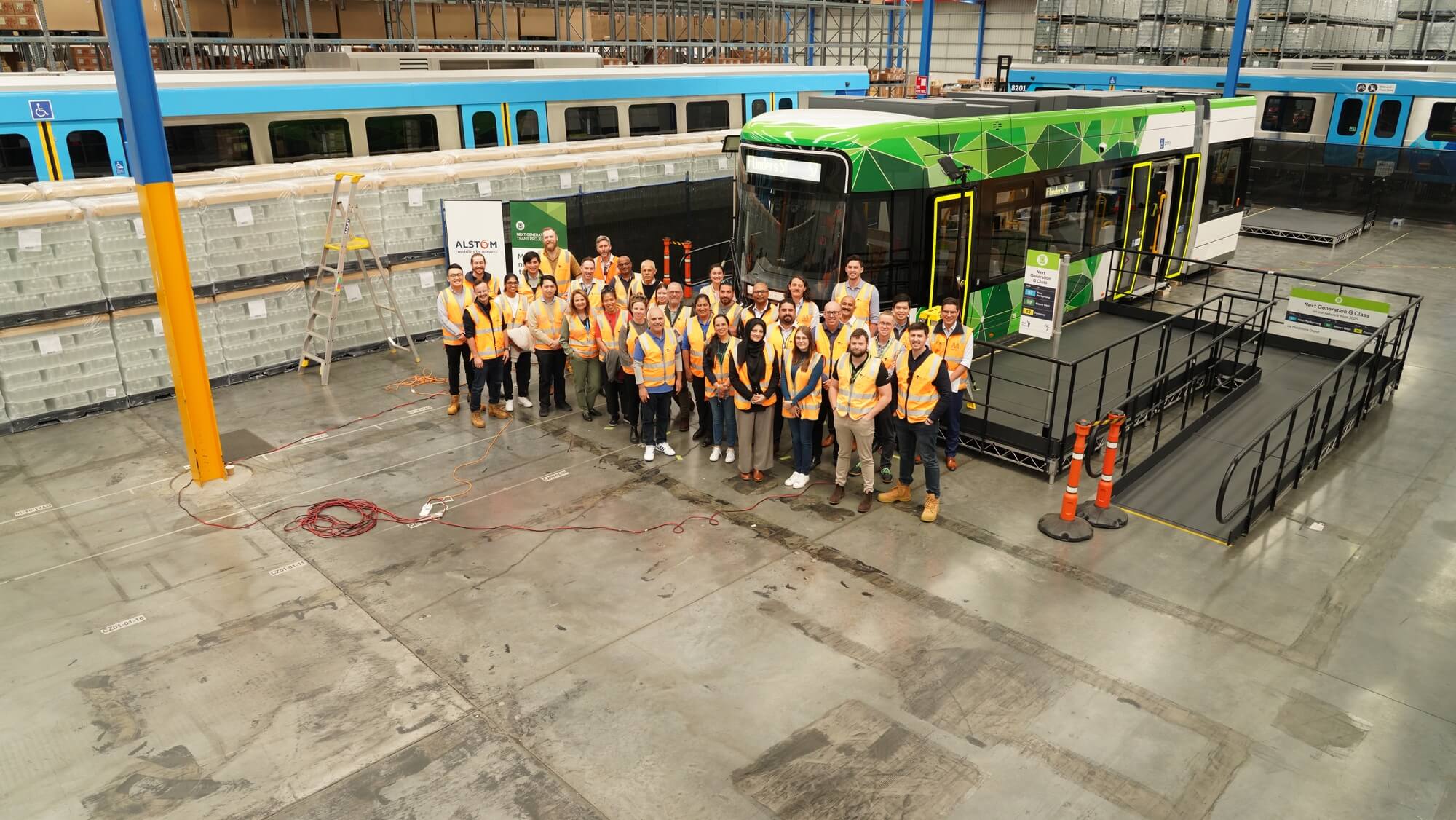
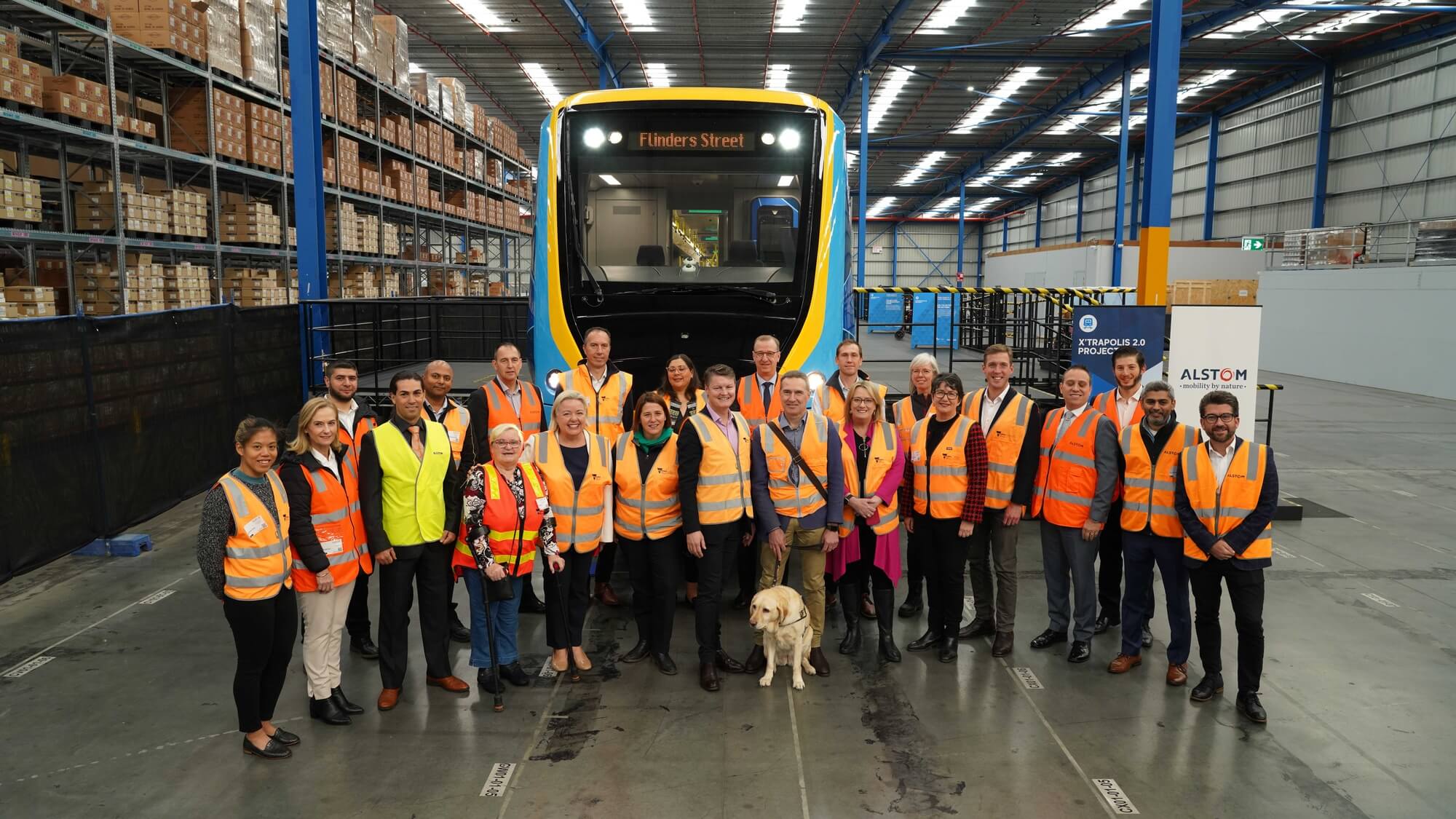
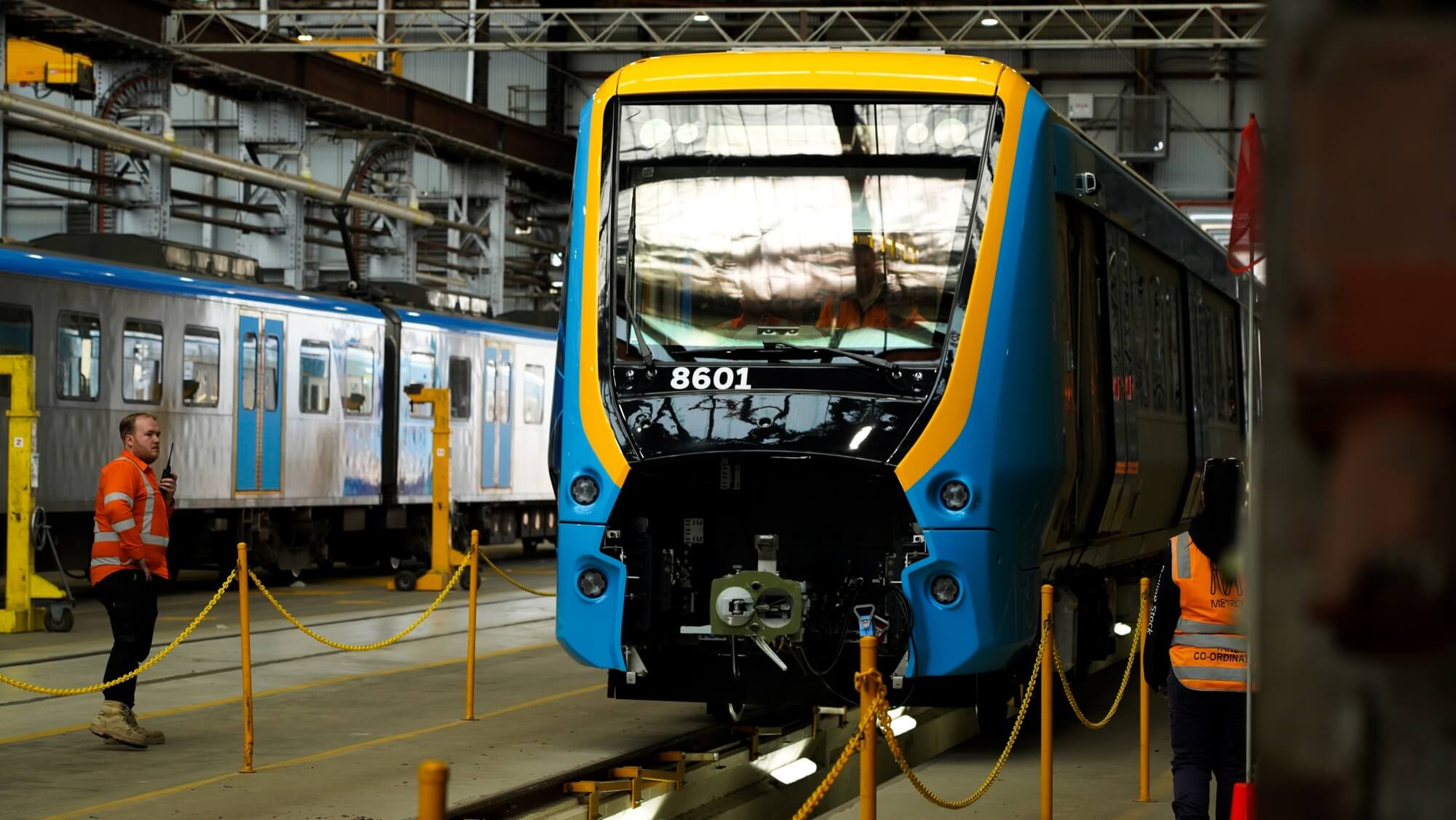
The Victorian Government’s Department of Transport and Planning (DTP) has fundamentally shifted its design strategy for procurement and delivery of new trains and trams for Melbourne, with a comprehensive client-led approach for the new X’Trapolis 2.0 trains and G Class tram projects.
view website

2.jpg
Adam Chandler / Victorian Department of Transport and Planning
3.jpg
Lachlan Smith / Victorian Department of Transport and Planning
4.jpg
Adam Chandler / Victorian Department of Transport and Planning
5.JPG
Lachlan Smith / Victorian Department of Transport and Planning
  • CHALLENGE
  • SOLUTION
  • IMPACT
  • MORE
  • Over more than 170 years, Victoria has used several different methods to procure and maintain new trains and trams for the state. Past selection of standard designs from manufacturers – without adequate customisation to local conditions – has led to extra costs and work to ensure they are technically suitable and meet local needs. Custom designs built in-house, or use of unproven components also introduced challenges.Today purchasing large state-of-the-art machines like trains and trams is more complex than ever before; with end-user needs often not fully considered in the finished designs.

  • Commencing with procurement for new X’Trapolis 2.0 (XT2) trains and continuing with the next-generation G Class trams, DTP’s design strategy now comprises client-side engineering, contract, industrial design, and technical capability; and embedding end-user stakeholder engagement into vehicle design refinement.This has supported more robust procurement processes, development of highly detailed client requirements, and early-contractor involvement before competitive tenders are called. It has also ensured the Victorian Government is an informed and active buyer, more involved in all stages of both the procurement lifecycle and the manufacturing process; and that the finished rolling stock better meets passenger and operator needs.

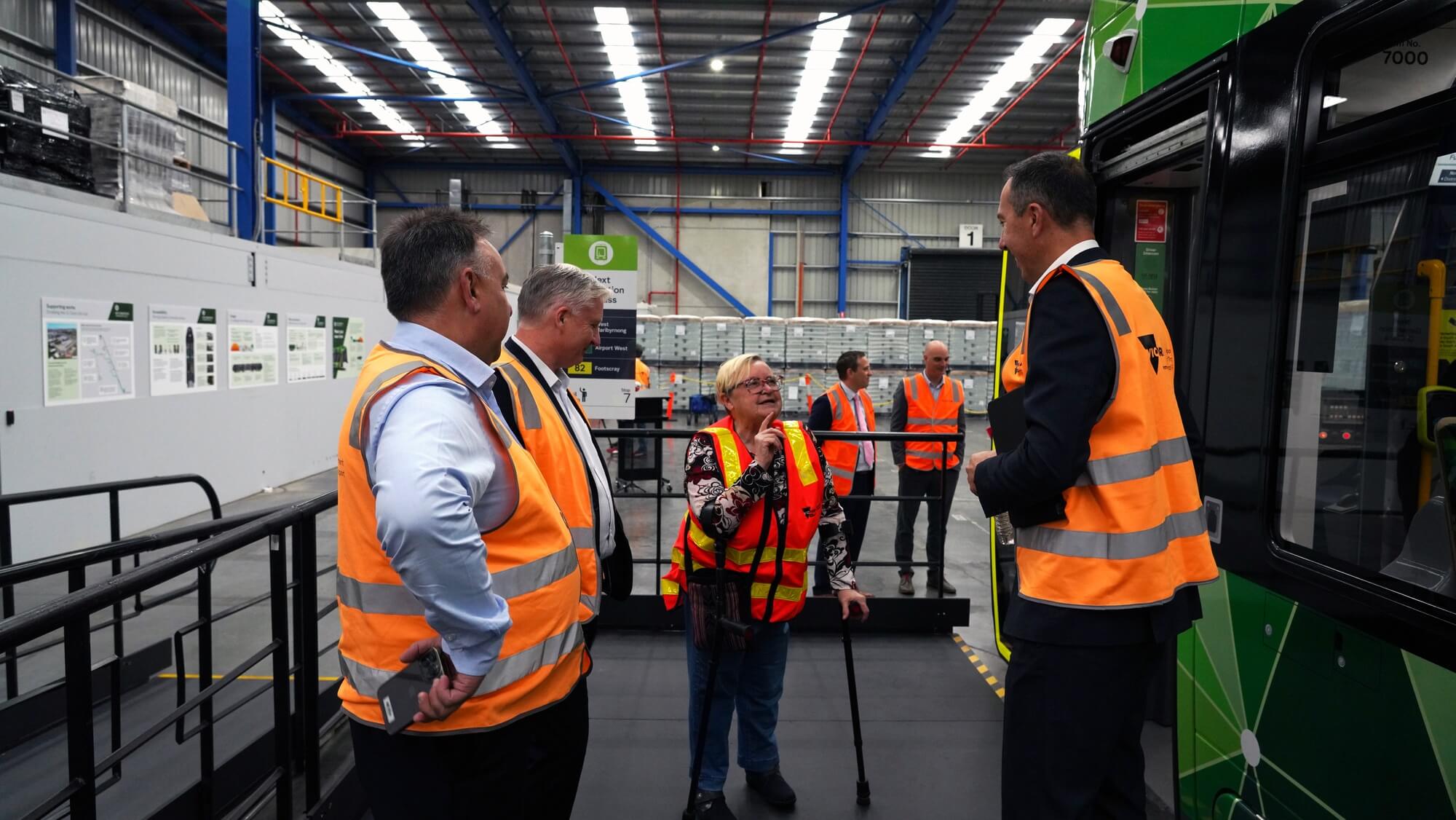
  • Across both projects, the Victorian Government was able to specify the use of proven vehicle designs and components after evaluating their use on other networks and jurisdictions; and to convey to potential manufacturers the state’s needs and expectations clearly for required customisation. This helped to de-risk manufacturing and delivery; and to support the greatest chance of a successful product from the start of manufacturing.Baking best-practice and award-winning stakeholder engagement and co-design processes into the contracts from an early stage of design has also ensured the finished vehicles better reflect accessibility, passenger, technical, and vehicle operator needs.

  • Both projects include the use of proven components and vehicle outline designs; and accessibility/passenger amenities that build on successful local and international design features to deliver trains and trams better suited to local needs and conditions. This improves on some earlier fleets that were manufactured overseas and specified without required customisations.The new X’Trapolis 2.0 trains introduce improvements from previous fleets delivered to Melbourne and other local and international experience; including improved suspension and onboard passenger amenities.The new G Class trams are based on the Alstom Flexity 2 platform, with significant improvements and customisations suited for Melbourne’s tram network including solid axles, rotating bogies (wheelsets), and more passenger doors along each body side.These features were specified in the Interactive Development Process (early contractor involvement) phase which is a key part of this design strategy. It enabled the Victorian Government to be a more informed buyer and also better inform manufacturers’ proposals.The XT2 and G Class vehicles are also more energy-efficient and space optimised, and designed to operate across Melbourne’s train and tram networks without the need for expensive infrastructure, track, or power system upgrades, ensuring they can be introduced much sooner.