Mechamimicry: A Prototyping Toolkit for Human-Robot Interaction Design

good-design-award_gold-winner_rgb_blk_logo

The Mechamimicry Prototyping Toolkit is a modular, sensor-embedded human-robot interaction prototyping toolkit that lets organisations physically simulate robot-assisted workflows through puppeteering, bodystorming, and roleplay methods before investing in real hardware. This human-centred design approach enables embodied, situated, and participatory human-robot interaction design across clinical, industrial, and educational contexts.
view website

2.jpg
3.jpg
4.jpg
5.jpg
6.jpg
7.jpg
  • CHALLENGE
  • SOLUTION
  • IMPACT
  • MORE
  • Organisations adopting collaborative robotics face a fundamental problem: development processes privilege technical performance over situated practice, producing systems optimised for work-as-imagined rather than work-as-done. The embodied, spatial, and procedural knowledge that clinicians, technicians, and operators carry, knowledge critical to safe and effective robotic integration, resists capture through boardroom reviews, CAD models, or virtual simulations. Yet without methods to surface this expertise early, design decisions are made without it, displacing the burden of adaptation onto users after deployment. What is needed are low-cost approaches to facilitate interdisciplinary dialogue early in the design process before costly development and integration commitments are made.

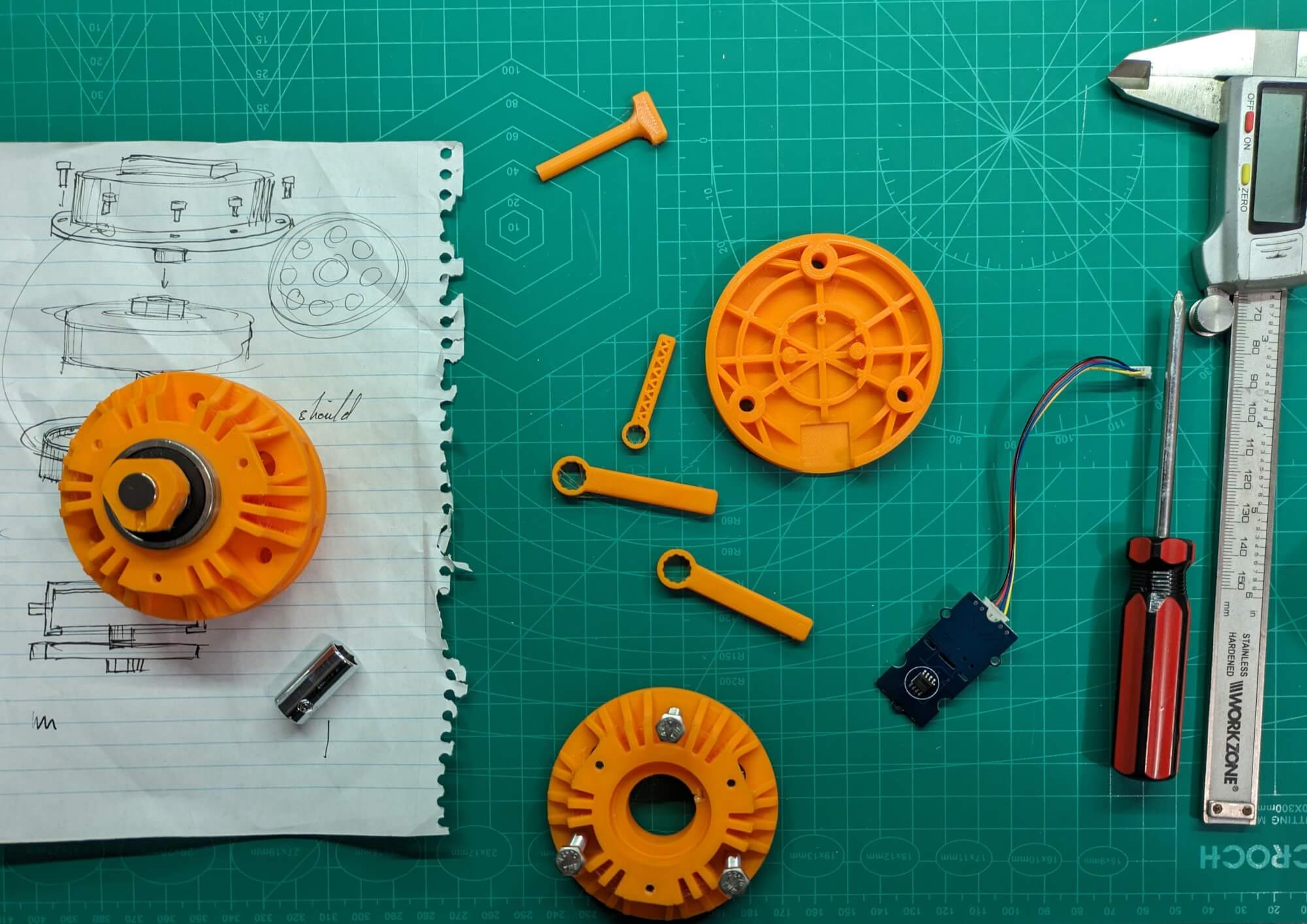
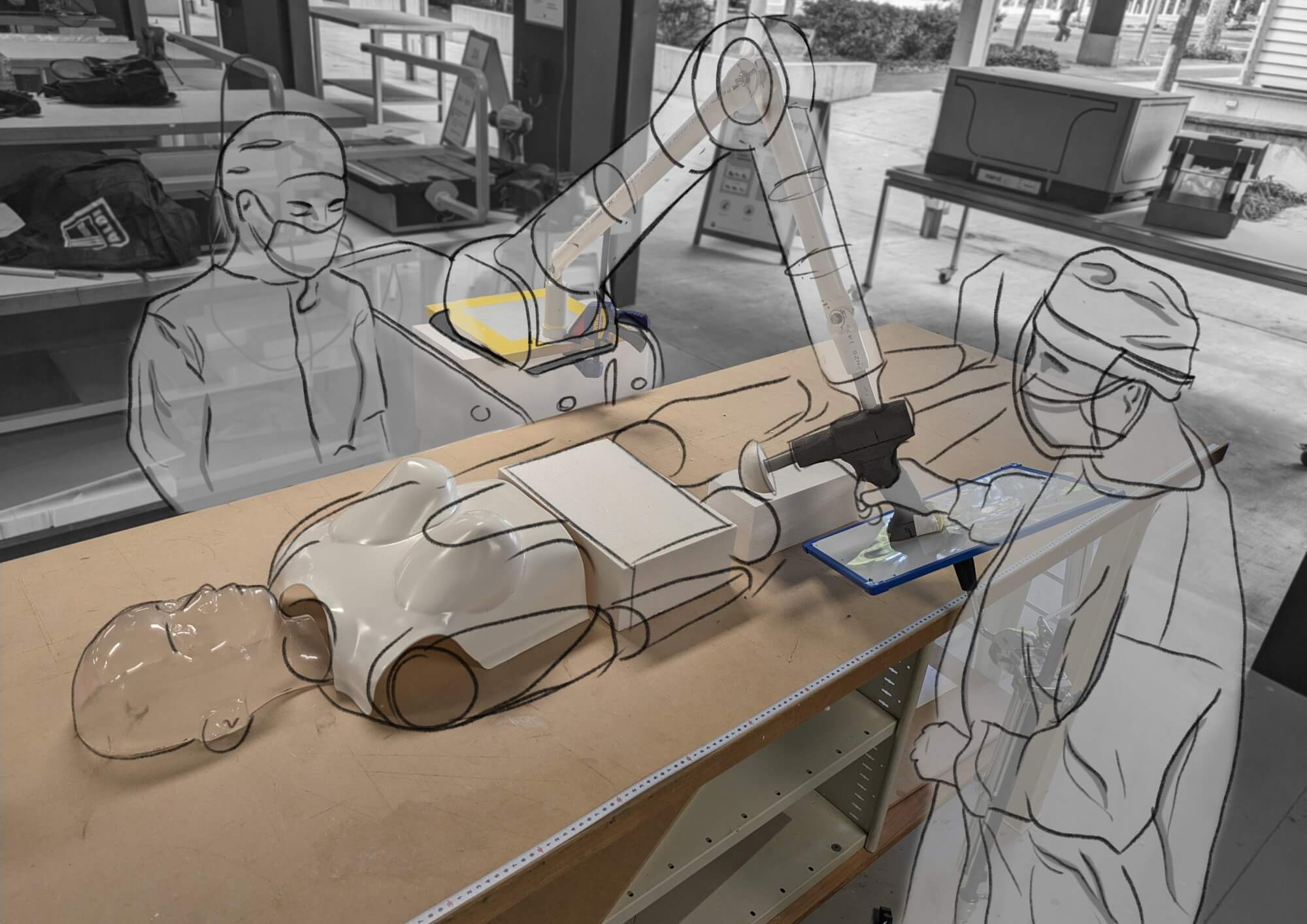
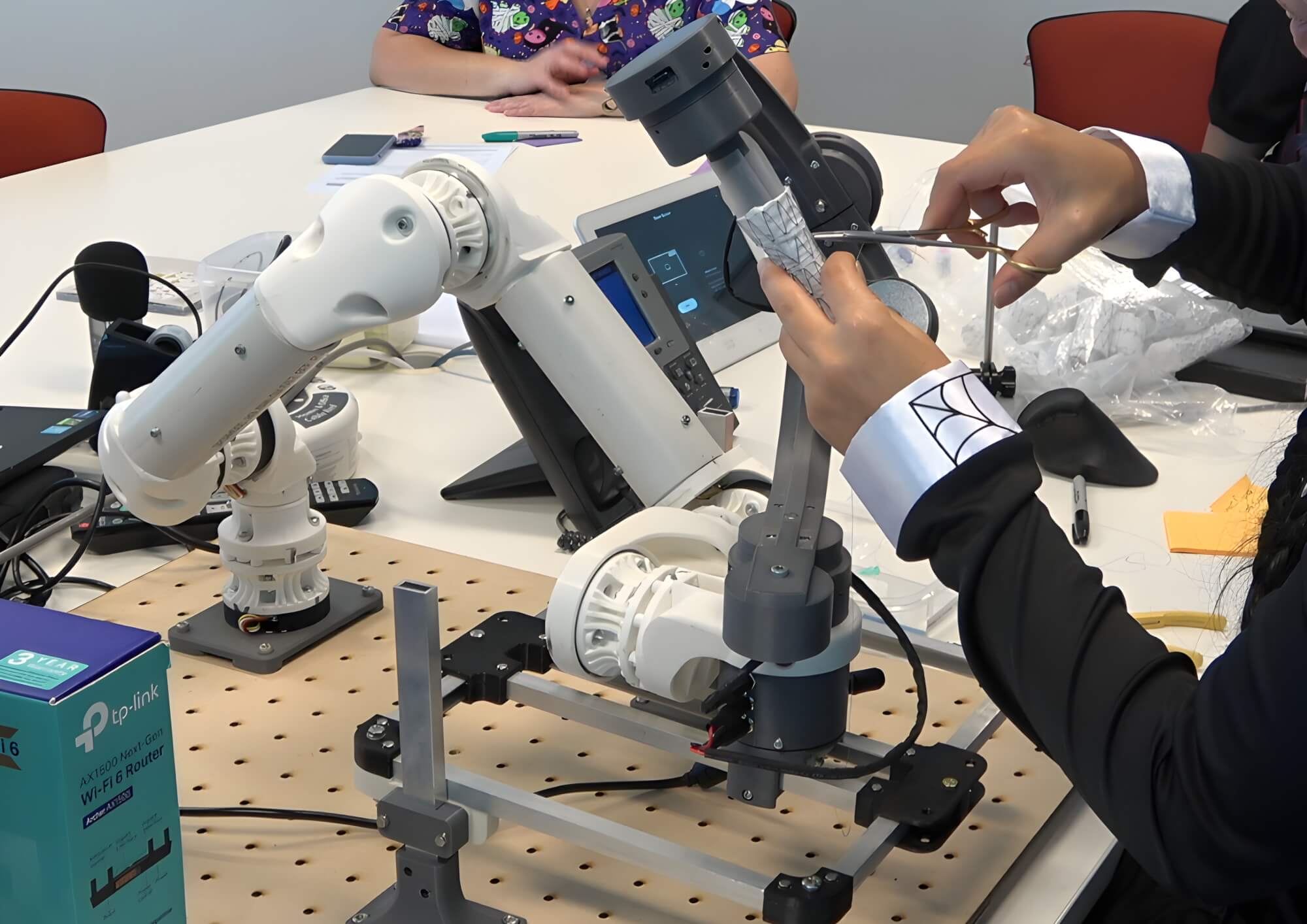
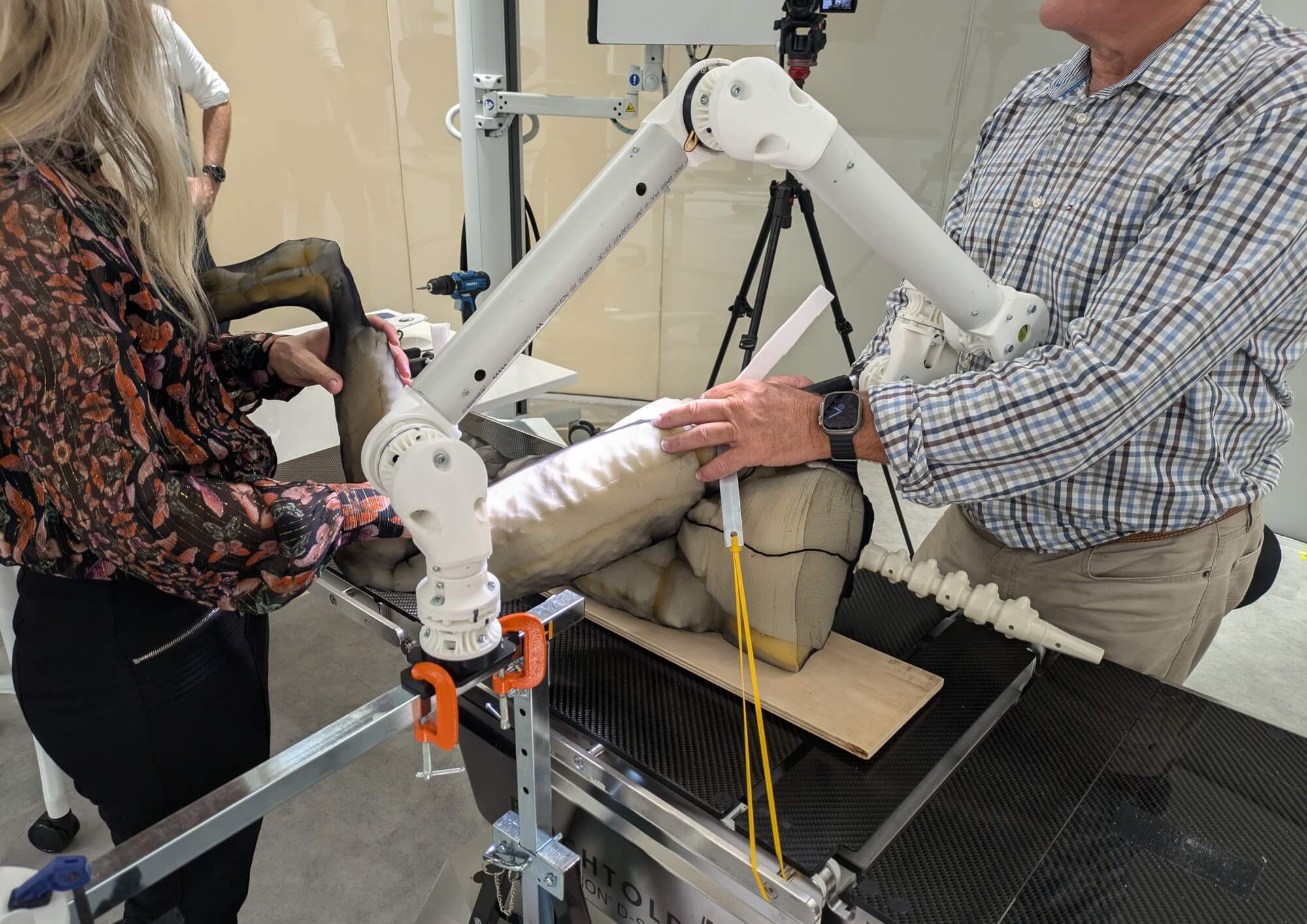
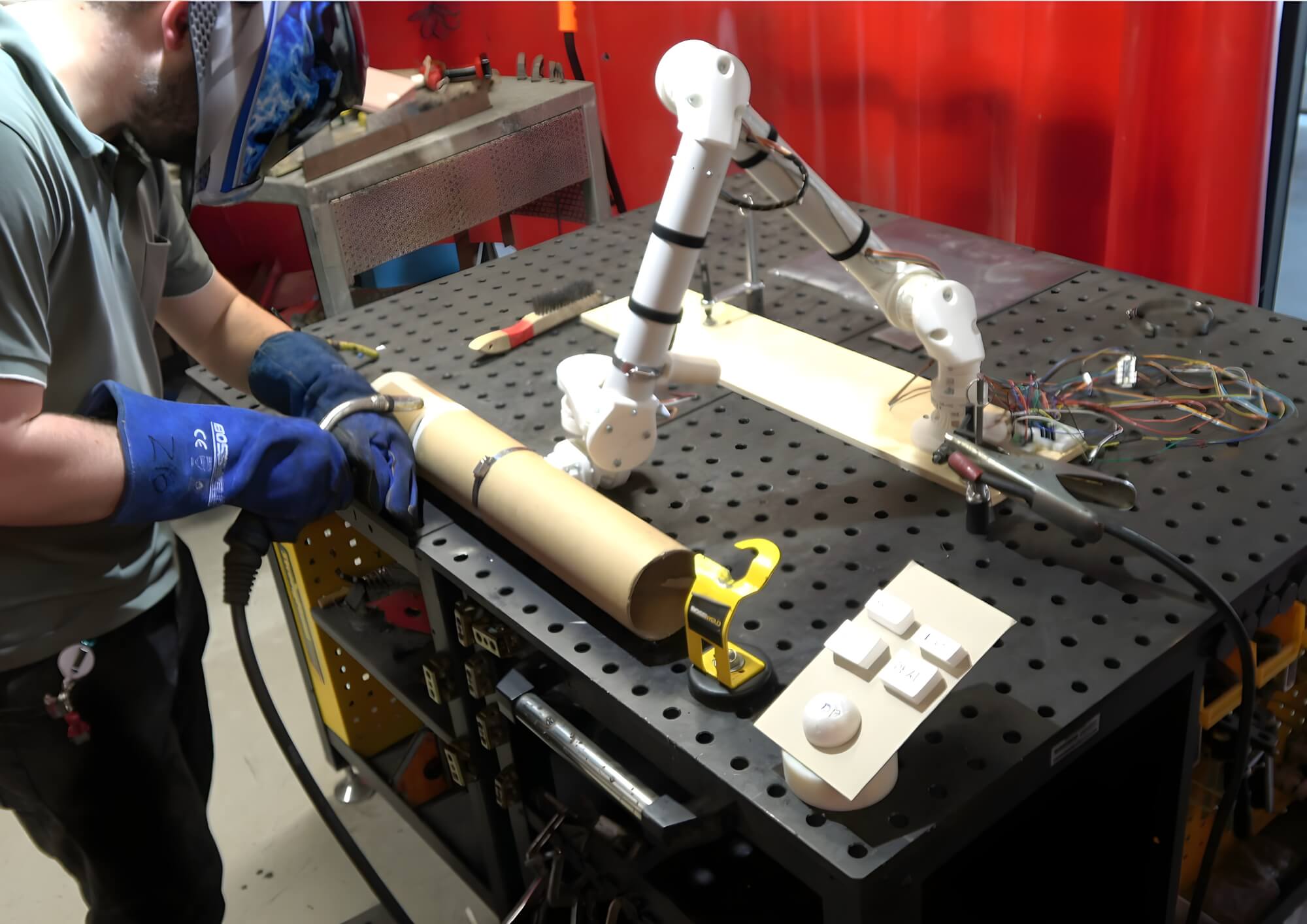
  • The Mechamimicry Prototyping Toolkit addresses this through embodied, participatory co-design. Its centrepiece, the Kinematic Puppet, is a modular robot prototyping tool built from low-cost 3D-printed sensor-embedded joints and PVC pipe linkages, reconfigurable into different robot forms with custom end-effectors. Rather than describing or simulating robotic workflows abstractly, domain experts physically enact them, puppeteering the robot, roleplaying interactions, and bodystorming spatial and procedural constraints in context. Embedded sensors enable real-time digital twin control and motion capture for post-session analysis. Supporting documentation methods, and contextual toolkit elements tailored to each deployment, make the methodology transferable across clinical, industrial, and educational settings.

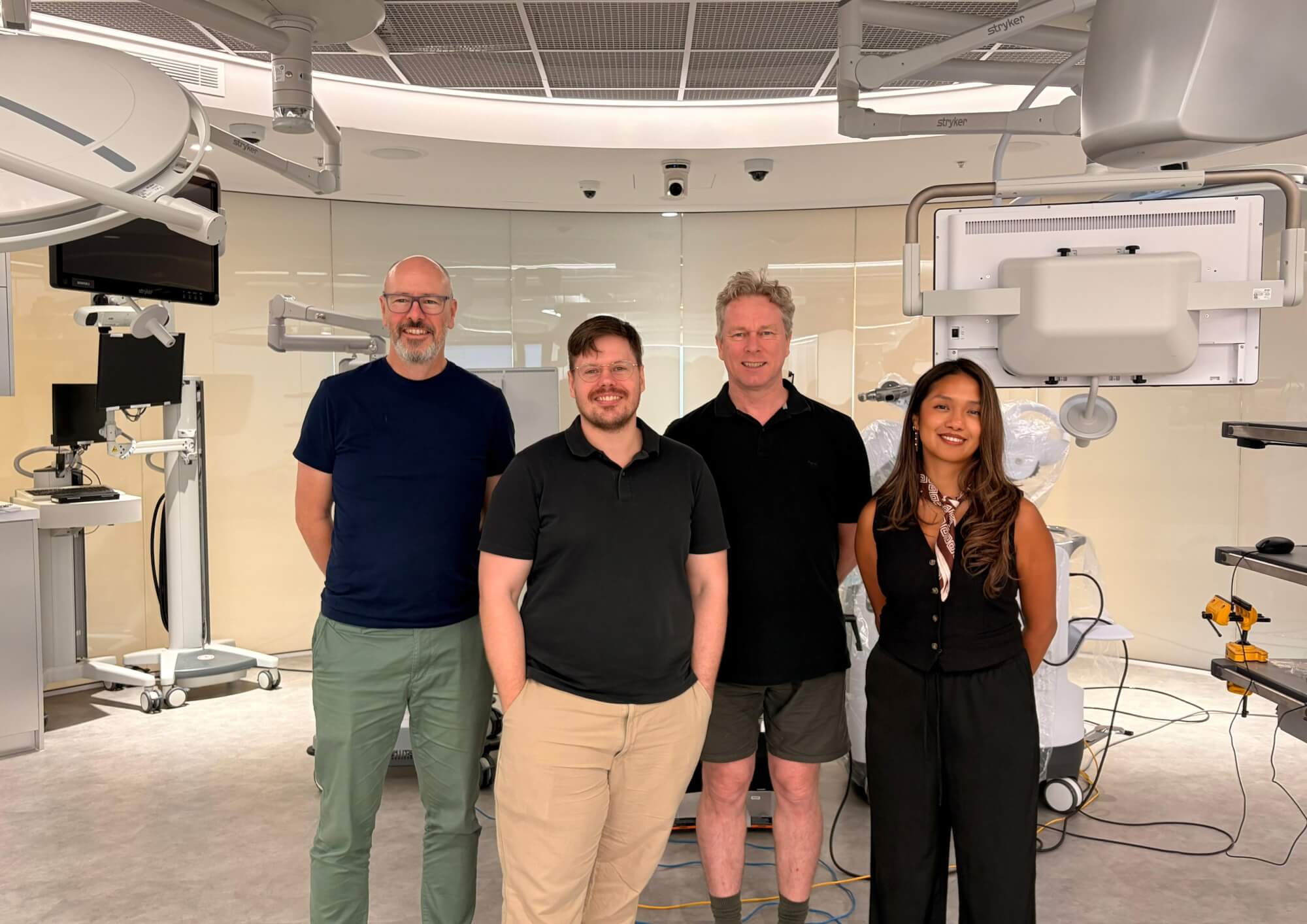
  • The toolkit has been deployed and validated across surgical robotics (Stryker), medical manufacturing (Cook Medical), and engineering education (UTS), demonstrating cross-sector scalability. At each site it ensured domain experts were central to development conversations, improved multidisciplinary communication, and helped reduce downstream integration risk. UTS has permanently adopted the toolkit for both teaching and industry-aligned research. The work received Best Technical Demonstration at the HRI 2025 conference and the Australian Cobotics Centre's 2025 Industry Champion Award. Open-source and low-cost, the toolkit democratises early-stage HRI prototyping and research, lowering barriers for Australian organisations of all sizes to engage meaningfully with robotic adoption.

  • Mechamimicry: A novel design research contribution defining a class of embodied prototyping practice in which tangible robot models are used as physical props for puppeteering, bodystorming, and roleplay. Mechamimicry provides a shared physical language for interdisciplinary teams, enabling clinicians, engineers, and operators to reason together about robotic integration through making and doing.Kinematic Puppet: A modular, reconfigurable robot prototyping tool built from low-cost 3D-printed sensor-embedded joints and PVC pipe linkages. Its accessible construction and adaptable architecture lower the barrier to meaningful participation, allowing domain experts to engage directly with robot form and behaviour without specialist technical knowledge.Contextual Toolkit Assembly: Supporting props, domain-specific end-effectors, and documentation tools are assembled around each deployment context, ensuring the methodology meets practitioners in their own environment rather than abstracting them away from it.Physical-Digital Integration: Embedded joint sensors enable real-time digital twin control, bridging physical enactment and virtual simulation to support both in-session exploration and post-session reflection and analysis.Hybrid Capture Methods: Sketch-noting, video annotation, and kinematic data capture translate embodied session insights into communicable artefacts that inform subsequent engineering decisions and system requirements.Open-Source: Free design files ensure the methodology is accessible to organisations of all sizes, democratising participation in human-centred robotics design.