Inclusive, Augmented Typography for University Students with Dyslexia

good-design-award_winner_rgb_blk_logo
  • 2026

  • Design Research

Designed By:

Designed In:

Australia

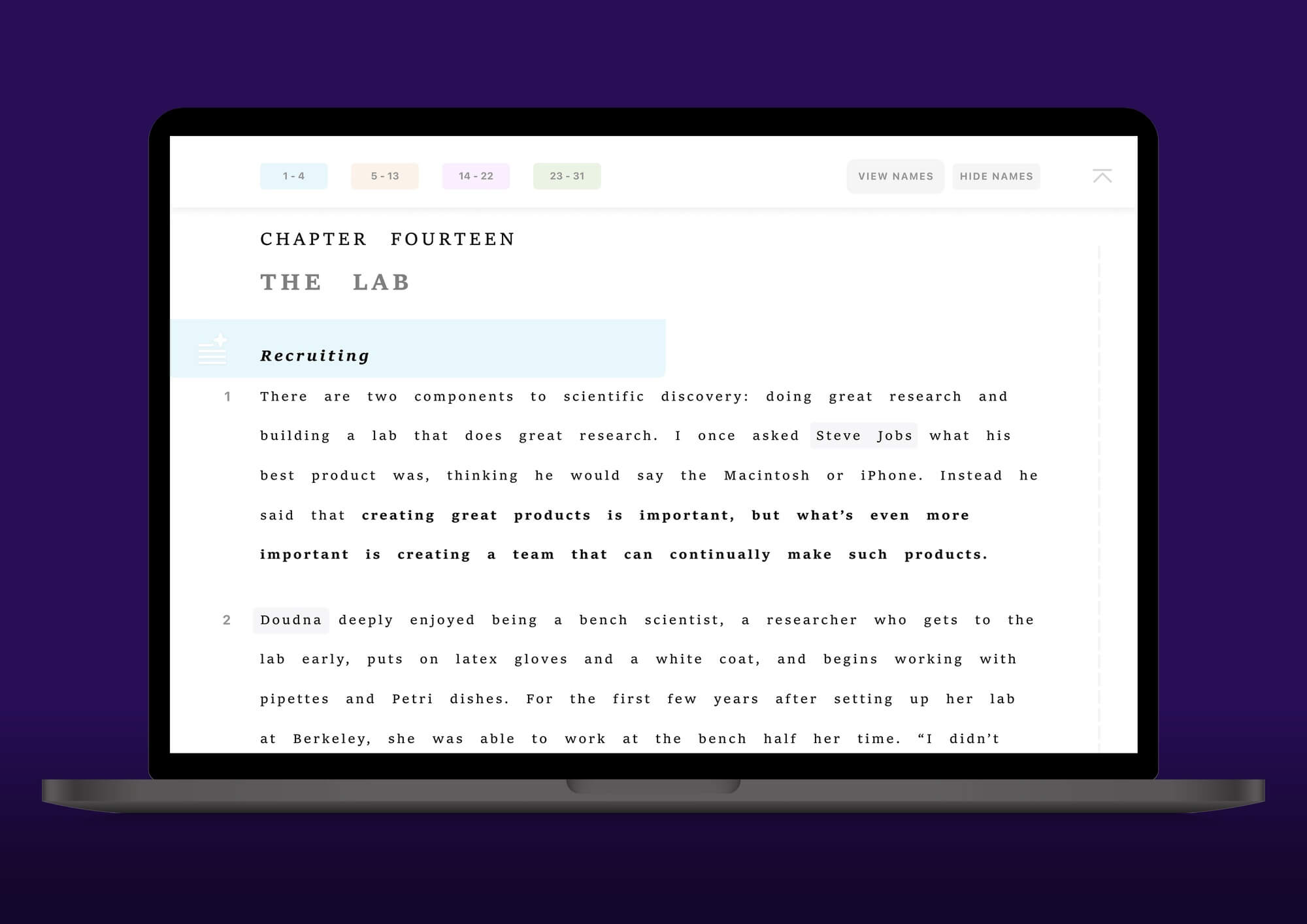
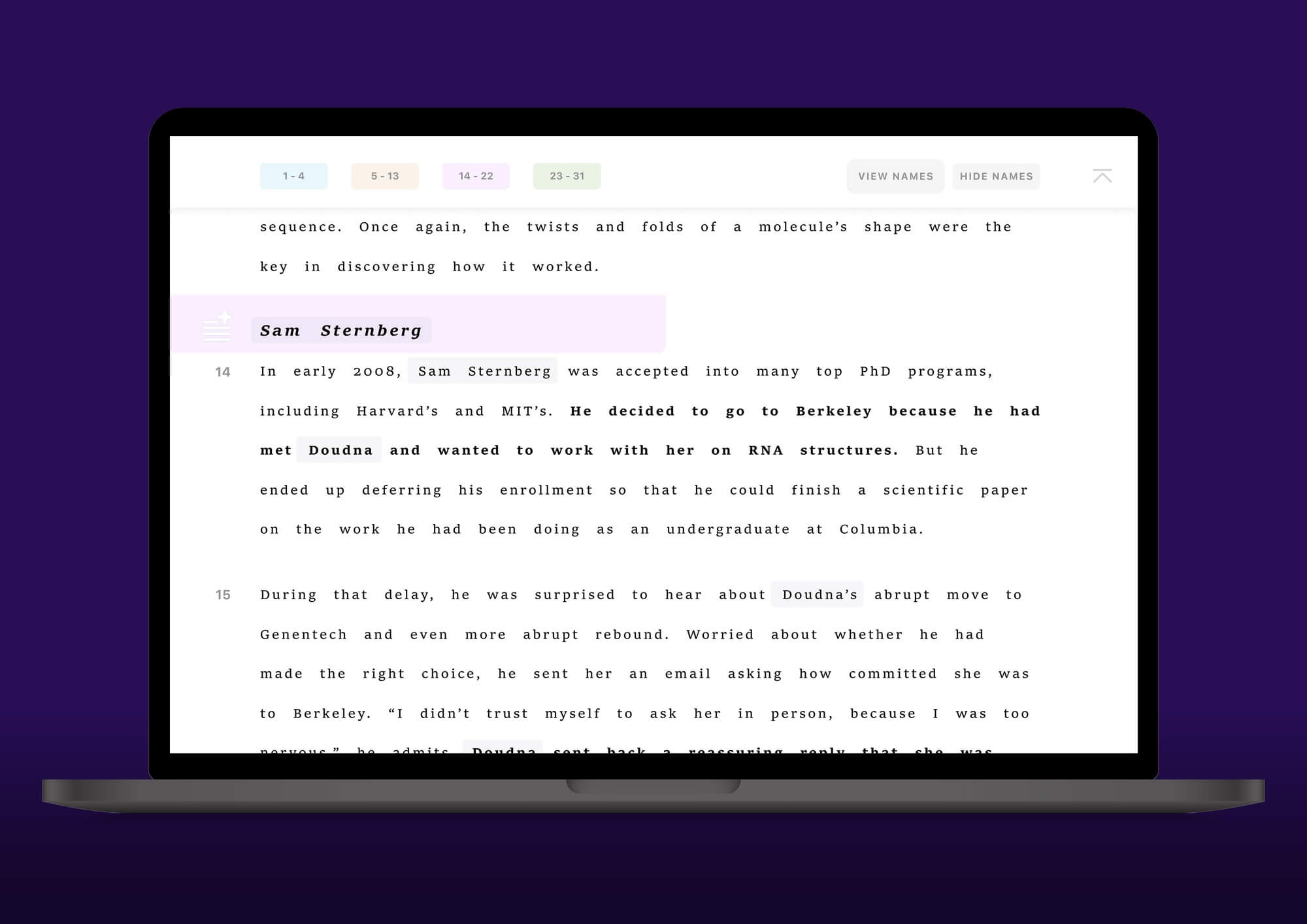
This project explores an innovative approach to designing long-form reading materials to improve outcomes for university students with dyslexia. It features visual modifications, colour, typographic hierarchy, space, and contrast; highlights key sentences, important terminology, and names; and adds paragraph numbers to help readers know where they are in the text.
DT_Image_02.jpg
DT_Image_03.jpg
  • CHALLENGE
  • SOLUTION
  • IMPACT
  • MORE
  • This human-centred design research explored ways to support deep reading for intelligent students with dyslexia, which impacts 10-20% of the population, who struggle with long, continuous reading materials.It aimed to make challenging texts inclusive without using authors, illustrators, or animators to adapt them, but needed to include some of the learning benefits usually found in multimedia materials despite adding no imagery.Instead of summarising or simplifying texts with AI, it focussed on supporting deep-learning approaches favoured by students with dyslexia, enabling digital typography to adapt its appearance to meet the needs and preferences of individual readers.

  • A working prototype was designed following three phases of increasingly complex experiments, interviews, and detailed reading measures. Because we discovered students avoid existing ‘dyslexia-friendly’ software, this design had to be visually appealing and genuinely helpful. The design features specific spatial settings between letters, words and lines that improve reading speed and accuracy. It also includes a series of targeted visual adjustments to help students search for information, locate relevant paragraphs, and track their progress at any time. Small, subtle areas of colour are included, and the overall appearance is more approachable and calming, reducing anxiety while reading.

  • The design adapts the appearances of texts appropriately, meaning those with dyslexia are no longer excluded from society, but instead are supported by an inclusive, accessible typographic system. It changes how we can present complex written texts, without simplifying, dumbing down, or attempting to communicate through pictures. It acknowledges that books and articles can’t be rewritten, explained or illustrated on behalf of students. Instead, it empowers them to read successfully and understand better, enabling deeper reading and learning. It turns seemingly infinite walls of text into approachable sections of information, reducing anxiety encouraging positive self-efficacy judgements, and improving motivation.

  • Calming, engaging appearance with more reading and less guessing. Detailed interviews informed the design process across three phases, producing visually appealing, calming, and helpful reading materials that keep students engaged and encourage them to read more deeply and in greater detail. Informed by cognitive psychology, vision science, and typography, it combines empirical evidence and creative design. Because this design responds to real-world experiences of actual students, it creates a more appropriate, useful, and well-suited typographic system specifically for those with dyslexia.Instead of using ineffective ‘dyslexia-fonts’ or existing, unattractive layouts and colour backgrounds, it relies on science and design to transform ‘walls of text’ into visually appealing, easily navigated, more manageable reading material that keeps readers focussed and energised to continue.Working with readers, not for them. Rather than having AI summarise content and simply doing the work for students, typography helps them learn by making reading more comfortable, leaving them more informed and confident.An integrated approach based on in-depth insights. Because the team found that students read PDF files, not eBooks, and use laptops, not phones or tablets, it is designed for landscape-format screens and PDF documents. Importantly, it requires no custom software and no subscriptions or purchases.