Murray Hunter – 2026 Australian Design Prize
- Published on: 14 October 2026
Share
THE AUSTRALIAN DESIGN PRIZE WAS ESTABLISHED TO RECOGNISE INDIVIDUAL DESIGNERS WHO ARE MAKING, OR HAVE MADE, A SIGNIFICANT IMPACT IN AUSTRALIAN DESIGN OVER THE COURSE OF THEIR CAREER.
Murray Hunter has spent more than four decades building a business around the possibilities of industrial design. As founder of Design + Industry (D+I), he helped grow a small consultancy in a Balmain boat shed into one of Australia’s leading product design and engineering practices, developing medical, consumer and high-technology products for clients around the world.
Founded in 1987, D+I brought designers and engineers together to take products from concept through to manufacturing. The business has received hundreds of local and international awards and is now part of Capgemini, a global engineering and technology group.
Murray’s story has always been about people as much as products. His contribution lies in building a team, developing lasting relationships and helping Australian design compete on a global stage.
A boat shed with a big idea
We spoke with Murray Hunter about the beginnings of Design + Industry, the projects that have stayed with him and what it takes to turn an idea into a successful product.
Hunter’s journey began at Sydney’s National Art School, followed by a master’s degree at the Royal College of Art in London. After graduating, he worked in a consultancy developing complex business products that brought design and engineering together. After six years, he was ready to build something of his own.
“I wanted to do my own work. I wanted to work for myself and develop a consultancy,” Murray explained.
The setting was an old boat shed at the Balmain docks.
“I found this amazing boat shed in Balmain, and that inspired me. So I started in this boat shed. I sat in one corner and I slowly filled it.”
The space became part of the business’s early identity, with an atmosphere that drew clients and collaborators in. Hunter began building a team and taking on increasingly complex projects, including work for international companies in product design and mechanical engineering. Looking back, he credits the people who backed him in those early years.
“There were a few people in business who liked me as a person and as a designer, and they supported me. I couldn’t have done it without them.”
Trust became central to how he ran the business alongside a team that shared his approach.
“Our culture is hard-working, down-to-earth and real. On top of that, we’re honest and we could be trusted.”
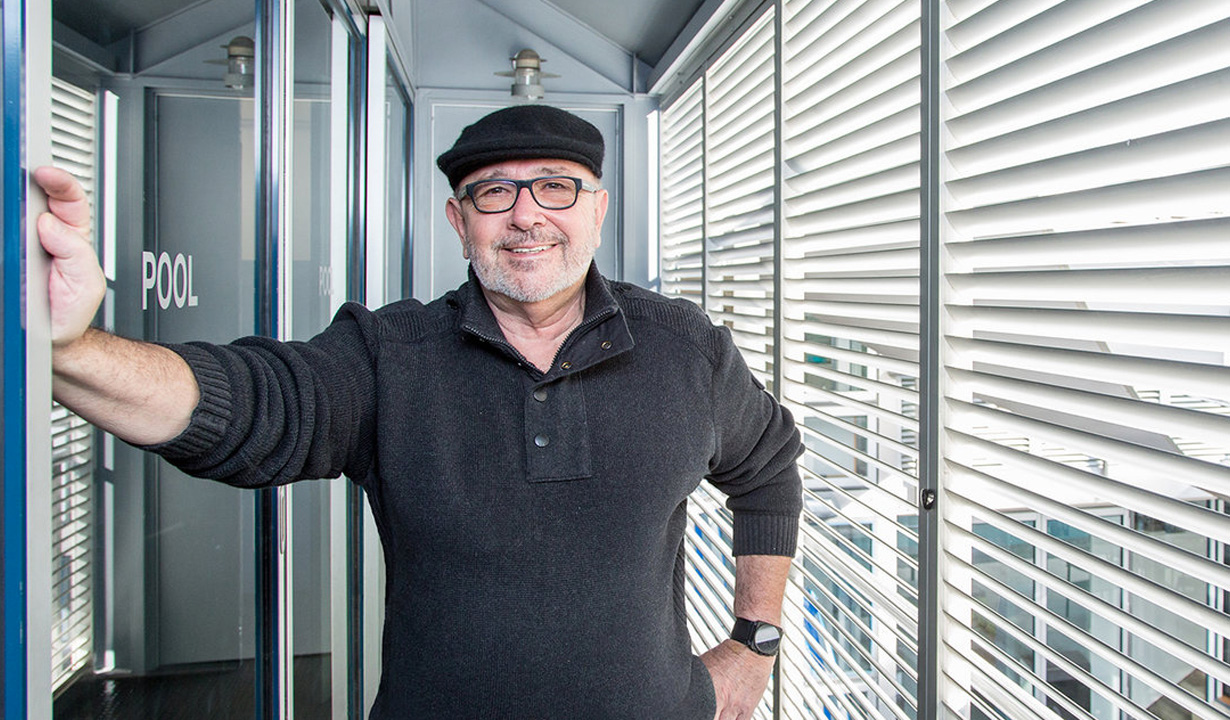
Murray Hunter – 2026 Australian Design Prize Winner. Image: Supplied
Building a business around design
Over the decades, Hunter watched industrial design transform. Drawing boards gave way to computer-aided design, digital files replaced physical documentation and global manufacturing opened new possibilities for Australian consultancies.
“We moved to digital design and engineering. When we started in the boat shed, we were on drawing boards. Then we started moving to computers.”
The shift expanded how the team worked and the projects it could take on, connecting Australian design expertise with specialist manufacturers overseas.
Hunter deliberately built D+I’s capabilities across medical, consumer and high-technology products, allowing the business to adapt as markets changed.
“It’s all the same. It’s research in the beginning, understanding the market, the user, what their aspirations are. And then designing it for manufacture so it’s the right price.”
Products also need to be financially viable to develop, a consideration that connects creative ambition with the realities of production.
This combination of design, engineering and commercial understanding became a defining feature of D+I. By the time the consultancy had grown to more than 80 designers and engineers across Melbourne, Sydney and Newcastle, it had established an international client base and earned hundreds of industry awards. These included multiple Good Design Award of the Year accolades and the coveted Good Design Team of the Year Award.
Murray’s achievements reflect what a well-rounded team can accomplish when design is supported by the right expertise.
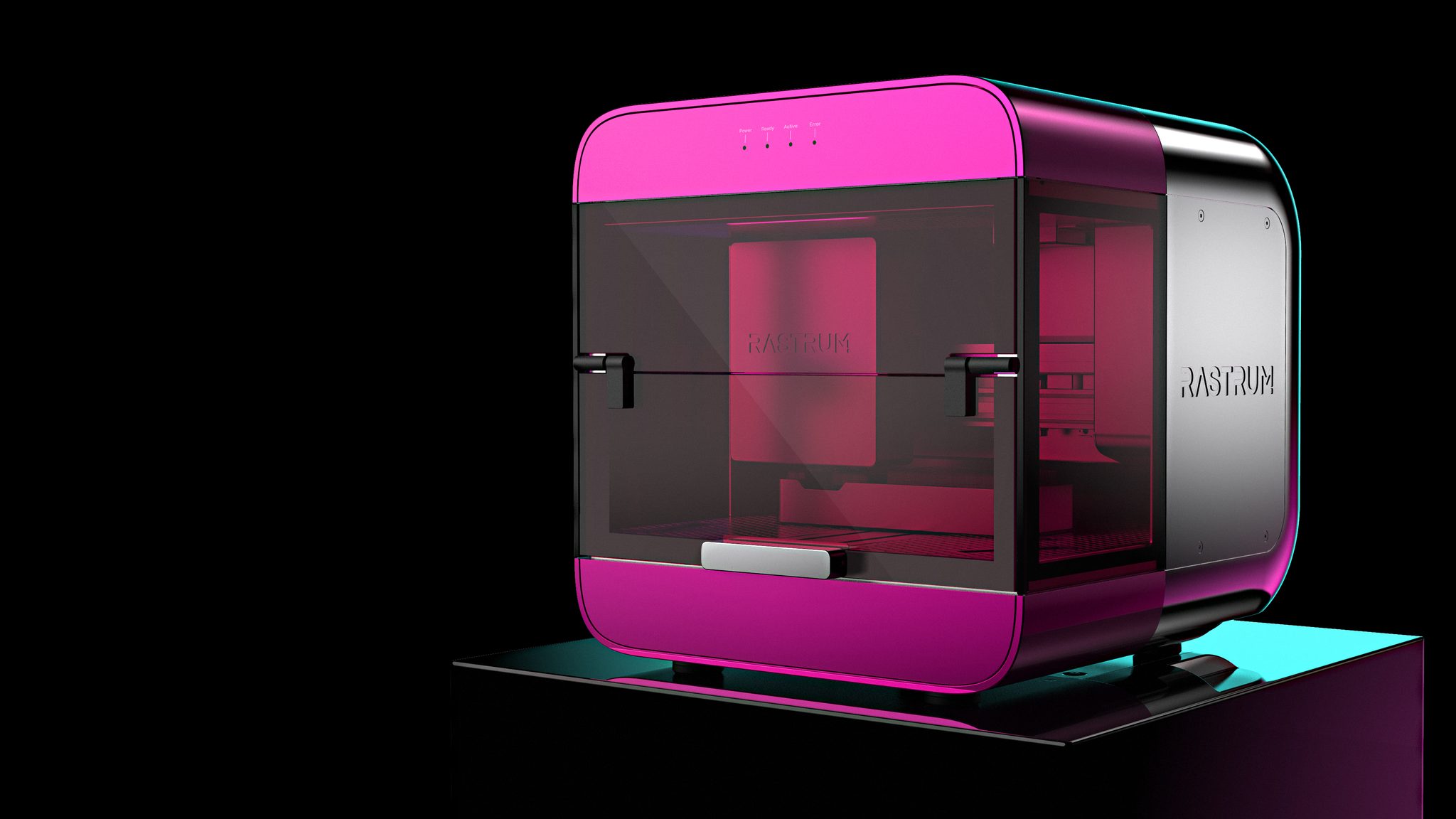
Rastrum Allegro 3D Bioprinter. Image: Supplied
From the ocean floor to the human body
Some projects stay with a designer because of the technical challenge. For Hunter, one of the most memorable was D+I’s work on the submersible used by filmmaker James Cameron to descend to the bottom of the Mariana Trench, around 11 kilometres below the ocean’s surface.
The team worked on the sphere in which Cameron sat, including its instrumentation and equipment. The stakes were enormous.
“There was no room for error. One spark and he’s dead within seconds.
“We really had to design something which was 100 per cent fit for purpose and that would do the job of taking a person 11 kilometres down with massive amounts of pressure.”
Hunter remembers the project with pride, particularly the opportunity for an Australian consultancy to contribute to such an extraordinary undertaking. The relationship also led to work on masks and props for major film productions, including Avatar and Mission: Impossible.
Other projects brought design and engineering closer to health and wellbeing. D+I worked on products for medical and rehabilitation markets, including the Rastrum 3D bioprinter, which prints using human cells.
“It was just fabulous. It was printing human cells. You could print an ear, for example. They were talking about printing valves for hearts.”
Hunter also saw an opportunity to give the emerging technology a considered visual identity.
“Medical products weren’t typically good-looking, but this was absolutely stunning.”
Murray strongly believes a product needs to perform, meet the needs of its users and be designed for manufacturing. Its appearance matters, too, helping communicate what it does and why people might want to use it.
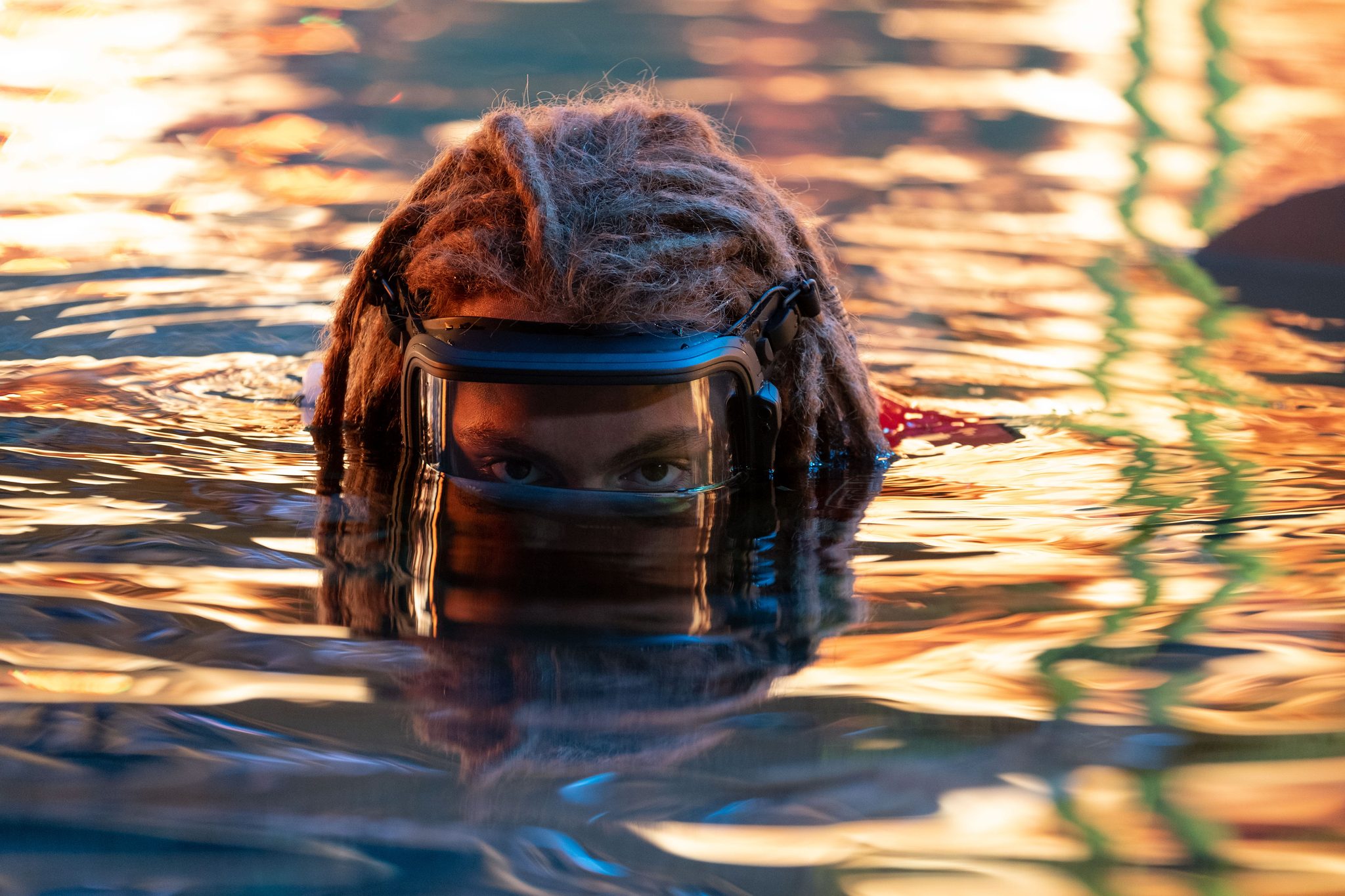
Avatar The Way of Water: Dive Mask. Image: Supplied
Making room for the team
Hunter’s career has been shaped by a willingness to pursue opportunities. One of the most important shifts came when he recognised that growing a business required him to step back from the design work itself.
In 2014, he took time over Easter to write a strategy for D+I’s future. A major priority was creating clearer career progression, giving people a better understanding of what they could work towards as the business grew.
The strategy also strengthened the consultancy’s technical capabilities, including mechanical engineering and medical product development. Bringing electronic engineering expertise into the team expanded what D+I could tackle, particularly in complex medical technology.
In his speech at the 2026 Good Design Awards, D+I Design Director David Mansueto reflected on Hunter’s determination to build the company and his ability to recognise talent. He described Hunter’s focus on business strategy as an important lesson: rather than trying to run the business while remaining on the tools, Hunter concentrated on building relationships and creating opportunities for the team.
Mansueto also recalled Hunter driving around business parks, writing down company names from building signs and then looking them up to make cold calls. He repeated the approach in other cities and even San Francisco.
It was a hands-on way of finding new opportunities, reflecting the persistence that helped establish D+I’s reputation.
For Hunter, however, the people behind the work remain the most important part of the story. Asked what he would like to be known for as a designer, he returned to the team rather than his own achievements.
“For a long time, I’ve never gone up on stage. I don’t do it because I let the team jump on stage.”
He wants to be known for being “a leader of a great time of people, past and present.”
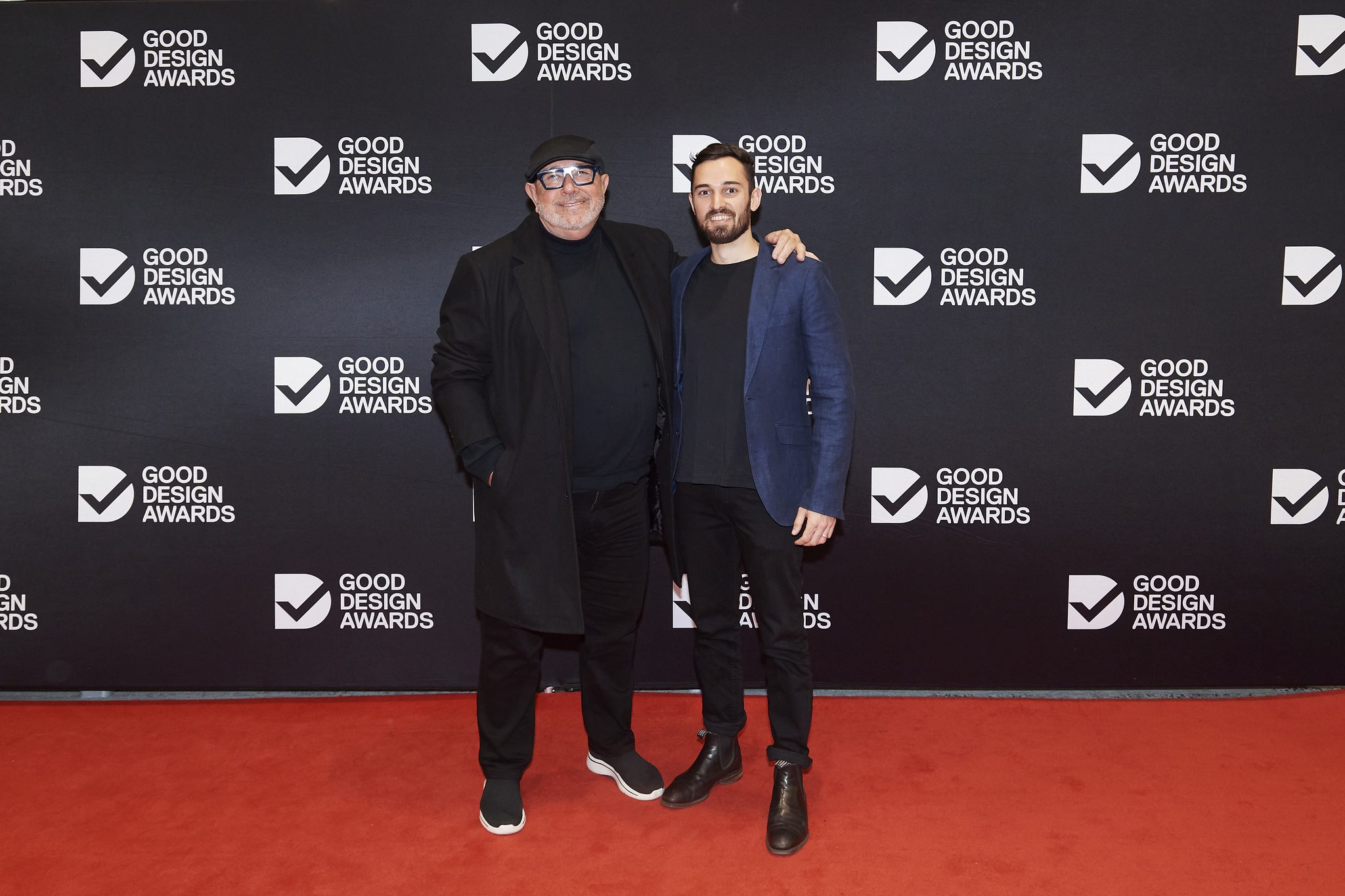
Murray Hunter and Rohaan Taneja. Image: Supplied
The next chapter for Australian design
D+I’s integration into Capgemini marked a new stage in the business’s development. For Hunter, becoming part of a larger international organisation had long been a strategic ambition, giving the company’s capabilities access to a wider market.
He hopes the next chapter will demonstrate how an Australian design and engineering team can thrive within a global network.
Access to investment remains one of the biggest challenges facing the next generation of Industrial Designers. Hunter would like to see greater support for research and development, including government funding to help businesses bring new products to life.
He also sees opportunities to apply industrial design to challenges specific to Australia, from supporting the Great Barrier Reef to developing agricultural automation and technologies that monitor livestock, water and climate conditions. These are areas where design and engineering can deliver practical outcomes, with benefits extending beyond an individual business.
For emerging designers, his career offers a lesson in the importance of building expertise, looking beyond Australia’s borders and understanding the realities of bringing a product to market. Creative ambition needs to be matched by research, engineering, manufacturing knowledge and commercial thinking.
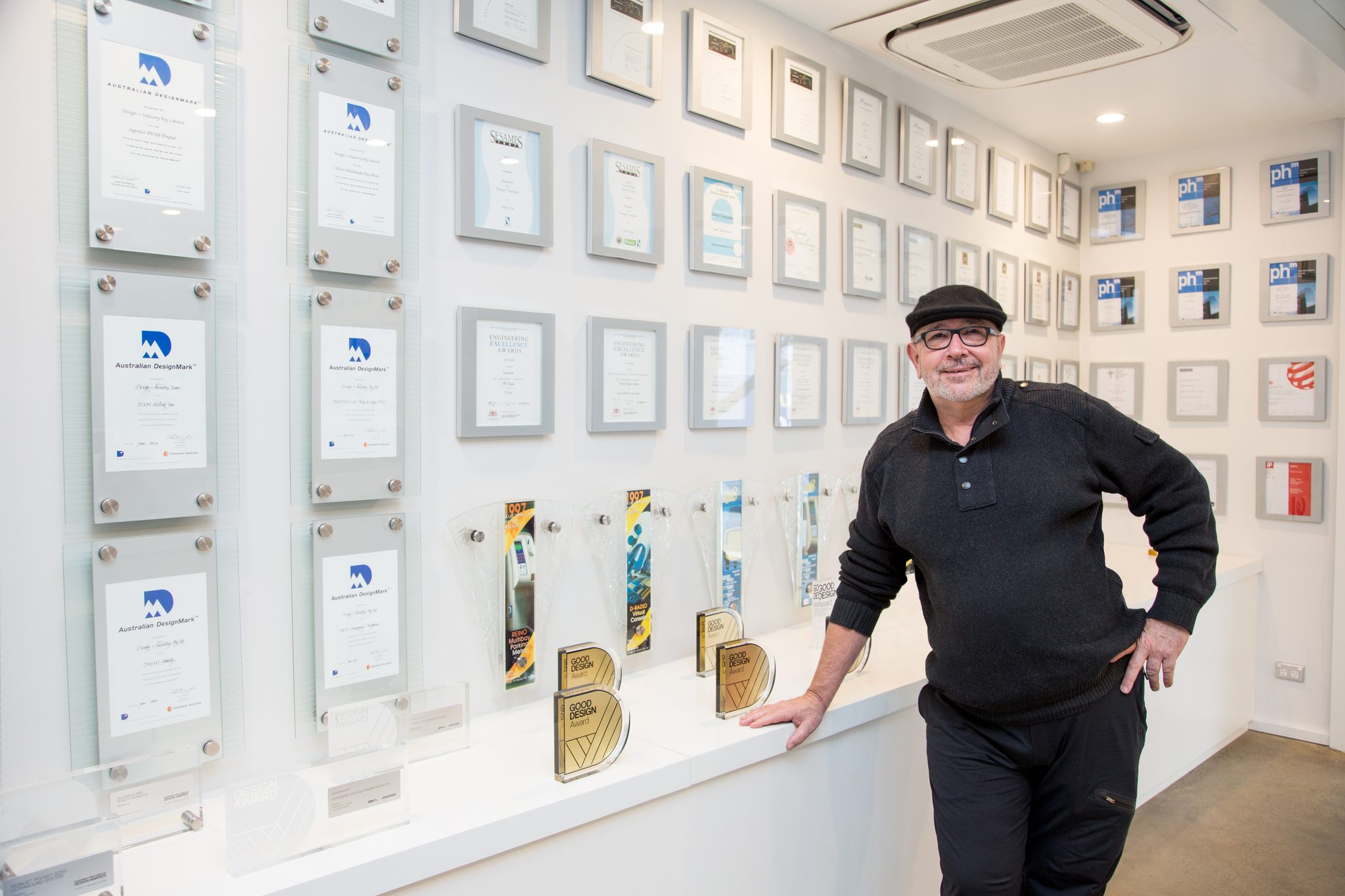
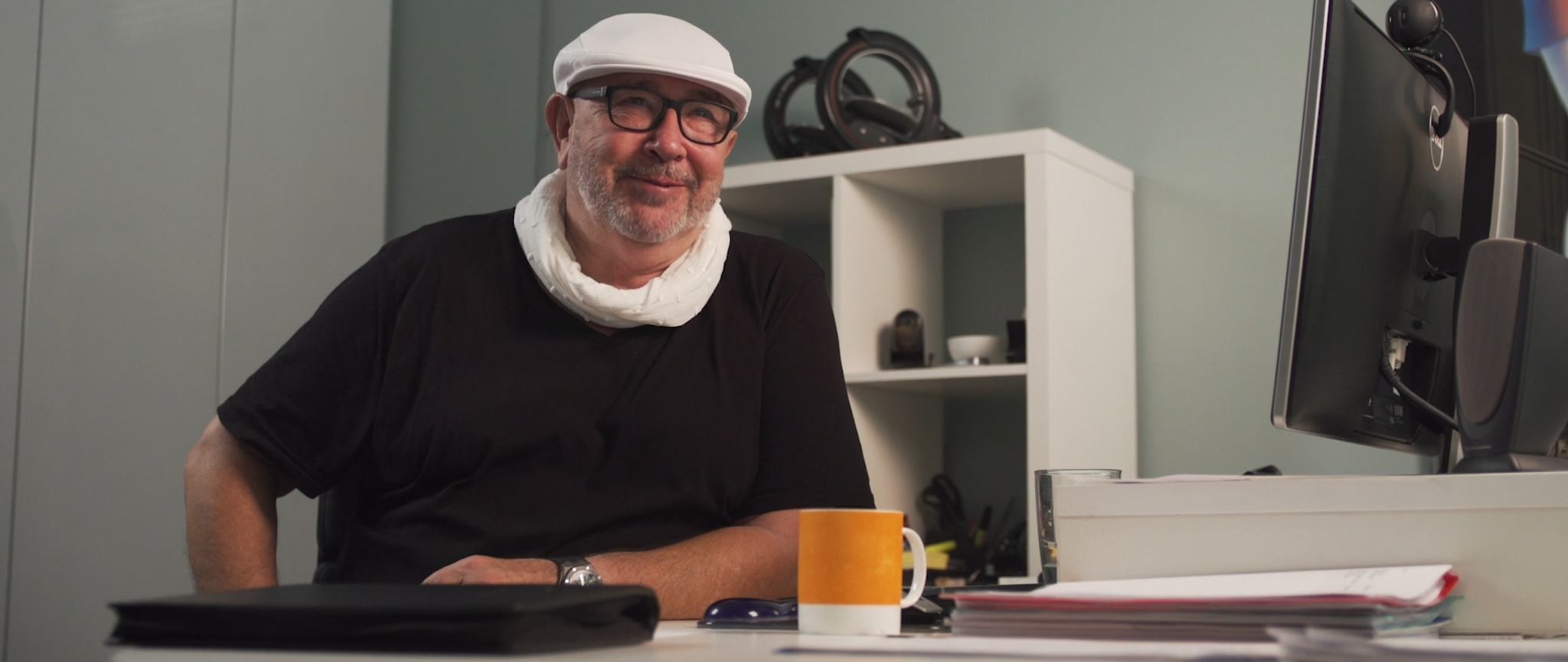
Murray Hunter – 2026 Australian Design Prize Winner. Image: Supplied
A legacy built together
Across four decades, Murray Hunter has helped shape Australian Industrial Design by building a consultancy that connects creative thinking with technical expertise and commercial reality. D+I’s work has reached users around the world while creating opportunities for generations of designers and engineers.
In his awards speech, Mansueto noted that Hunter wanted the recognition to extend beyond himself to the hundreds of people, past and present, who helped shape D+I and the wider Australian design community.
It is a fitting reflection of a career spent building relationships, backing talent and creating the conditions for good ideas to become real products.
Murray Hunter’s lasting contribution is that of a team leader who helped Australian design earn its place on the international stage.
Good Design Australia congratulates and thanks Murray for his significant contribution to Australian Industrial Design and for helping build a legacy of collaboration, technical excellence and product innovation.