Bonnie Shaw – 2026 Women in Design Award
- Published on: 14 October 2026
Share
THE WOMEN IN DESIGN AWARD WAS ESTABLISHED IN RESPONSE TO THE SIGNIFICANT GENDER IMBALANCE WITHIN LEADERSHIP ROLES IN THE DESIGN INDUSTRY.
THE AWARD SEEKS TO RECOGNISE AND CELEBRATE WOMEN WHO HAVE MADE NOTABLE CONTRIBUTIONS TO THE INDUSTRY AND ENCOURAGE MORE DIVERSE AND EQUAL REPRESENTATION ACROSS DESIGN AND CREATIVE SPACES.
This year, Good Design Australia recognises Bonnie Shaw, Chief Innovator and MAVlab Lead at the Municipal Association of Victoria (MAV), and Director of design consultancy MANY&FEW, for her contribution to design-led innovation across government, technology and communities.
With more than 25 years of experience spanning urban design, game design, technology and public policy, Bonnie has built a career around a deceptively simple question: how do we design spaces and experiences that bring people together to solve the problems that matter?
Through MAVlab, she works with all 79 Victorian councils to strengthen collaboration, build shared capability and help local governments respond to increasingly complex challenges. Her approach draws on everything from behavioural psychology and artificial intelligence to the design of physical and digital environments, with a focus on making participation, creativity and collective action possible.
We sat down with Bonnie to discuss what it means to design systems rather than objects, why joy has a place in serious work and what the design industry can learn from the people who help us navigate uncertainty.
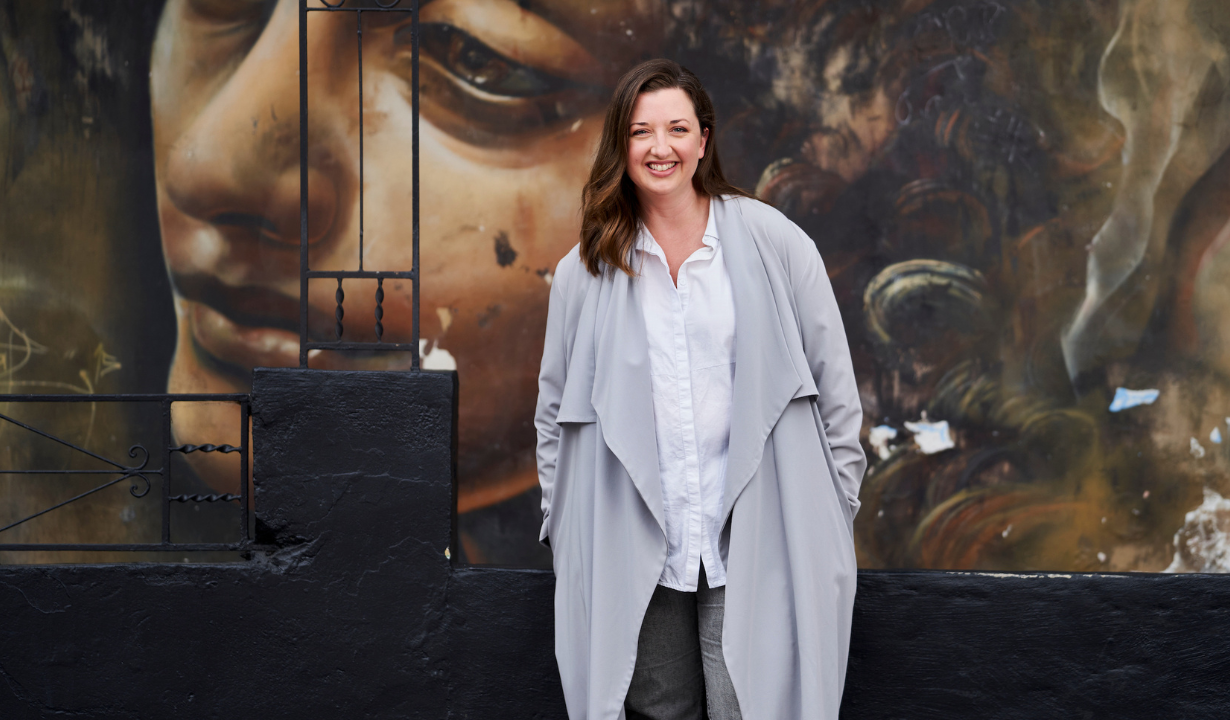
Bonnie Shaw – 2026 Women in Design Award Winner. Image: GDA
People, place and technology
Bonnie has never been particularly interested in keeping design within a single discipline.
Trained in landscape architecture and urban design, she moved into game design and technology, later co-founding an AI startup and working across academia, government and the private sector.
“For many years I used to describe myself as the middle bit of a Venn diagram of people, place and technology,” Bonnie explained.
“Almost all of my work has that intersection point of working in and around the psychology and motivations of people, local places and emerging technologies. I’m trained as a landscape architect, and so place and its natural systems is always a really big part of anything that I do.
“Even when I’m working in technology, I often go back to analogies or the systems of natural environments to shape my thinking or stories.”
Her career has included fellowships at the Institute of Contemporary Arts in London and MIT’s Senseable City Lab, alongside professorial roles at Georgetown University, Melbourne Business School and RMIT University.
Across these different environments, Bonnie has consistently returned to the relationship between people and the systems they inhabit. It’s a perspective that has taken her well beyond the conventional boundaries of design practice.
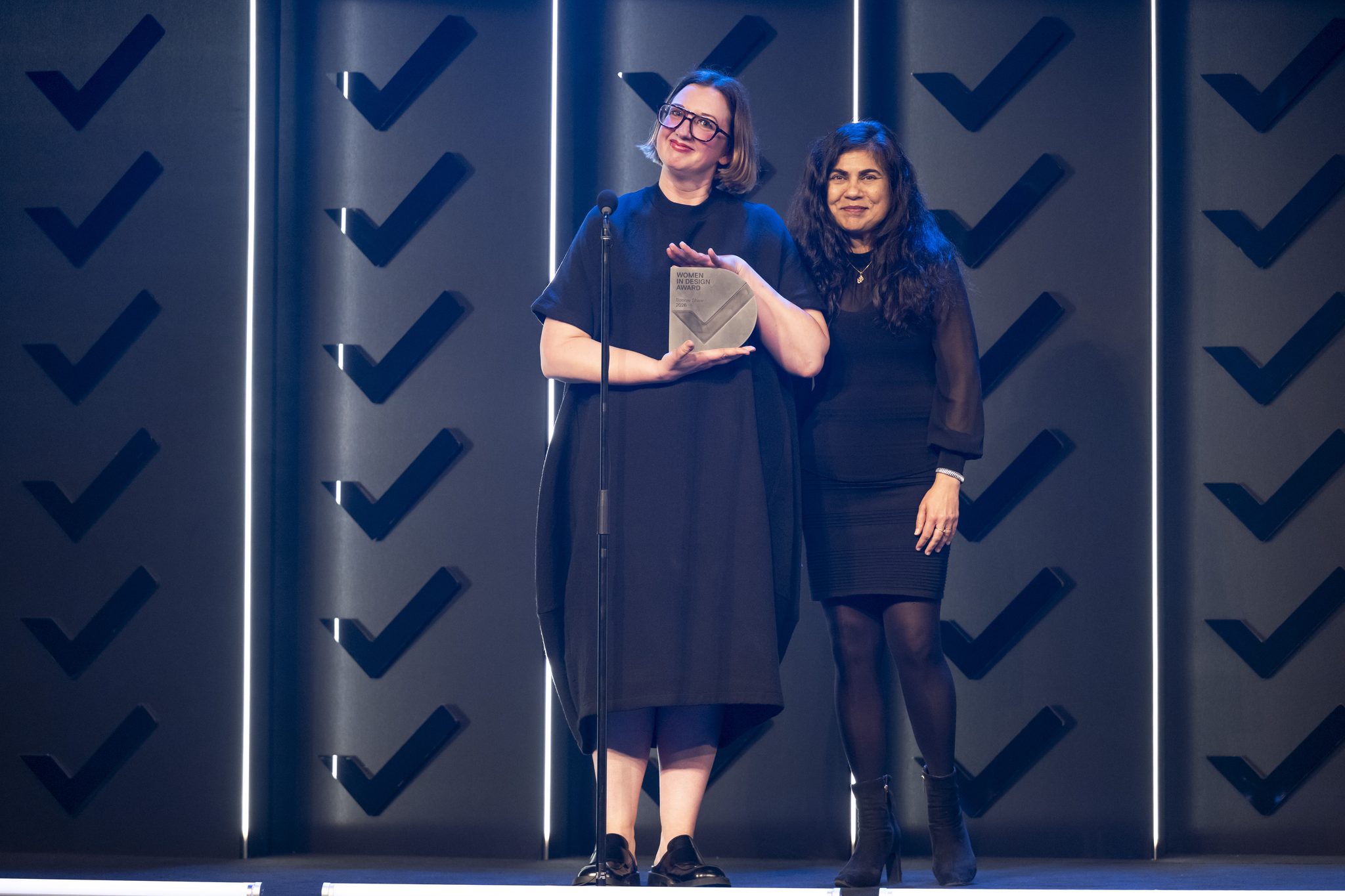
Bonnie Shaw – 2026 Women in Design Award Winner. Image: GDA
Designing the conditions for change
At MAVlab, Bonnie tackles a challenge familiar to local governments: responding to increasingly interconnected problems while stretched thin.
Climate change, economic pressures, emerging technologies and democratic resilience are placing growing demands on councils. Bonnie saw collaboration as a way forward.
“When each local government has to tackle those challenges as an individual organisation, with limited resources and capacity, it can be pretty overwhelming,” she said.
“But as a network of 79 organisations working together, the potential for making meaningful change is significantly improved, and the potential for impact is massive.”
MAVlab brings councils together to share knowledge, pool resources and develop collective responses to common challenges. The work reflects a broader understanding of design, one concerned with the processes and relationships that make progress possible.
Bonnie traces this thinking back to her early work in game design, where she explored how people participate in shared experiences.
“At their core, games are a process of negotiating a set of rules amongst a group of people. You build a world together where you all invest your belief in a set of shared rules – and that’s what brings the game to life. I don’t see a lot of difference between that and policy.”
The same principles inform her work today, from workshops to collaborative policy development.
“We talk very much about building containers for activity to occur within. And we think very carefully about how we structure those spaces for participation.”
Throw a better party
It might sound unlikely in public sector innovation, but the idea is straightforward: meaningful change depends on people wanting to contribute their time, knowledge and energy.
“If you’ve got limited resources and limited power, you need people to want to do things with you,” she said.
“The most effective way I have found over the almost 30 years that I’ve been doing this work is to find ways that magnetise people to you. Help people have a good time, connect them with what they care about, and create experiences that help them feel like they’re part of something meaningful.
“Good ideas get gravity. People want to be part of things that feel like they’re going to make the world better and that they can play a role in it.”
That philosophy also makes room for joy, even when the work is difficult.
“And I also feel like creating experiences that give people joy and make people feel good is one of the most powerful forms of protest that we can have these days. Joy is something that we should all have more of in our lives.”
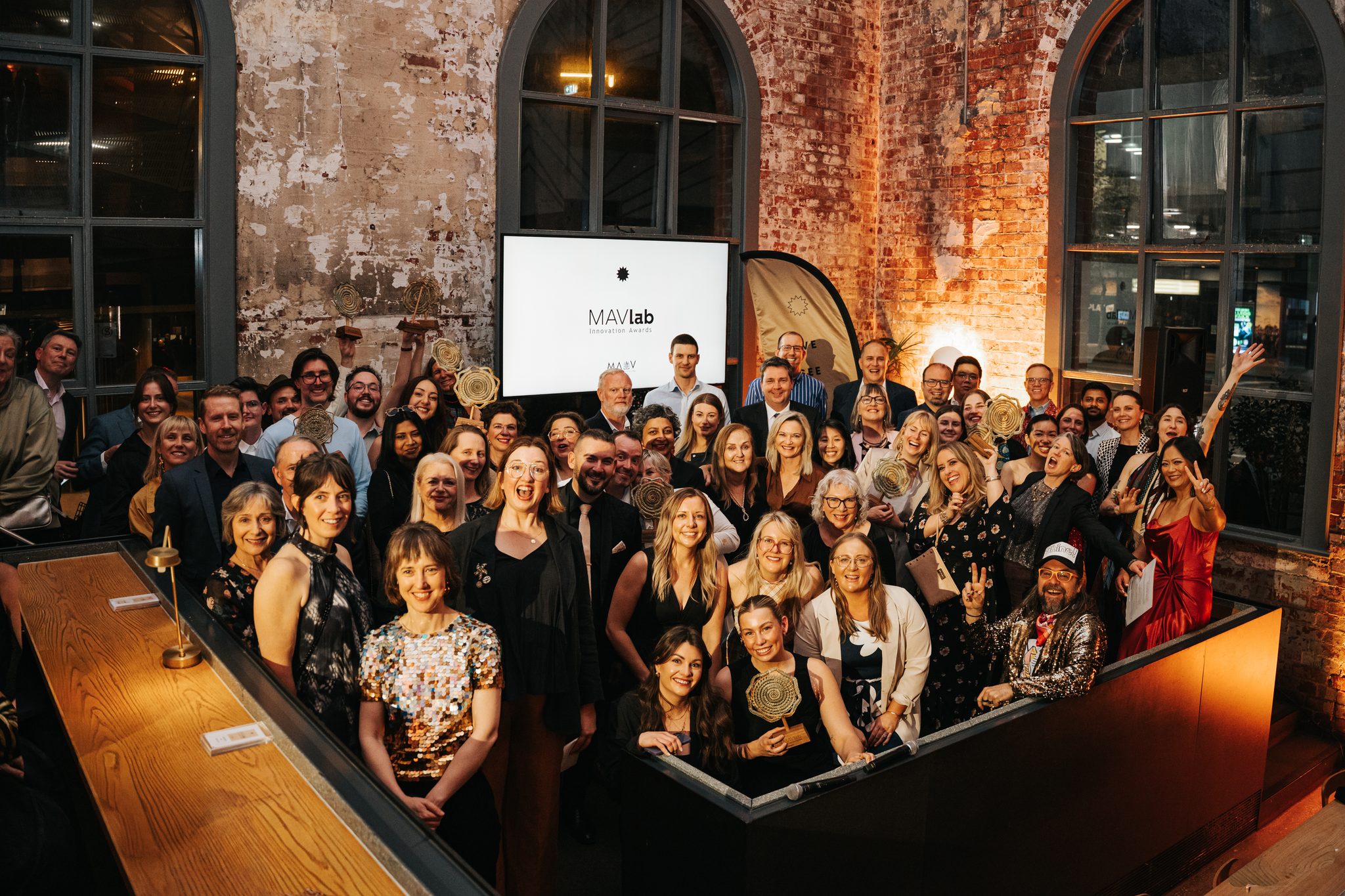
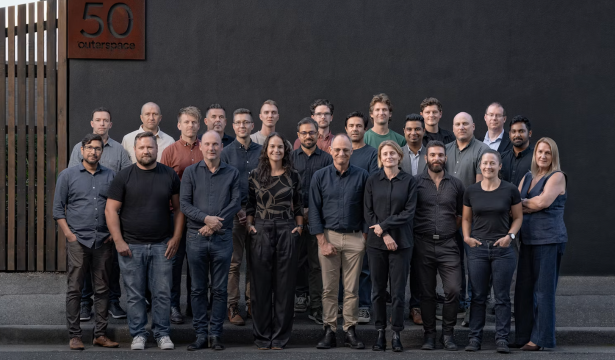
Bonnie Shaw and the MAVlab team – 2026 Women in Design Award Winner. Image: Supplied
Working through uncertainty
At the intersection of AI, civic design and public policy, Bonnie is navigating technologies that offer opportunities to improve services while raising serious questions about their wider consequences.
“Working in AI right now is pretty weird. On one hand we’re talking about using these tools to improve service delivery for communities, to increase efficiency for organisations. They can be very powerful technologies for transforming how we work, but we’re often talking about relatively mundane applications.” she said.
“And on the other hand, those same tools are being discussed as the potential triggers for the rapid destruction of the human race.”
For Bonnie, the challenge is to consider these competing possibilities while keeping community needs at the centre of decision-making.
“All of our work tries to be very focused and centred around public value and community impact – ensuring that we’re supporting our sector to share knowledge and build literacy so that local communities have a very strong say in the decisions that are being made in and around and on their behalf.”
As technology evolves, that means looking beyond what a tool can do to consider who benefits, how it affects communities and whether people have a meaningful voice in the decisions shaping their lives.
Designing for the people doing the work
Bonnie’s interest in how people think and behave also extends to the conditions in which designers themselves work.
Following a serious stress-induced health episode around eight years ago, she took a year away from work to recover. The experience prompted a sustained research interest in the cognitive and behavioural impacts of chronic stress, drawing on neuroscience, behavioural psychology and design.
“The work of designers operating in systems under strain is hard, she said “and getting harder”.
She began questioning the familiar image of the lone designer expected to generate ideas, push them through and make things happen. Instead, her team uses the idea of a pathfinder: someone who walks slowly in front, navigating unfamiliar territory while remaining tethered and connected to the group.
The analogy comes from Arctic expeditions, where pathfinders move carefully through uncertain environments while staying connected to others through safety protocols of ropes and knots.
“The job was to walk slowly through these – often perilous environments – and be very open. Observing and sensing what was occurring, what was coming, and translate that back to the followers” Bonnie explained.
“But they recognised the dangerous nature of this work and would implement strict safety protocols with ropes and knots. They would tie-in the Pathfinder to the group so they would get too far ahead or fall off a cliff.
“What I’ve found over the last couple of years is that when things get a bit too overwhelming, when I see the resilience of myself or my people start to strain, it’s often when we haven’t paid enough attention to our safety protocols. Of prioritising the work to connect and care for each other and ourselves – so that’s a critical priority for us.”
This thinking informs her leadership, and is core to her academic research into the cognitive and behavioral impacts of chronic stress. Bonnie now teaches this work through a course: Precious Space to share this knowledge. The program – designed for people working in high stress, high demand roles – draws on practice from crisis disciplines, including special forces situational awareness and emergency medical triage, to help people better understand themselves and manage the environments around them.
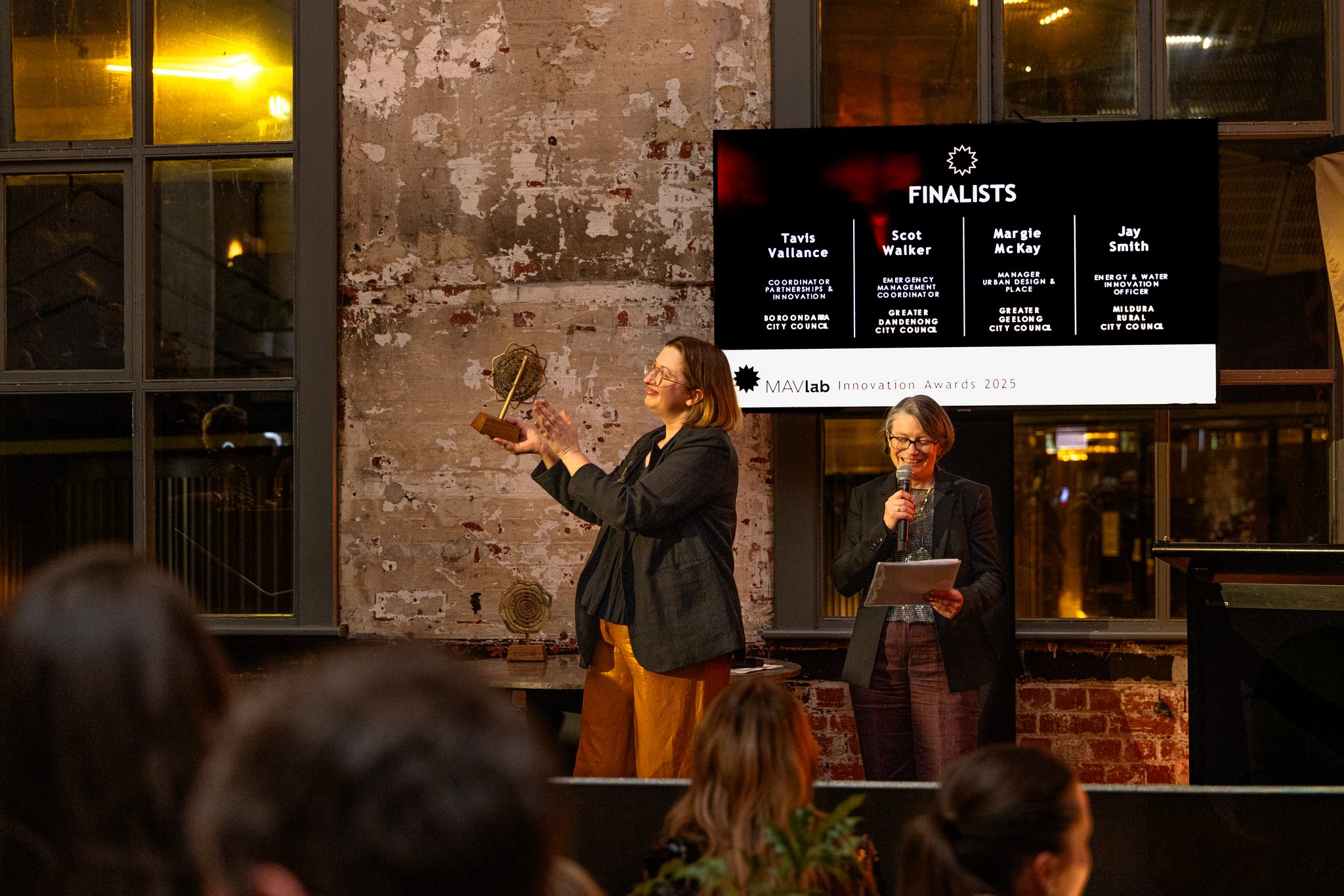
Bonnie Shaw – 2026 Women in Design Award Winner. Image: Supplied
Making space for others
Alongside the businesses, games, experiences and policy work she’s helped create, she takes particular pride in seeing people she’s worked with grow into leadership roles.
“I’ve always had really diverse teams and I really try and create environments that help people find their strengths and develop in ways that help them go on to do even bigger and better things.”
That commitment extends to her work supporting women in design and technology. Bonnie founded the Because Women network to help women build confidence, connections and leadership pathways. She is also quick to acknowledge the importance of the people who create opportunities for others.
“The opportunity to do this kind of work only comes from the people that are creating space for it,” she said.
She credits the leaders who have supported her work, including the CEO and board at MAVlab, for making room for new approaches to public sector innovation.
Bonnie believes good leadership means creating the conditions for people to contribute in their own way.
“It’s about creating those spaces for people to step into, to fill with their own mad genius or whatever it is.”
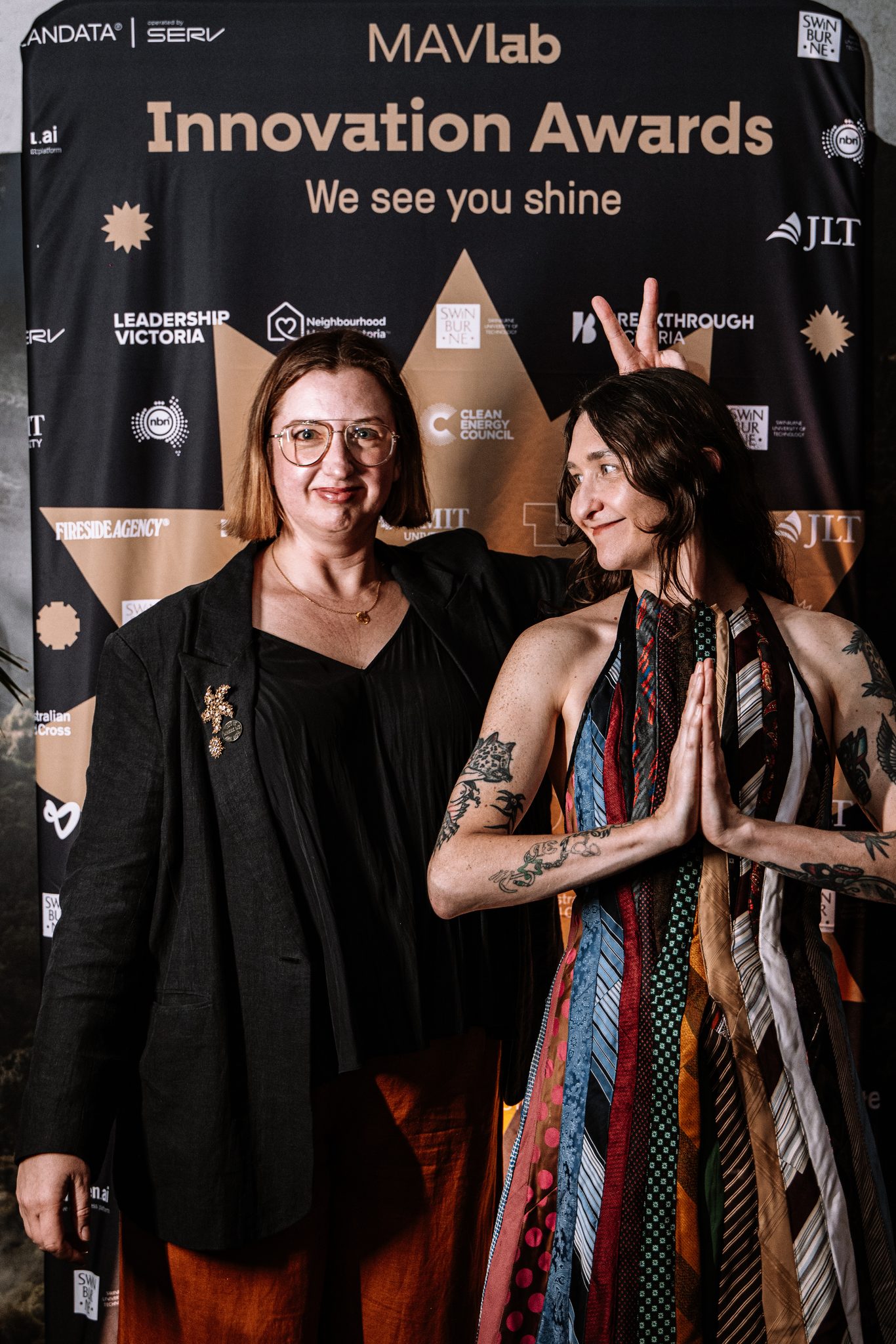
Bonnie Shaw – Innovation Awards – 2026 Women in Design Award Winner. Image: Supplied
Making room for mad genius
Bonnie’s career offers a broad view of what design can contribute when it moves beyond the familiar boundaries of products and aesthetics.
It can shape the way governments work together, the way communities participate in decisions and the way people navigate complexity. It can help make emerging technology more useful while keeping its wider consequences in view. And it can create the conditions for people to do their best work, together.
Her approach is grounded in the belief that better outcomes depend on how people, places, technology and institutions interact, and that the systems supporting those relationships are worth designing with care.
“The time for this work is now”
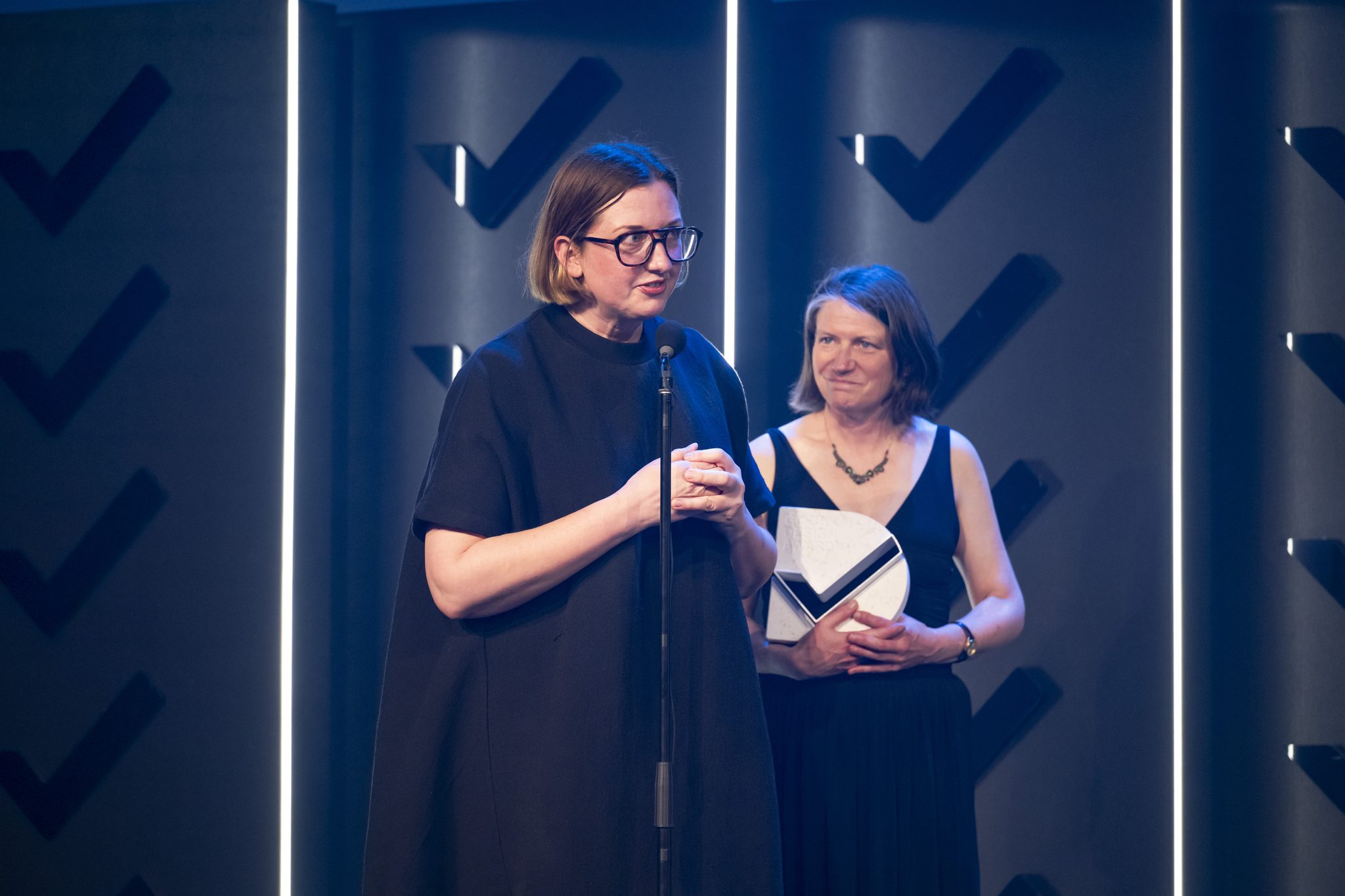
At the 2026 Australian Good Design Awards, announced at an awards evening at ICC Sydney on Friday 9 October, Bonnie reflected on the people and purpose behind her work in her acceptance speech.
This work of design lights me up. My most favourite thing to do is build beautiful things, with wonderful people, that try to make the world a bit better. And so I want to say 3 thank you’s:
We don’t get to do this work of good design without the brave and courageous leaders who create and protect the spaces to do this work in. My first thank you is to the leaders who have had the vision and intestinal fortitude to invest in this work. Thank you to everyone in the room tonight and to the leaders I have worked with – my current CEO and Board – and everyone who has come before.
I don’t get to do this work without my support crew. The people who tether me when I fly too high, who dig me up when I go too deep and who join with me in sometimes perilous adventures! So my second and enormous thank you is to my husband, my boys, my parents and all my wonderful friends and colleagues – you are my mangroves.
And my final thank you is to the team at the Good Design Awards – and all the people in this room. I have been doing this work of systems, policy, place, technology, experience design for almost 30 years now.
This year has convinced me that this work is getting harder. It has also reinforced my belief that Good Design can be an act of protest against the apathy and paralysis and false sense of inevitability that our systems will fail and our world will get worse.
It has also reinforced my belief that the skills of good designers – to make sense of our present, learn from our past, and navigate through ambiguity to better futures – that we choose – is more important now than ever.
And so, my final thank you is to everyone doing this work – particularly to my colleagues in the public sector – who are doing whatever they can to get in the rooms where the consequential decisions are being made and fighting like hell to be heard.
Because the time for this work is now.
This is what we were trained for.
I couldn’t be more grateful for this recognition. It means the world.
Good Design Australia congratulates Bonnie Shaw on the 2026 Women in Design Award, recognising her contribution to public sector innovation, her leadership in design and technology and her ongoing work to create more collaborative, inclusive and future-ready communities.