GOOD DESIGN AWARDS WEEK – DAY FIVE

AUSTRALIAN GOOD DESIGN AWARD OF THE YEAR – GOOD DESIGN AWARD FOR SUSTAINABILITY – GOOD DESIGN TEAM OF THE YEAR – AUSTRALIAN DESIGN PRIZE


2021 AUSTRALIAN GOOD DESIGN AWARD OF THE YEAR

The WHILL Model C2 Personal Mobility has won the country’s most prestigious and coveted international design award – the 2021 Australian Good Design Award of the Year.

WHILL Model C2 Personal Mobility – 2021 Australian Good Design Award of the Year (Photo: WHILL Inc.)

WHILL was created with the goal of building a platform for short-distance mobility, by providing people with access to an innovative and well-designed personal mobility solution that can be used comfortably, whenever and wherever it is needed.

Their mission, through this solution, is to create a seamless connection between existing transportation infrastructure and large facilities. By introducing a new style of short-distance travel, WHILL’s vehicles are the last piece of transportation that no other means of transportation can provide.

WHILL Model C2 Personal Mobility – 2021 Australian Good Design Award of the Year (Photo: WHILL Inc.)

The Model C2 vehicle provides individuals with the freedom to pursue adventures otherwise unattainable in alternative mobility transportation. With an 18km range and a speed of 8 km/hr, the device allows individuals to drive across town, through airports, museums, beaches, hiking trails, and more.

WHILL Model C2 Personal Mobility – 2021 Australian Good Design Award of the Year (Photo: WHILL Inc.)

The ergonomic controller provides all-day comfort and encourages users to effortlessly climb over obstacles up to 5cm in height, with powerful motors and large front omni-wheels. WHILL aims to transcend a company that just makes personal mobility devices, into a provider of innovative mobility solutions.

WHILL Model C2 Personal Mobility – 2021 Australian Good Design Award of the Year (Photo: WHILL Inc.)

The annual Australian Good Design Awards program is the nation’s highest design honour and has been recognising and rewarding excellence in cutting-edge design and breakthrough innovation since 1958.

The Awards recognise design excellence across broad sectors and industries and cover everything from the design of products we use each and every day, the services we interact with, the places and spaces we occupy, to the design of the processes and systems that underpin business, industries and economies right through to projects in the social innovation space.

The program celebrates the best in design and architecture across 12 main design disciplines spanning more than 30 categories. The 2021 Awards involved more than 70 design experts from Australia and around the world who evaluated a record 930 applications.

All entries in the Awards are evaluated against criteria for Good Design (has it been professionally designed?), Design Innovation (is it innovative and ground-breaking design?)

WHILL Model C2 Personal Mobility – 2021 Australian Good Design Award of the Year (Photo: WHILL Inc.)

CEO of Good Design Australia and Chair of the Awards, Dr Brandon Gien, said “The panel of domestic and international judges were incredibly impressed with the potential impact WHILL could have across a variety of sectors to improve mobility outcomes for people all over the world.

This product has the opportunity to create a long-lasting impact across the globe. We are experiencing a global ageing population, particularly in Australia, and a product such as the WHILL Electric C2 has the power to dramatically improve the livelihoods of this demographic and allow them the freedom to do the things they love. Importantly, it exceeds expectations with respect to our three overarching criteria for design excellence: Good Design, Design Innovation and Design Impact. The WHILL Electric C2 was simply a stand-out design innovation this year and joins a fraternity of other top award winners including Tesla, Blackmagic Design, Cochlear, Caroma and ResMed.”

WHILL Model C2 Personal Mobility – 2021 Australian Good Design Award of the Year

2021 AUSTRALIAN GOOD DESIGN AWARD FOR SUSTAINABILITY

Honoured with the coveted Australian Good Design Award for Sustainability was The Puntukurnu Aboriginal Medical Service Newman Clinic Healthcare Hub, designed by ​​Kaunitz Yeung Architecture and commissioned by Puntukurnu Aboriginal Medical Service.

Puntukurnu Aboriginal Medical Service Newman Clinic Healthcare Hub – 2021 Australian Good Design Award for Sustainability (Image: Robert Frith, Acorn Photography)

The PAMS Healthcare Hub Newman is the first primary healthcare facility of any type to be constructed in Newman, 1,200 kilometres north of Perth, to provide central healthcare services to the many communities in the Western Desert of Western Australia. The town, with a majority Aboriginal population, is the main town in the Shire of East Pilbara, with a population of 15,000. The project services the entire region with a particular focus on the local Martu and Nibali Aboriginal people. For the first time, Aboriginal people will have access to community-controlled and culturally appropriate health services with the Newman establishment.

Puntukurnu Aboriginal Medical Service Newman Clinic Healthcare Hub – 2021 Australian Good Design Award for Sustainability (Image: Robert Frith, Acorn Photography)

The project required a best practice regional primary health care facility to be the physical embodiment of the client ethos, placing wellness at the centre of the community. Newman is community-focused, connected to Country, by incorporating culture and providing high standard care. The clinic includes general practice, child and maternal health, dental treatment and allied health facilities for visiting clinicians from Perth. The primary aim of this clinic was to minimize the large cost and negative mental health impacts of the Martu and Niaboli people leaving their country and family for treatment in Perth, by providing them with healthcare services in their region.

Puntukurnu Aboriginal Medical Service Newman Clinic Healthcare Hub – 2021 Australian Good Design Award for Sustainability (Image: Robert Frith, Acorn Photography)

The architect spent significant time in these communities over many years, which facilitated iterative consultation and a genuine co-design process with the community and specific user groups. Importantly, it enabled impromptu ‘yarning’, the process in which respectful relationships are built and to preserve and pass on cultural knowledge, enabling all voices to be heard.

The result is a fine-tuning of the architecture that resonates with the community, enriching the architecture by making it subtly more appropriate to people, place and culture.

Puntukurnu Aboriginal Medical Service Newman Clinic Healthcare Hub – 2021 Australian Good Design Award for Sustainability (Image: Robert Frith, Acorn Photography)

The[1] [2]  building is predominantly rammed earth, with the original building material abundant, free and sustainable. The earth used for the project came completely from the site, reducing the embodied energy of the building, which would have otherwise been clad in manufactured materials transported from Perth or concrete. However, its value to the project is much more profound than this. Rammed earth creates a human and intuitive connection to its place. The material is similar to it’s country, reflecting different light and absorbing rain, which has been extremely significant for Aboriginal people. The landscaping ecologically repairs the degraded site with endemic species and shades the building. Additionally, Newman features a 150kW rooftop photovoltaic array. As a region with 330 days of sun a year, the solar is anticipated to provide 100% of the building’s electricity when the sun is shining, as well as increasing the photovoltaic capacity of the Newman postcode by 13%.

Puntukurnu Aboriginal Medical Service Newman Clinic Healthcare Hub – 2021 Australian Good Design Award for Sustainability (Image: Robert Frith, Acorn Photography)

The Good Design Awards Jury commented: “The clinic places the community at the center of health delivery, whilst providing additional clinical space focused on the acute health issues of the community. The strategic plan is focused on community and inclusion with the aim of increasing presentation rates to improve preventative health. Newman is a place that puts wellness at the centre of the community.”

Dr Gien says, “The architectural output of this development is imperative, it is required to enable a state-of-the-art facility that is connected to people, Country and culture. In this way, Newman will support high levels of care whilst being imbued with humanity and embraced by the community.”

Puntukurnu Aboriginal Medical Service Newman Clinic Healthcare Hub – 2021 Australian Good Design Award for Sustainability

2021 GOOD DESIGN TEAM OF THE YEAR

The prestigious Good Design Team of the Year Award has been awarded to Blackmagic Design.  

For over 35 years, Blackmagic Design has been creating the world’s highest quality video editing products, digital film cameras, live production switchers and real time film scanners for the feature film, post-production and television broadcast industries.

Blackmagic Design – 2021 Good Design Team of the Year (Image: Blackmagic Design)

Grant Petty, Founder and CEO of Blackmagic Design said, “This Award validates the ongoing excellence the Blackmagic Design Team achieves on an everyday basis and makes me proud to work with such talented individuals. It is an honour to accept the 2021 Good Design Team of the Year Award from Good Design Australia.”

Pocket Cinema Camera 6K Pro – 2021 Australian Good Design Award Gold for Product Design, Consumer Electronics (Image: Blackmagic Design)

CEO of Good Design Australia, Dr Brandon Gien commended the Blackmagic Design Team on receiving the Award, “Everything Blackmagic Design does, from the innovative products they design, their approach to service design, digital design, engineering design and experience design is meticulously considered and executed from the user perspective. They are the quintessential Australian success story and design is not only in their name, it’s embedded deep into their DNA and their team culture. We need more design-led businesses in Australia like this who are setting the global benchmark for others to follow. I’m thrilled they’ve been recognised with this honour.”

Blackmagic eGPU – 2019 Good Design Award Gold for Product Design, Consumer Electronics (Image: Blackmagic Design)

Blackmagic Design’s Decklink Capture Cards launched a revolution in quality and affordability in post-production, while the company’s Emmy™ award-winning DaVinci colour correction products have dominated the television and film industry since 1984.

Blackmagic Design continues groundbreaking innovations including their 12K Image Sensor, ATEM Advanced Panels, Resolve Editors, Desktop Consoles as well as in a variety of professional Camera equipment.

Blackmagic DaVinci Resolve Micro Panel – 2017 Good Design Award Best in Class for Product Design, Consumer Electronics (Image: Blackmagic Design)

Blackmagic Design products have been used to produce a multitude of feature films, including Rocketman, Avengers Infinity War, Deadpool, Jurassic World, Captain Marvel, as well as major television shows including Ozark, Game of Thrones, American Horror Story, and The Big Bang Theory.

Blackmagic Design – 2021 Good Design Team of the Year Award

2021 AUSTRALIAN DESIGN PRIZE

Recognised with the 2021 Australian Design Prize was Ros and John Moriarty.

The Australian Design Prize was established to recognise individual designers who are making or have made, a significant impact in Australian design over the course of their career.

Ros and John Moriarty – 2021 Australian Design Prize Recipients (Image: Balarinji)

There are few designers who have made such a contribution to Australian design as Ros and John Moriarty, recipients of the 2021 Australian Design Prize.

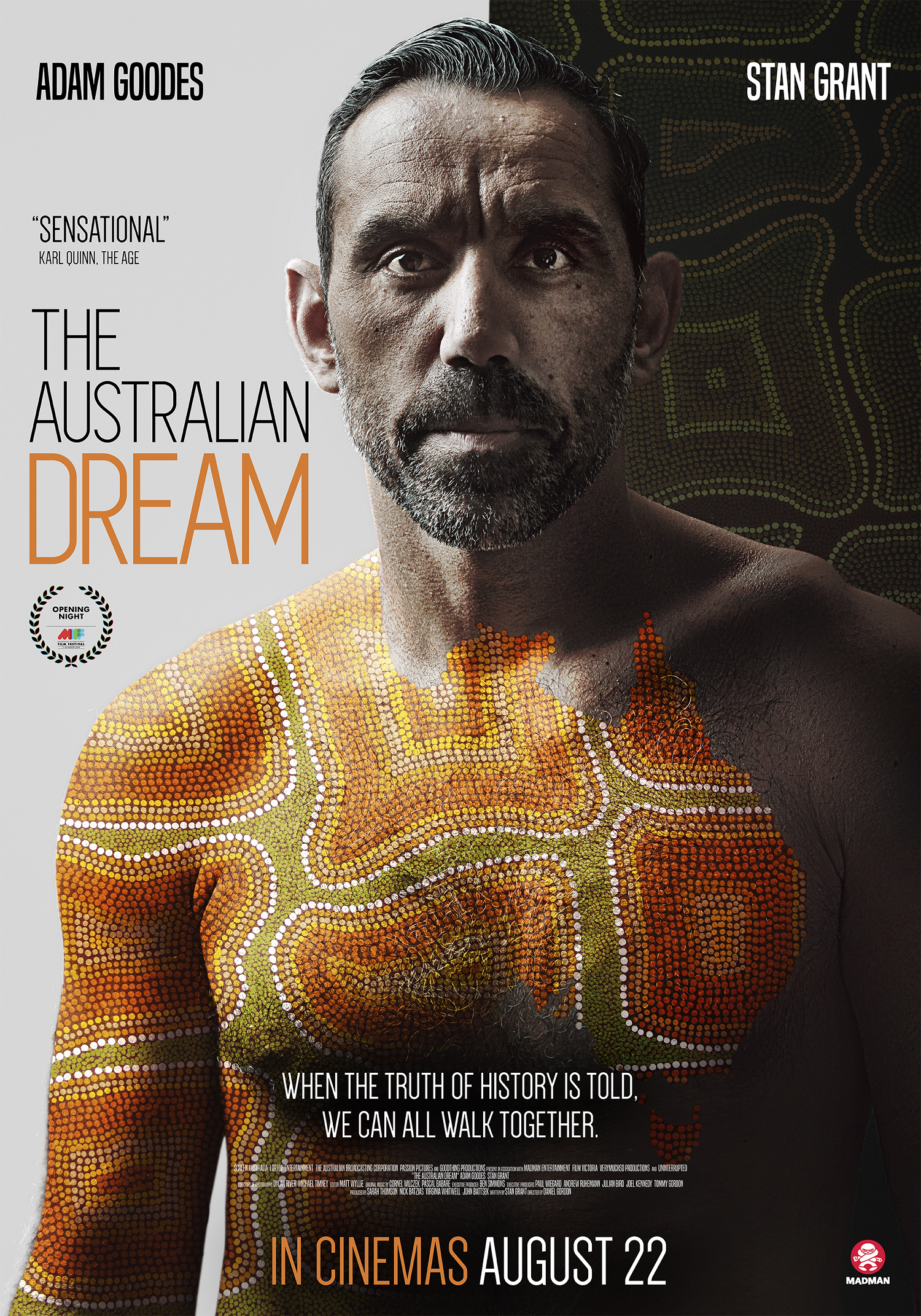
Since 1983, the Aboriginal-owned and founded design and strategy agency Balarinji, has honoured culture, community and Country with its award-winning design products, projects and campaigns.

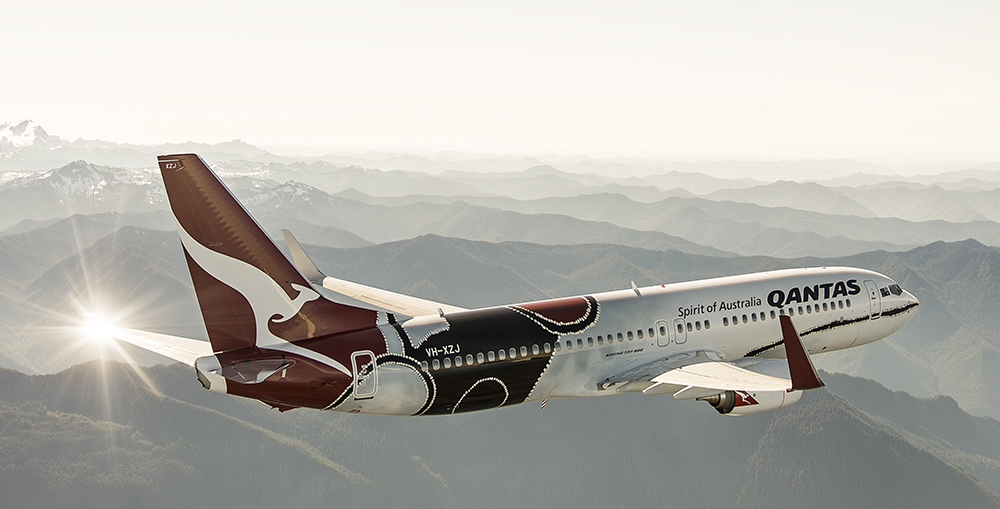
Qantas-Balarinji Yananyi Dreaming. (Image: Balarinji)
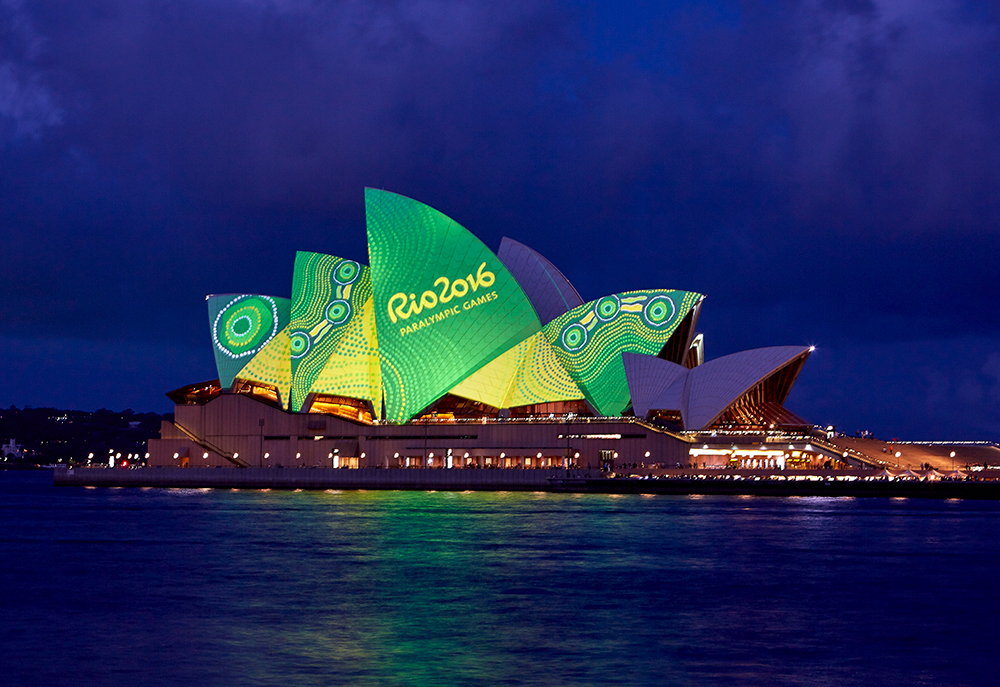
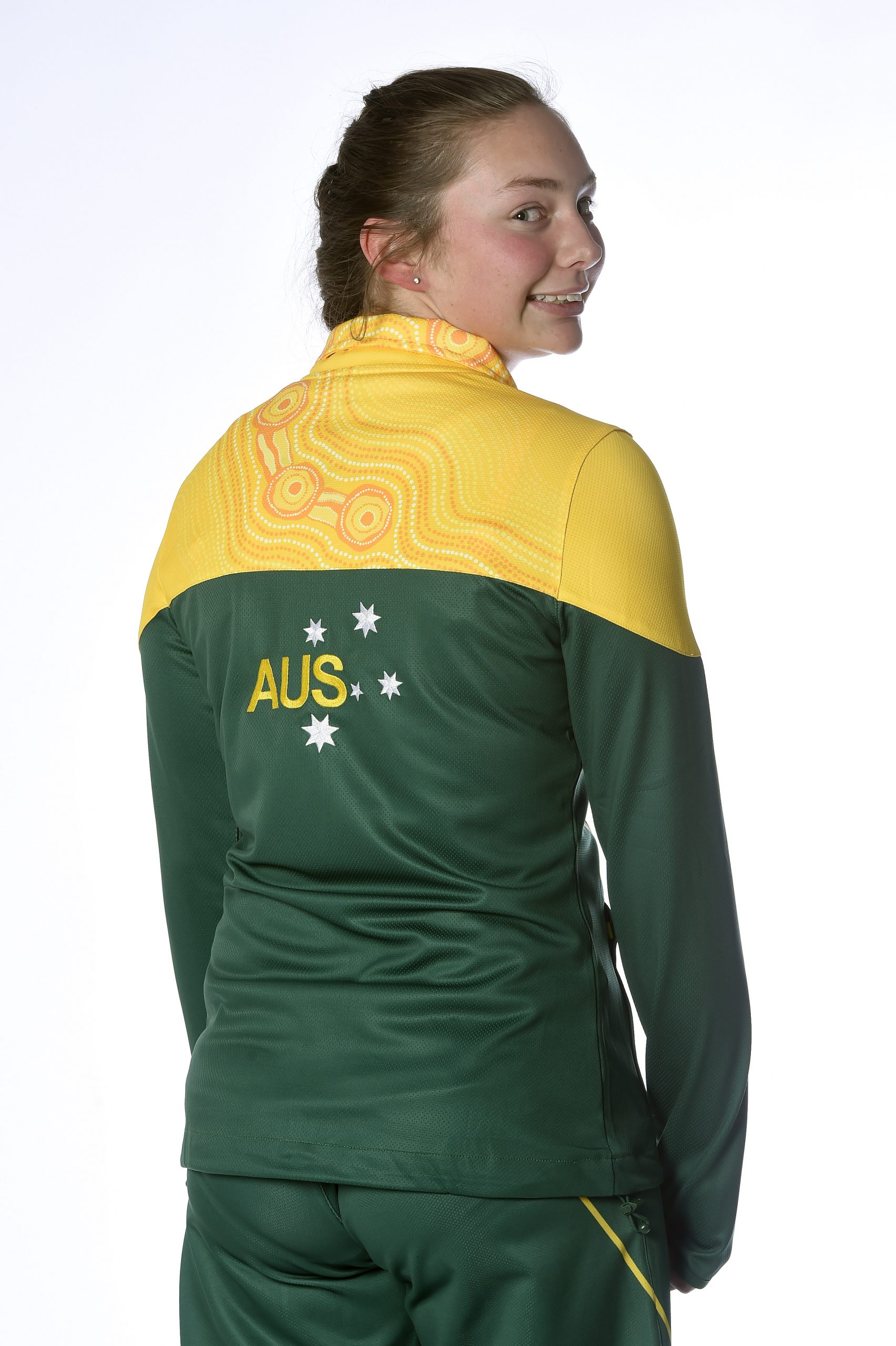
2016 Rio Paralympic Games Uniform Design (Image: Balarinji)

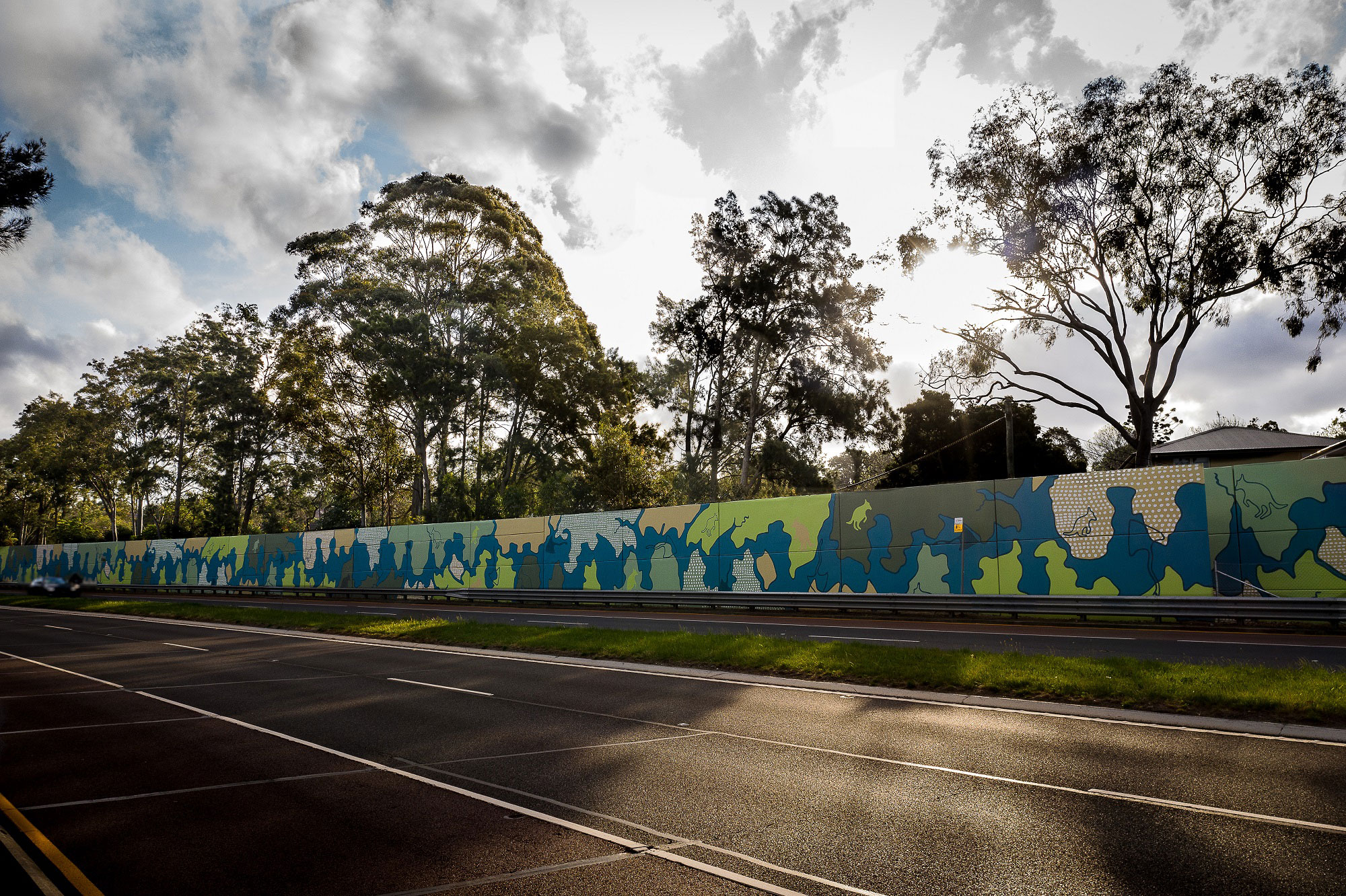
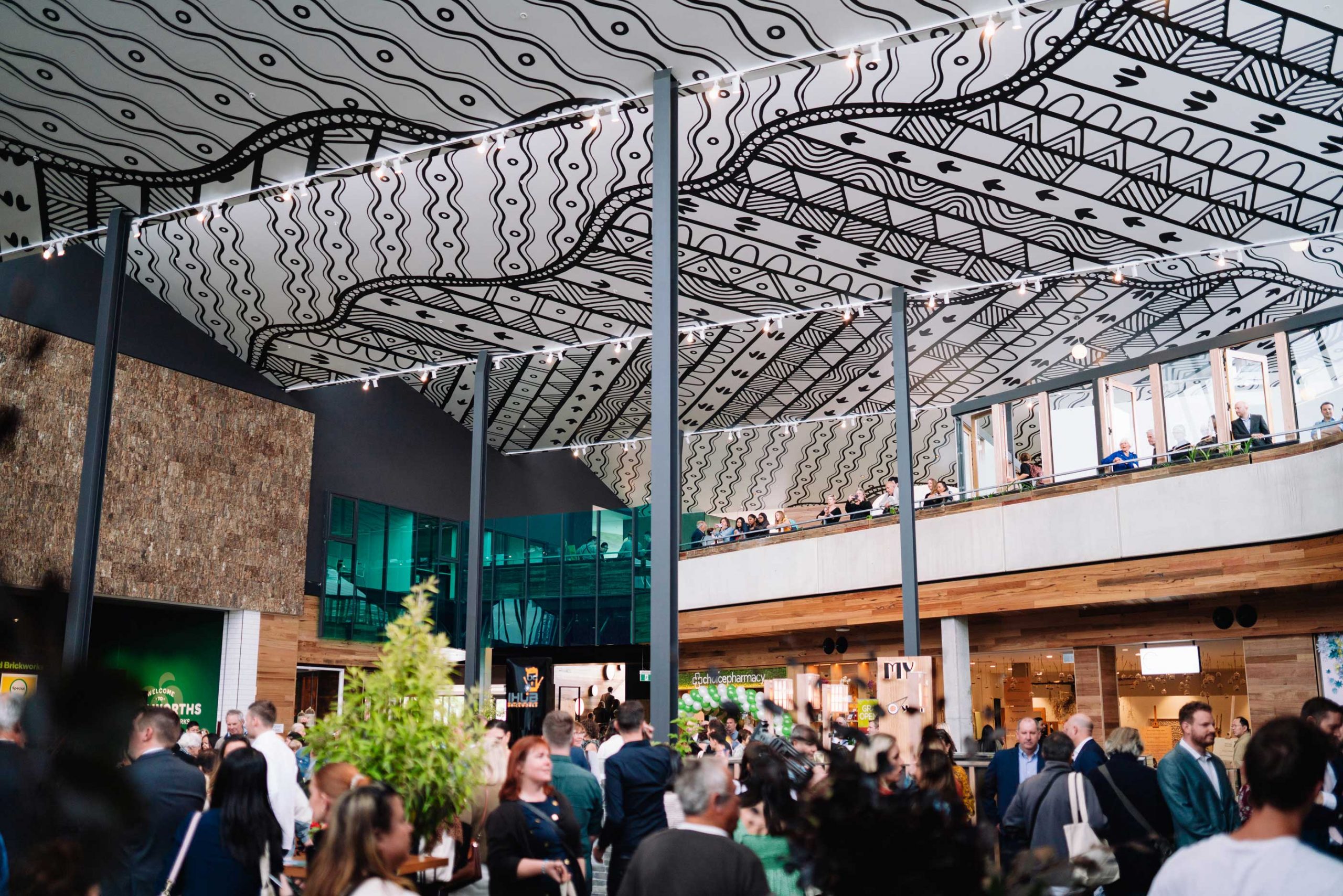
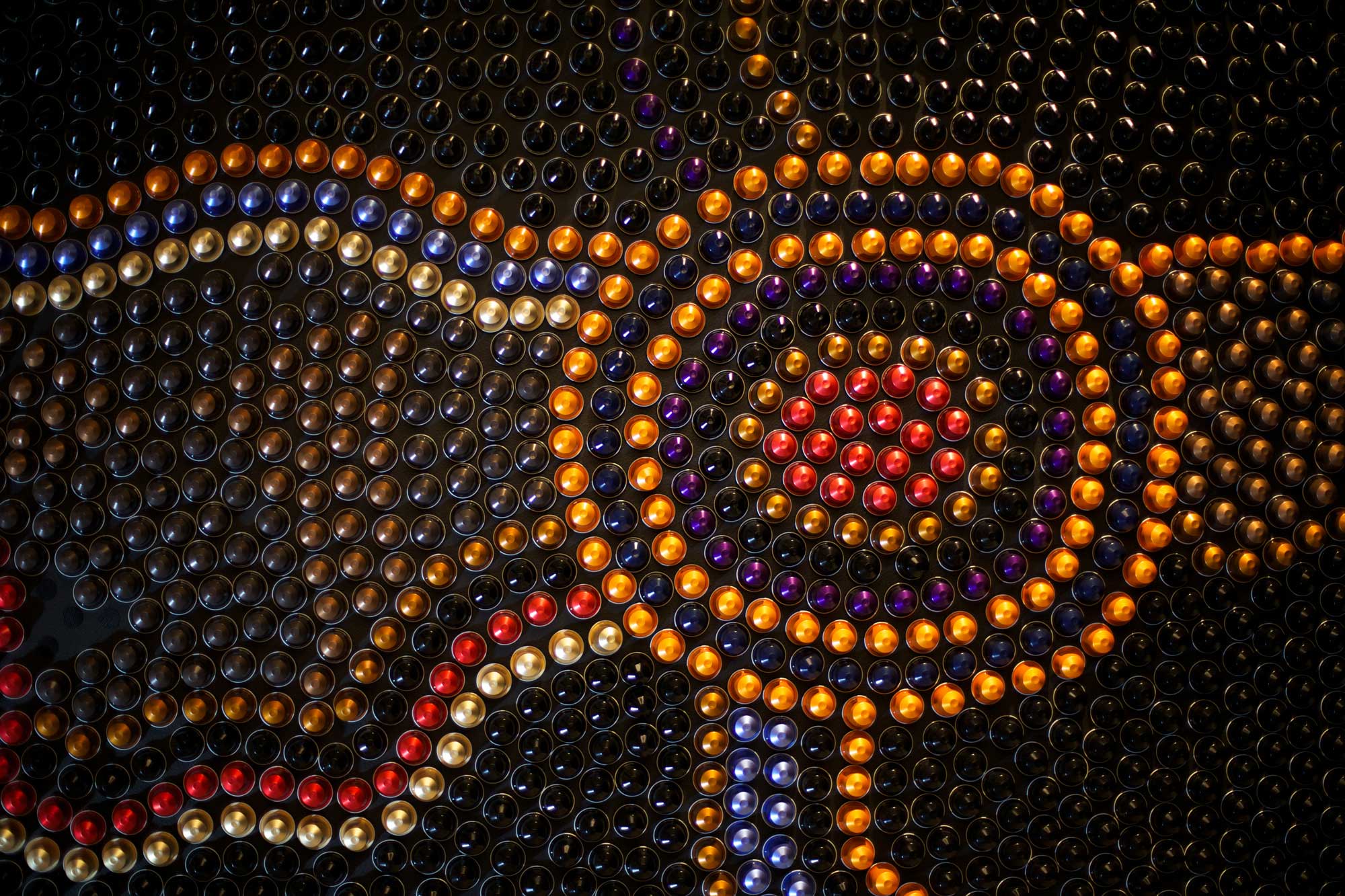
From their Qantas Flying Art Aircraft series to the Townsville Jezzine Barracks Redevelopment, the Australian Good Design Award Winning Burwood Brickwoods public art installation to the 2016 Rio Paralympic Games uniforms, their iconic work speaks with an authentic voice, resonates with power and passion, and is designed to deepen understanding and respect for Aboriginal Australia and Indigenous design.

Balarinji Co-Founder and Chair, Yanyuwa man John Moriarty AM, says, “We could never have imagined when we started out nearly 40 years ago, that our desire to celebrate our children’s belonging to my Yanyuwa people as well as to mainstream contemporary Australia, would grow to resonate so strongly as a contribution to our nation’s design identity.”

Burwood Brickworks Public Art Installation – 2020 Australian Good Design Award (Image:  Frasers Property Australia)

Encouraging engagement with Aboriginal people, culture, art, stories and identity through design is their legacy, and we hope this lives on for centuries to come.

Qantas-Balarinji Mendoowoorrji (Image: Balarinji)

Ros Moriarty says, “The thing I’m proudest of is the opportunities Balarinji creates, with our partners and clients, to give voice to Australia’s rich Aboriginal narrative. Whether we’re illuminating the work of a globally significant Aboriginal artist on the latest Qantas 787 Dreamliner, deeply embedding local Aboriginal stories in major public infrastructure, or inspiring the dreams of young creative professionals who work with us in the city, the Country or the bush, these are voices who enrich us all as Australians, and create a different legacy of place for the future.”

CEO of Good Design Australia, Dr. Brandon Gien, says, “One of our Jury members described Ros and John as national design treasures – I couldn’t agree more. We are deeply honoured to recognise their life’s work with the Australian Design Prize. It was a highlight of my career to share this news with them both. Looking at their vast body of work over the years makes me even more proud to call myself an Australian designer.”

2021 Australian Design Prize Recipients – Ros and John Moriarty

2021 Women in Design Award – Simone LeAmon

Story by Freya Lombardo.

This year’s Women in Design Award has been accepted by Simone LeAmon – one of the country’s foremost design creatives.

2021 marks the third year of this prestigious Award, created to address the significant gender imbalance within leadership roles in the design industry.

Considering the stark figures coming out of the design industry with women barely accounting for 17% across executive leadership roles, the Women in Design Award seeks to recognise and celebrate women who have made significant contributions to the industry and hopes to encourage a more diverse and equal representation within leadership roles and in the design and creative industries in general.

Dr. Brandon Gien, CEO of Good Design Australia said “The Women in Design Award recognises women at the top of their field and celebrates women who have made significant contributions to the design industry, with a view to encouraging more diversity moving forwards. I am thrilled that Simone has been recognised for her life-long passion and unwavering dedication to the design profession in Australia.”

Simone LeAmon has been described as ‘petite, pragmatic and ever philosophical’, yet she has become a towering figure in Australia’s design landscape. She juggles a rigourous and witty creative design practice with the demands of consulting, teaching, public speaking and her career-defining role as the National Gallery of Victoria’s Hugh D.T Williamson Curator of Contemporary Design and Architecture.

The NGV department is the first of its kind for an art gallery in Australia and LeAmon has co-curated an extensive program of acquisitions, exhibitions and events that showcase Australian and international contemporary design with vigour, including the delivery of the annual Melbourne Design Week and the upcoming 2023 edition of the blockbuster Melbourne Now.

What distinguishes LeAmon amongst her contemporaries is her uncompromising commitment to communicating the importance of design by championing its practitioners and celebrating their collective, creative output. Championing the importance of design and creativity, and the work of our creative communities for nearly three decades, her field of influence extends far beyond our shores.

In a conversation, what shines through is LeAmon’s resilience, tenacity and a deep humility – all underpinned by one characteristic she says is quintessential for any designer – curiosity. 

GDA: What might people be surprised to learn about you? Maybe something you wanted to be when you grew up? Or something you discovered about yourself? Perhaps something you learnt from someone special that has guided you?

SL: For many years, I dreamt of becoming an architect like my father. I changed my mind when I was told by a secondary school teacher that I didn’t have the mind for it. In fact, I struggled with math, and it took me years to read and write satisfactorily. I was too embarrassed and humiliated to confide in anyone, subsequently, I threw myself into drawing and making things. While I don’t have any regrets, I think of this teacher often and how (at the time) I decided to believe them. This memory still informs much of what I do today, particularly when speaking to young people, teaching, curating and working with others. Everyone has a story.

GDA: Can you tell us about the time that design became important to you? Was there a lightbulb moment or was it a gradual growing appreciation?

SL: At the age of ten, my parents gave me a sewing machine and I drove it like a high-performance vehicle. I designed and made clothes for myself, my family, school friends and sold accessories at the local market. There was no doubt in my mind that I would be the next Coco Chanel – or Jenny Kee! The realisation that I could express my ideas through the creation of clothes was a revelation. I discovered the transformative power of design and a love of craft and materials.

The context of the body and appreciating that not all bodies were the same, informed my earliest understanding of designing for others. This culminated in my first design commission, a brief from a beloved uncle who had lost his arm due to cancer. He asked for a shirt with a detachable right sleeve and no buttons. I recall the gravitas of his request. The desired outcome was a durable shirt that allowed him to dress himself. Following several prototypes, I presented him with the shirt. I’ll never forget the expression on his face.

Rakumba La Prima Ballerina, designed by Simone LeAmon (Photo: Pippa Dickson)

GDA: What were the objects, designs or built forms that resonated with you as you started to appreciate design? And why?

SL: My father is a gifted architect and I grew up in a house that he designed (and built) on a large bush block in Eltham. This brick, split-level residence (circa 1970) features cathedral ceilings, glass walls, a seemingly endless corridor, a galley kitchen, and custom-designed furniture. While informed by the design ideas of the time, it is full of quirky details such as an absence of door handles (now amended due to family pleading).

Family life revolved around this house. My mother always had an opinion on how something worked, and my father always had a measured, ideas-led response. Listening to and processing these conversations ­– on utility and aesthetics – resonated deeply.

GDA: What were you like as a student of art, then design? 

SL: Earnest. Enthusiastic. Driven.

GDA: Tell us about what’s memorable across your own practice? What gets you excited and in the zone?

SL: Putting one’s creativity to work and unlocking opportunities for the joy and benefit of others.

GDA: For you, what are the hallmarks of great design?

SL: Great design is of the time yet points to the future, respectful and mindful of its precedents. Design is a human tradition and because of this, it is encumbered upon designers to understand how their ideas, actions and decisions affect others and the world. Great design is grounded in context. It is not timeless nor enduring – it is evolving.

GDA: What makes a great designer?

SL: One of the defining characteristics of a designer is curiosity. You can’t afford to design by rote anymore. The formulas that were handed down to us from the 20th century have delivered some extraordinary things but also presented some extraordinary dilemmas.

Through curiosity, designers can link into the fields of science, technology and the humanities to practice in a truly interdisciplinary sense which allows us to conceive of things differently.

We can do this while also acknowledging traditions and knowledge systems that are vitally important because of the intelligence they have to offer.

GDA: What do you feel are the major challenges facing the design sector?

SL: There’s a responsibility for designers to interrogate what the future may hold.

I think that design operates on so many levels and there is a growing awareness that the decisions that designers, manufacturers and enterprises make in the formation of a delivery of design play an enormous role in shaping our lives, and therefore come with great responsibility.

We went through a period, certainly over the 90s and early 2000s where human-centred design was at the fore and I think we’re now traversed to a territory that is earth-centred or planet-centred.

We now realise that we’re not just designing for people. The stakes are higher. This is something that has become all the more pertinent.

Designing Women 2018 NGV, Curated by Simone LeAmon (Photo: Sean Fennessy)

GDA: Can you call out any recent examples of great design that have captured your attention and deserve recognition?

SL: It would be disingenuous to single out specific projects and perhaps what impresses me more is community action and collective support. It’s all about people working together to transform our cultural space in ways that inspire and inform our commercial sector to pivot and innovate.

I get really inspired by the work that many of our younger designers are doing. And I also think that speculative design that aims to ask questions and test assumptions and propose different ways of doing things is incredibly important. It’s exciting that in Melbourne we now have this growing culture of speculative design practice, which is the great R&D engine of design itself.

Daring to imagine to do things differently is essential.

GDA: You’ve been in the design and creative industries for three decades, how have they changed and diversified? If design is an international language – like music – we can have a cross-cultural dialogue through the lens of curiosity and craftsmanship and daring to do things differently that can enhance lives and respect the planet.

And therefore, it seems the field should be equally open to participation from both genders – or all genders. So how can women be best supported and recognised?

It’s fascinating isn’t it? When I reflect on that, I often wonder if the fact that I’m a female has informed my career. Has it shaped my practice in any way? Did it afford opportunities or deny me opportunities? I don’t really think I conducted the first 20 years of my practice really being concerned with any of those things. I didn’t really think of what it meant to be a female trying to chart a career in the sector but I think it did start to become present when you looked towards other female practitioners from whom you might seek some guidance or advice.

I was very very fortunate that I met the extraordinary Susan Cohn when I was in my 20s and she became an incredibly influential figure in my world, and a mentor. She had this high-flying international career and produced great work. She fulfilled an incredibly important role in my career development.

However, when I did embark on trying to work internationally, I was painfully aware that there was an uneven ratio of males to females. I wanted to understand the scenario statistically and I discovered that the retention rate in professional practice was the nub of the issue, because in many western democracies there was an equal ratio of males and females studying design.

So, I quickly understood that the impediments must be in practice itself and in the industry itself. I guess it’s something that I’m still conscious of to this day. There is a multitude of reasons – some of which are quite obvious, and some which are latent – but I think rather than try to solve the problem I just took it upon myself to encourage any young person – male or female – in their design pursuits, and I’ve always taken a particular interest in promoting young female designers.

It has really driven me to be constantly involved in teaching and it also motivates me to try to provide opportunities to showcase other female designers. A large part of my work at the gallery is being very vocal to ensure there is equity in the opportunities that we provide – between designers of all types – and especially with women.

GDA: What has surprised you most about your career so far? 

SL: Number one would be that a career is a work in progress. I think you can have all the aspirations and the ambition in the world, but it’s about how you meet the opportunities that are presented.

I have forged a career that has been about saying ‘Yes’ to lots of things in the understanding that there’s a lot of learning to be had. I could have said ‘no’ to lots of things, especially when friends and family might have good-naturedly questioned my motives. I remember often hearing ‘Why are you doing that? You’re not going to earn any money from it’. But, I think a lot of that self-directed, self-funded work has probably delivered the greatest learnings and outcomes upon which it has been possible to build and adapt.

This modus operandi has allowed me to pursue opportunities that technically I may not have been qualified for. I’d think to myself, ‘Goodness, I haven’t received formal training in half of these things that I do’. And it’s something I often speak to young people about. We live in a time where to be adaptable and flexible, and having the willingness to collaborate, are really important because the concept of specialisation is being challenged.

It’s not enough to do a good job. I think it’s more important to identify the things you care about if you really want to make an impact or arrive at a point where you genuinely want to make a contribution. You have to extend yourself to do the best that you can. That’s something that I’m very mindful of.

So yes – a career is very much a work in progress.

GDA: Can you give us an example where you found yourself in that stretched zone?

SL: I never imagined I would become a curator of contemporary design and architecture. Certainly, at a time when curators seemed to be people who have not one but several PhDs, people who have charted a career through an academic enquiry or a scholarly field and become domain experts.

But coming from practice and being a practice professional, I recognised that there was a distinct lack of dialogue and critical examination of the design that was being produced in this country and I really wanted to see design considered in that light.

Architecture seemed different. We have had many people who have made sure there is a critical dialogue on our built environment and built heritage. But when it came to the design and manufacture of things, and even extending to designer-maker culture and contemporary craft, it seemed to be treated perhaps a bit more lightly.

GDA:  What propelled you into the role of curator?

SL: I think my training and induction and participation in the world of visual arts alerted me to the fact that – goodness me – these people invest and site their work in really hard conversations and philosophy and critical theory and I was curious about why that wasn’t necessarily appearing in the design space.

Really it was out of a desire to want to see it exist that I started to curate independent shows and write about design. I am by no means an extraordinary writer but I would put my hand up to write about design for Australian publications. And it was about gaining the confidence to have a voice too.

And has been important to understand that writing and having a voice – just like designing and making – when you put it out in the world it is open to analysis and criticism. One has to build a really thick skin, but at the end of the day, it’s all about trying to encourage conversation.

I guess all that activity led me to the doors of the National Gallery of Victoria.

GDA: What would be a few of your most proud moments? 

SL: One of my proudest moments was when I delivered the Design Wall for the 2013 NGV exhibition Melbourne Now. I’ll never forget standing up in front of the NGV’s philanthropists and directorate at a high-profile event where Tony Elwood launched his vision for Melbourne Now. The dinner was set in front of the Design Wall that featured some 700 objects and I was asked to get up and speak about the designs featured. Suddenly I was talking about power tools and eskies and door handles, and passionately trying to communicate to these people about the creativity and the sheer genius that goes into each of these humble everyday objects.

Design Wall 2013, NGV Curated by Simone LeAmon (Photo: Nicole England)

I guess it was my equivalent of a TED Talk because I felt there was a lot at stake!

The fact that they were all designed and manufactured in Melbourne was impressive. And I wanted to alert the audience to the fact that we are extremely privileged and we should be proud that we live in a city where this activity takes place.

That was quite a moment!

Melbourne Now 2023 has just been announced and I’m embarking on Design Wall Mark II. It’s what preoccupies much of my time, going on that deep dive to understand what’s been designed and made here over recent years. And it’s an opportunity to again embrace that community of designers who often aren’t celebrated for the work that they do because it rests behind somewhat humble, everyday objects that don’t scream design.

My other incredibly proud moments include:

  • Seeing the NGV Department of Contemporary Design and Architecture and Melbourne Design Week evolve and grow.
  • The occasions when I receive a phone call from an excited student sharing news that they were accepted into their design course, of choice.
  • This Award!

GDA: What does being recognised with Good Design Australia’s 2021 Women in Design Award mean to you? 

SL: Being honoured with Good Design Australia’s Women in Design Award is such a surprise because I didn’t realise I was nominated. It’s hugely significant to me – in more ways than one.

When you’re the practitioner and the creative, you invest a lot of yourself in the work that you do and receiving accolades for that work and the value you derive for your clients is really important, but there’s something even more meaningful about being recognised for a contribution to the sector where you’re enabling others to do their best work.

Cultivating an environment where design and creativity is valued, where there are opportunities to participate and contribute to the sector is paramount. There is much work to be done to ensure that there is a culture that can deliver these opportunities, ones that inspire others to do their best work.

The vitality and prosperity of the Australian design community, its capacity to chart opportunities, unlock value for culture and enterprise, and deliver benefits for people, communities and the planet is my passion. Equally, is my desire to see women and people from diverse backgrounds both participate and be recognised for their work in design.

GDA: How can this recognition help boost the profile of other women in design? 

SL: I hope this Award sets forth the thought – “If she can do it, so can I.”

By recognising the contribution women make to design, we are better placed to encourage an environment of participation.

I receive so much joy from seeing others achieve their goals and their dreams. Certainly, over the last years, that phone call you place with a designer to say that their work has been acquired by the NGV for the collections or that we’d like to work with them on an exhibition or that we’d like to commission them for a project – I put my younger self in their shoes as a creative – and it’s genuinely rewarding to see their reactions and be part of their success.


Discover more about Good Design Australia’s 2021 Women in Design Award recipient, Simone LeAmon here.