Video games in their many forms have steadily become a focal point of the world’s digital entertainment fixation. Since their 1960s inception, they’ve evolved from a medium once reserved for a select few innovators to a means of on-demand fun available to just about anyone with a smartphone.
With this rapid revolution has come an ever-changing process of game design and development. The approaches, ideas and scopes have transformed alongside persistent technological advancements to expose new frontiers in adventure, immersion and interactivity.
Let’s pick up the joystick and explore the reality and history of video game design!
A brief history of video game design
- 1970s – Arcade machines
In the mid 1970s, programmable microprocessors spearheaded the advent of the arcade machine – a cabinet-housed and usually coin-operated gaming device commonly found in amusement arcades. Arcade game design in these early days was restricted by 8-bit central processing units that allowed for very simple graphics and sound. Even then, games such as Pong and Space Invaders saw great success and have since become household names.
- 1980s – Home consoles
Home consoles sought to bring the arcade experience out of the arcade. They featured less powerful microprocessors than their arcade counterparts, but were able to be hooked up to home television sets and play numerous games housed in swappable ROM cartridges. The earliest commercially-successful consoles were the Atari 2600 and the Nintendo Entertainment System (NES).
Platformer games dominated home consoles in their early years due to their technological limitations, namely Super Mario Bros. and Alex Kidd. They typically involve a character navigating a series of levels by jumping on platforms, overcoming obstacles and avoiding or attacking enemies.
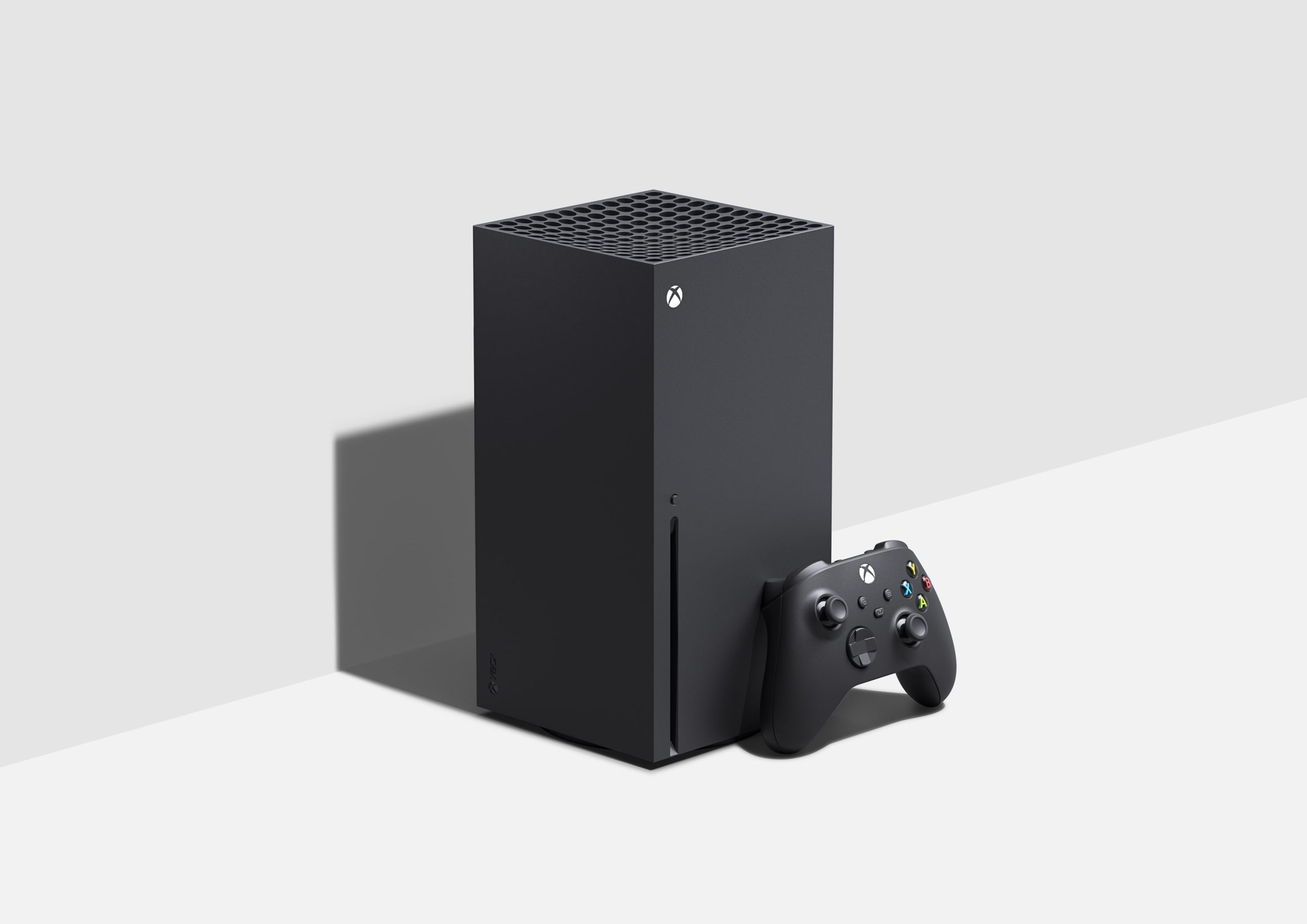
Now, home consoles such as the Good Design Gold Award Winner, Xbox Series X, are powerful enough to rival the processing and graphical power of home computers. This has made way for massive games of open-world design to be explored within the home. These games offer players the freedom to indulge in expansive virtual worlds, interact with various characters and complete objectives in any order they choose – sometimes for 100s of hours. Games such as Grand Theft Auto and Assassin’s Creed dominate this modern genre.
- Late 1980s/early 1990s – Handheld consoles
Following the success of home consoles, game developers and designers strived to condense the gaming experience into an on-the-go format. This evolved into the handheld console, an even less powerful system than the home equivalent but with unrivalled portable potential. The Game Boy revolutionised the handheld field and gave rise to ongoing franchises such as Pokémon and Tetris.
Role-playing games (RPGs) fit the comparatively weaker handheld systems perfectly in their early days. They describe a malleable genre where players assume the roles of fictional characters and engage in a variety of activities, such as exploring a virtual world, completing quests and battling enemies. In design, RPGs were less reliant on graphical power and instead focused on deep narratives and character development to tell rich stories.
- 1990s – Dedicated PC gaming
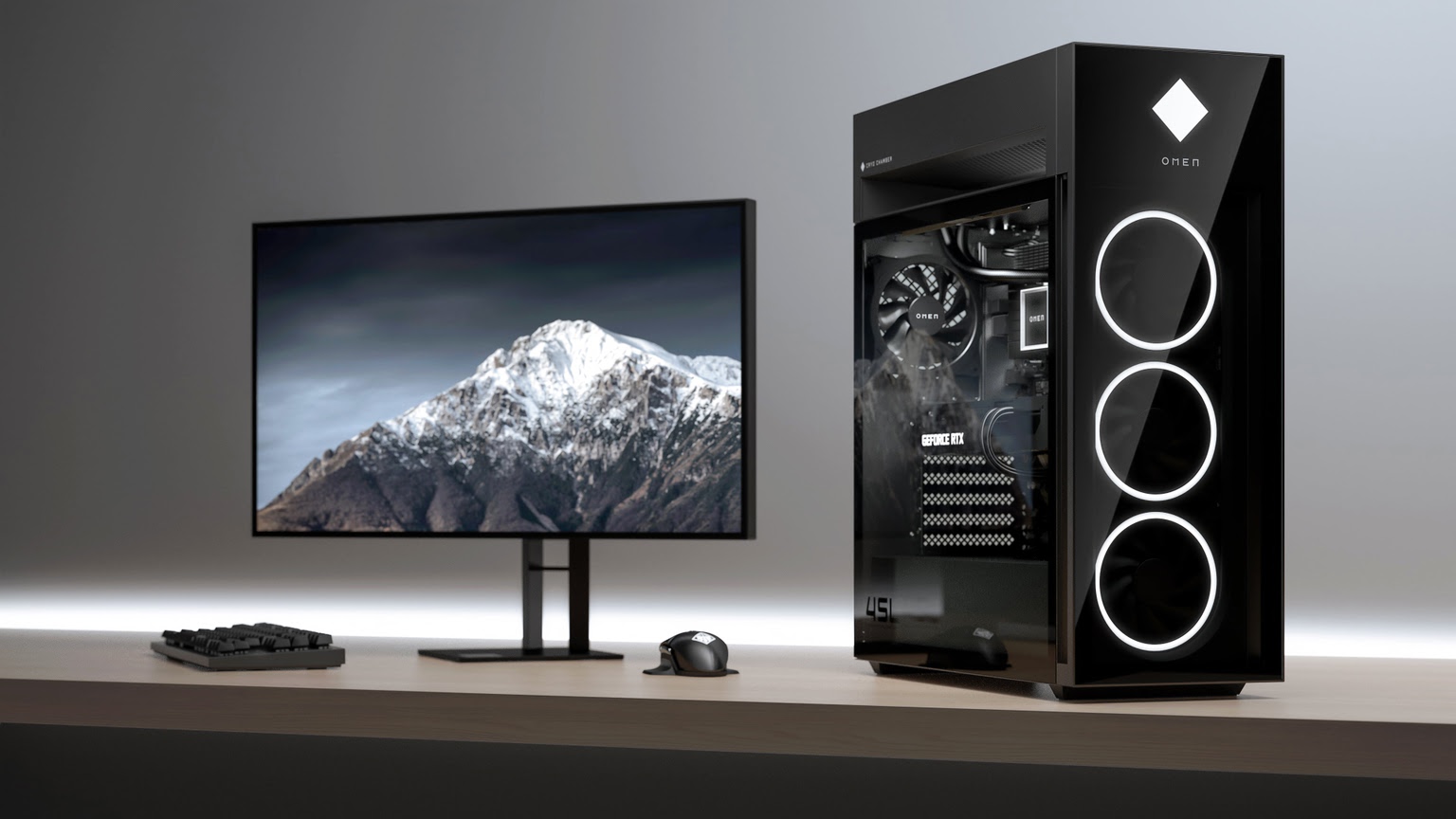
While PC gaming has been around since the very beginning, the 1990s saw the medium skyrocket and a dedicated PC community evolve. At the time, PCs were markedly more powerful than home consoles and handhelds, which allowed for more complex, sophisticated games and ambitious games to develop. They were also commonly customisable, meaning gamers could swap and upgrade parts to augment their gaming experience. Good Design Award Winner, The OMEN by HP 45L Gaming Desktop, is a modern example of a capable, modifiable machine.
The PCs online capabilities significantly extended the multiplayer game realm out from its previously split-screen limitations. This allowed game designers and developers to focus on real player-to-player interaction in-game, birthing classic titles such as Doom, Quake and Starcraft and paving the way for large-scale competitive gameplay now seen in games like Fortnite and Apex Legends.
With greater processing abilities, game designs based on procedural generation came to life. They implement algorithms to generate game content as you play, allowing the possibility of unique gameplay every time the game is played. Minecraft, the best-selling game of all time, is a stellar example of a procedurally-generated game.
- 2000s – Mobile gaming
As mobile phone technology developed, so did their ability to become capable gaming devices. While limited in processing and graphical power by their small size, their multi-functional capabilities and portability have led to their positioning as the most popular and accessible gaming devices in the world.
Casual games dominate the mobile game library. They are specifically designed to be played in short, casual sessions, with simple gameplay, straightforward mechanics and quick gameplay loops intrinsic to their success. These games have adapted to the mobile device’s buttoned beginnings and now to their touchscreen successors, with titles such as Candy Crush and Clash of Clans leading the charge.
- 2010s – VR and AR gaming
The development of virtual (VR) and augmented reality (AR) technology in the 2010s has revolutionised the gaming experience and opened the doors to immersive and interactive experiences previously unforeseen. VR games transport players into virtual environments with specifically-designed headsets such as the Good Design Award-winning HP Reverb G2 and Oculus Rift, while AR games transform the real world into a virtual world usually using a mobile phone.
Beat Saber is a popular example of a VR game, while Pokémon Go captivated the world with AR technology.

What has fueled advancements in video game design and development?
The easy answer is rapid technological developments. In the past 60 years, gaming experiences have transformed from necessitating whole-room computer labs to simply requiring your everyday mobile device. The barriers to entry for game design and development have simultaneously decreased, with some of the most popular games available today a result of one person’s work.
But, to be more specific, development in the below areas has empowered gaming to reach incredible new heights and make the medium accessible to people all over the world:
- Graphics processing units (GPUs) and central processing units (CPUs)
CPUs are the computer equivalent to the engine under the hood of a car. Significant development in CPU technology has led to faster, more powerful and adaptable gaming computers, home consoles and mobile devices. Multi-core CPUs such as the Intel Core i7 and i9 series now allow clock speeds up to 5.8 GHz or 5800 MHz. In comparison, the clock speeds of the first generation of arcade machines and home consoles were 8MHz.
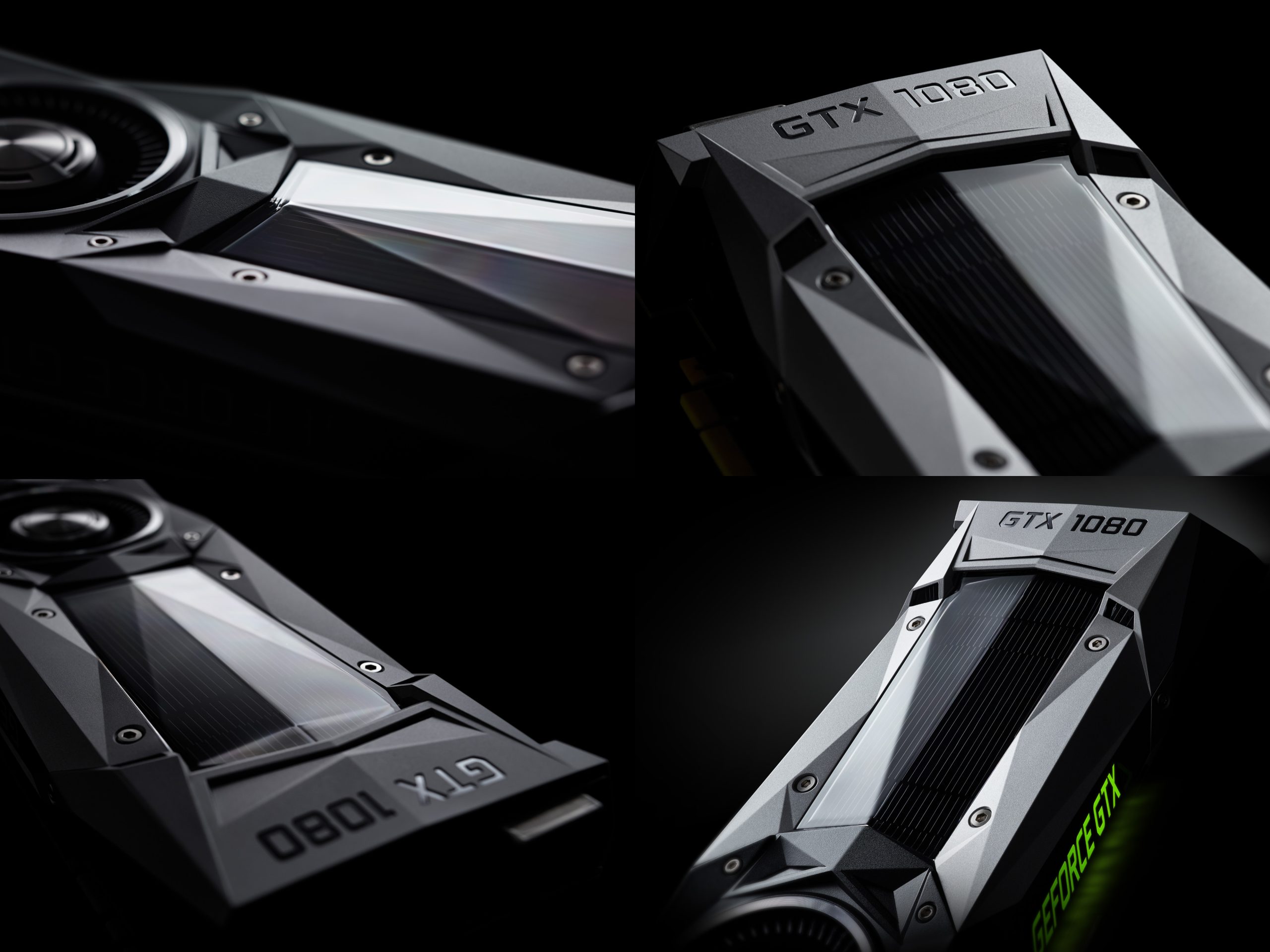
GPUs are integral graphical gaming performance. Constant advancement in GPUs have made way for increasingly complex and realistic graphics, higher frame rates and smoother gameplay. Dedicated GPUs, such as the Good Design Award-winning Nvidia GeForce, have brought digital realism to a whole new level.
- Game engines
In the 1990s, game engines such as the Unreal Engine emerged as a popular way to create games. They provide developers and designers with pre-built libraries of code for graphics, physics and sound, allowing them to focus more on the game design and less on the technical details. Some game developers have even developed their own game engines to release incredibly detailed games like Stardew Valley – the result of one person at the helm of development, art, music, sound effects, story and dialogue.
- Game media development
The data of home and handheld console games were originally stored in read-only-memory (ROM) chips in swappable plastic cartridges. However, as game design became more ambitious, cartridges could no longer handle the data load.
CD-ROMs quickly became the norm in the 1990s to circumvent this issue. These discs were cheaper to manufacture, held more game data and empowered the world of 3D graphics to be realised in-game.
Now, discs have made way for fully downloadable games that require no physical media to play at all. The leading console of this current generation, the PlayStation 5, even has a variant without a disc drive to focus entirely on downloadable media.
Recognising video game design on a global scale
The Game Design and Animation sub-category of the annual Australian Good Design Awards strives to celebrate the video game designers and developers making waves in the ever-expanding space. With a focus on game, character and set design, this future-focused sub-category understands the incredible impact video games have on our modern world and their potential to uplift the excitement, immersion and fun of anyone – regardless of age and location.
Make your mark in the video game space by entering your game design for evaluation by an industry-leading jury in the Australian Good Design Awards.
The 2023 Australian Good Design Awards are open now
Submit your entry and make your mark on a prosperous future for all today. Submissions close 21st April, 2023.
ENTRY INFORMATION HERE