Design for manufacture

Beginning in the late 18th century, the Industrial Revolution saw the Western world transition from a primarily agrarian and handicraft economy to one thriving on machinery. Time-honoured artisans were quickly replaced by new manufacturing techniques and industrial technology that produced articles on a massive scale. With that came a decrease in costs and an amplification of pace.

Intricate and tailored manufacturing didn’t sit well alongside this radical efficiency shift. A new emphasis on simple, modular and fewer-pieced designs began to reign instead, with fresh manufacturing processes requiring products to be easily brought together at speed. Manufacturability rapidly became a critical aspect of good design. 

This prevailing attitude of ‘do more with less’ has remained ingrained within design approaches of our modern age. Read on to trace an over 250 year-old design journey and discover the developments crucial to a design revolution that’s still ongoing. Plus, explore a few Australian Good Design Award winning projects that embody the best aspects of efficient manufacturability.  
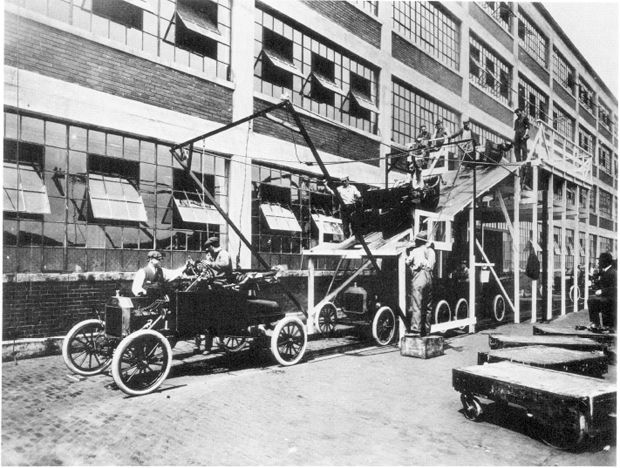
The final stage of the Model T assembly line in Highland Park, Michigan. Image: Ford Archives – Henry Ford Museum

Manufacturing revolution – design realignment

As noted by Arthur J. Pulos in a piece for the American Design Ethic, mass production requires great optimisation of the, “quantity and quality of the materials and the human and synthetic energy being consumed [in the manufacturing process], without reducing the value of the product that results.” He states that it brought about great technological change to realise this ‘do more with less’ rhetoric. 

The assembly line was one of the major advancements that energised the mass manufacturing revolution. Credited to the inventor of the world’s first mass-produced vehicle, Ransom E. Olds, at the turn of the 20th century, the assembly line saw the manufacturing process broken down into a series of simple tasks along a production line. Workers with very specific jobs are stationed along the line, completing parts of the whole product before it moves onto the next station.  

Henry Ford, founder of the Ford Motor Company and critical player in modern industrialisation, refined the assembly line not long after its introduction. He established a number of innovations, including the use of standardised parts, interchangeable components and specialised machinery. This allowed for the efficient production of large numbers of automobiles at a low cost. 

Production and manufacturing designers drove the success of these large-scale manufacturing processes. It required an article’s design to critically take into account the technologies and operations at play in the manufacturing stage, as well as the production quantities expected. Such designers work to shift away from artisan-style design to set the stage for easy, efficient, cost-effective and optimised manufacturing.
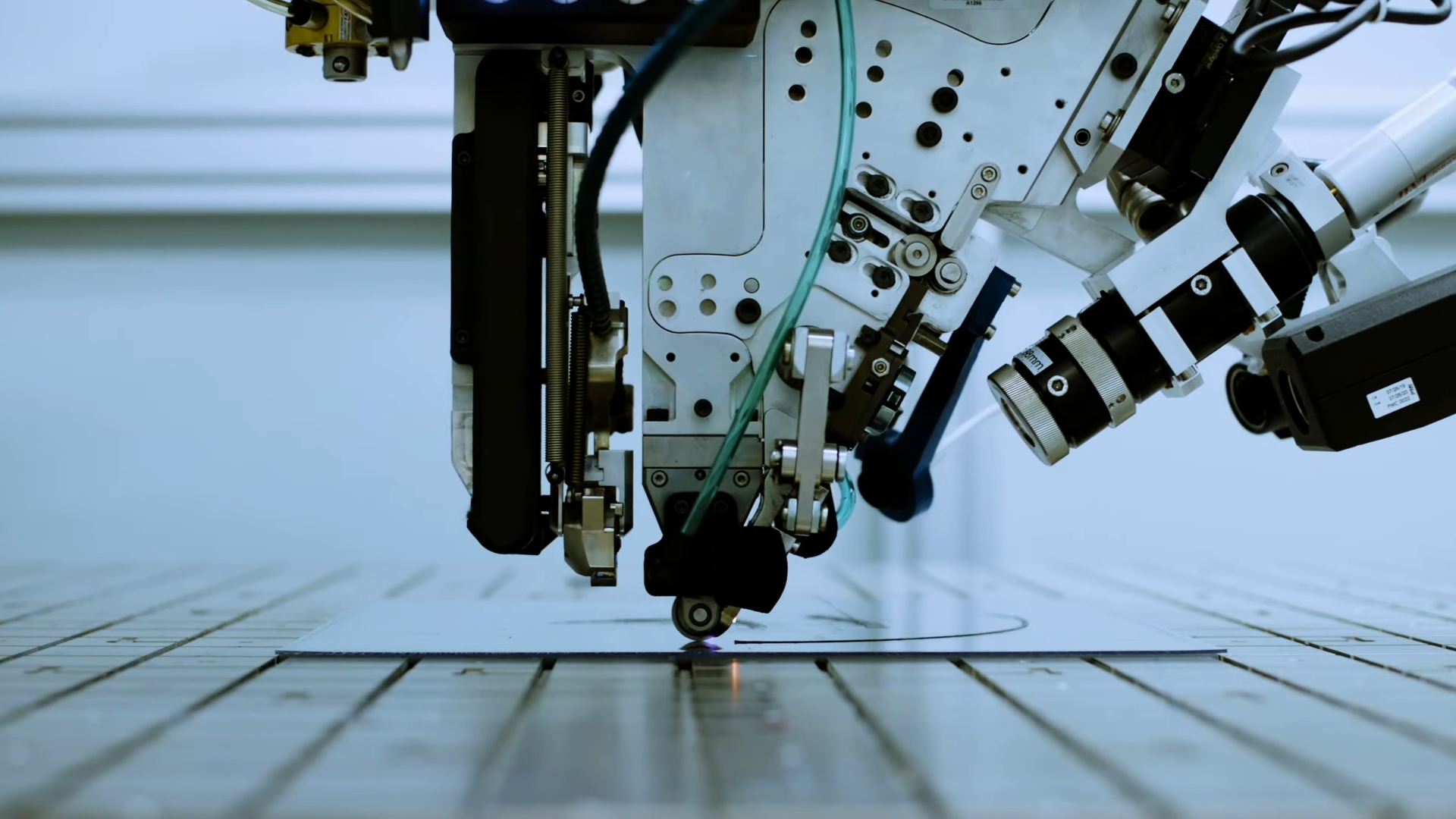
Robotic automation and 3D printing brings to life the 2022 Good Design Award Gold Winner – Scotsman Electric Scooter. Image: Scotsman

Optimising design for manufacturability in our modern age

Many modern industrial designers take a leaf out of Old and Ford’s book in their everyday work. The principles of mass production that these innovators set in stone have now been applied to almost every industry – consumer goods, electronics, textiles and more – which means designers worldwide are required to innovate in-line with manufacturing capabilities and needs. 

A crucial part of design for manufacture is the engagement of manufacturers in the development and design process. It opens up the conversation to include technological capacity, production quantities and available materials, with cost-efficiency and reductions in prototyping and manufacturing time usually the key emphases. This allows a product of the highest possible quality to perform as expected, without compromising a smooth and affordable manufacturing journey.

For example, as advanced robotics, automation and injection moulding increasingly become key parts of the manufacturing process, modular or one-piece designs are being necessitated. It’s in this way that products are able to be pieced together on production lines with relative ease in a puzzle-piece style. 

With continuing advancements in manufacturing processes, design for manufacturability is a vital part of the modern industrial design discipline. It’s how innovators have been able to adapt to pricing variabilities, competition and movements in material availability, proving its future-proof ability to stay ahead of market pressures. The approach shows that a design-led thinking extends beyond the engagement of the design’s end users to include those bringing them to life on a manufacturing level.
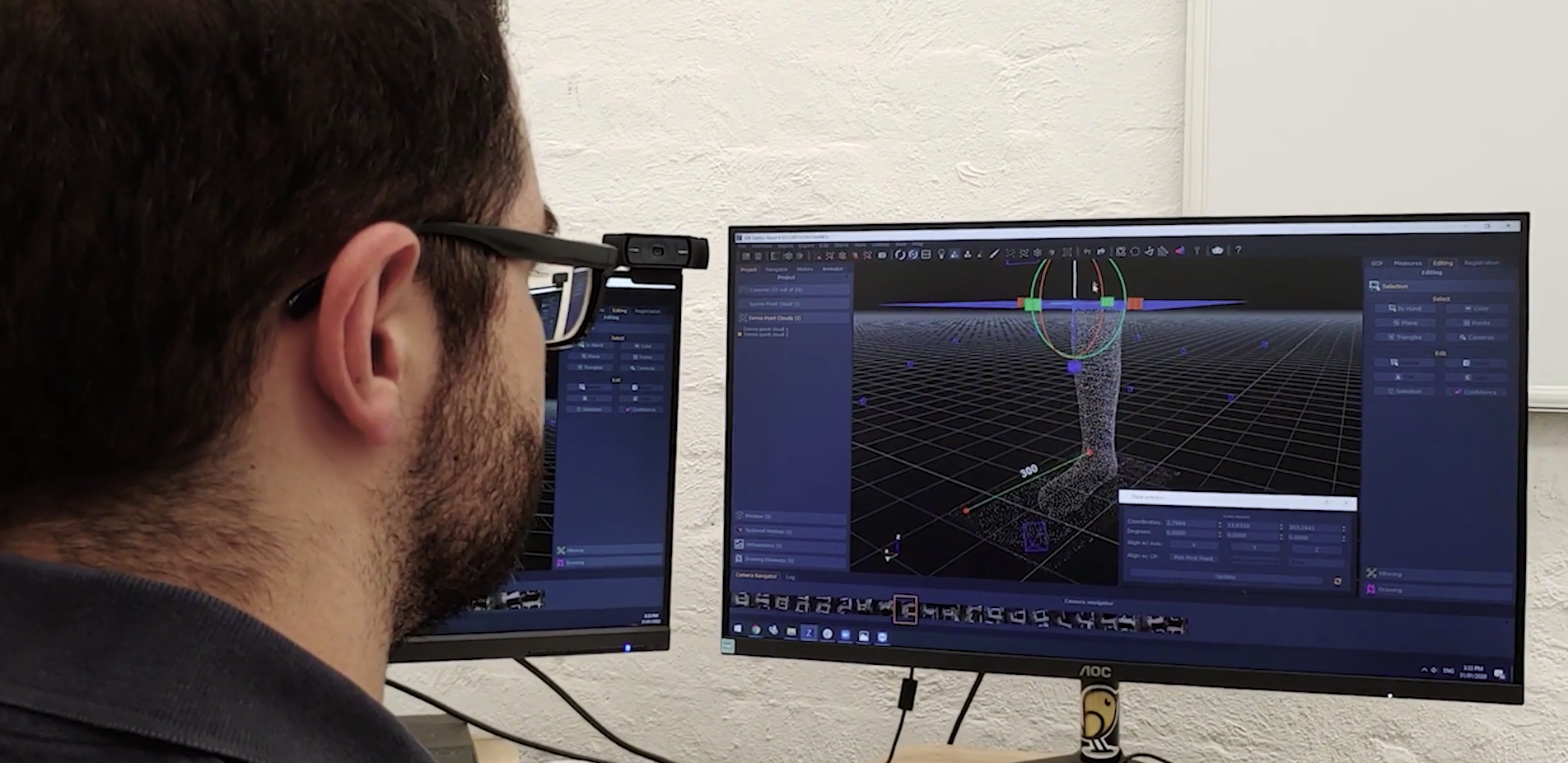
2020 Good Design Award Best in Class Winner – AbilityMade – uses 3D scanning and digital fabrication platform remove the need for plaster-casting. Image: AbilityMade

Manufacturability at play

Designers don’t have to be under the stress of large-scale production to innovate for ideal manufacturability. In fact, the critical aspects of mass production – cost-efficiency, manufacturing speed and simple construction to name a few – are just as applicable to small-scale designs. Its cost, time and future-proofing benefits can still be vital to their success.

The following three Australian Good Design Award winners have been recognised to embody the best aspects of the design for manufacture approach:
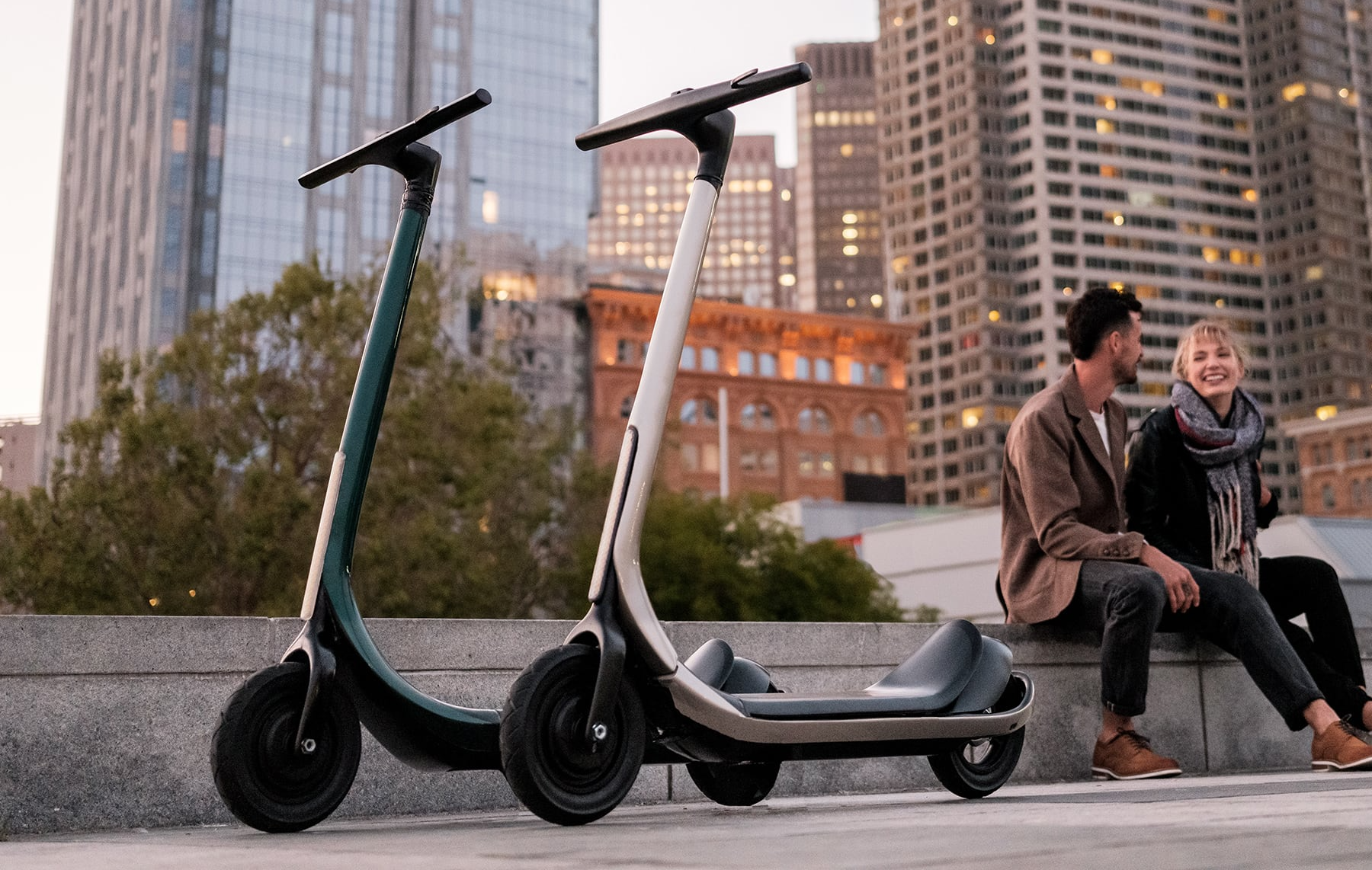
Mobility embodying modern manufacturing efficiency. Image: Scotsman

Scotsman Electric Scooter

2022 Good Design Award Gold Winner

Scotsman is the world’s first fully connected, all-carbon fibre scooter. Cruise around traffic congestion with a sustainable ride designed to last, with its study, yet light frame offering a speedy, energy efficient experience – every time.

An optimised 3D printing process using carbon fibre thermoplastics brings the manufacturing cost down 60%, allowing the Scotsman to thrive at the meeting point of power, design, quality and affordability. It stunningly presents the future of urban commuting with no compromise to performance.
Learn more

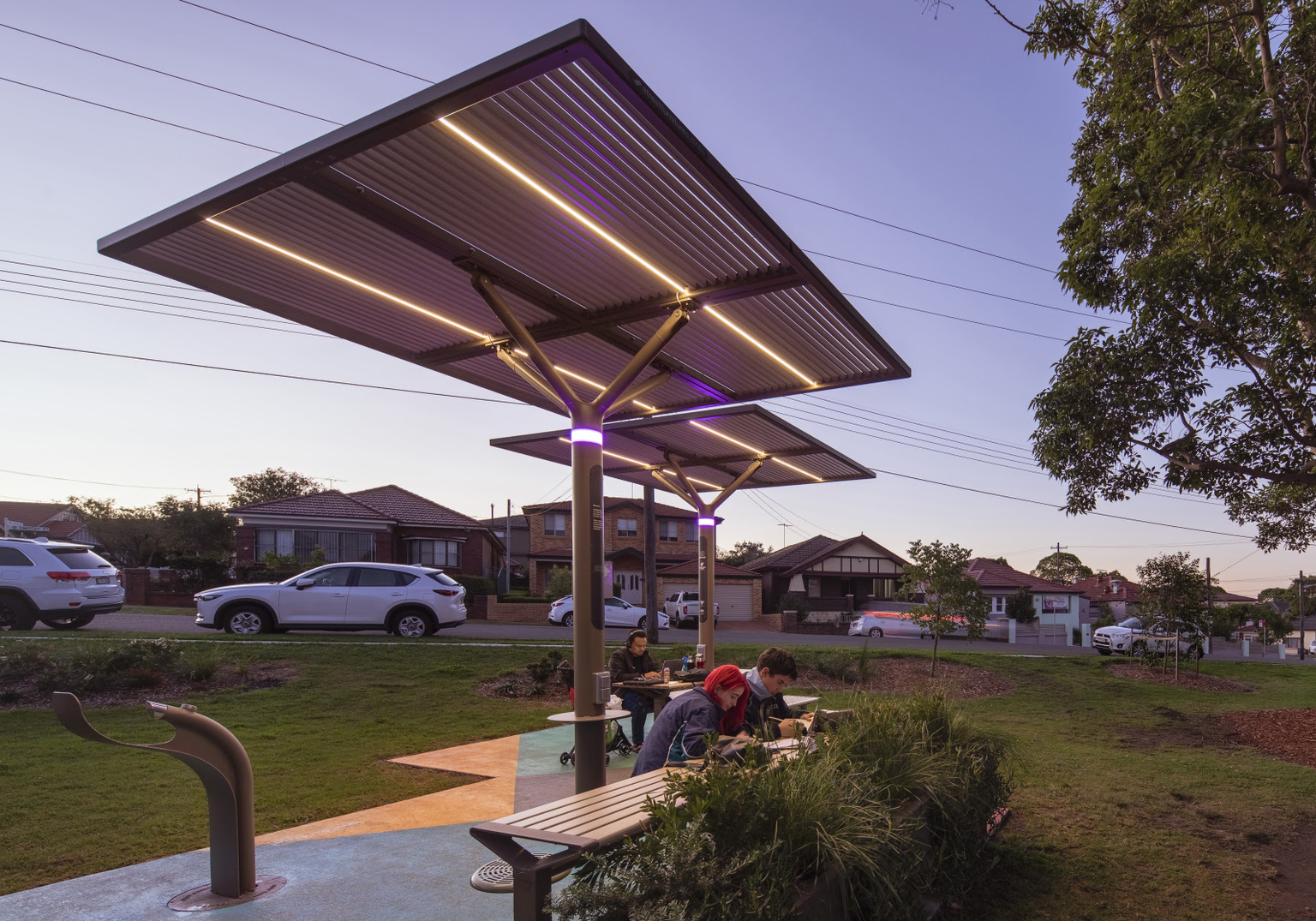
Modular shade for sunny, productive and connected days. Image: ChillOUT

ChillOUT Tree

2022 Good Design Award Gold Winner

The ChillOUT Tree is a landscape architect’s solution to a lack of shade in high-traffic urban spaces where actual trees don’t fit the bill. They are smart, modular shade structures that activate outdoor community hubs as safe and accessible ‘third places’. 

A modular approach to manufacturing uplifts the ChillOUT Tree as an easily serviceable and upgradable public amenity. The designers challenged an unmet need for simple shade structures that provide more than just that, bringing modern, practical and technological experiences to the public domain in a completely integrated offering. 
Learn more

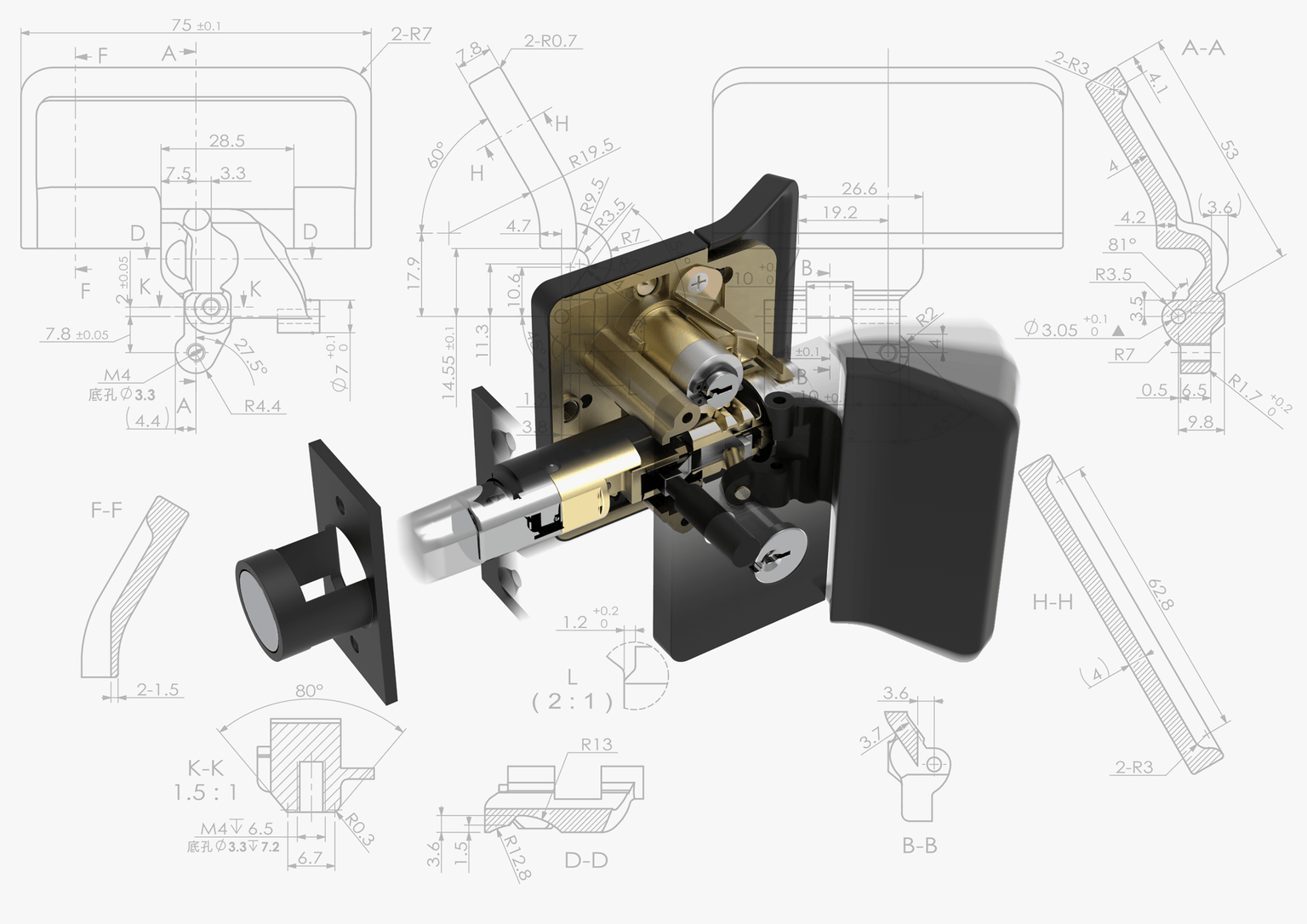
The revolution of an everyday action. Image: Lane

PIVYT by Lane

2022 Good Design Award Best in Class Winner

Simple, aesthetically pleasing and compact, the PIVYT by Lane introduces a sleek new way to access and secure your home away from traditional over-complicated and tired handle/knob designs. It delivers a new benchmark for door hardware innovation that stands out in a highly competitive market that constantly contends with commodification.

They challenge existing door hardware componentry by minimising surface area, in turn decreasing manufacturing materials used, and also reducing the opening of door to only one action – simply pull. PIVYT’s ability to be retrofitted simultaneously extends its use cases in homes of all eras.   

Learn more


Entries for the 2023 Australian Good Design Awards have been extended to 5th May

The deadline to be a part of the 2023 Award season has been extended, with entries now closing at midnight 5th May. If you have an idea, product, project and service ready to make its mark on the design world and our wider society, don’t delay – submit your entry today. 

ENTRY INFORMATION HERE
Design Thinking in Architecture

Design thinking involves a strategic approach to ideation, planning and creation that emphasises the human experience as the focal point for action. It’s about looking forward to the future, empathising with the present and being informed by the shortfalls or success of the past. Making mistakes is all part of the process and crucial to sure design.

In the architectural space, design thinking is being increasingly employed to push the boundaries of form and function. It’s empowering structures that are not only visually striking and practical, but more sustainable, user-friendly and reflective of their location and the people that interact with them. From holistic living solutions to high-tech workspaces, design-led architecture is becoming the driving force behind more and more innovative, adaptable and considerate destinations.

Championing the very best in design-led architecture in the annual Australian Good Design Awards, Good Design Australia has watched the problem-solving methodology evolve into a defining aspect of future-focused architecture over the last 65+ years. Here, we explore the design thinking phenomena and dive into some Award-winning designs embodying the process.  

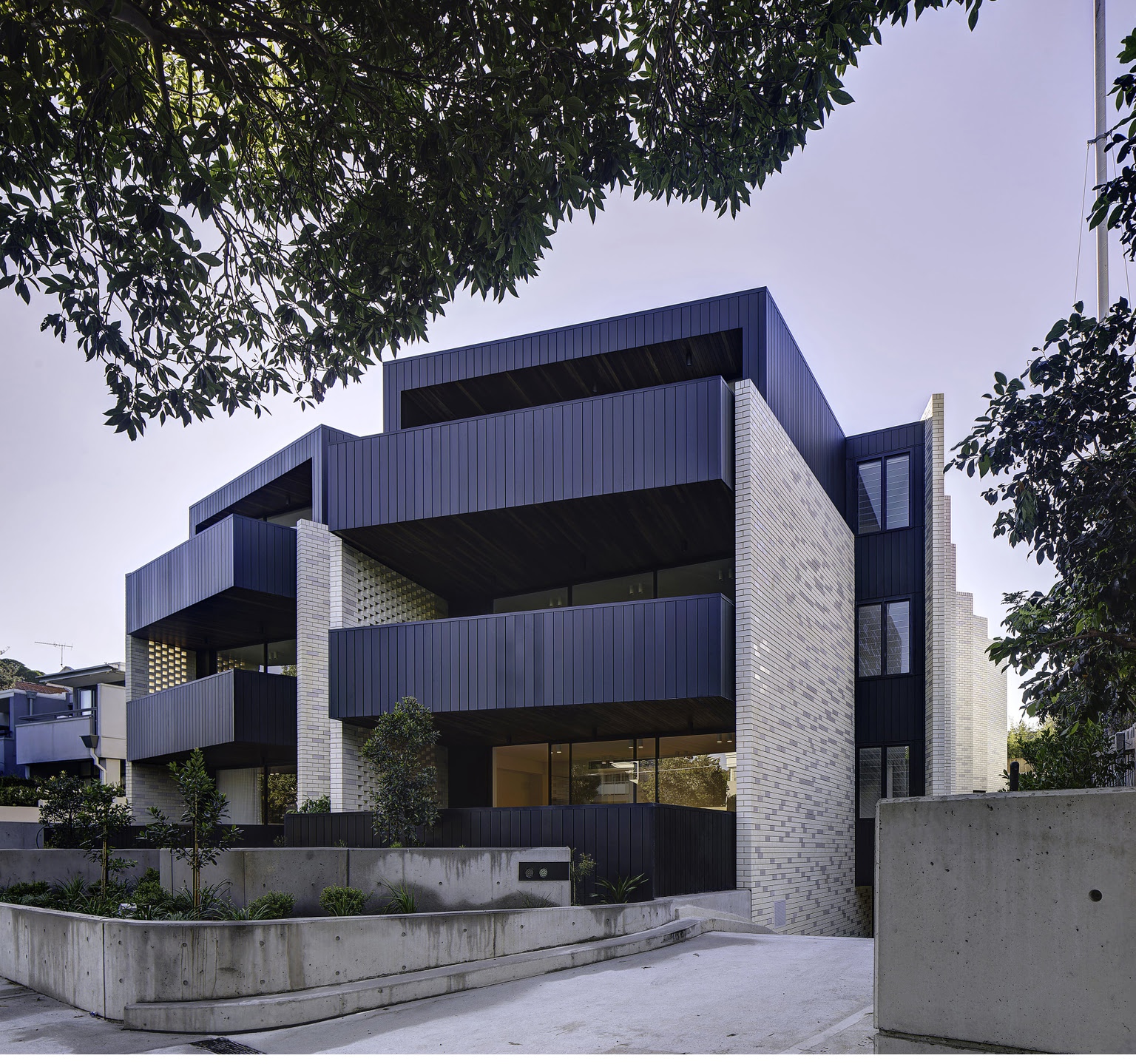
Innovation built from limitation: Belgravia – 2022 Good Design Award Winner.
Image: Brett Boardman

What do we mean by Design Thinking in Architecture?

The design thinking process is commonly a non-linear process involving five distinct phases:

  1. Empathise

To empathise is to understand who you’re designing for, the problems that need to be solved and the challenges you might face while solving them. Appropriately enacting this phase involves looking beyond business or private objectives to focus on all possible stakeholders, ask the right questions and gather relevant insights. For architects, this may include considering local communities, cultural connections, environmental features and resonant aesthetics.

  1. Define

This phase puts the collected insights into action to truly define the landscape and the people you are designing for. It’s about identifying themes and patterns, working towards a consensus in both the design team and within stakeholders. An informed creative brief will form.

  1. Ideate 

Through brainstorming, deep discussion, mind-mapping and strategising, a multi-stakeholder architectural team will arrive at a few creative pathways assessed for viability and longevity. Diverse collaboration is beneficial in this stage as it allows varied ideas to come to the table for thorough analysis.

  1. Prototype 

Experimentation, innovation and constant iteration marks the prototyping phase – where design-led architects begin to pursue the solutions articulated in the ideation phase. Designs are collaboratively critiqued, reviewed, rejected and reformed throughout the process in a rapid fashion, illuminating flaws, opportunities and surefire moves forward. 

  1. Test

Where the crux of the empathy phase comes back into play and numerous stakeholders are engaged with the proposed solutions for feedback. This helps validate or invalidate the design paths pursued, highlight any missed gaps and gain direction based on a more tangible design idea. In many cases, feedback will lead designers back into the ideation or prototyping phase as it positively re-informs the design vision.  

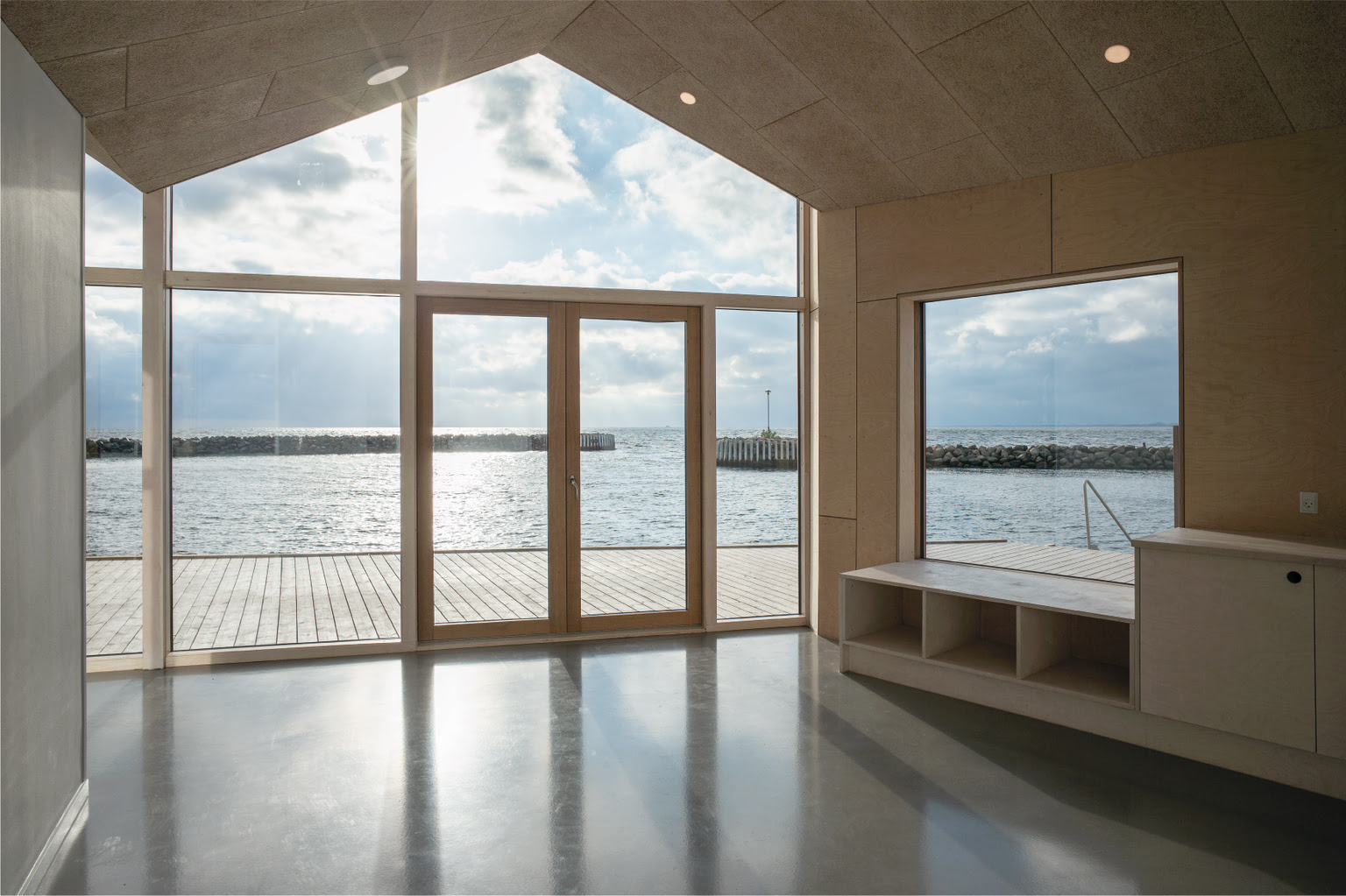
Cold comfort: Isfulgen Winter Bathing House – 2022 Good Design Award Winner.
Image: Helene Høyer Mikkelsen

Design-led Architecture in Action

Check out five Good Design Award winners showcasing design-led thinking in the architectural world:

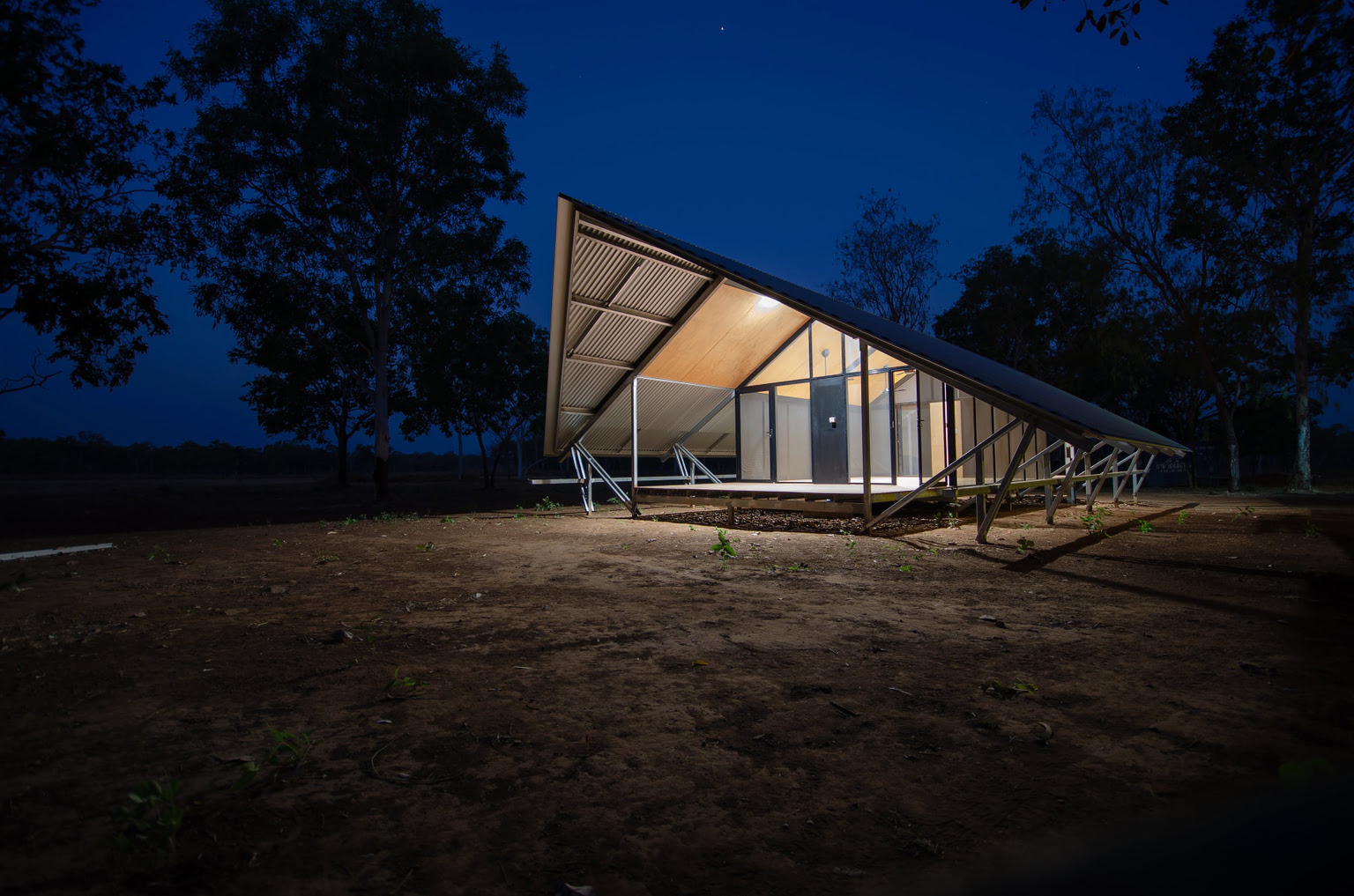
Fish River Ranger Accommodation

Architectural Design, 2022 Good Design Award Gold Winner

Passive design for extreme conditions: Fish River Ranger Accomodation.
Image: Joti Weijers-Coghlan

Designed by staff and students from the University of South Australia, this living space offers exceptional accommodation for the Daly River Indigenous Australian rangers. The rangers are experts in the local community, culture and heritage, and the home allows them to continue their important environmental work. 

The design process of the Fish River Ranger Accomodation deeply researched and listened to the needs of its residents, and the results are spectacular. Without the option of close, livable accommodation, rangers were sleeping in tent structures. The building boasts modern element protection like insulation and ventilation, while achieving a  picturesque place for rangers to come home to after a long day’s work. 

Learn more

Off Grid FZ House

Architectural Design, 2022 Good Design Award Winner

Design in cahoots with nature: Off Grid FZ House

This resilient home sets new standards for comfortable, sustainable living in extreme Australian conditions. Built in the Blue Mountains in New South Wales, the home melds seamlessly with its surrounding bush land. 

Setting a new standard for how humans can coexist with nature, the house’s power, water and sewage systems are all self-sufficient.  Designed through a powerful partnership between Anderson Architecture and Simon Anderson, this eco-friendly design achieves net zero emissions. 

Learn more

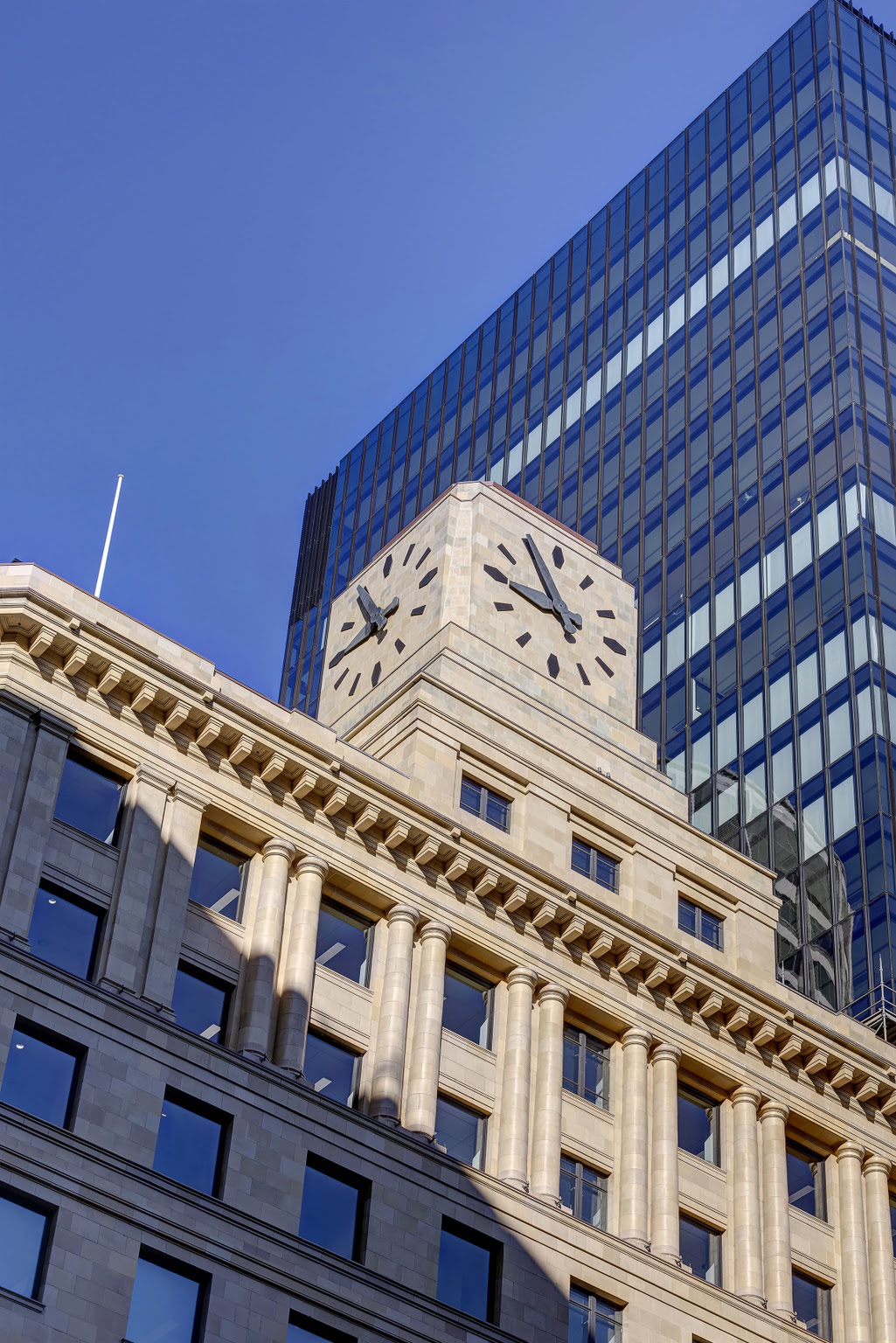
Brookfield Place Sydney 

Architectural Design, 2022 Good Design Award Best in Class Winner

In rhythm with Sydney: Brookfield Place

Created by the architects at Make and Architectus, the Australian design honours the place it was built upon while adding efficiency to the lives of locals. The tower “responds to the rhythm of its city” and merges seamlessly with Shell House, a 40-tonne heritage-listed clock tower.

A complex design made to look and feel effortless, this 27-storey complex functions effortlessly as a multi-use space. Alongside a NABERS energy rating of 5.5 stars, it includes retail space and acts as a gorgeous new entry to the popular Wynyard Station.

Learn more

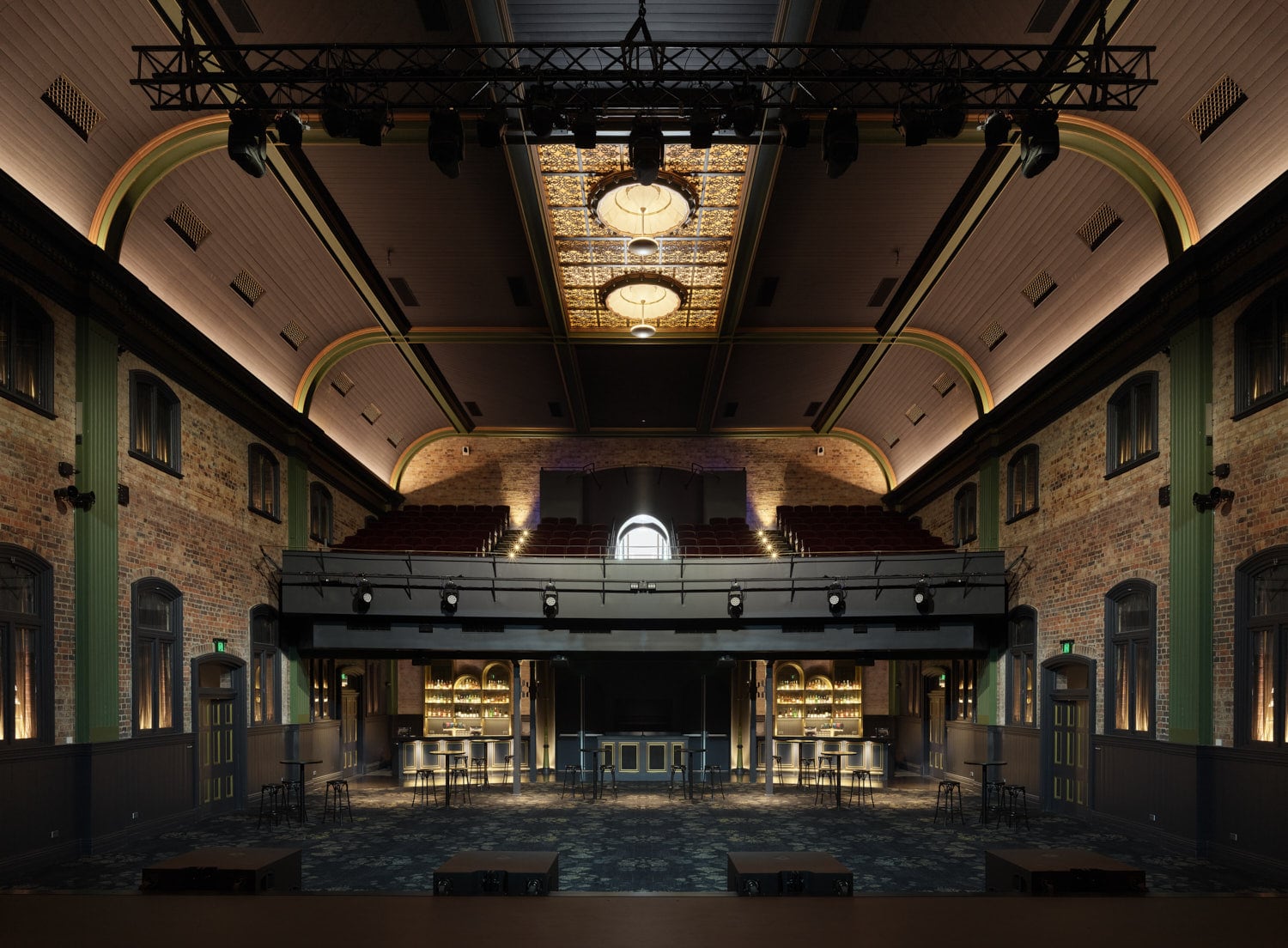
The Princess Theatre

Architectural Design, 2022 Good Design Award Gold Winner

A world-class space meets a world-class refurb: The Princess Theatre

A collaborative venture between JDA Co., Sam Bowstead and James Davidson, The Princess Theatre is a heritage-listed building that was refurbished to achieve new levels of luxury in a contemporary setting. 

Home of a diverse range of performing arts events, the design of Brisbane venue pays tribute to its rich history, while achieving new usage possibilities. Featuring an intuitive interior layout, and modern amenities, the reimagining the two-storey theatre during a global pandemic was a true triumph of economically-minded design. 

Learn more

Col James Student Accommodation

Architectural Design, 2022 Good Design Award Winner

Redefining Redfern: Col James Student Accomodation.
Image: Brett Boardman

Located in Redfern, New South Wales, the building was designed in response to the area’s urban living conditions, and encourages university students to walk to campus. The building offers exceptional spaces for university students to live and socialise. 

Designed by architects at Turner Studio, the student accommodation includes 519 rooms and shared high-quality facilities. Built on land owned by the Aboriginal Housing Company, the part of the building’s purpose is to provide affordable housing to First Nations students. 

Learn more


Awarding Design-led Architecture

Every year, the Architectural Design discipline of the Australian Good Design Awards recognises outstanding design achievements in the architecture industry. From small to large-scale projects, the Architectural Design category represents a wide range of submissions from around the world. 

Inclusive of residential and commercial spaces, the award celebrates architecture projects that adapt a holistic design. Interior or exterior, successful submissions utilise design to improve quality of life through a clear consideration environment, economics and society. 

Judged by a prestigious jury of experts, the subcategories of the Architectural Design discipline include:

  1. Architectural Design
  • Including Commercial Architecture, Public Architecture and Residential Architecture
  1. Installation Design
  • Including Exhibition Design, Temporary Installation Design and Experiential Design
  1. Interior Design
  • Including Commercial Interiors, Public Interiors and Residential Interiors
  1. Place Design
  • Including Urban Design, Landscape Architecture, Public Spaces, Precinct Design and City Planning

Submissions for the 2023 Australian Good Design Awards are closing soon

Submit your entry and make your mark on a prosperous future for all – today. From architectural ambitions and consumer contraptions to digital displays and fashion fascinations, the Australian Good Design Awards celebrates the many facets of design.

Submissions close 21st April 2023.

ENTRY INFORMATION HERE