The Convenient Store

good-design-award_winner_rgb_blk_logo
  • 2026

  • Built Environment
    Installation Design

Designed By:

Commissioned By:

MOD.

Adelaide University

Designed In:

Australia

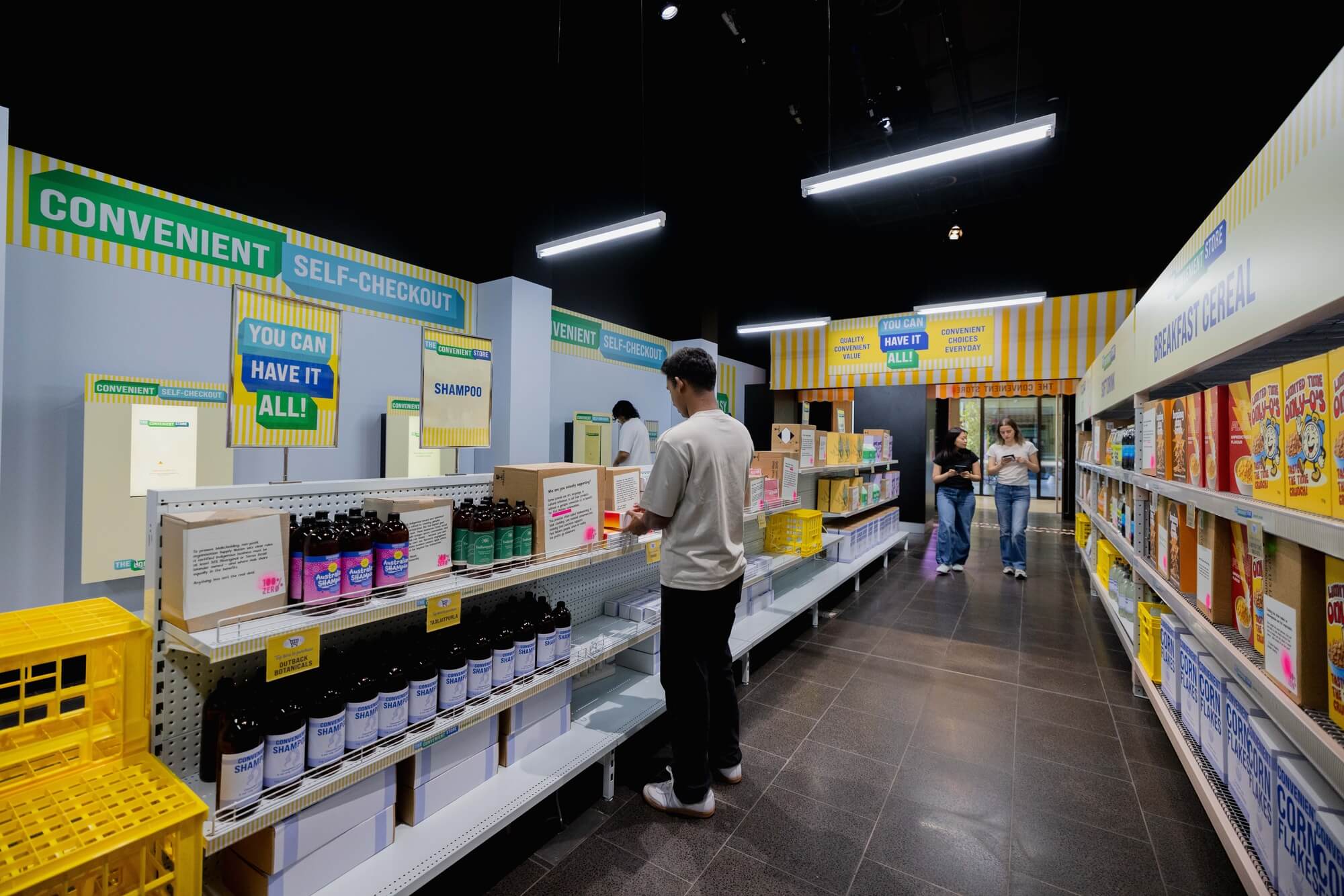
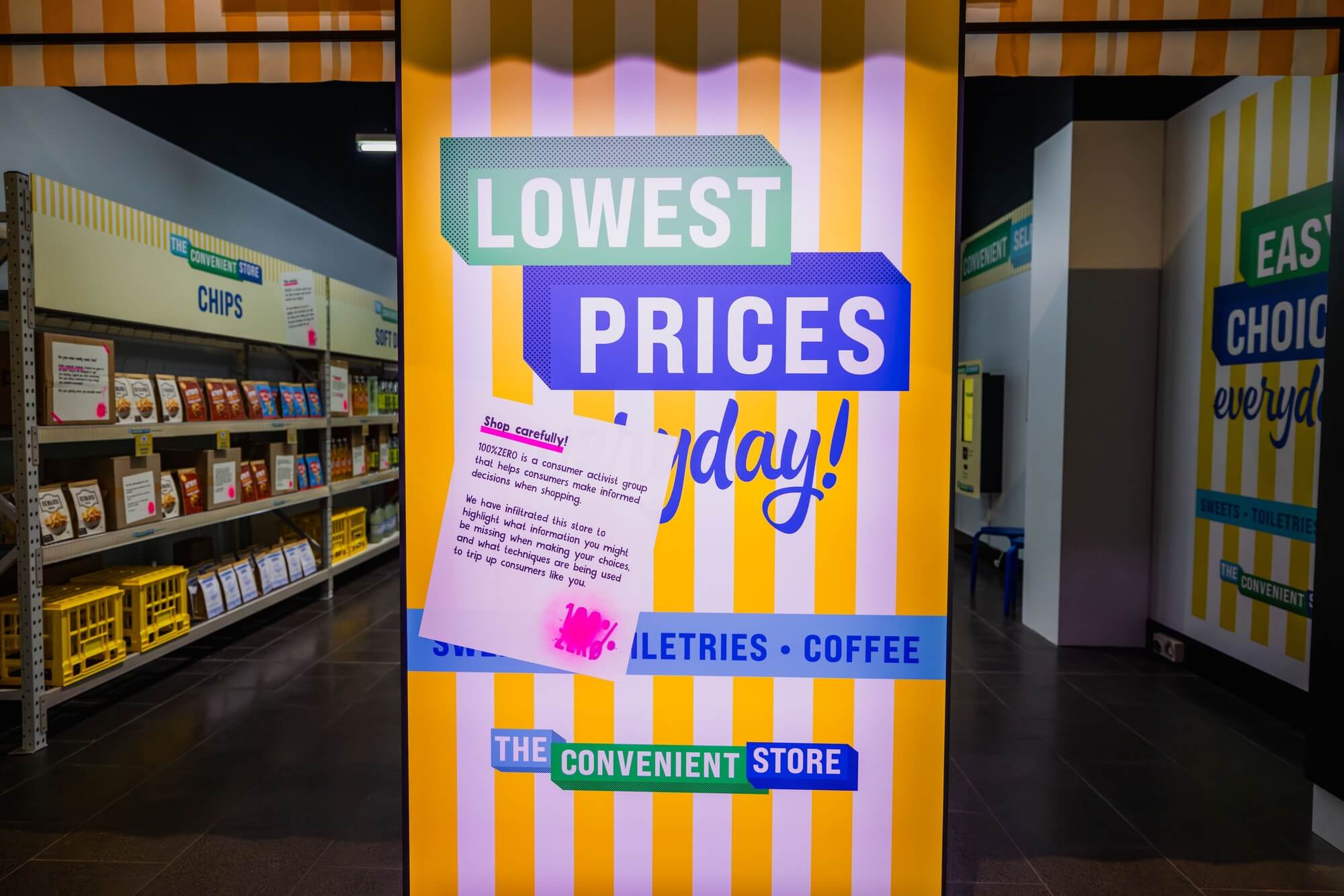
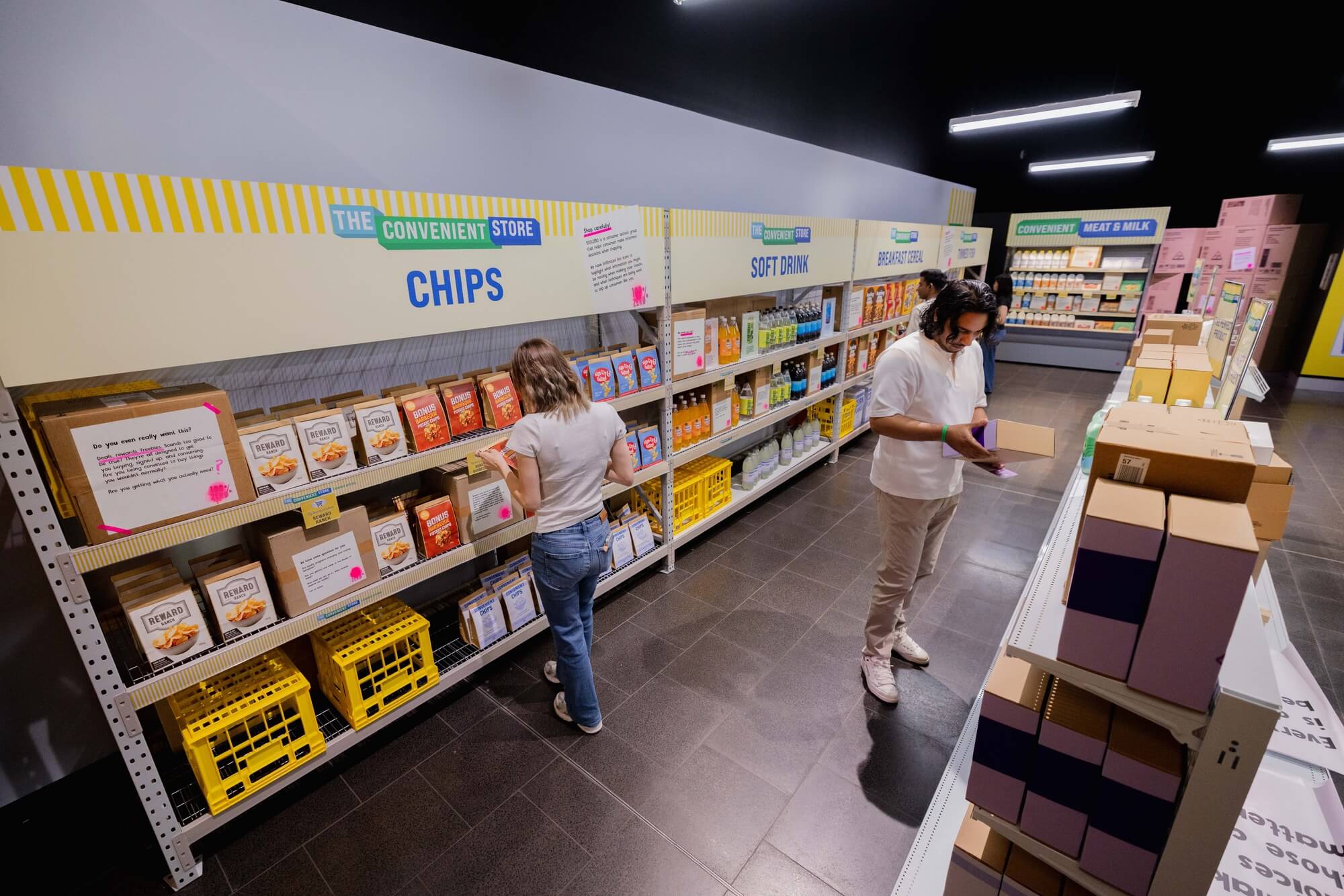
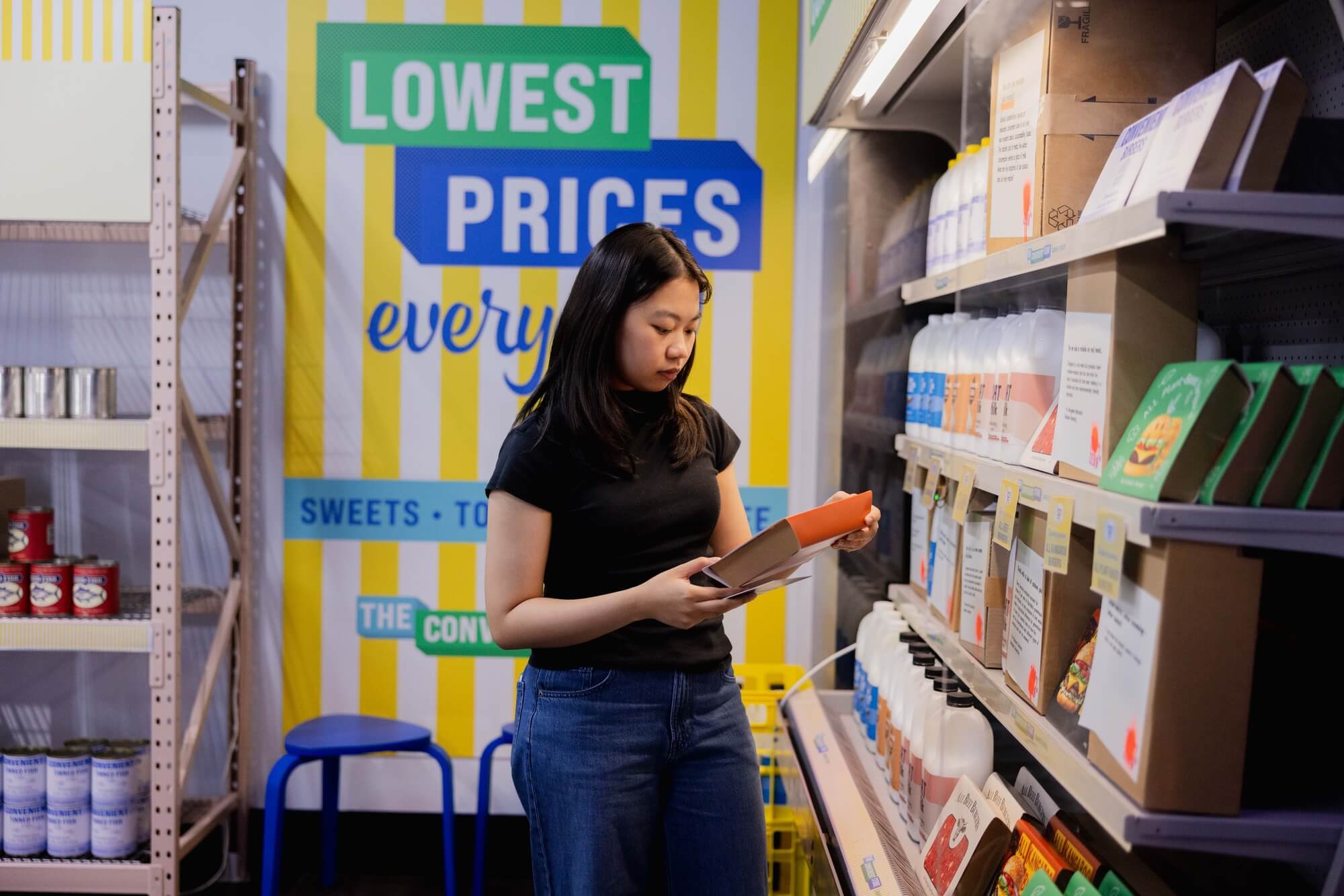
The Convenient Store invites visitors to step into a mock-supermarket, where everyday decisions have large-scale impact. Complete with rows of products, advertisements and self-checkouts, this interactive gallery operates as an environmental metaphor for the choices we make, engaging 15-25-year-olds in research relating to sustainability, supply chains, marketing and consumer behaviour.
view website

2.jpg
Sia Duff
3.jpg
Topbunk
4.jpg
Topbunk
5.jpg
Topbunk
6.jpg
Topbunk
7.jpg
Topbunk
8.jpg
Sia Duff
  • CHALLENGE
  • SOLUTION
  • IMPACT
  • MORE
  • MOD. developed the brief for a year-long participatory gallery experience to build young people’s capability for ethical-thinking around everyday decision-making and impacts. Designed for audiences 15-25, the experience needed to translate complex research and ethical dilemmas into an accessible, engaging and action-oriented exhibit.A key challenge was moving beyond passive learning. Visitors weren’t just to be informed about ethics, they needed to be immersed and actively participate. Immersive world-building and forward-looking technology addressed challenges around how to encourage ethical decision-making and created an in-world rationale for research to be woven in, communicated and relied on by visitors.

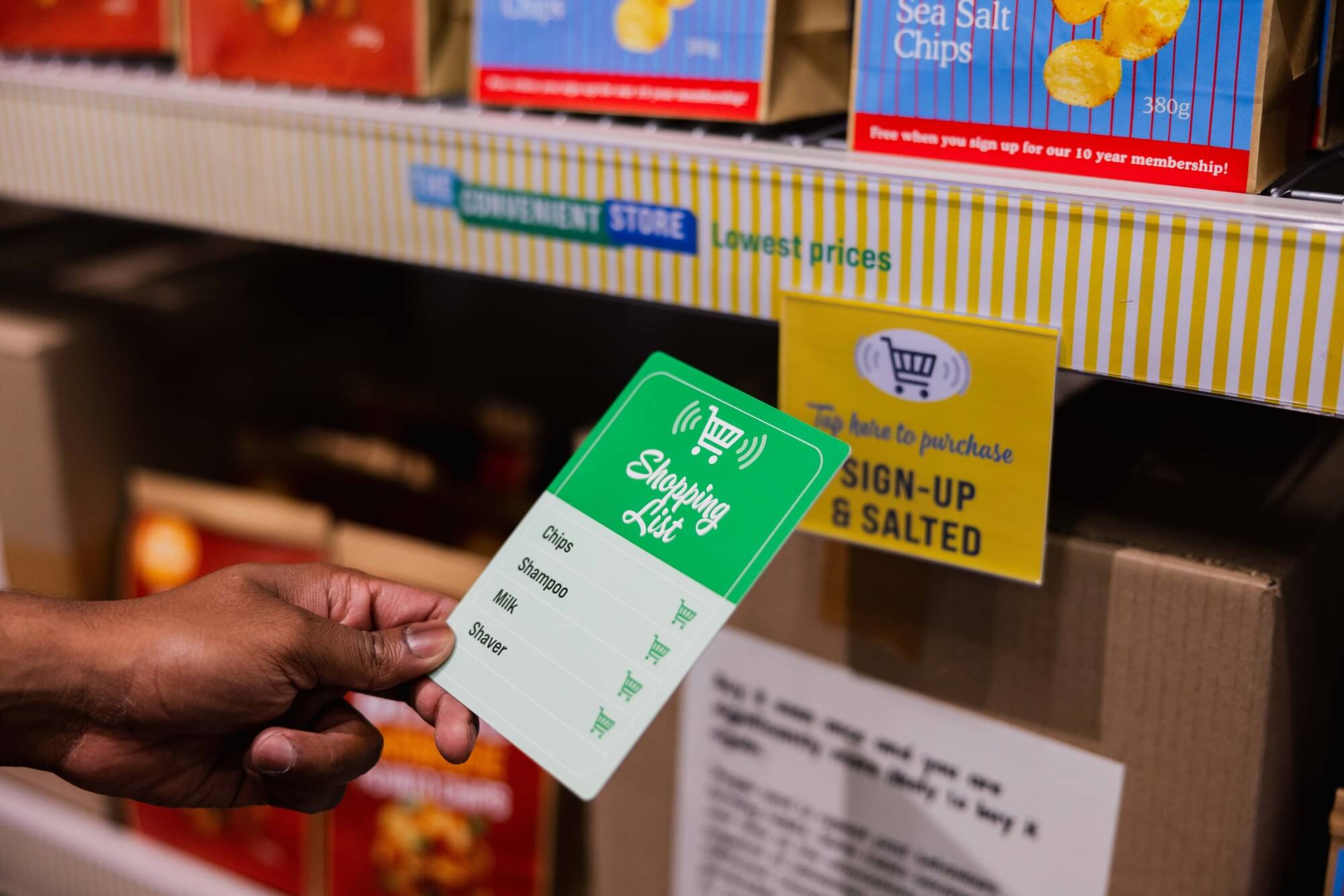
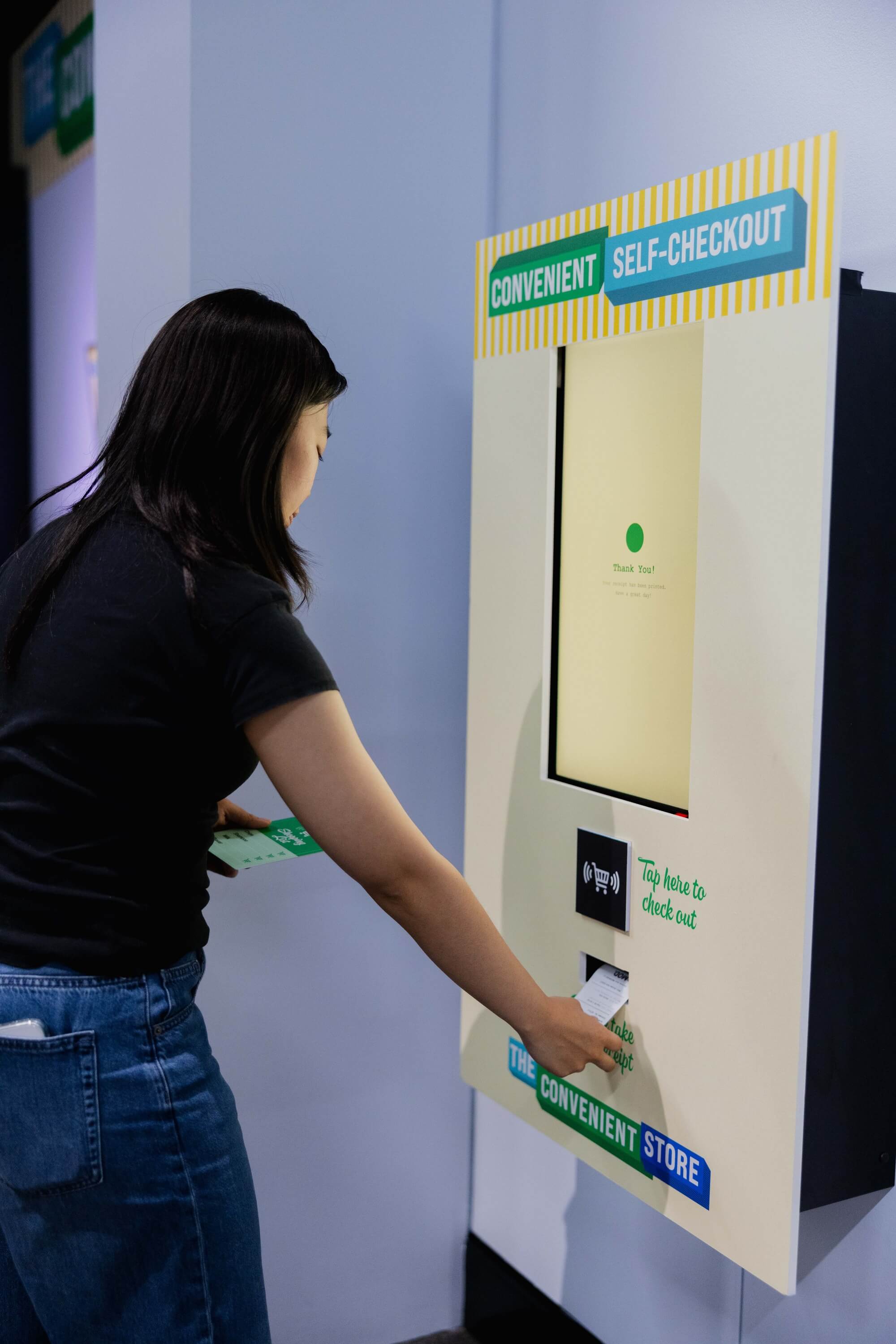
  • The design solution translates ethical complexity into an immersive, participatory environment where visitors actively navigate decision-making. World-building enabled visitors to play a familiar role, making seemingly small but critical choices. Collaboration between MOD., Youth Board, design studio Featherweight and 18 academics, embedded agency into experience design and product narratives. Ethical discussions were fostered through RFID-enabled shopping lists creating personalised journeys, a narrative layer of research revealing how decisions are intentionally and unintentionally informed by the systems we belong to, and at offboarding feedback about impact.The result is a socially driven experience that engenders reflection and behavioural awareness through action.

  • This project has shaped visitors and societal perspectives on systems thinking and ethics around varied issues connected to our decision making, such as consumer behavior marketing, supply chains, modern slavery, sustainability and longevity. The design has transformed the visitor from passive observer to active participant. In shopping for products, visitors consider their agency within a larger system, grapple with ethical dilemmas, and reflect on their personal stances and values.Educators have integrated the exhibit into their curriculums and one visitor reflected that this exhibit invites ‘visitors to rethink habits, question assumptions and imagine more sustainable ways forward.'

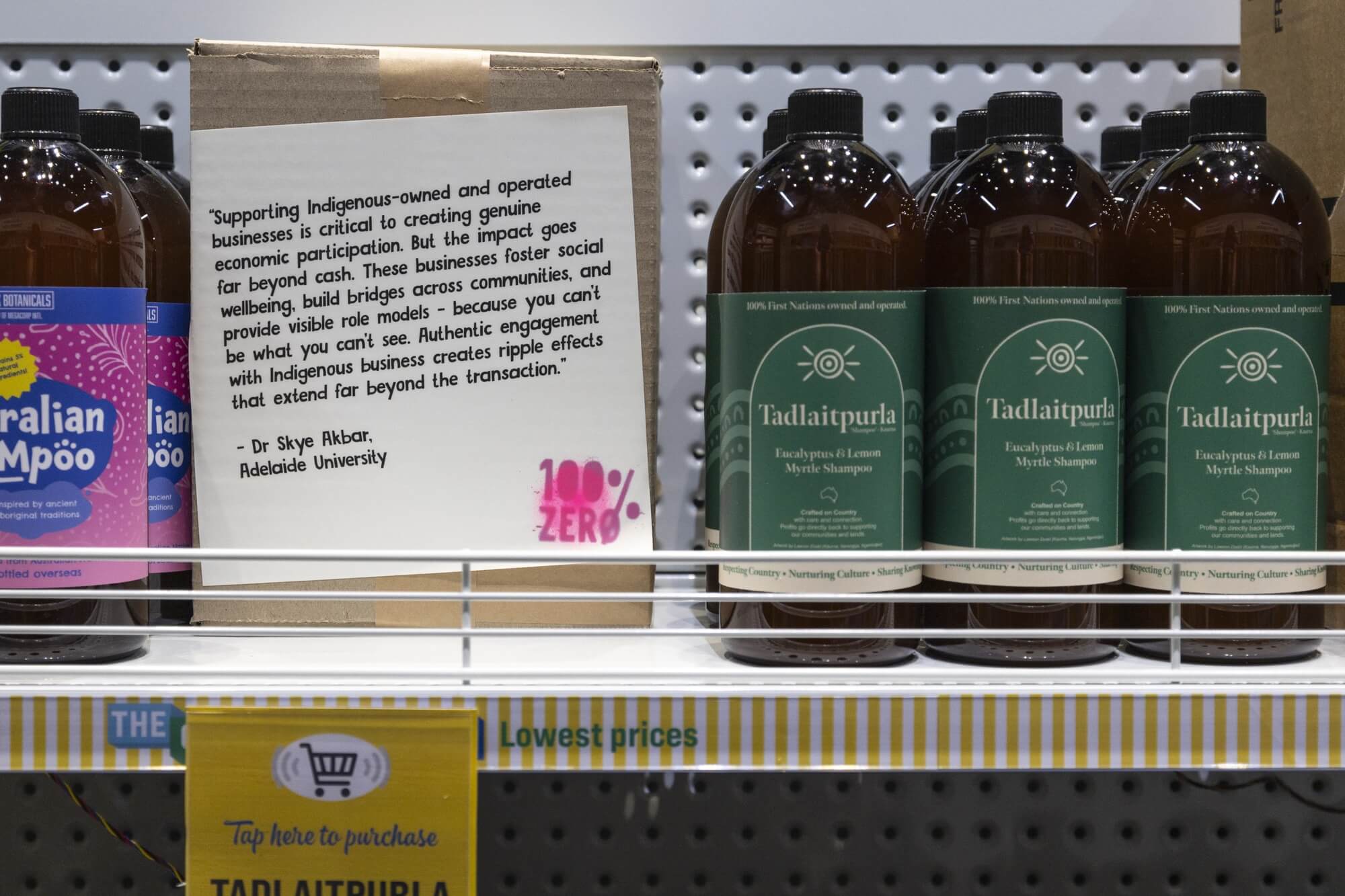
  • Immersive world-building transforms the gallery into a stylised, full-scale retail environment, complete with products, advertising and self-checkouts. This familiar yet subtly disrupted setting creates an intuitive entry point for visitors, positioning them as active participants within a recognisable system. The spatial narrative, augmented by humour and the presence of activist group 100%Zero, invites critical reflection on the environments and tradeoffs that shape everyday decision-making.RFID-enabled interactivity embeds agency, choice and consequence into the visitor experience. Through RFID-integrated shopping lists, visitors ‘purchase’ items by tapping product labels throughout the space, generating a personalised journey. This system distributes visitors across the gallery, encourages social exchange, and culminates in a checkout interface where the impacts of their decisions are revealed, reinforcing the relationship between individual actions and systemic outcomes.Deep research integration underpins all content, drawing on contributions and perspectives from 18 researchers across disciplines including sustainability, supply chains, and consumer marketing behaviour. Research, framed as an activist intervention to reveal the information you need to pay attention to when making choices, is embedded into product narratives and comparative scenarios. This makes the research accessible and engaging to audiences as its integration is experientially driven.