Protocols for Non-Indigenous People Working with Indigenous Knowledge

good-design-award_winner_rgb_blk_logo
  • 2026

  • Communication
    Advertising and Campaigns

Designed In:

Australia

Non-Indigenous organisations are turning to Indigenous knowledge systems across sustainability, design, and governance – but as interest grows, so does the capacity for unintended cross-cultural harm. This publication transforms a scholarly framework developed by Indigenous scholars into an accessible, practical guide to help non-Indigenous practitioners engage ethically with Indigenous knowledge.

view website

2.jpg
3.jpg
4.jpg
5.jpg
6.jpg
7.jpg
8.jpg
9.jpg
  • CHALLENGE
  • SOLUTION
  • IMPACT
  • MORE
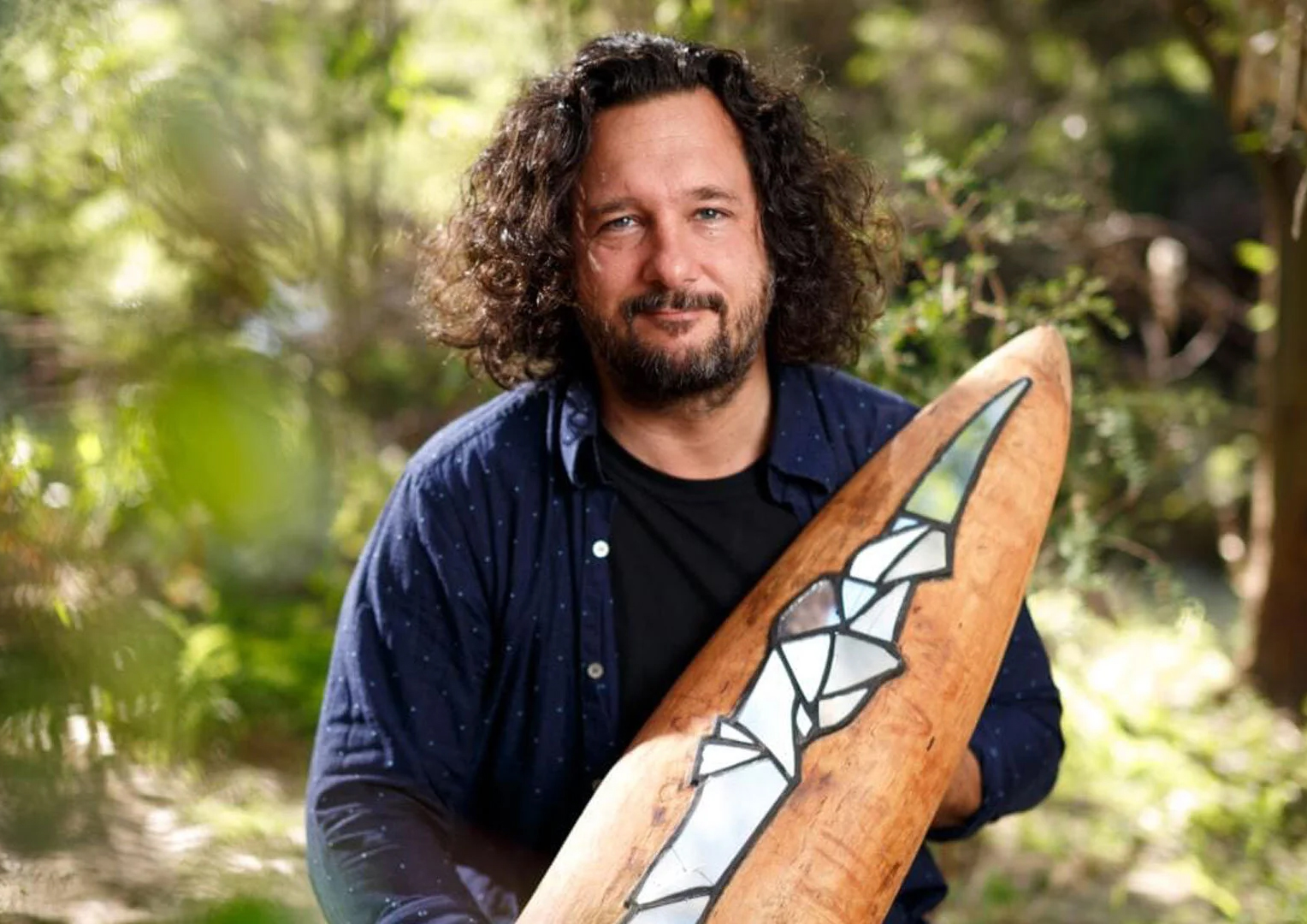
  • Collaborations between Indigenous and non-Indigenous people go wrong in predictable ways – good intentions giving way to extraction, overreach, and damaged relationships. As demand for Indigenous knowledge accelerates across multiple fields, these patterns are multiplying. In 2024, Dr Tyson Yunkaporta and other Indigenous scholars developed protocols addressing this problem. The content was rigorous. But as Dr Yunkaporta later reflected, the document remained "fairly impenetrable" for the non-Indigenous practitioners it was written for. The authors were working without access to professional design resources, and the structure – faithful to Indigenous non-linear thinking – lacked the scaffolding non-Indigenous readers needed to navigate it.

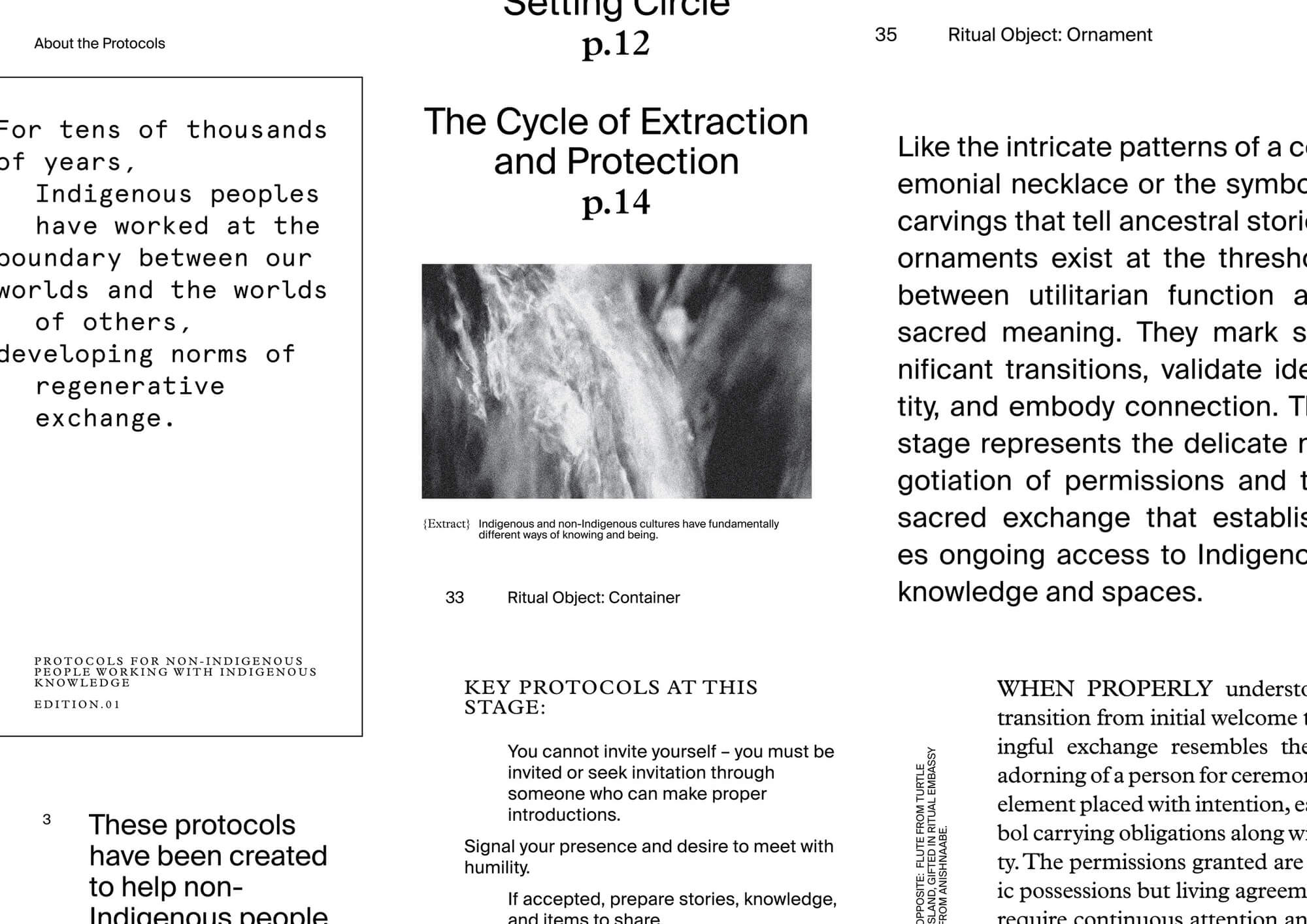
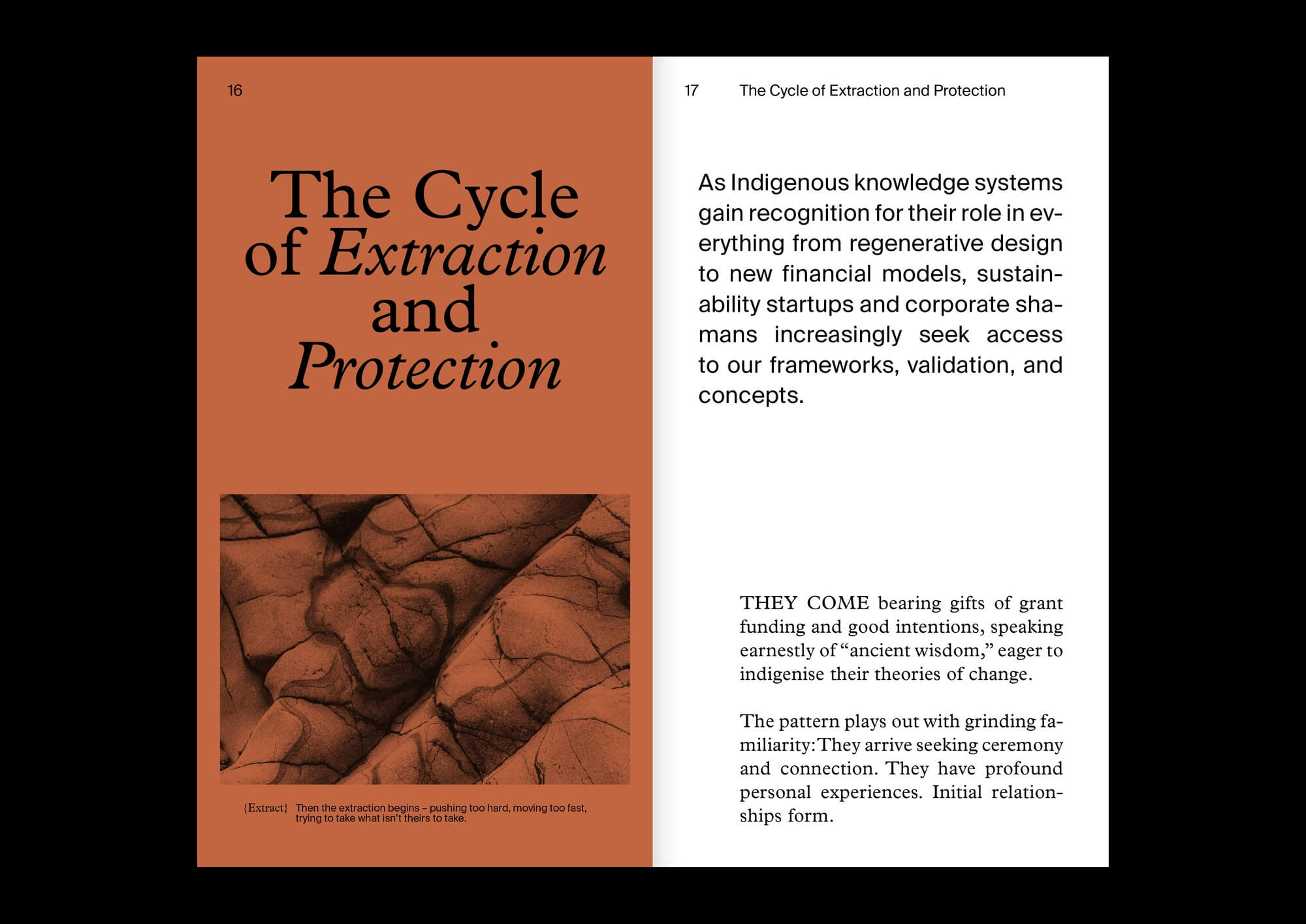
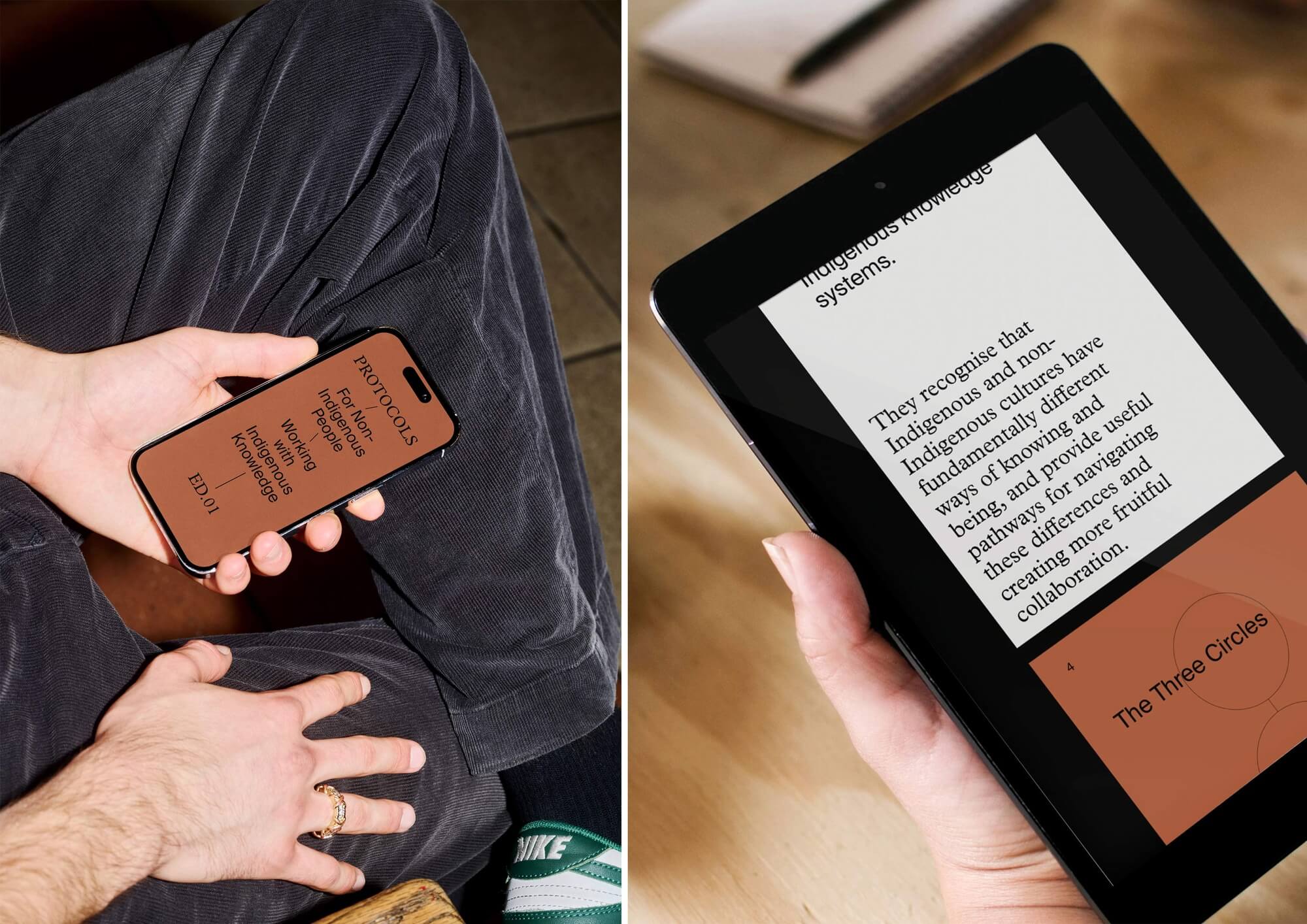
  • Fireside approached Dr Yunkaporta with a proposal: to do the design translation work needed to get the protocols into the hands of the people causing unintentional harm. Dr Yunkaporta's brief was clear – a more accessible version that preserved the protocols' depth while giving non-Indigenous readers a way through. Visual design, by Lila Theodoros, was built for mobile reading – where most people encounter reference material today. Layout and information hierarchy were calibrated for non-Indigenous audiences using smartphone screens.

  • The redesigned protocols achieved over 200,000 views within days of launch – without paid promotion or marketing. The scale of response reflected the real need for the resource: Dr Yunkaporta receives upwards of 20 approaches a week from startups, sustainability organisations, and corporate initiatives seeking Indigenous alignment on projects, each carrying the risk of well-intentioned harm. The publication is now a working reference tool, consulted during real collaborations, shared across professional networks, and cited as a prerequisite for cross-cultural work.

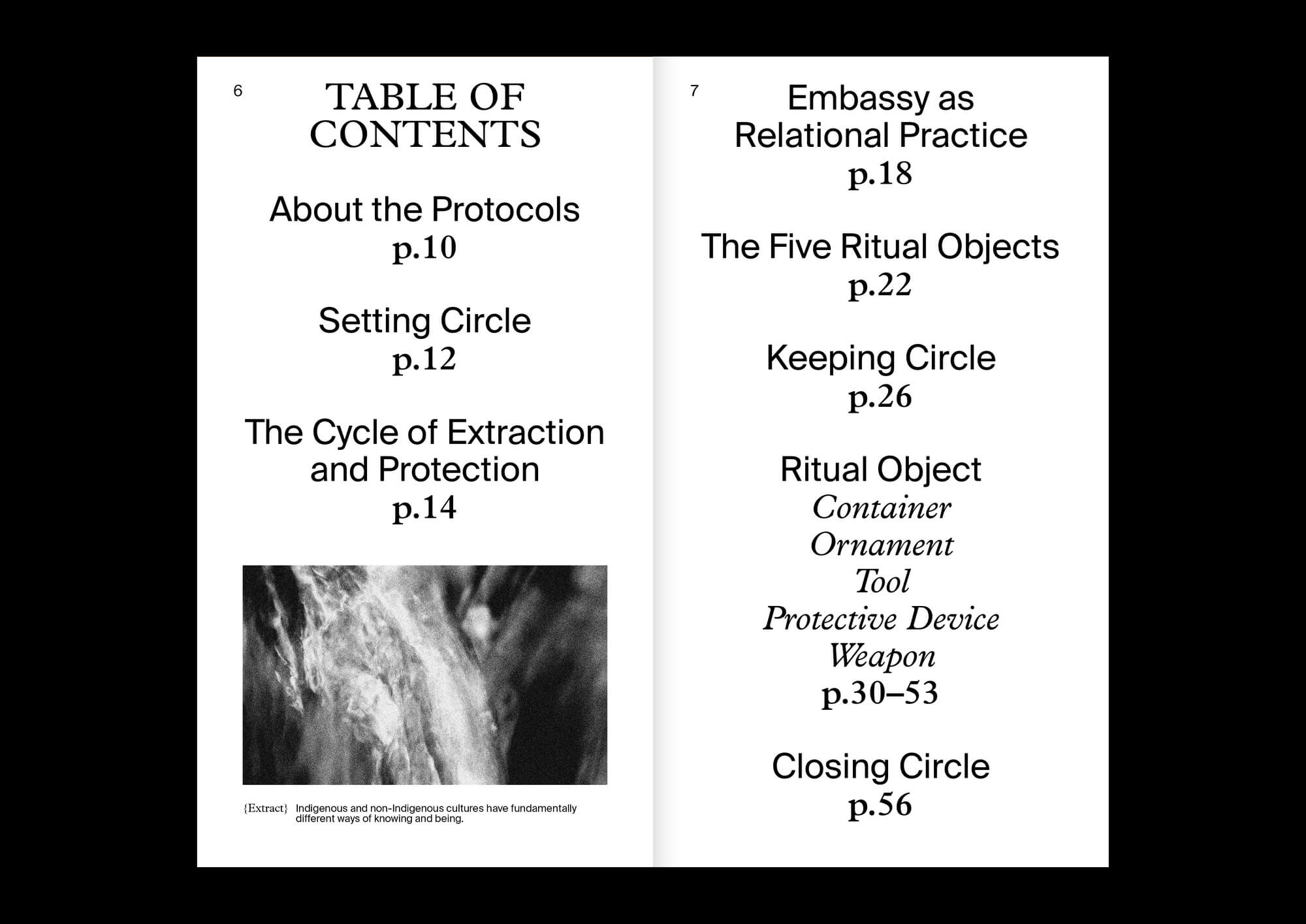
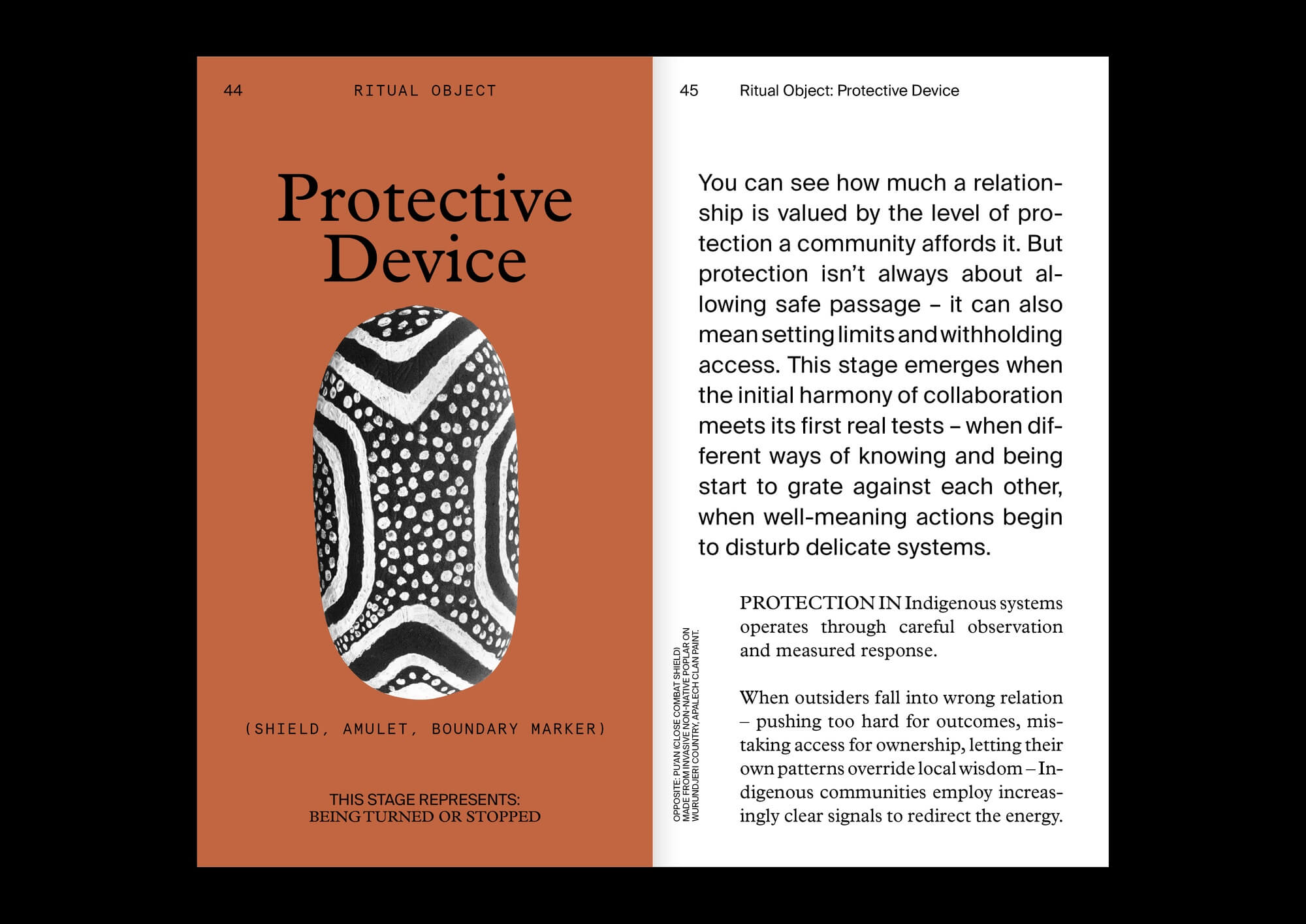
  • Most guides to cross-cultural engagement address the constructive stages — how to build relationships and collaborate respectfully. The protocols go further. Structured around five ritual objects – Container, Ornament, Tool, Protective Device, and Weapon – they address the full arc of engagement between Indigenous and non-Indigenous people: from initial welcome and relationship-building through collaborative work, tension and boundary-setting, and, when necessary, termination and accountability. The redesign restructured how readers move through the material, but preserving the original’s metaphorical framework – and the non-linear thinking it embodies – was a core design consideration.Mobile-first design ensures the document can function as an always-on-hand reference tool rather than a one-time read. The information hierarchy enables readers to locate specific protocols during real-time reference checks – consulting guidance on boundary-setting before a difficult conversation, or revisiting the Container protocols when entering a new engagement. Spacing and line length support the interrupted reading patterns typical of professional mobile use.The collaborative design process itself modelled the protocols' principles: Fireside worked slowly and collaboratively over 12 months rather than pursuing quick editorial or design fixes, treating the engagement as a live application of what the document teaches, and demonstrating that the respectful cross-cultural collaboration the protocols describe is practically achievable.