Omriss Seating System

good-design-award_winner_rgb_blk_logo
  • 2025

  • Product
    Furniture and Lighting

Designed By:

Commissioned By:

Len

Designed In:

Australia

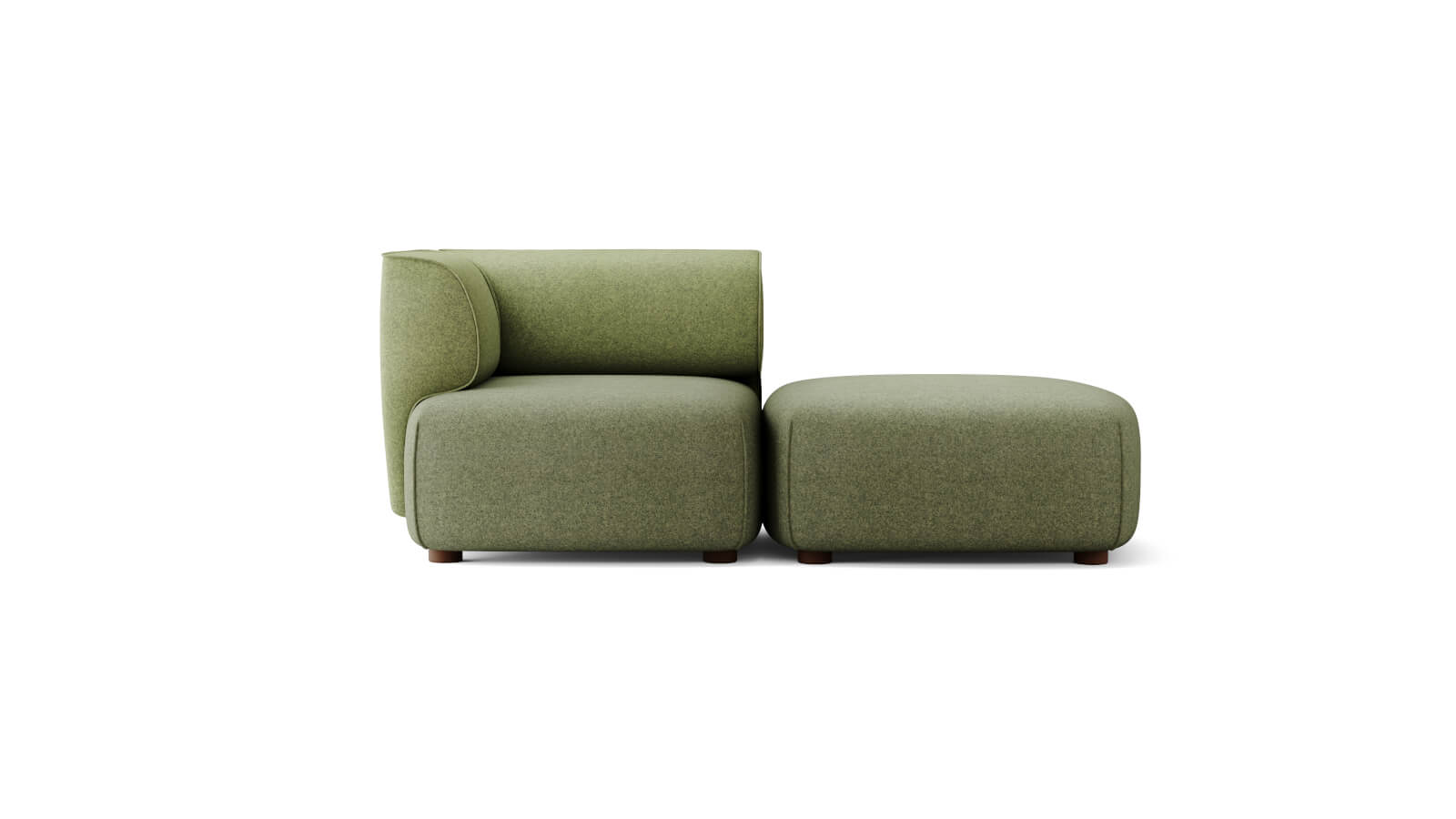
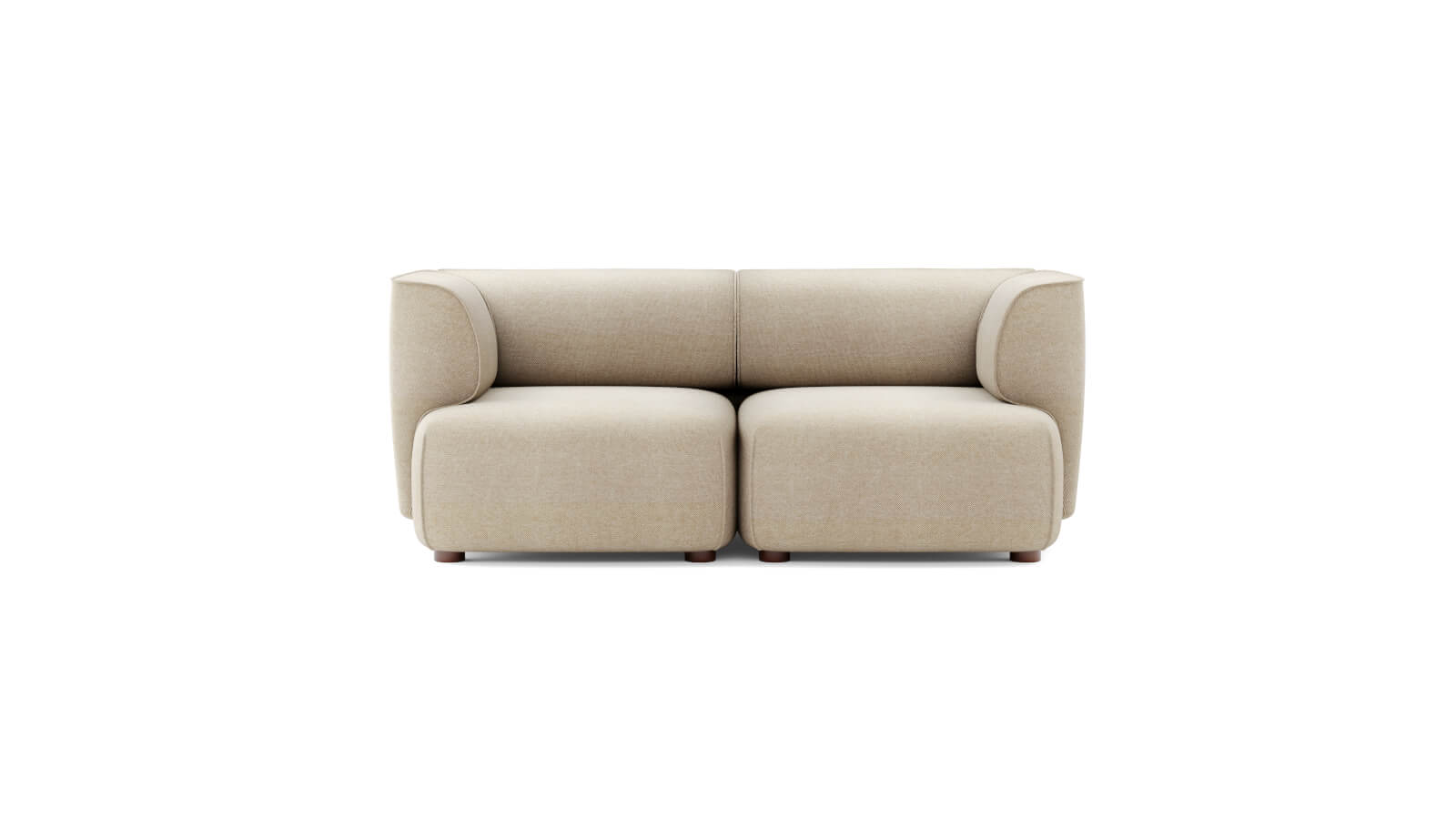
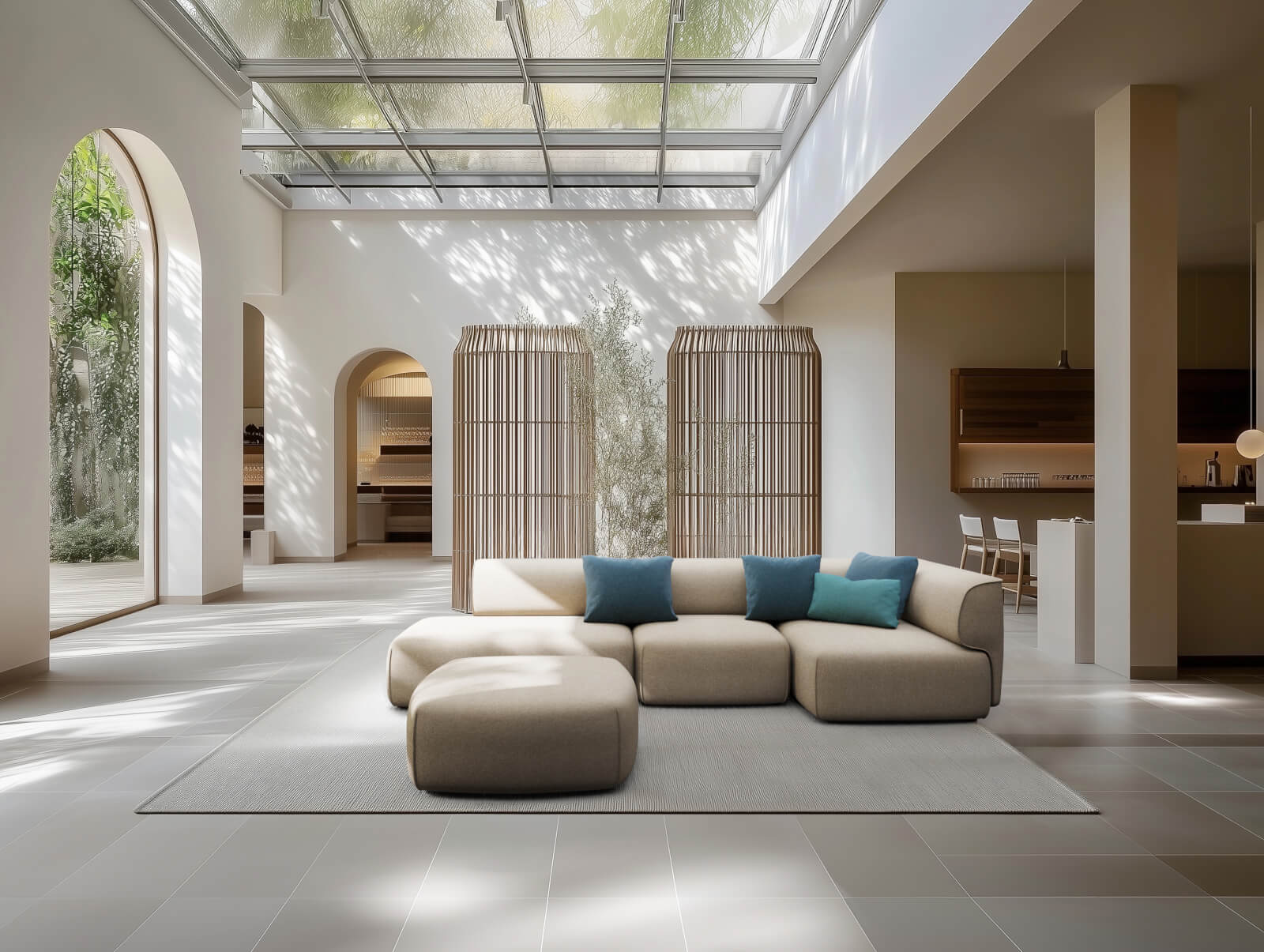
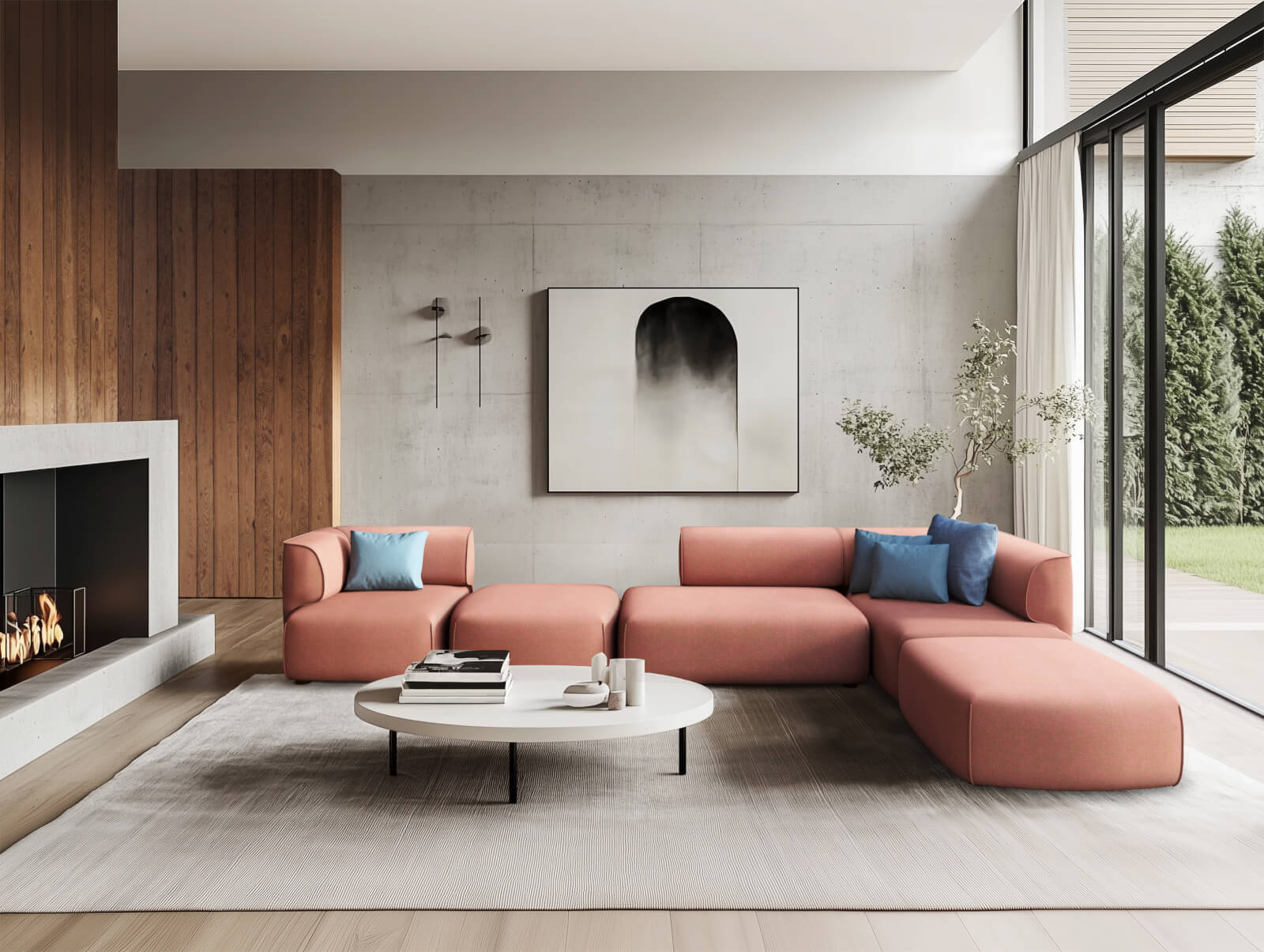
Omriss, meaning “outline” in Norwegian, captures the essence of this modular seating system — a study in visual clarity and compositional balance. Designed for residential, commercial, and hospitality use, Omriss unites comfort, adaptability, and architectural presence, using bold contour lines to explore how outlines shape not just objects but spatial identity.

view website

1.jpg
2.jpg
3.jpg
4.jpg
5.jpg
6.jpg
  • CHALLENGE
  • SOLUTION
  • IMPACT
  • MORE
  • The challenge was to design modular seating that didn’t disappear into the background. Too often, modular systems prioritise neutrality and lose any sense of character. Omriss was developed as a departure from convention — a silhouette bold enough to define space, yet versatile enough to perform across residential, hospitality, and public interiors. This required resolving complex upholstery over dramatic contours, enabling part-based repair, and achieving structural integrity without unnecessary weight. The collection also had to meet commercial safety standards, reduce material waste through CNC fabrication, and be locally manufactured using low-toxicity, durable components — all without compromising comfort.

  • Developing Omriss meant resolving the tension between bold visual expression and real-world flexibility. Early studies explored how a continuous outline could unify form across modular configurations. But translating that concept into upholstery revealed challenges: fabric distortion, seam migration, and structural stress around curves. Hands-on prototyping with upholsterers helped refine the piping radius, seam logic, and internal framing. CNC-cut plywood improved accuracy and reduced waste. Every element was reviewed for scale, comfort, and adaptability—soft enough for residential use, yet durable enough for commercial settings. The final system delivers better clarity, cohesion, and adaptability across evolving spatial conditions.

  • Omriss makes a lasting impact by uniting visual clarity, material responsibility, and long-term adaptability. The collection introduces a recognisable silhouette across diverse settings, from residential interiors to high-use public environments, offering both emotional resonance and functional strength. Locally manufactured using low-VOC, CNC-cut plywood, Omriss minimises waste and supports sustainable production practices. Designed for reconfiguration and reupholstery in favour of replacement, the system allows layouts to evolve as needs change, reducing landfill and extending product relevance. Omriss supports a shift away from short-term solutions toward more enduring, responsible, and expressive approaches to modular furniture — suited to evolving environments and long-term use.

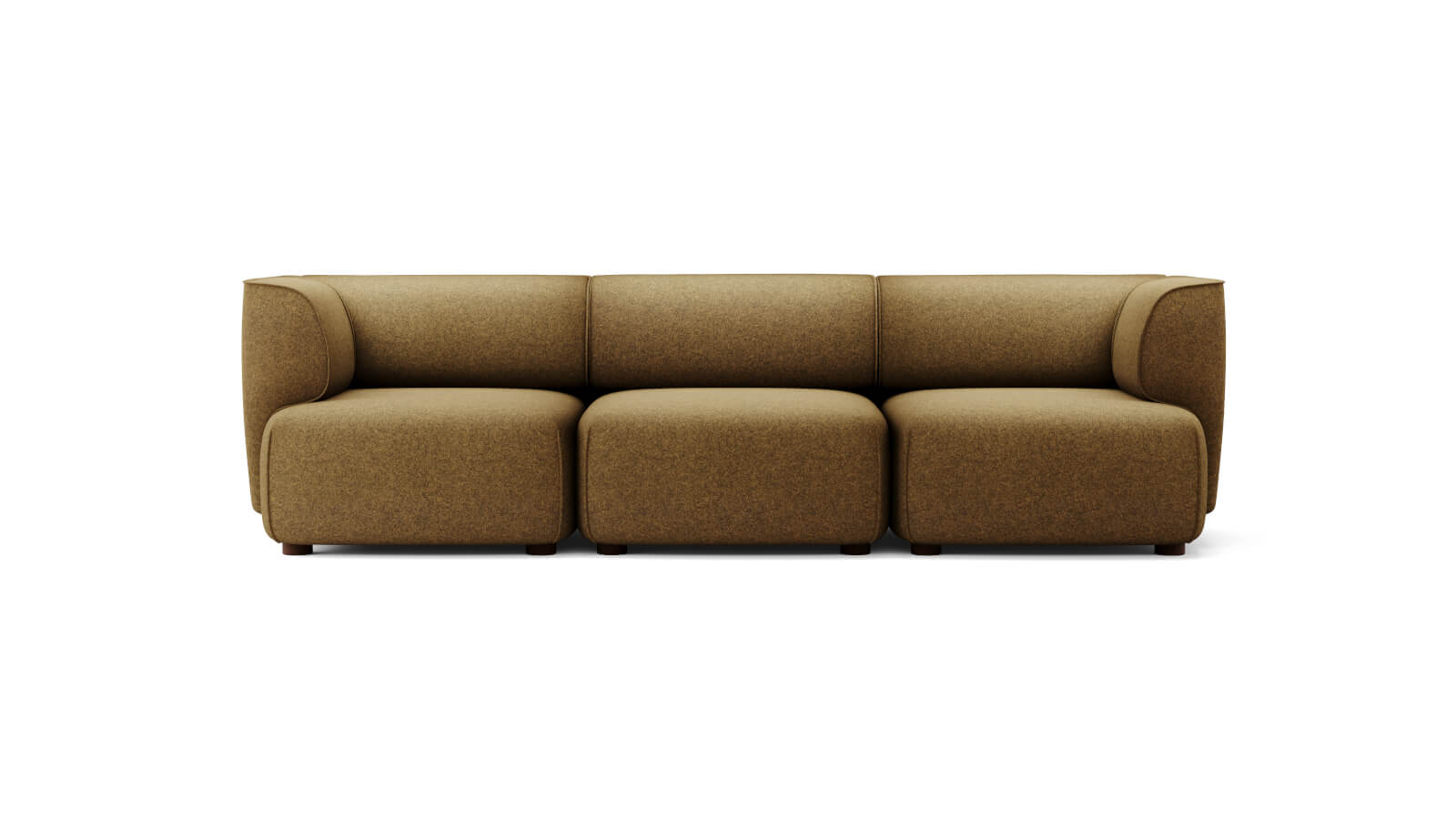
  • Omriss is a modular seating system defined by a single, continuous contour. The piping traces the perimeter of each module, giving it visual structure and making the edges legible across different compositions. The piping provides a consistent visual reference across modules, giving the system a sense of cohesion even when layouts are irregular or asymmetrical. The design process prioritised maintaining clarity around complex curves. Upholstery techniques were refined through full-scale prototyping, particularly around piping transitions, seam placement, and seat-to-backrest junctions. Visual detail was reduced where necessary to preserve the integrity of the silhouette rather than for minimalism alone. Each unit connects using concealed clips, allowing layouts to be reconfigured easily without tools. CNC-cut plywood frames were used to increase accuracy and reduce material waste. The collection is manufactured locally in Australia using low-VOC materials and can be upholstered in either in-house fabrics or client-selected options. That clarity of form, balanced with proportion and comfort, is what allows Omriss to perform across residential, workplace, and public spaces without dominating them.