CAMP – Creative Anticipatory Methods for Policymaking

good-design-award_winner_rgb_blk_logo
  • 2026

  • Policy Design

Commissioned By:

Australian Research Council

Designed In:

Australia

CAMP (Creative Anticipatory Methods for Policymaking) is an evidence-based, co-learning workshop designed to deepen expertise across the policy ecosystem. Rather than a specific policy output, CAMP is an intervention that supports practitioners to build the anticipatory capabilities needed to meet the work of designing policies for an uncertain, emerging future.



view website

2.jpg
3.jpg
4.jpg
5.jpg
6.jpg
7.jpg
8.jpg
  • CHALLENGE
  • SOLUTION
  • IMPACT
  • MORE
  • Traditional policymaking, reliant on predictive data and successful precedents, fails to keep pace with rapid AI disruption, shifting socio-political norms, and declining public trust. The challenge lies in a systemic inability to engage with radical uncertainty. A culture of deep-seated risk aversion leads teams to accept the known failures of the status quo rather than explore ways of working that depart from business as usual. In designing a learning exchange for co-creating anticipatory capabilities, CAMP advocates for an ecosystem that shifts from a defensive posture to a relational practice of navigating complexity and building policymaking capacity to anticipate the future.

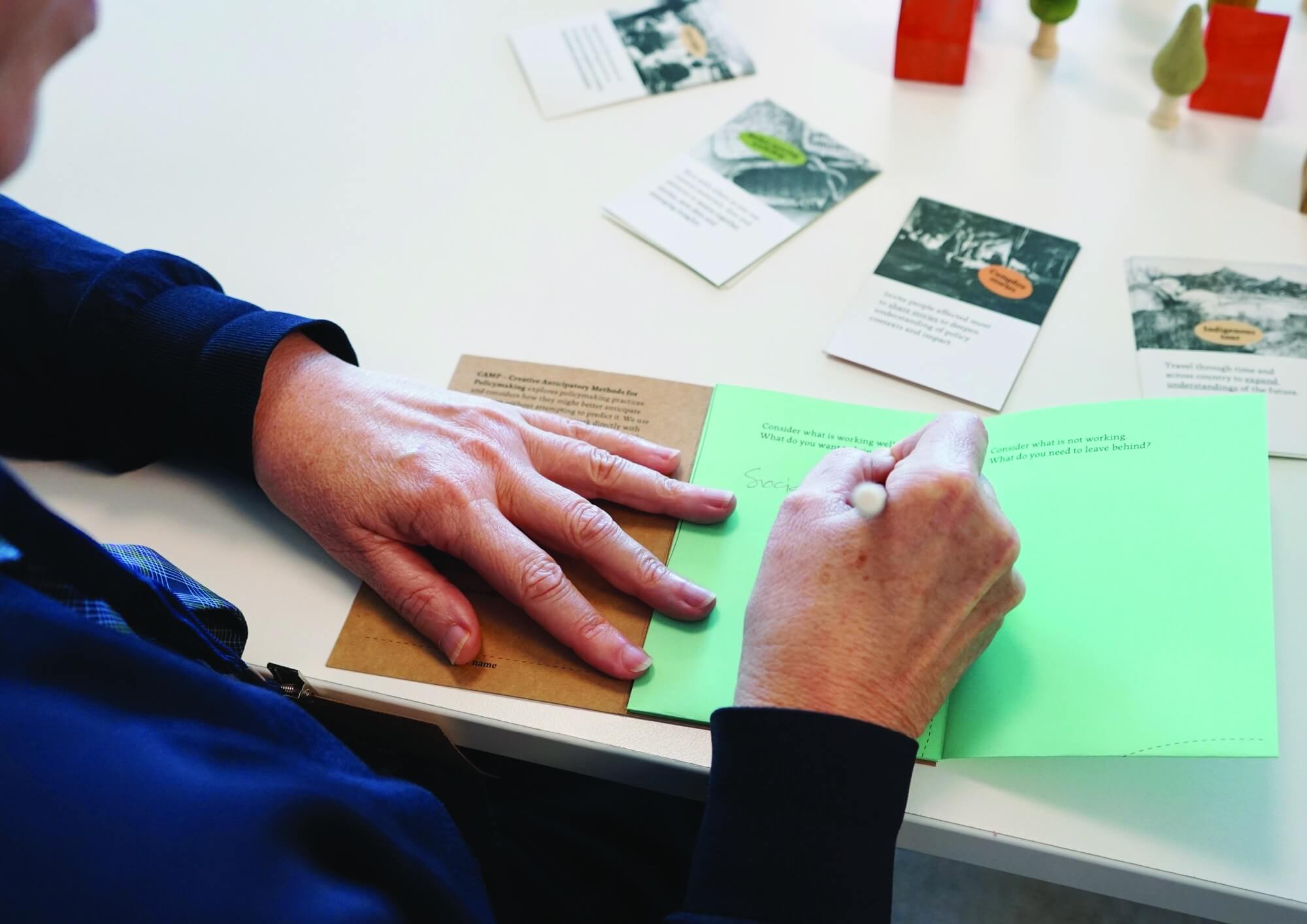
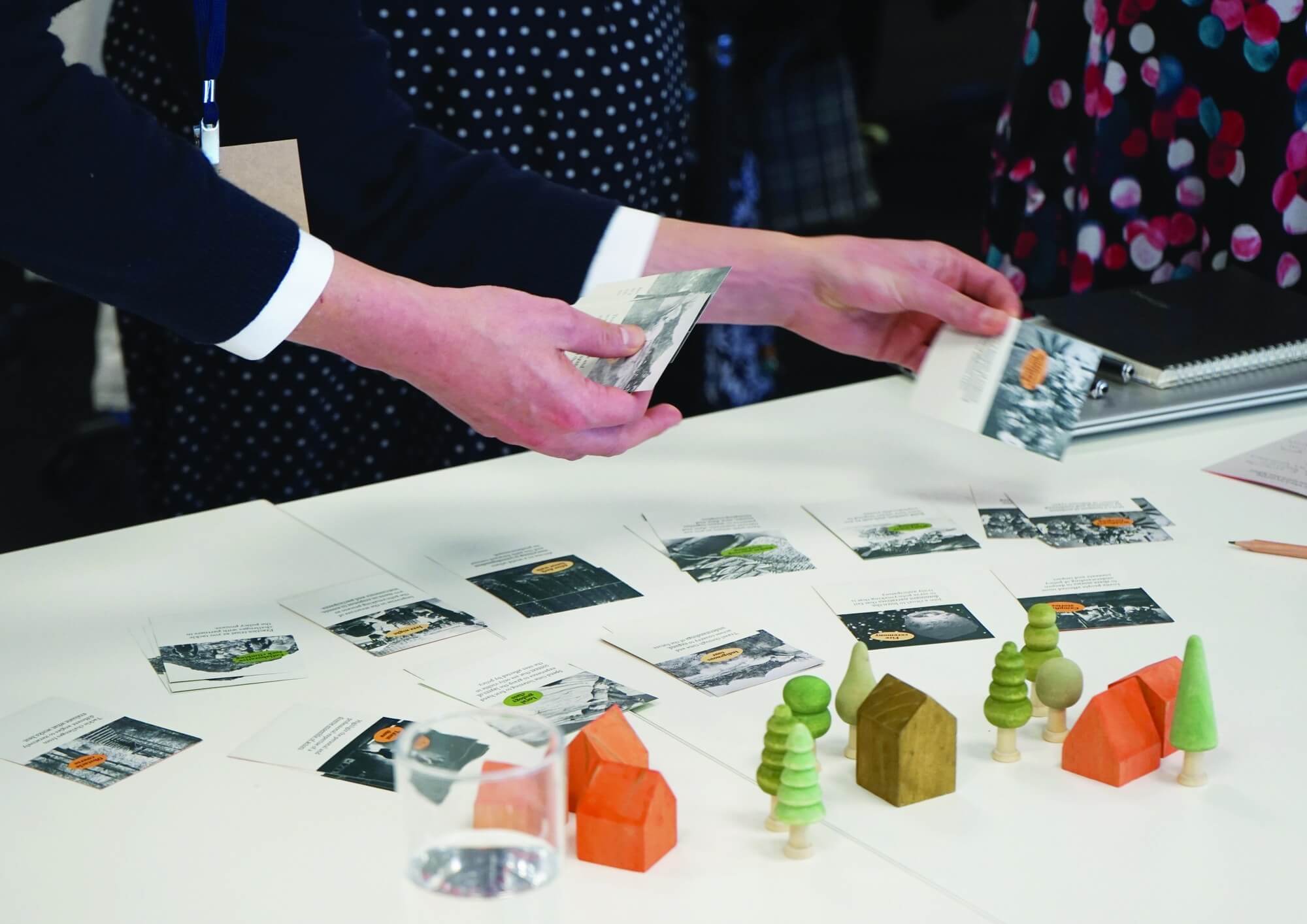
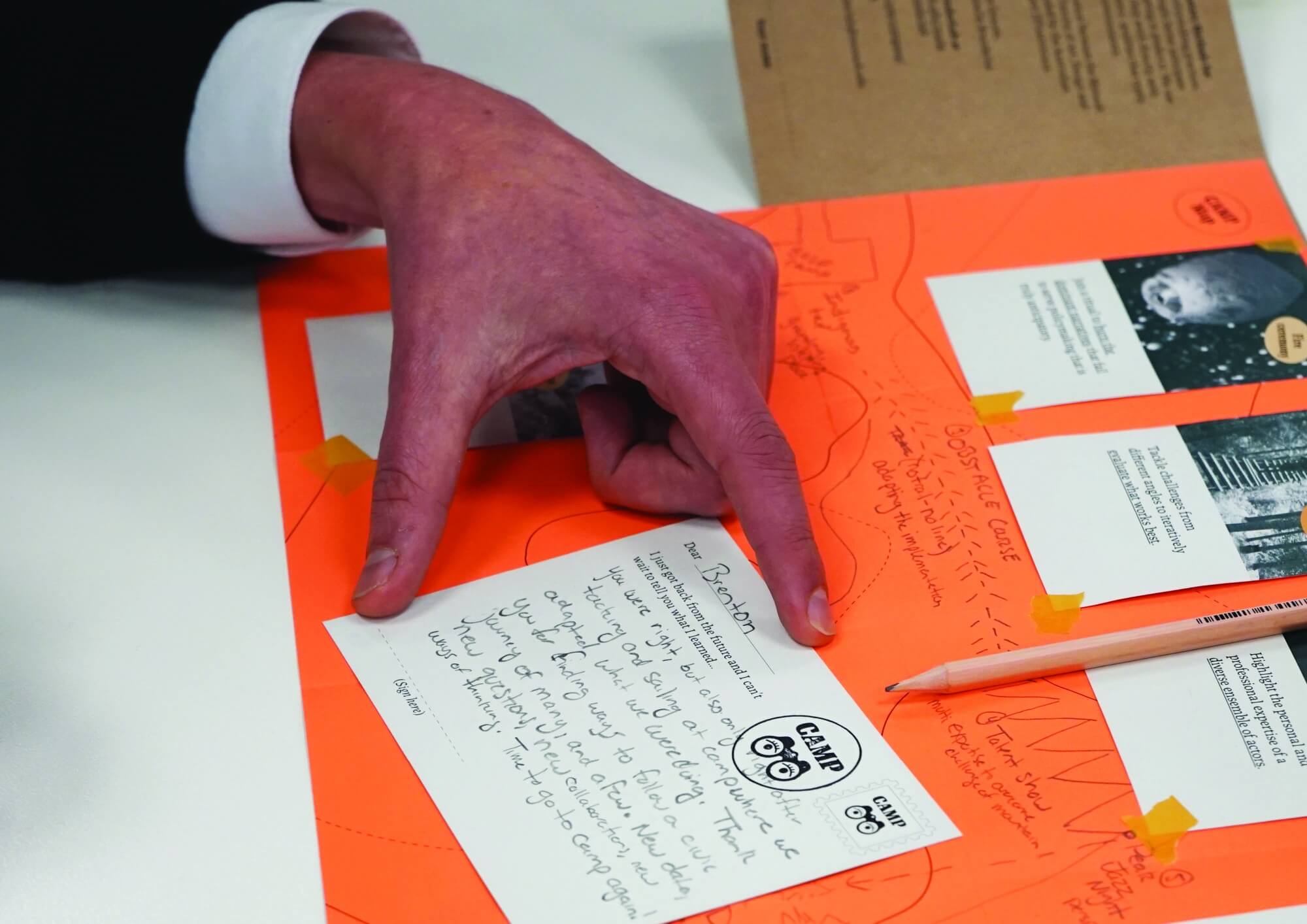
  • CAMP responds to this with a co-learning exchange that gathers policy and social innovation practitioners to explore what capabilities will support the ability to design with and for anticipation. Built around the spirit of a sleep-away camp, the workshop invites discovery and discussion. Participants move through the workshop by selecting from twelve camp activities that operate as experiential metaphors for the capabilities we need to prioritise developing. Thinking with metaphoric activities like rock climbing or campfire stories, practitioners can both remember and imagine how we might shift the attitudes and behaviours required to embed anticipatory thinking into policymaking.

  • CAMP’s impact is evidenced by the interest shown by federal policy circles and international organisations, signalling a critical demand for alternatives to reactive governance. At scale, CAMP workshops introduce a repertoire and gather evidence that help teams to authorise for the twelve anticipatory capabilities. At the individual level, CAMP empowers practitioners to identify gaps in their context and advocate for more innovative practices. The potential reach is scaled through open-source booklets, sharing insights and democratising the tools needed to foster an adaptive, anticipatory policy ecosystem capable of steering through uncertainty with both relational depth and institutional credibility.

  • System-Wide Capability Building: CAMP is designed as a strategic intervention for the policy ecosystem. A creative, participatory design ethnography phase ensured the project honoured the real-world challenges practitioners identified. The focus on capability building was a response to practitioners’ call for the cultural conditions and authorising environment that would support the people working in the sector to design with and for anticipation. Atmospheric Design Language: Inspired by National Parks visual language, the project utilizes playful props—such as binocular iconography, “trail-marking” materials and playful props—to signal that this is not professional development as you know it. These sensory cues create a safe, convivial space that invites curiosity and imaginative risk-taking and leads to participants requesting decks to take away for colleagues.Transformative Learning: Grounded in the team’s research expertise in shifting professional practices, the encounter follows a deliberate transformative learning sequence: Preparing (reflecting on current conditions), Orienting (deciding what is needed), Mapping (visualising a way forward), and Time-travelling (imagining a better future).Relational Design Foundations: Shaped by Indigenous principles of relationality, respect, and reciprocity and “thinking with Country,” the encounter moves toward a plurality of futures, valuing deep-time awareness as a core component of anticipatory policy practice.