Binnum Homestead

good-design-award_winner_rgb_blk_logo
  • 2026

  • Built Environment
    Architectural Design

Commissioned By:

Private Client

Designed In:

Australia

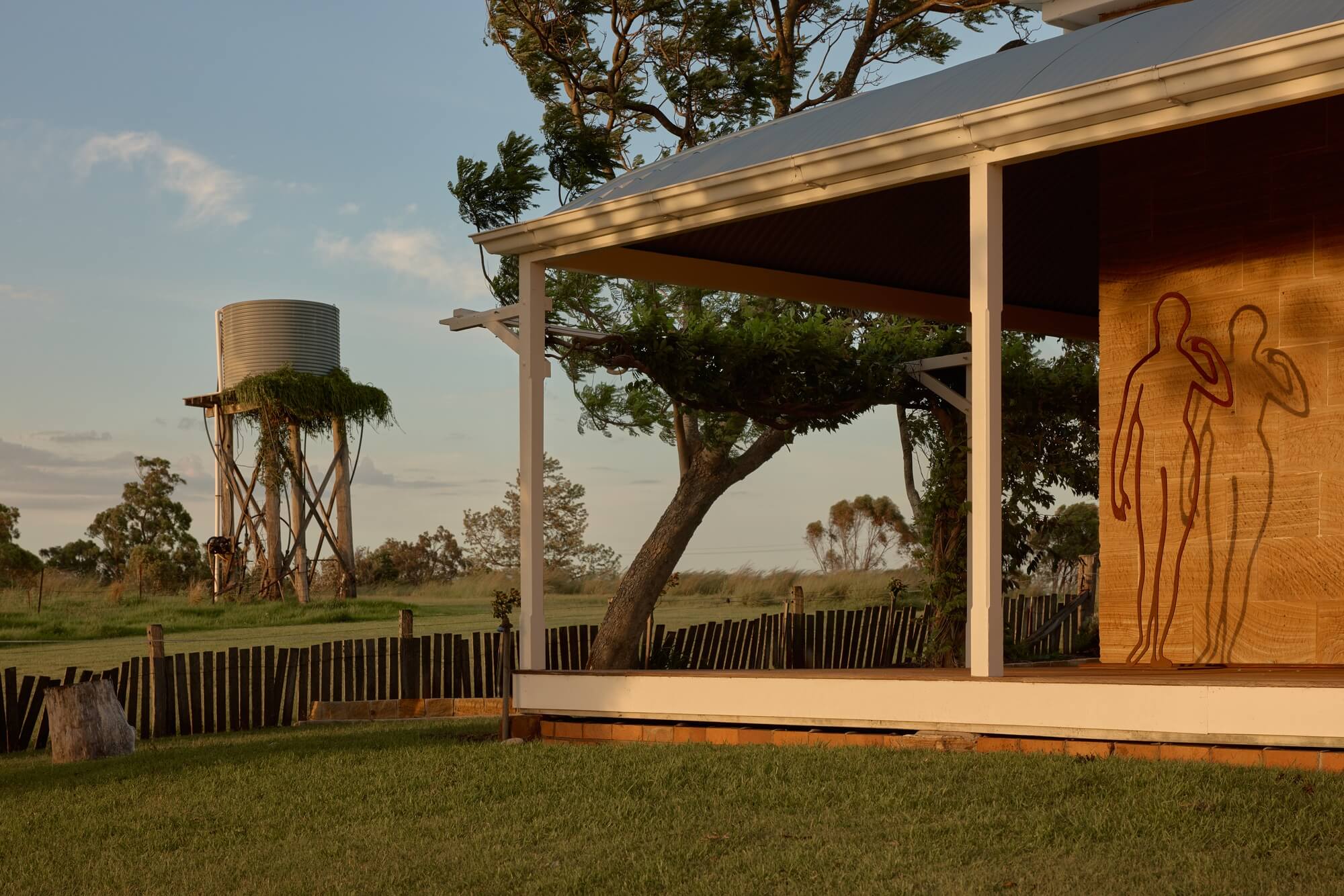
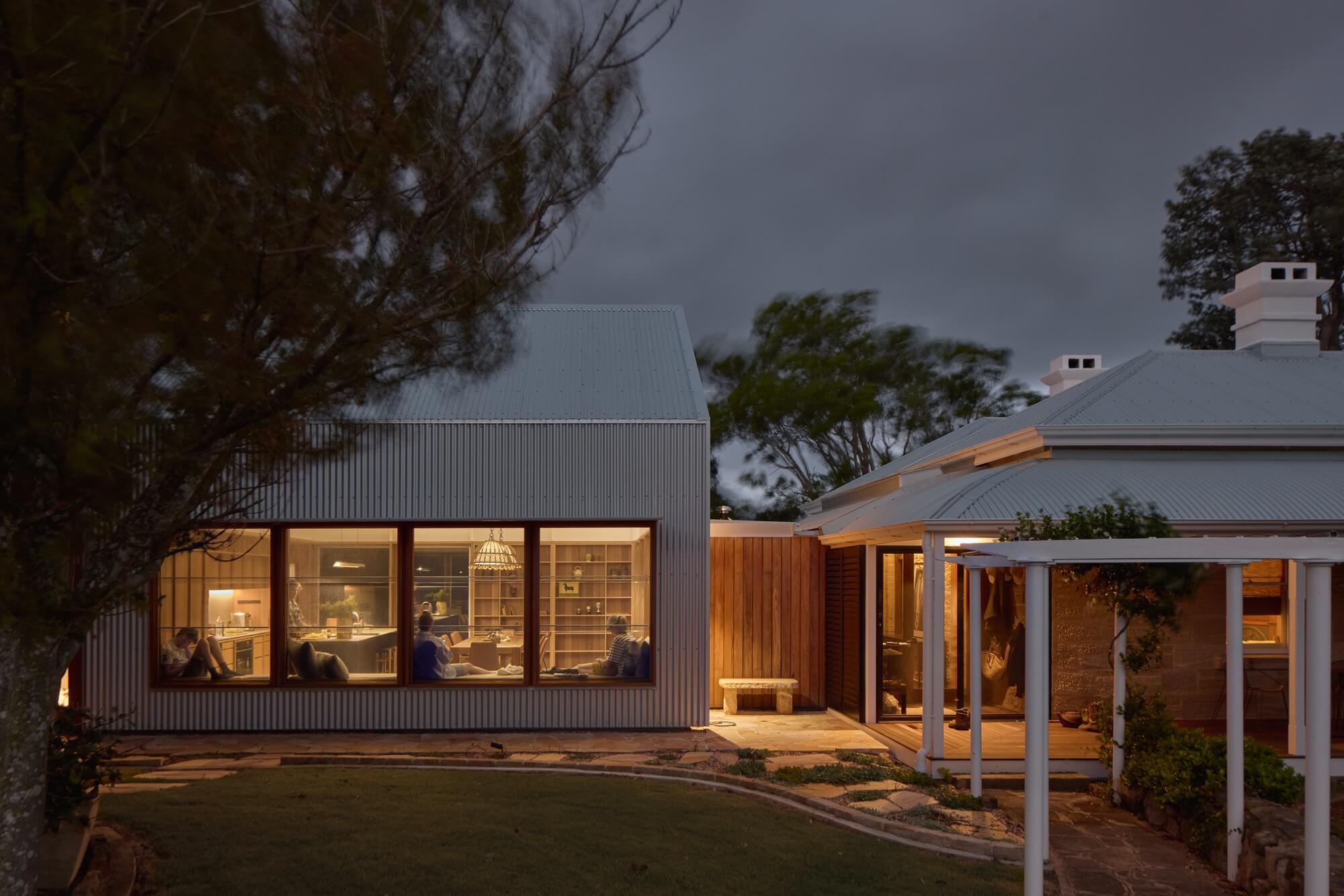
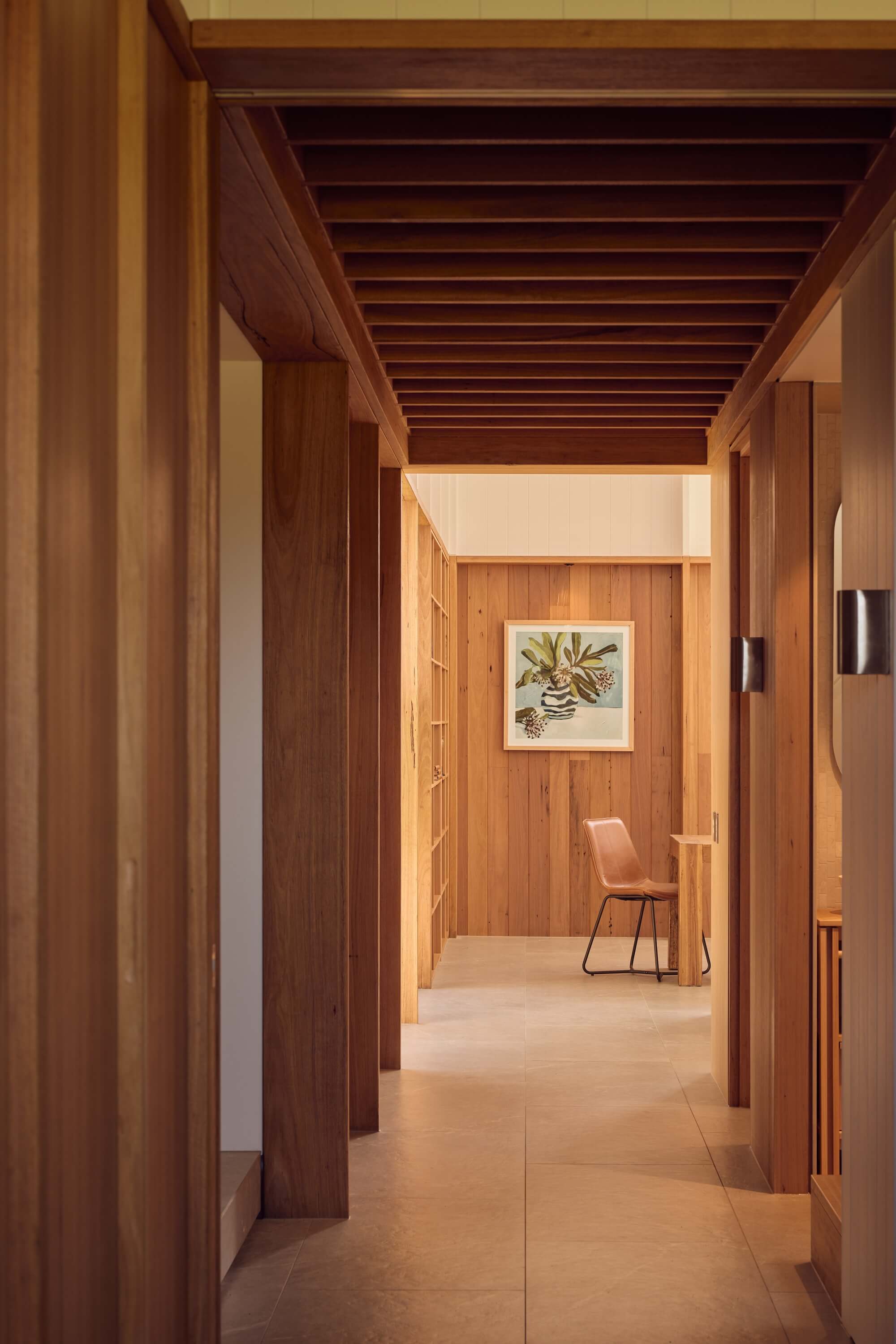
Binnum Homestead is a sensitive adaptation of an 1884 rural residence, designed as a contemporary family retreat. It preserves heritage significance while integrating a new barn-inspired extension, connecting past and present to enhance liveability, sustainability, and long-term use within a working agricultural landscape.
view website

2.jpg
Cieran Murphy
3.jpg
Cieran Murphy
4.jpg
Cieran Murphy
5.jpg
Cieran Murphy
6.jpg
Cieran Murphy
7.jpg
Cieran Murphy
8.jpg
Cieran Murphy
9.jpg
Cieran Murphy
10.jpg
  • CHALLENGE
  • SOLUTION
  • IMPACT
  • MORE
  • The project is defined by the challenge of adapting a significant 1884 sandstone homestead into a contemporary family residence without compromising its heritage value. It required reconciling the integration of a new extension with the primacy of the original structure, while preserving historical fabric within a sensitive rural context. Limitations included balancing modern functional requirements with traditional form, scale, and materiality. The remote Queensland location and reliance on specialist craftspeople for timber restoration added further complexity, demanding careful coordination, considered material selection, and disciplined cost management throughout.

  • The project responds through a restrained architectural approach that protects the primacy of the original homestead while enabling contemporary living. A carefully sited, barn-inspired extension establishes physical connection without formal competition, allowing old and new to coexist with clarity. Heritage fabric is retained and restored, with new interventions expressed as distinct yet complementary elements. A cohesive material palette draws on rural precedents to unify the composition, while internal planning improves flow, light, and environmental performance. The use of durable, low-maintenance materials and passive design strategies supports long-term sustainability, ensuring the homestead remains functional, relevant, and resilient for future generations.

  • The project delivers lasting commercial value by extending the life and utility of a heritage asset, balancing cost efficiency with enduring craftsmanship. Environmentally, it reduces impact through adaptive reuse, passive design, and durable materials that support low-energy, long-term operation. Socially, it preserves a significant rural homestead, reinforcing regional identity and demonstrating a respectful approach to heritage adaptation. As a contemporary family retreat, it enhances daily living while maintaining a strong connection to place. The project offers a model for rural regeneration, showing how careful design can sustain cultural legacy, support local skills, and create resilient, future-focused homes.

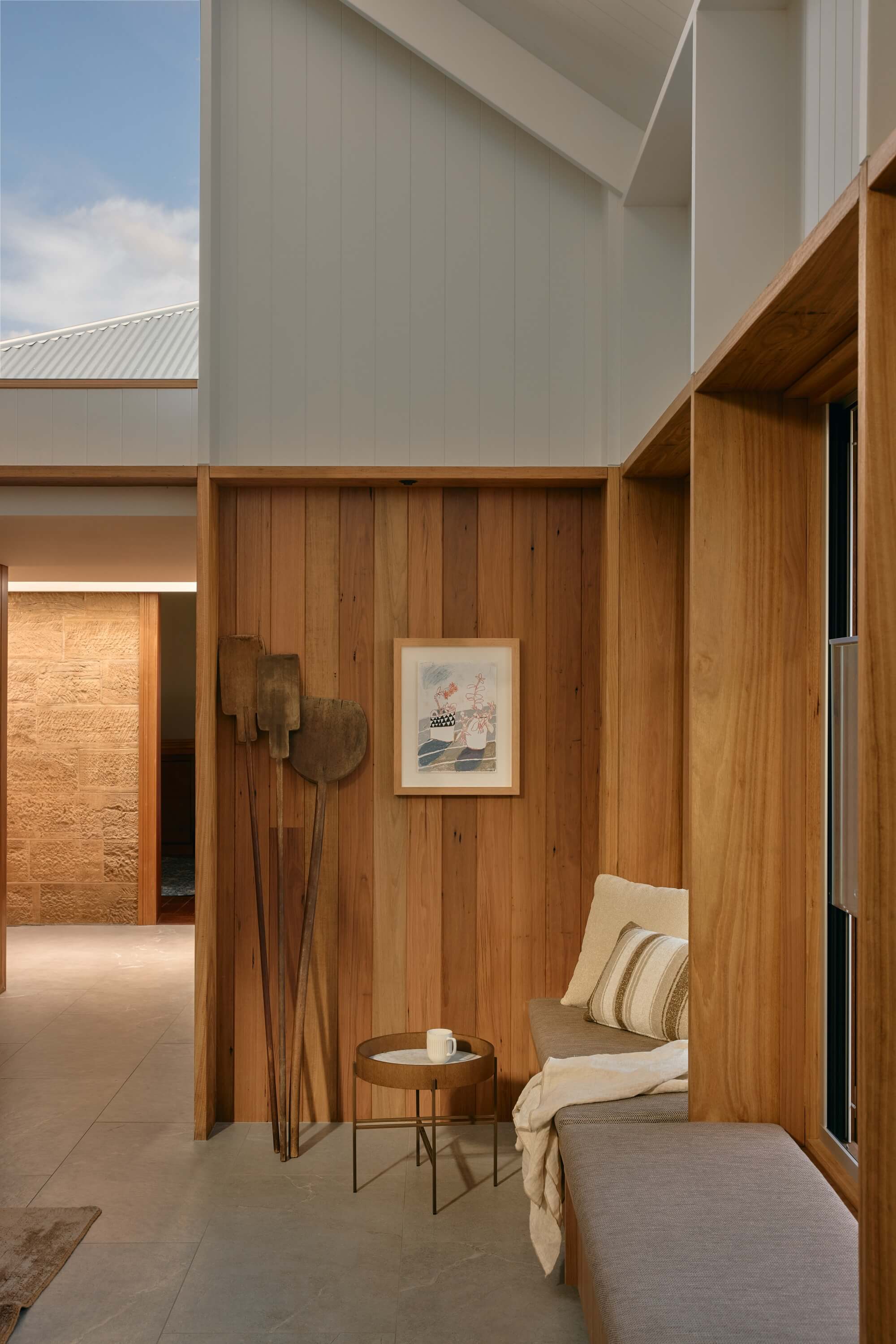
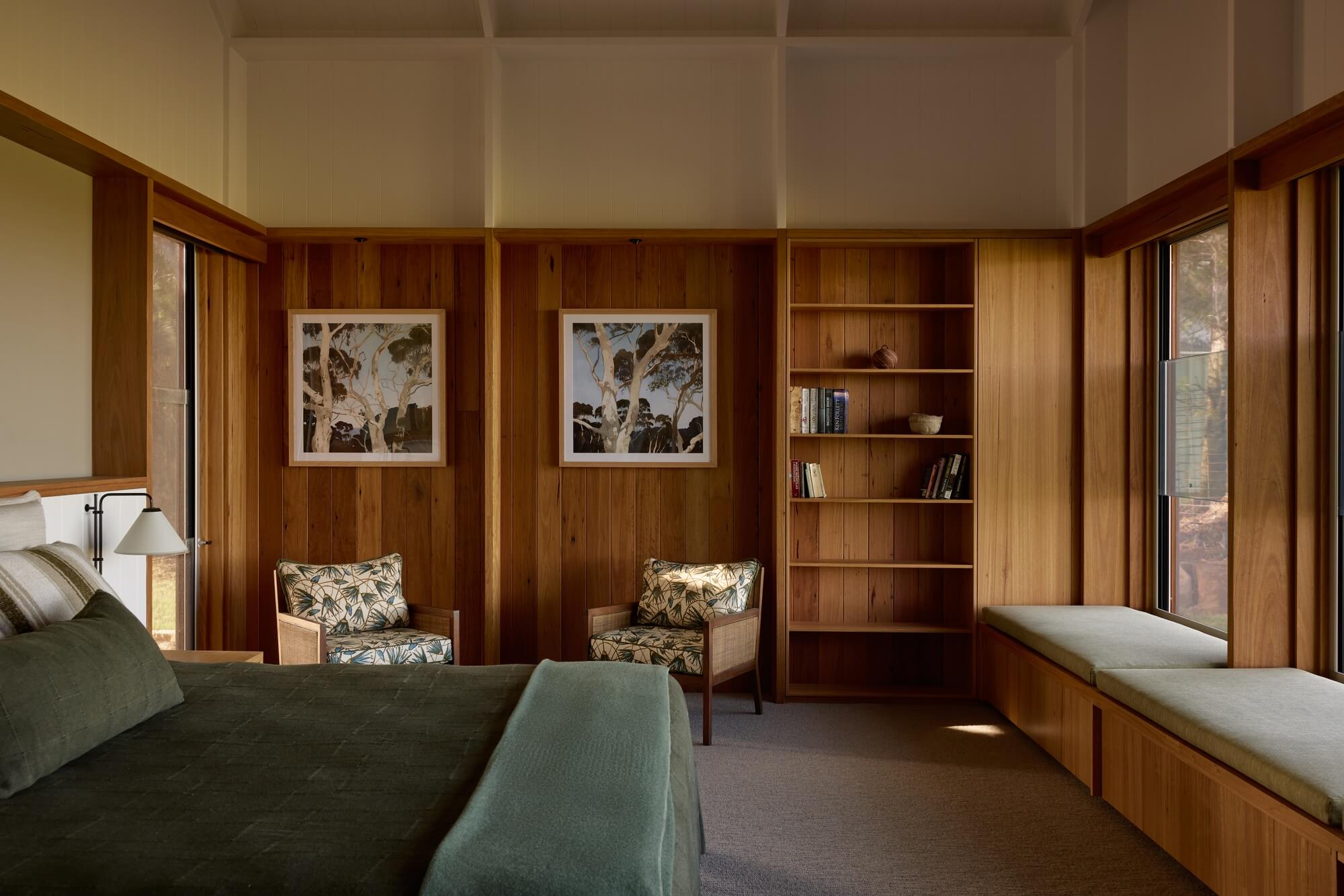
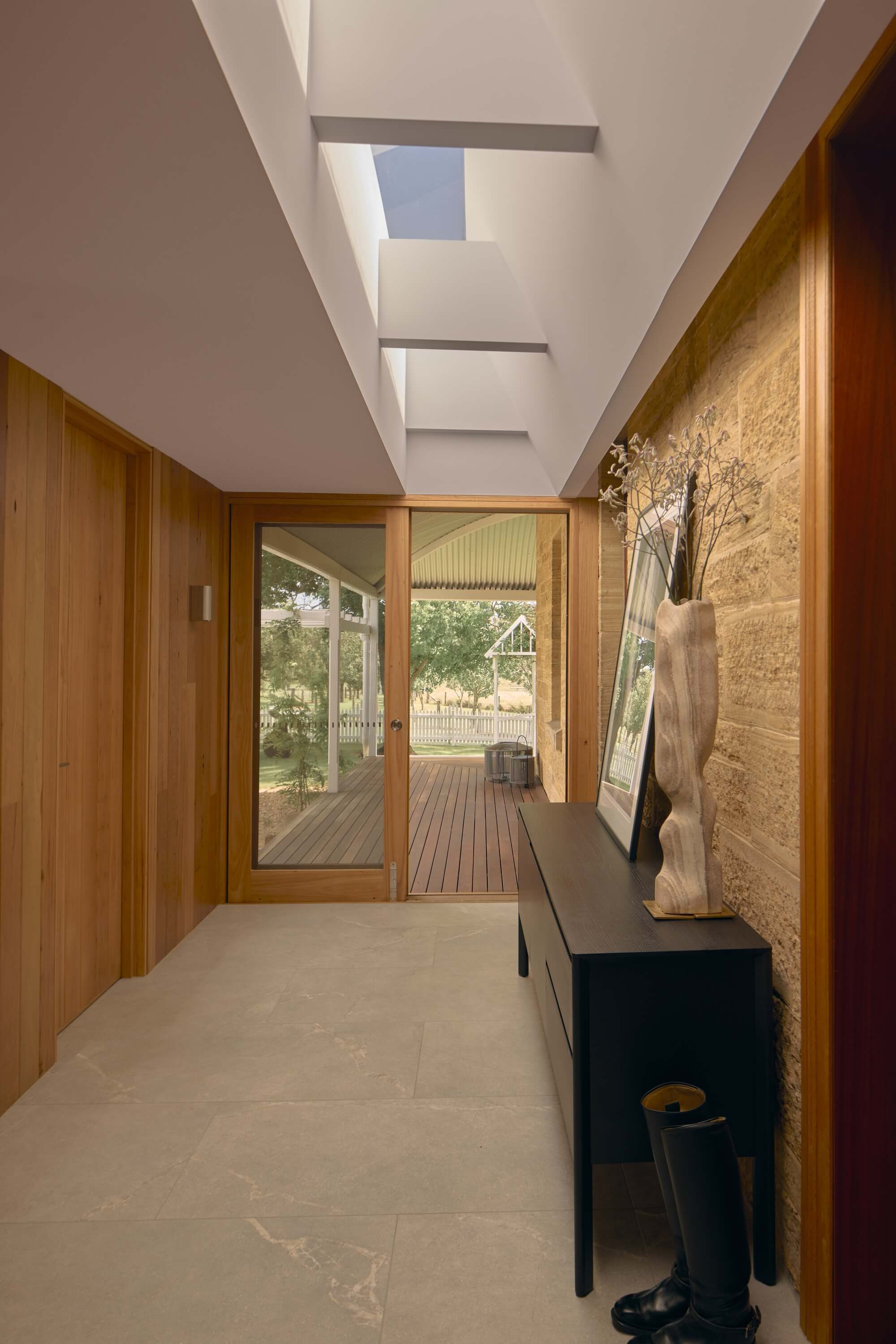
  • Key features of the project centre on a careful balance between heritage conservation and contemporary intervention. The original 1884 sandstone homestead is meticulously restored, preserving its material integrity and craftsmanship while remaining the primary architectural element. A new A-frame extension, informed by rural barn typologies, is deliberately separated yet connected through discreet links, maintaining clarity between old and new.The material palette establishes continuity, with corrugated metal and timber cladding referencing the agricultural context, while internally, timber linings are expressed as a datum aligned with the original sandstone walls, creating spatial cohesion and intimacy. The structural system utilises a portal frame to achieve uninterrupted volumes within the new addition.Passive design strategies are embedded throughout, including thermal mass, cross-ventilation, shaded openings, and integration with solar energy systems. Retention and reuse of existing materials reduce waste and reinforce authenticity. The project also prioritises durability and low maintenance, ensuring longevity in a rural environment while supporting sustainable, contemporary living.