Design connected to Country – First Nations design

Good Design Australia acknowledges the Australian Aboriginal and Torres Strait Islander peoples as the first inhabitants of the nation and the traditional custodians of the lands where we live, learn and work. We recognise their continuing connection to land, water and Community and pay respect to Elders past, present and emerging.

First Nations design thinking brings to life spaces, places and projects that connect with Country, communicate Country, create Community and amplify 60,000 plus years of inimitable knowledge. 

That was captured by Jefa Greenaway, proud Wailwan/Kamilaroi man, architect and key member of 2019’s Indigenous Design Award winning team ahead of a panel appearance at Antidote Festival in 2020. 

He notes that a more widespread embodiment of this ancient approach is incredibly overdue. For almost 250 years, design has reflected a reality that strays from the truth of this great continent, yet Greenaway acknowledges there is now a significant opportunity to face the past and propagate a future that embraces “the water, the trees, the soil” and a culture defined by connection.

“We have far too often exploited Country, commodified Country and scarred Country,” said Greenaway. “The time is now to heal Country, to design with Country and understand that Country is never static – it is a living entity, a holistic interplay of complex interrelationships.”

Animating this opportunity is not something that happens overnight. It is a process that necessitates listening, learning, understanding and engaging Community. It involves letting imported models of transactional design be replaced by those that are more relational. It means that – for a thriving future – designers, governments, thinkers and organisations like Good Design Australia must forge momentum in design equity.
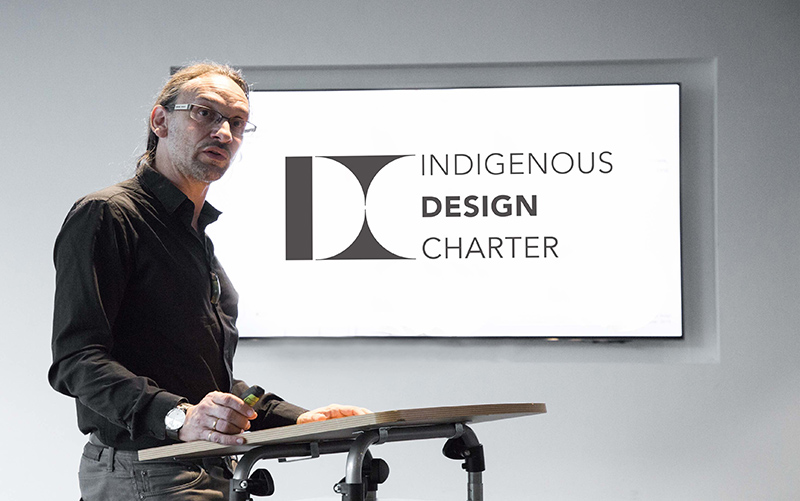
Jefa Greenaway presenting the Indigenous Design Charter
Jefa Greenaway presenting the Indigenous Design Charter. Source: Victorian Premier’s Design Awards.

Why is connection to Country important?

Since colonisation, imported design models, values and styles have dominated Australia. As a result, they have undermined design perspectives informed by and catering to Country. The imported processes reflect an idea of a land in stasis as opposed to an ever-evolving ecosystem, seeing man above nature rather than man embedded within it. From climate change and widespread environmental degradation, to significant losses in Community, the negative outcomes of a disconnection from Country is already being felt.

Alison Page is a Walbanga/Wadi Wadi women, Design Institute of Australia Hall of Fame inductee and co-author of Design: Building on Country. In her book, she expands upon the connection between the built environment and a transforming Country in First Nations culture and thinking. 

“Country is the wellspring from which all knowledge originates,” says Page. “This knowledge helped Aboriginal people survive on this continent for 65,000 years. So, if we want to survive for another 65,000 years, we should be treasuring it and appreciating it.

“Our culture’s systems, technologies and social structures were designed with care for the land, sea and sky and the people in them as a guiding principle.” 
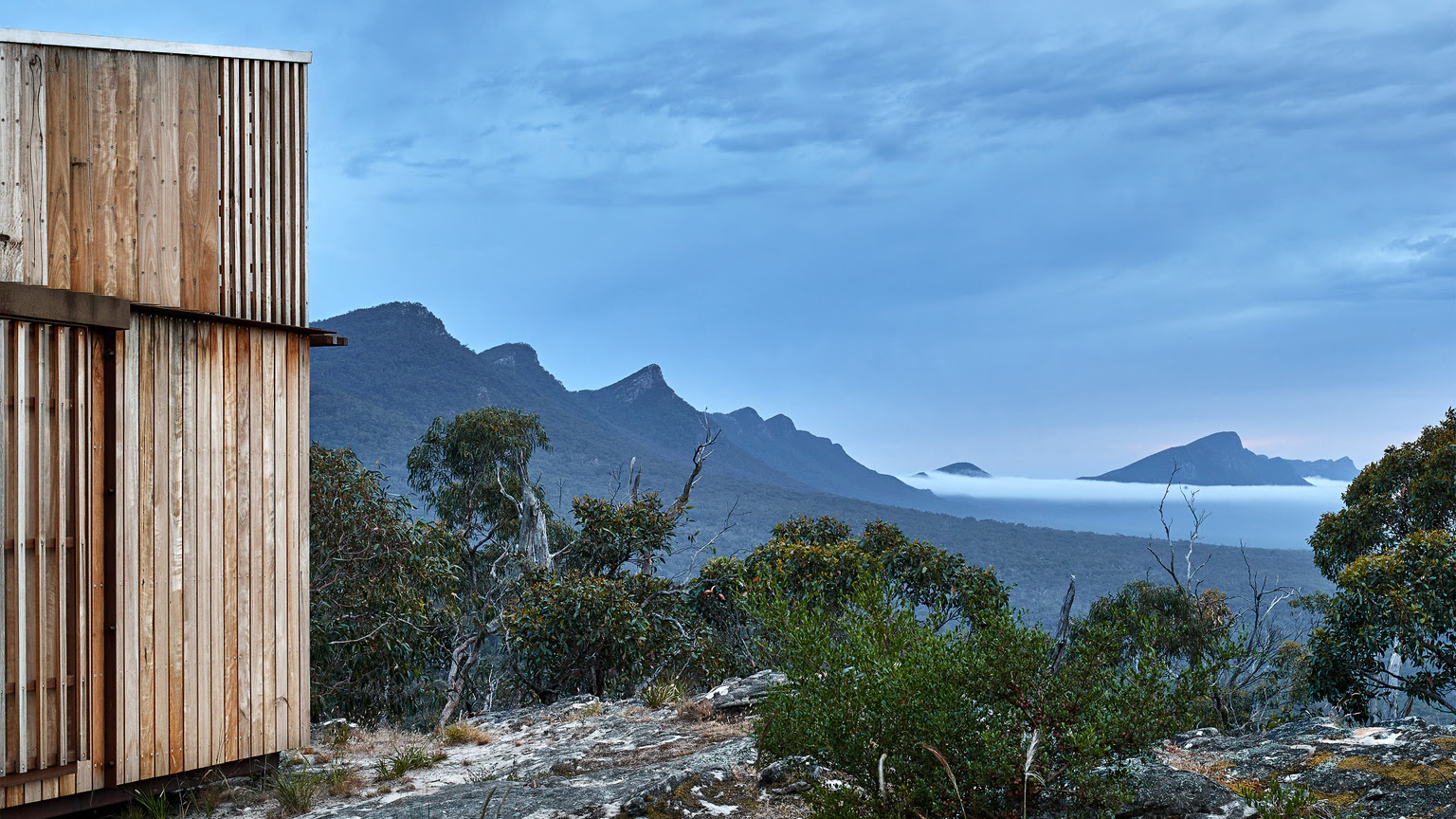
Architectural Place Design Best in Class Award winner 2022 – Grampians Peak Trail. Design connected to Gariwerd Country.

It is this intrinsic care for Country’s people that also informs another kind of connection – Community. It fuels design in-line with cultural expression and communication, where spaces embedded with narratives and meaning come to fruition. 

Greenaway highlights that these meaningfully-designed places centralised a meeting point for “innovators, inventors, storytellers and creatives” for 60,000 plus years. He says that in a modern age where a tangible link to people and environment has become somewhat complicated, their existence is just as important – for Community and otherwise. Plus, there is an opportunity for all designers to energise this relationship.

“As we navigate more and more of life with technology, there is a visceral yearning for authentic connections to place,” said Greenaway. “There can be no better way than to amplify connections to Country, than to know the place in which one designs.

“Be it Gadigal, Kulin Nation or Noongar lands, the starting point is to build one’s cultural intelligence while building understanding anchored in humility.”


Focusing design on Country

So, how can the design industry better uplift this connection to Country and embody First Nations knowledge within design thinking? 

  • Design should be First Nations led or guided

To ensure that wisdom surrounding Community, Country and connection is embedded and the truth of this continent is fairly reflected. This can help avoid simple, stereotypical or colonially-influenced representations of First Nations culture and emphasise a relational approach to design. 

  • More opportunity for First Nations designers must be realised

By stepping aside for First Nations designers and providing more avenues for the next generation to lead change. In Greenaway’s words: “True agency” for Indigenous innovators should be enabled.

  • Impact of design should be considered 

To gauge the reception and implications of all designs to ensure they are respectful to First Nations culture and Country. This includes analyses on legal and moral levels to demonstrate a respectful commitment to Community and to seek appropriate permissions. 

  • Community is to be continually engaged 

At all points – in design, in creation, realisation and into the future. An enduring, Community-centred protocol establishes an ongoing conversation that reflects an ever-evolving Country. 

Committed to Country and First Nations design 

Good Design Australia is proud to celebrate the important contribution that First Nations designers make to Australia’s vast spectrum of design disciplines and practices. We recognise the unwavering value of their sustainable, knowledgeable and interconnected design processes and acknowledge their power to lead a better, safer and more prosperous future for all.

Good Design Australia strives to uplift a continual connection to Country and its Communities. As part of this evolving mission, Good Design Australia and RMIT University present the Indigenous Design Award as a Special Accolade within the annual Australian Good Design Awards. 

The Australian Indigenous Design Charter took out the Award in 2018. The document addressed the issues of appropriation and respectful representation of First Nations culture in design practice and education. This document offers best-practice protocols for designers (Indigenous and non-Indigenous) working with Indigenous knowledge through respectful, Indigenous led, collaborative processes.  


DESIGNING FOR A INCLUSIVE, DIVERSE AND CONNECTED FUTURE?

The 2023 Australian Good Design Awards are open now. Submit your entry and make your mark on a prosperous future for all – today. 

ENTRY INFORMATION HERE

Submissions for the 2023 Australian Good Design Awards close 21st April, 2023.

65 YEARS OF GOOD DESIGN

Good Design Australia promotes the ​​importance of good design to businesses, industry, government, and the general public. But, what is good design anyway?

WHAT IS GOOD DESIGN?  

The first evaluation criterion in the annual Australian Good Design Awards is Good Design – but what is good design and how do we evaluate it?

For us at Good Design Australia, good design doesn’t mean expensive or exclusive – good design means that whatever it is, it works and works well.

We look at form, function, safety, quality, aesthetics, commerciality, sustainability, purpose, process, plus much more to determine if something is good design…or not.

We uphold a rigorous and in-depth review of each entry, ensuring every project receives the time it deserves. All entries are carefully assessed by an independent expert Jury panel and evaluated against criteria specific to their Design Discipline.

Good Design Australia (GDA) has been promoting design excellence and innovation since its original inception as the Industrial Design Council of Australia (IDCA) in 1958. With an unwavering commitment to championing the importance of good design to business, industry, government and the general public, and now more than 65 years of design history under our belt, we like to think we’re pretty uniquely placed to evaluate good design. 

GOOD DESIGN OVER TIME

The signifiers of good design have shifted significantly throughout the long history of GDA, evolving with and adapting to the priorities of businesses, industries, governments and the general public over time.

1950s
Formally established in 1958 as the Industrial Design Council of Australia (IDCA), the initial focus encompassed Australian-manufactured goods and worked to manifest, maintain and promote high standards in their design. Durability, originality, ease of use, and marketability ruled these early design criteria, reflecting a society where product longevity and consumer perception reigned supreme. 

The Industrial Design Council of Australia (IDCA) is formally established in 1958 by a group of design and industry professionals and funded by the Commonwealth Government.

1960s

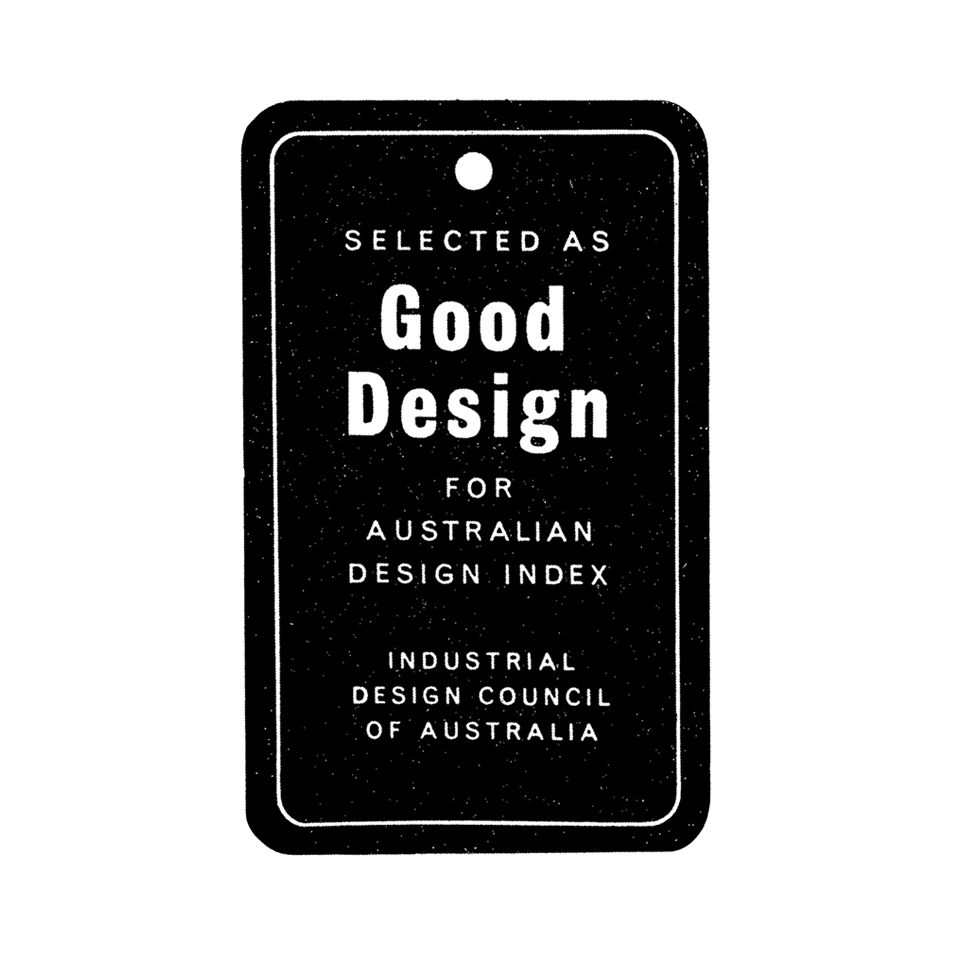
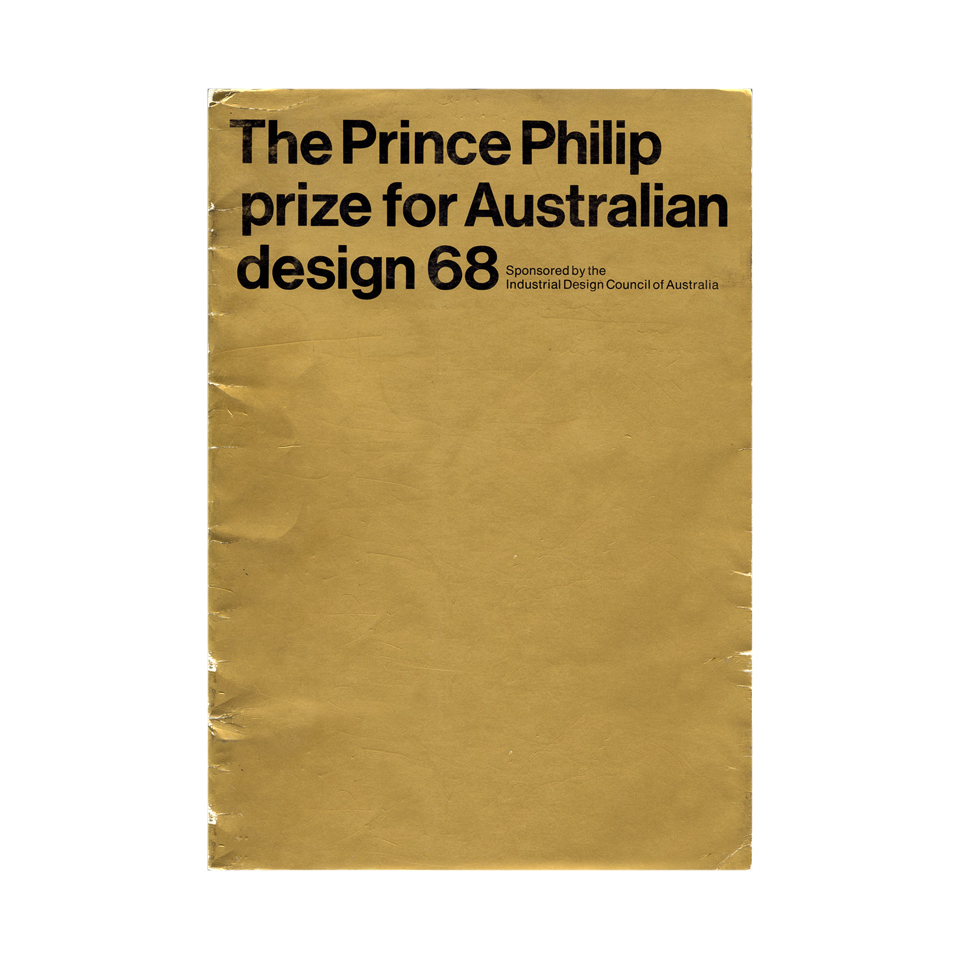
From 1964, Good Design Labels, visible indicators of quality design and manufacturing, began to appear on products in the marketplace. A decade later, the Prince Philip Prize for Australian Design was introduced, supported by His Royal Highness, Prince Philip, The Duke of Edinburgh. This prestigious accolade signaled a notable movement within the idea of good design and its wider impact on business and society. This prestigious accolade promoted a greater focus on Australian engineering, recognising a product or system of Australian design closely associated with Australian life and industry. Moreover, it had to demonstrate a potential to make a substantial contribution to Australia’s economic progress.

Selected as Good Design Labels became visible indicators of good design in the early 60s.

1970s

Between funding challenges, a complete transformation of the IDCA, and an energised resurrection in the 1970s to champion the Australian Design Awards, innovation became the next hot topic. Products pushing the boundaries of design in aesthetics, manufacturing quality and usability were rewarded through the Australian Design Awards, the country’s highest honour for design innovation. 

The inaugural Prince Philip Prize is awarded in 1968, during Prince Philip’s visit to Australia in May.

1980s

Prime Minister, Hon. Malcolm Fraser, taps into the Australian Design Awards conversation with a contribution to the 1980 Yearbook. He noted, “The importance of good product design in the successful manufacture and marketing of products for local and overseas markets is widely recognised. The future manufacturing industry, and to some extent Australia’s future prosperity, will depend on meeting this challenge for quality products at internationally competitive prices.” So continued the emphasis on marketability and superior manufacturing in the idea of good design.

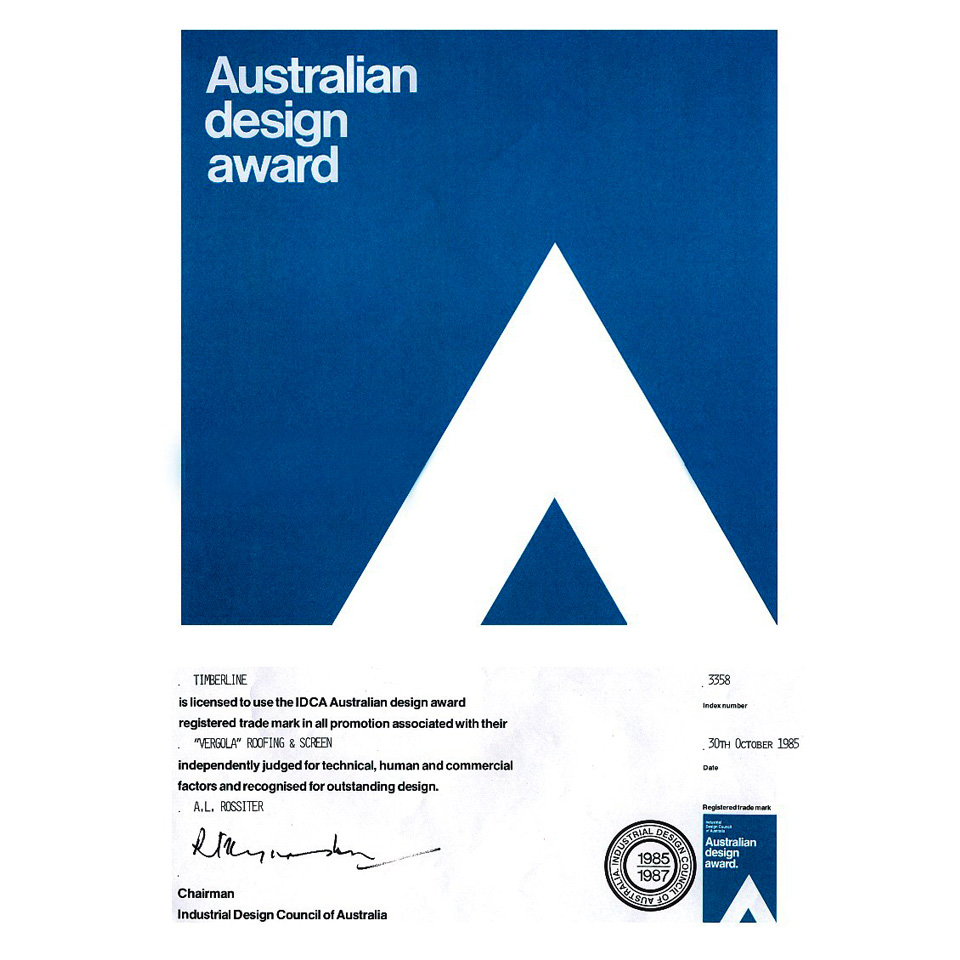
The IDCA, with A.L. Rossiter at its helm as Chairman, continues to promote the value and importance of professional design to Australian business and industry through the Australian Design Awards recognition program.

1990s

In 1992, the Powerhouse Museum Design Award was introduced to the Australian Design Awards program. Within its criteria, innovation in design, technology or materials that are of real benefit to users is emphasised. It also adds weight to cultural significance, with entries needing to show potential to become important in the lives of Australians and Australian industry and be worthy of recognition in the global marketplace.

“Creativity and innovation are recognised worldwide as key drivers of economic and social well-being in the 21st Century. The Australian Design Awards continue to showcase the best in Australian design and provide sound evidence that these qualities continue to characterise the development of Australian industry.” Hon. John Howard, Prime Minister of Australia.

2000s

2008 marked the 50th Anniversary of the Australian Design Awards and the first time internationally-designed products available for sale in Australia are allowed to enter. With the threat of climate change and environmental degradation becoming more and more realised, an Australian Design Award for Sustainability is introduced to recognise excellence in sustainable design practice and show the potential of design to lead to a more sustainable future.

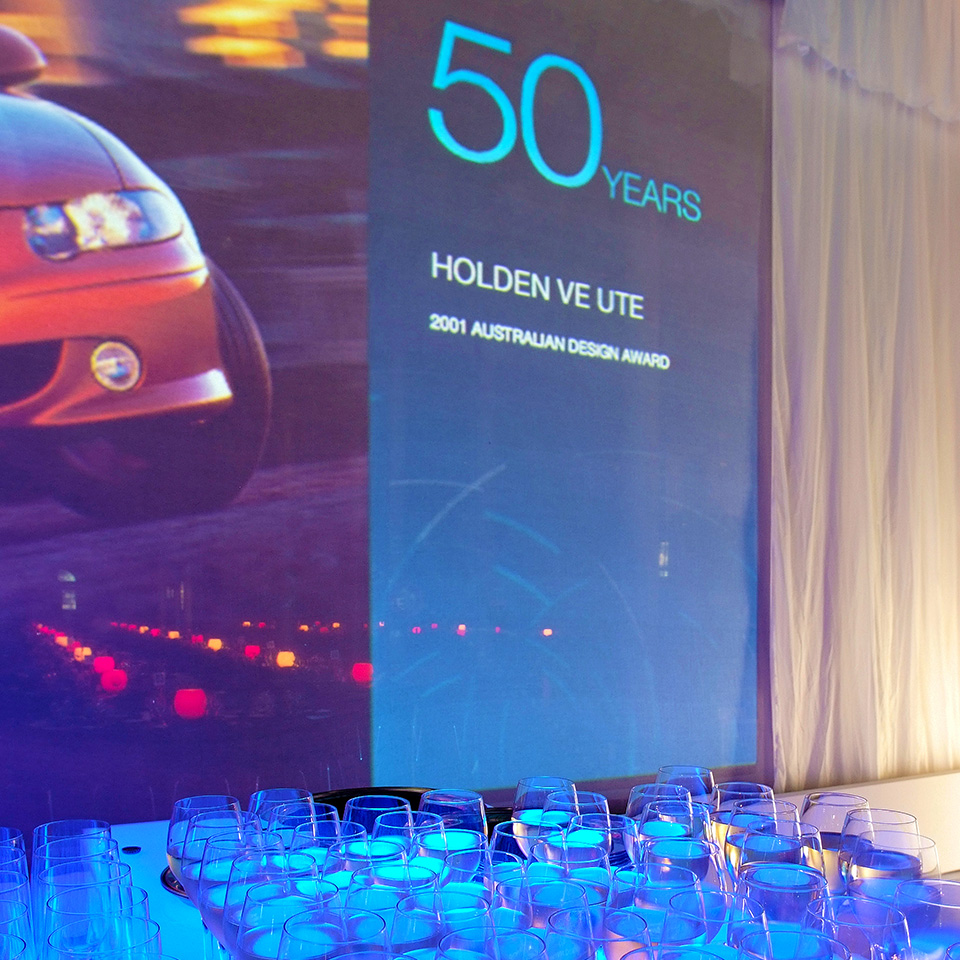
The Australian Design Awards celebrates its 50th Anniversary.

2010s

Forward progression in business, society, industry and the environment underlines the good design approach in the second decade of the 21st century. This comes to fruition with new Awards to recognise the ways in which design can help shape the future economic, social, cultural and environmental realms of Australia and our planet as a whole. New accolades are introduced including the Good Design Team of the Year Award, Australian Design Prize, Indigenous Design Award, and the Women in Design Award.

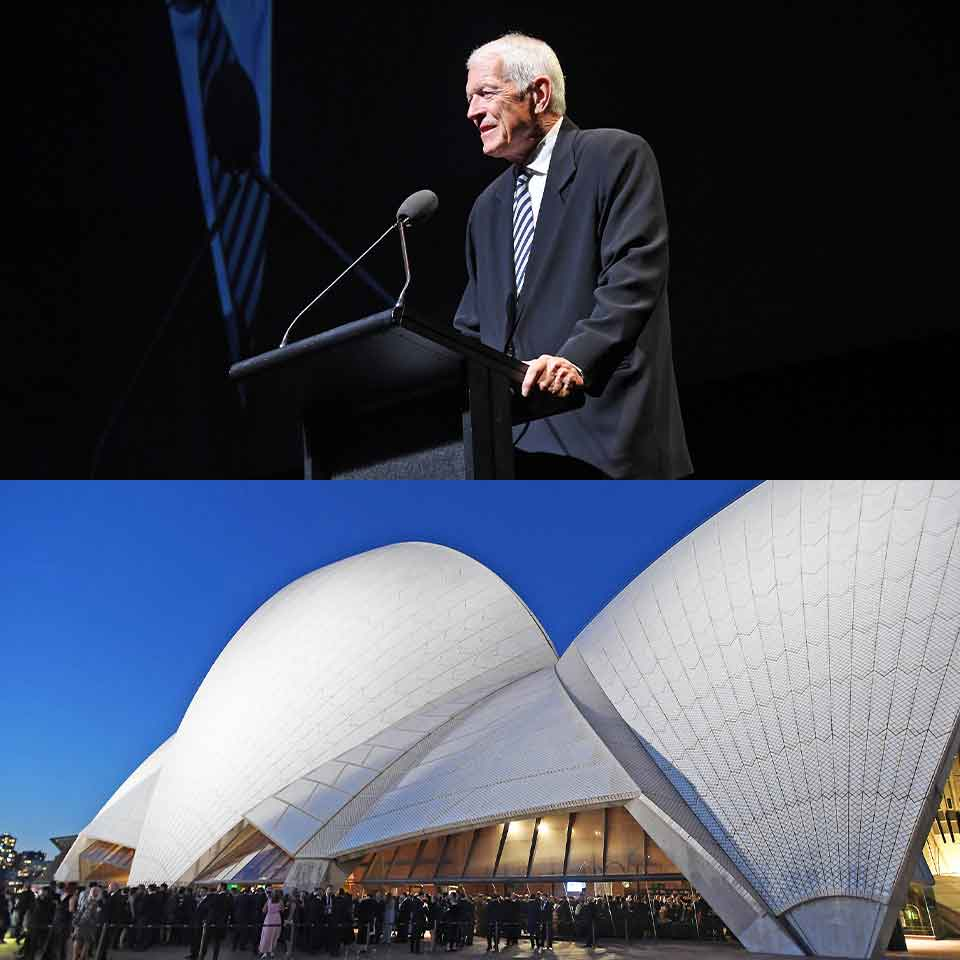
Danish Architect, Jan Utzon (pictured), son of Jorn Utzon who designed the Sydney Opera House, attends as the Guest of Honour to present the 2018 Australian Good Design Award of the Year

2020s

Good design takes on a renewed focus on design for good. Design for purpose is positioned to tackle some of the world’s most pressing challenges. Conscientious of the impact both good and bad design has on our planet and the growing importance of transitioning to a low carbon, circular and regenerative economy that pays deeper respect to indigenous design practices, drive the good design debate forward. 

The Australian Design Council is re-established as a not-for-profit industry body to advocate for a design-led future for Australia and to champion the role and importance of design to address complex social, economic and environmental challenges. 

The new Australian Good Design Awards Tick Trophy is launched in 2022. The new trophy is sustainably designed and made from 100% post-consumer plastic and Australian-sourced aluminium.

GOOD DESIGN TODAY

2022 Australian Good Design Award of the Year – Advancell Isotopes²¹²PB Generator. Designed by Design + Industry (D+I) and AdvanCell Isotopes and Commissioned by AdvanCell Isotopes

While the understanding and appreciation of good design have evolved significantly over the past 65 years, one thing remains constant – the unwavering power of design as a future-focused, strategic thinking process. 

“If I compare the role of design today to say 25 years ago, the narrative has shifted significantly in the right direction. There is far greater appreciation and understanding of the importance of professional design and the impact it can make on profits, people and our planet,” says Good Design Australia CEO, Dr. Brandon Gien. 

“With so many challenges in our world today, from the impacts of climate change to reducing landfill waste and pollution, we need now more than ever to champion good design and good designers.” 

“While a growing number of businesses understand the power of design and are already benefiting from it, there are still many out there that don’t. We need more design-led businesses that demonstrate and showcase the value and impact of good design at all levels. We need more people to take notice and to celebrate this beautiful thing called design.”

Good design today innovates for the greater good of people, profit and planet. It encompasses clever ideas, delightful products, inspirational projects, and user-centered services that show the potential to lead to a better, safer, and more prosperous future for all.

As the world and the realm of good design progresses, who knows where the goalposts may shift in the future. Though one this is for certain: the good design narrative will always encompass meaningful design, passionate designers, and innovative design processes all aimed at creating a better tomorrow. 

Submissions to the 2023 Australian Good Design Awards are currently open.

ENTRY INFORMATION HERE