Design as a Catalyst for Business Success

As described by the Australian Design Council, design is a core capability and problem-solving tool for the 21st century. Not only does it empower products, services and technologies that speak to and lead the world, design can similarly energise business strategy. 

By embedding design thinking and methodology into business practices, companies strategise for diversified, long-term growth and success. Their innate focus on understanding customer, stakeholder and internal needs is at the core of it all, allowing compelling frameworks and innovations to evolve, be refined and cemented.

Design transforms businesses with a comparative advantage into competitive advantage. Read on to discover how design-led strategy can catalyse business success in our dynamic modern industry.
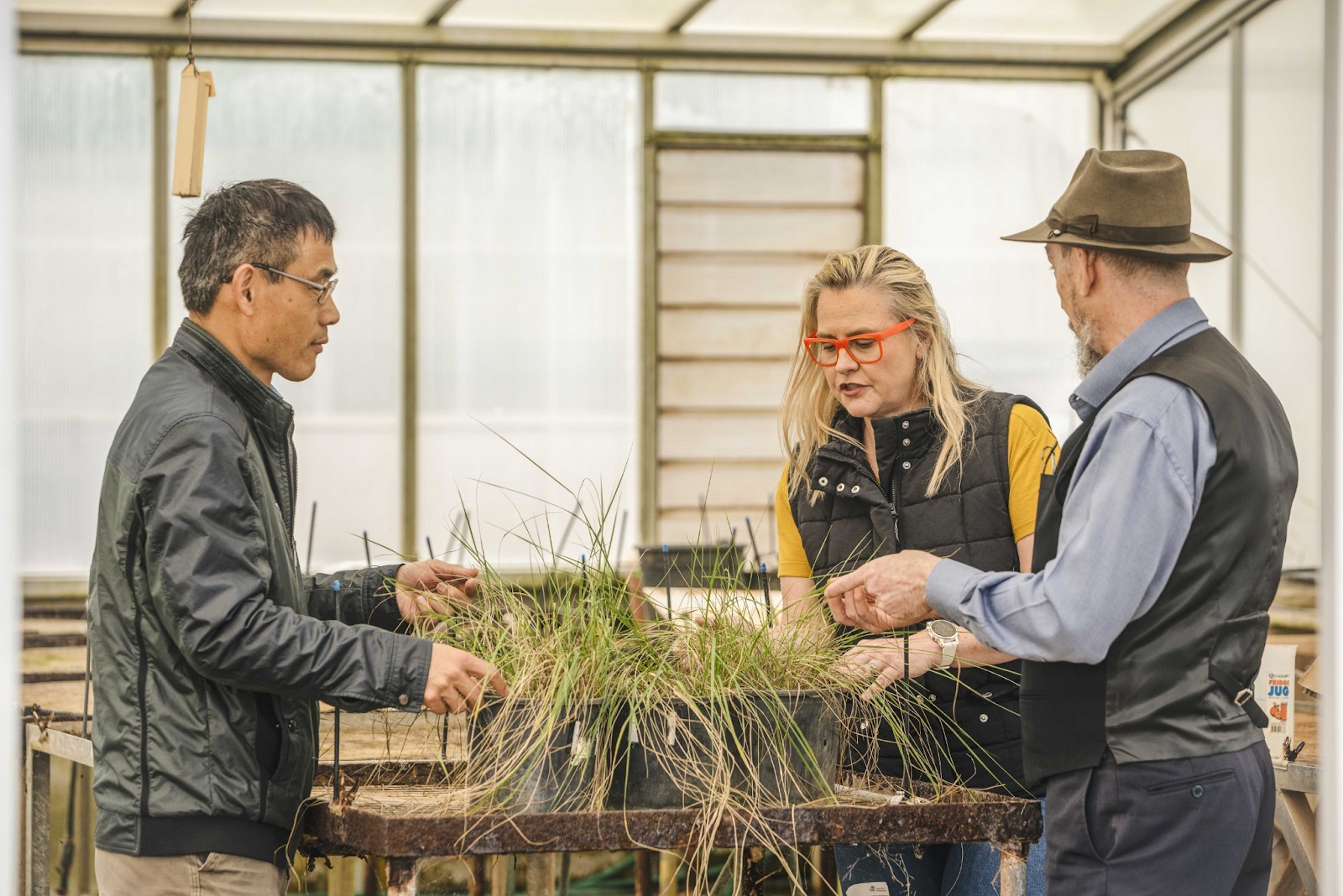
GATE 2020 – 2021 Good Design Award Gold Winner – saw the NSW Department Department of Primary Industries’ Global Ag-tech Ecosystem incubator program be reviewed, refreshed and delivered to foster greater benefits to society, industry and global agricultural sectors. Image: NSW DPI

Dynamism with design

While traditionally associated with product and service design, design thinking in the strategic sense has come a long way since its fledgling beginnings in the mid-20th century. It was then that pioneers Herbert Simon and Buckminster Fuller began to advocate for more empathetic and human-centred design approaches to problem-solving beyond just the products and service businesses create. They highlighted design’s potential on an organisational level that would only grow.

The years leading up to the turn of the century saw the rise of design as a competitive advantage. Companies such as Apple in the 1980s embodied the movement, applying design-thinking not only to create products that emphasised distinctive aesthetics, but also in areas of usability, user experience, marketing and organisational structure and strategy. The term, “design thinking”, was subsequently coined in the 1990s and popularised by numerous design consultancy firms and education institutions such as Stanford’s d.school.

Now, in the 21st century, the ability of design methodologies, frameworks and thinking has gained widespread adoption throughout global industries. Their ability to foster innovation and solve complex business problems has been increasingly emboldened, helping organisations strategise for agility, customer-focus and competitiveness in a rapidly changing marketplace.

Aurecon’s co-created Powerlink network roadmap – 2050 Network Vision – utilised flexible, human-centred design to plan for the future of one of Australia’s largest electricity transmission networks. Image: Aurecon

How design-led strategies can amplify business

Design-led strategies are empowered by the non-linear and iterative design-thinking process. It involves five phases – empathise, define, ideate, prototype and test – which design experts say challenges problems that might not be visible from surface level evaluations. This allows businesses to:

  • Empathise and collaborate with stakeholders

Design thinking promotes collaboration and empathy within all stakeholder groups, namely customers, clients, partners and internal business entities. Whether it’s through surveys, research, interviews or observation, this helps companies gain a deep understanding of needs, challenges, aspirations and the various intersections of players. 

  • Better define the problem

Putting the diverse perspectives of the first design thinking stage into play, businesses are better able to define the problems or opportunities they want to address. The expansive insights open the doors to possibly unforeseen and unsatisfied needs, helping realign strategies away from previous business goals to meet them. This clearly sets a direction for the next steps forward.

  • Freely ideate and brainstorm 

The design thinking process encourages businesses to generate solutions and strategies without judgement. This involves cross-disciplinary collaboration between internal departments for ideation so that a range of innovative possibilities and ideas evolve. 

  • Emphasise prototyping and iteration

While prototyping a business strategy might be more abstract than that of a service or product, a somewhat tangible representation or simulation of an initiative can be crucial for strategic experimentation and ideation. Whether it’s in the form of a visual representation, roleplay or simulation, prototyping allows businesses to see how a strategy might play out before it’s iterated further or tested.

  • Test, validate and refine

Prototype tests internally with employees or externally with customers, for example,  gather valuable data and insights for businesses. The feedback and findings can help validate the viability of an idea, or expose its insufficiencies. Either way, opportunities for refinement will likely arise and empower the most dynamic and adaptable strategy.

  • Embrace a culture of innovation

Linking back to the mantra of the Australian Design Council once again, design enables effective innovation across products, services, systems, experiences and business models. By applying its principles in strategy, businesses are able to foster a culture of innovation that embraces experimentation, creativity and continuous learning.
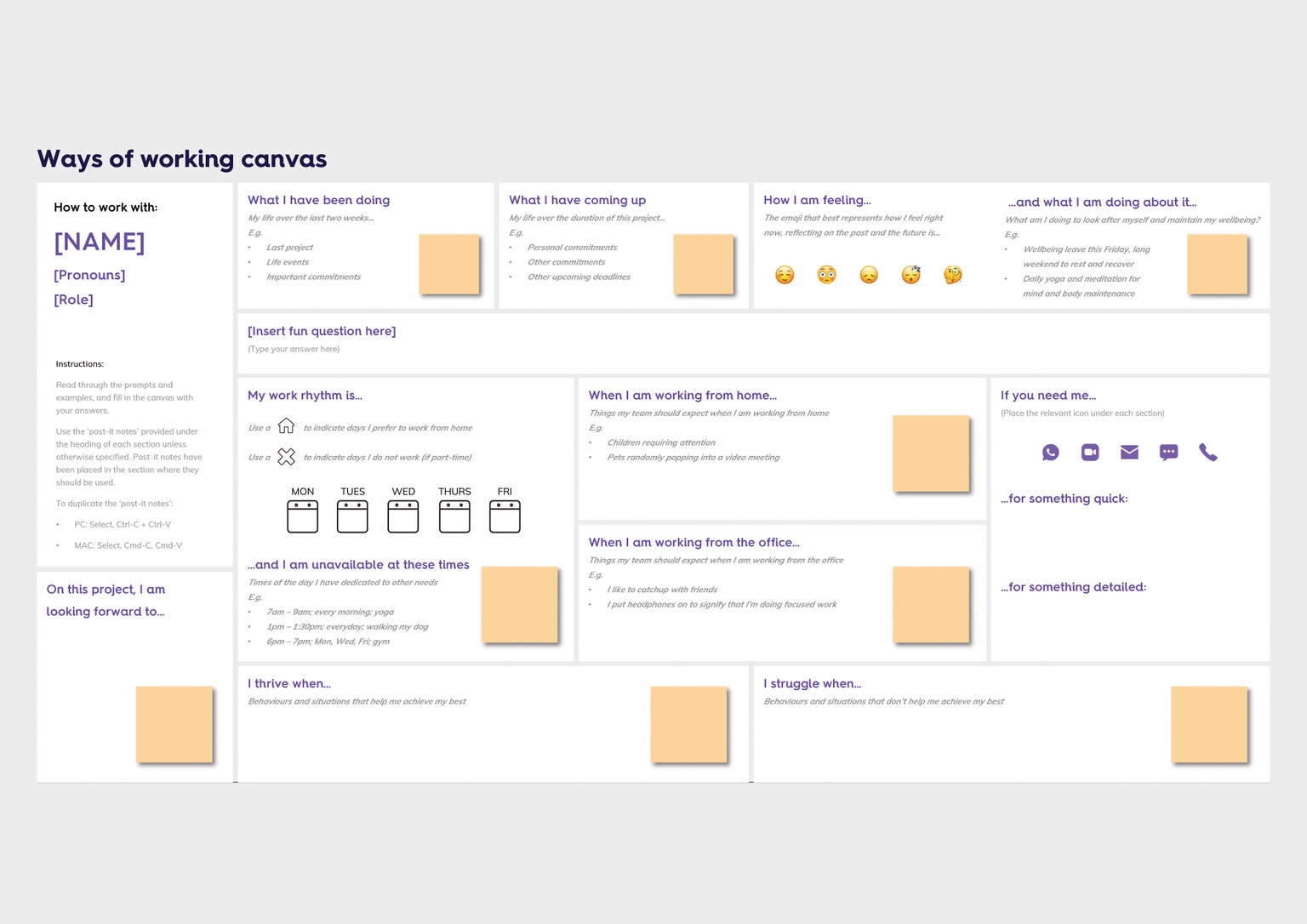
HESTA Hybrid Ways of Working – 2022 Good Design Award Winner – defined what a balanced world of work means for HESTA and created the guardrails to bring it to life. Image: Deloitte

The key to ongoing business success?

When applied to business strategy, design thinking enables businesses to better understand their customers, identify opportunities and act on them through a holistic and innovative process. It’s in this way that companies can gain an indispensable strategic advantage and cement a strategy ideation approach that is dynamic and reactive.

Stay ahead, enduringly innovate and strategise for long-term success with design. 


Explore the Good Design Index for more stellar examples of good design

As the 2023 Jurors come together to evaluate, crown and celebrate the brightest designs of this year’s hallmark Award season, why not turn back the clock and discover some innovations of the past? Search by category or have a blind deep dive – find inspiration either way.

DIVE INTO THE GOOD DESIGN INDEX HERE
The Evolution of Service Design

Service design plays a prominent role in today’s service-oriented world. Yet, it wasn’t always this way. Over the last 50 years, service design has evolved from niche 1980s beginnings rooted in budding user-centric frameworks, to an interdisciplinary discipline essential to creating relevant and meaningful experiences for all service stakeholders. Now, the holistic approach is driving customer satisfaction, business value and social impact worldwide.

The service design approach focuses on improving and innovating services through the application of design principles and frameworks. This involves engaging stakeholders, prototyping and refining services so that they meet the needs of their desired audience, all while maintaining profitability, efficiency and effectiveness for the service provider.

Before the meteoric rise of the discipline, services had traditionally been developed and delivered without much consideration for the user experience. Service design sought to change that by putting the user at the centre of it all. Read on to trace the discipline’s incredible journey to a powerful, everyday tool.  

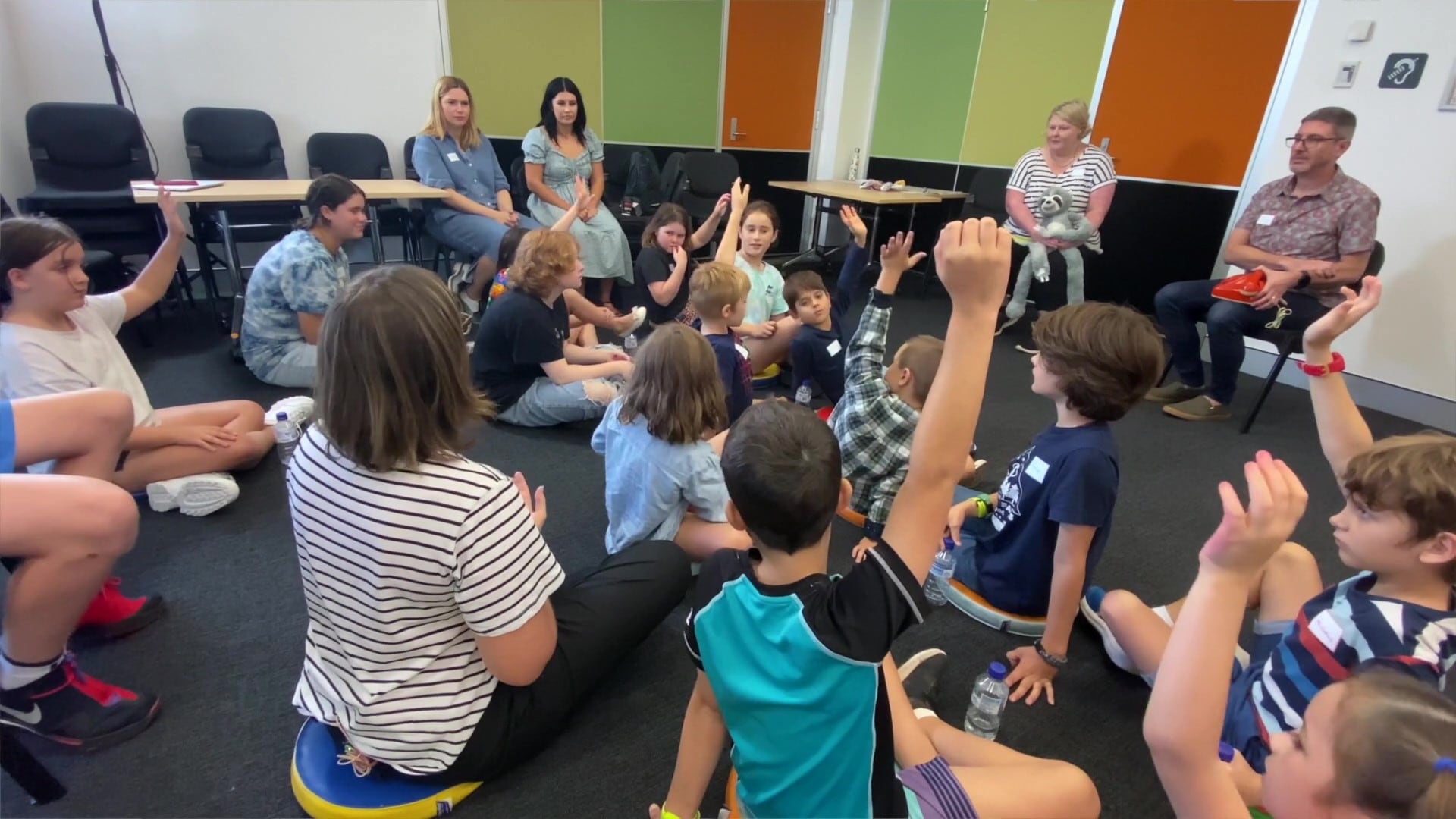
The Imaginarium – 2022 Good Design Award Gold Winner – Kids Helpline co-designing with young service users. Image: Kids Helpline

From an afterthought to a beneficial service approach

Pre-1980s

Though only coined “service design” in the 1980s, the discipline’s roots can be traced back to a growing emphasis on user-centred design and systems through the mid-century. It’d become increasingly obvious that a narrow focus on provider or organisational benefits in service creation was losing relevance within customers and communities. Thus, service managers began to zoom out, looking to their audiences for answers as to how they’d more intimately engage them. This set the groundwork for service design as we know it today.

1980s

In-line with the incredible rise of service-based economies comprising financial, hospitality, retail, health and education services in the 1980s, service design began to emerge as a distinct and crucial field. The discipline built off the budding recognition of the importance of customer experience, and was further set in stone by bank executive, Lynn Shostack, in her 1984 article, Designing Services That Deliver. In this piece, Shostack coined the term “service design”, highlighted the need to apply design principles to services and marked the first official identification of services as designable entities.

1990s

Driven by advances in technology, globalisation and a greater relevance of service-oriented economies, service design gained further momentum in the 1990s. It was when agencies, consulting firms and academics began developing, refining and offering service design methodologies and expertise to service providers. The first specialised service design program was established at the Köln International School of Design in 1991.

2000s

With the benefits and methodologies of service design firmly imprinted within the design space, the 2000s saw design consultancies such as Livework Studio and IDEO reach inspirational new heights within the discipline. They were actively applying user-centric design principles such thorough research, stakeholder co-creation and prototyping into their work, with engaging innovations in the healthcare, transportation and finance service industries consequently developing.

2010s

Service design continued to evolve in the 2010s as service systems became more complex, digital and multimodal. More organisations were also clearly recognising that customer satisfaction doesn’t only increase market utility, but drives significant business benefits such as profitability and differentiation. This saw the discipline expand beyond individual services to large service ecosystems that considered the distinct interactions between multiple touchpoints and stakeholders. Now, the integral methodologies of service design, such as co-design, participatory approaches and extensive prototyping, have become crucial aspects of relevant, engaging and beneficial services.

Today and Mental Health Reform Victoria brought onboard people with lived mental health experience to help transform the Victorian mental health system. Image: Today

The future of service design

In our increasingly online and digital society, the service design discipline has realised a new challenge. However, it’s so far a challenge in which it has thrived within. Service designers are now incorporating digital touchpoints, mobile applications and online platforms into their work, considering the entire user journey, both in-person and online, across different channels and devices. In fact, user experience (UX) design is firmly intertwined with the service design field with their shared goal of creating seamless and meaningful user interactions. 

Expanding upon aforementioned business benefits of service design, organisations are increasingly looking towards service design methodologies to uplift their offerings and serve a greater cross-sections of our society. Governments and public institutions are also embracing service design to foster public engagement and develop services that truly reflect and understand those they represent.

The future of service design is evidently bright, with the world’s service-based economies showing no signs of slowing down – especially following the COVID-19 pandemic. As societal emphases grow in areas such as mental health, sustainability and social impact, we can only expect to see service design methodologies be applied even further and the discipline be cemented as a powerful tool for creating meaningful and impactful experiences.

Firestory – 2022 Good Design Award Winner – enables data driven decision-making to provide greater protection of the community and environment against bushfires. Image: Kablamo

A thriving discipline

The Service Design category of the Australian Good Design Awards celebrates the design of services and systems for the private and public sector, education and government agencies. Sectors covered include banking, financial services, legal services, tourism services, health and medical services, insurance services and more.

Holistic design underlines the evaluation processes of the Service Design Jury, with Jurors keen to identify and honour projects that improve the quality of life for people and contribute to better economic, social and environmental outcomes.

Discover a few decorated Award winners from the 2022 Australian Good Design Awards below:

Gamified recycling, fun sustainability. Image: CurbyIt

2022 Good Design Award Best in Class winner – CurbyIt – connects community and industry through an innovative extended product stewardship service of soft plastics and other targeted materials through the kerbside recycling bin. The service engaged the community’s desire to recycle and gamified the experience, developing a fun way to divert problem materials from landfill and enable ReMade in Australia products.

Learn more

Indigenising the curriculum through design. Video: ICDC

Greenshoot Consulting was engaged by one of Australia’s leading Indigenous Architects and design academics, Jefa Greenaway, to create a suite of Indigenous Cultural Design Competence learning modules. Developed for academics within the Melbourne School of Design, the 2022 Good Design Award Best in Class Winner built out a bespoke bi-directional learning platform that Indigenised the curriculum and embedded an understanding of the value of Indigenous design.

Learn more

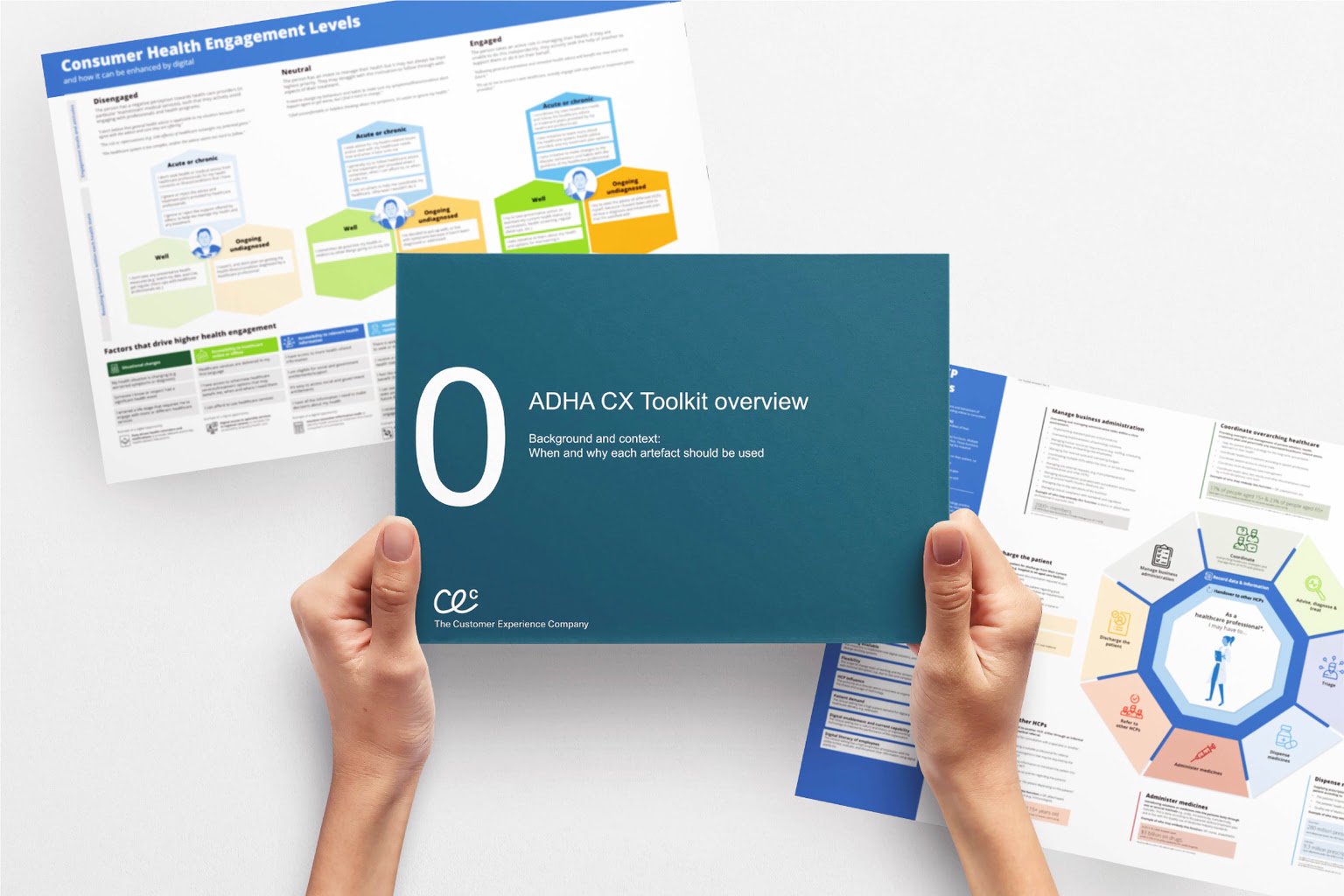
Building guidelines for holistic health solutions. Image: ADHA

The Australian Digital Health Agency delivers digital health experiences to all Australian citizens who have competing needs and priorities. Working alongside The Customer Experience Company, a future-focused and comprehensive CX Toolkit was developed that included an enduring framework for empathy-building, idea generation, idea qualification and experience design. The Agency can now strategically and sustainably design digital health experiences that holistically consider the needs of all Australians.

Learn more


Explore the Good Design Index for more stellar examples of good design

As the 2023 Jurors come together to evaluate, crown and celebrate the brightest designs of this year’s hallmark Award season, why not turn back the clock and discover some innovations of the past? Search by category or have a blind deep dive – find inspiration either way.

DIVE INTO THE GOOD DESIGN INDEX HERE