Sound Design for Immersive User Experiences

In the hierarchy of senses, hearing is second only to sight as our strongest sense. Some sounds create instinctive and psychological reactions when heard, others build our understanding of environments to lead powerful experiences. All auditory elements, however, immerse individuals in the bigger picture, meaning they have incredible potential to uplift the user experience of all kinds of digital and physical media.  

Sound design is at the heart of it all. Describing the creation of a sonic palette, sound design involves recording, producing, editing and mixing aural stimuli for an end product. Whether it’s for a film, video game, album, website or art installation, sound designers are able to stir action, emotion and understanding. 

While music may come to mind first – it’s only a small piece in the sonic puzzle. Sound effects, foley and dialogue also contribute to the immersion, with their effects only as powerful as the way they’re implemented, mixed and synced. Though when it all comes together, users can dive into rich, interactive and navigable experiences that are both impactful and accessible.
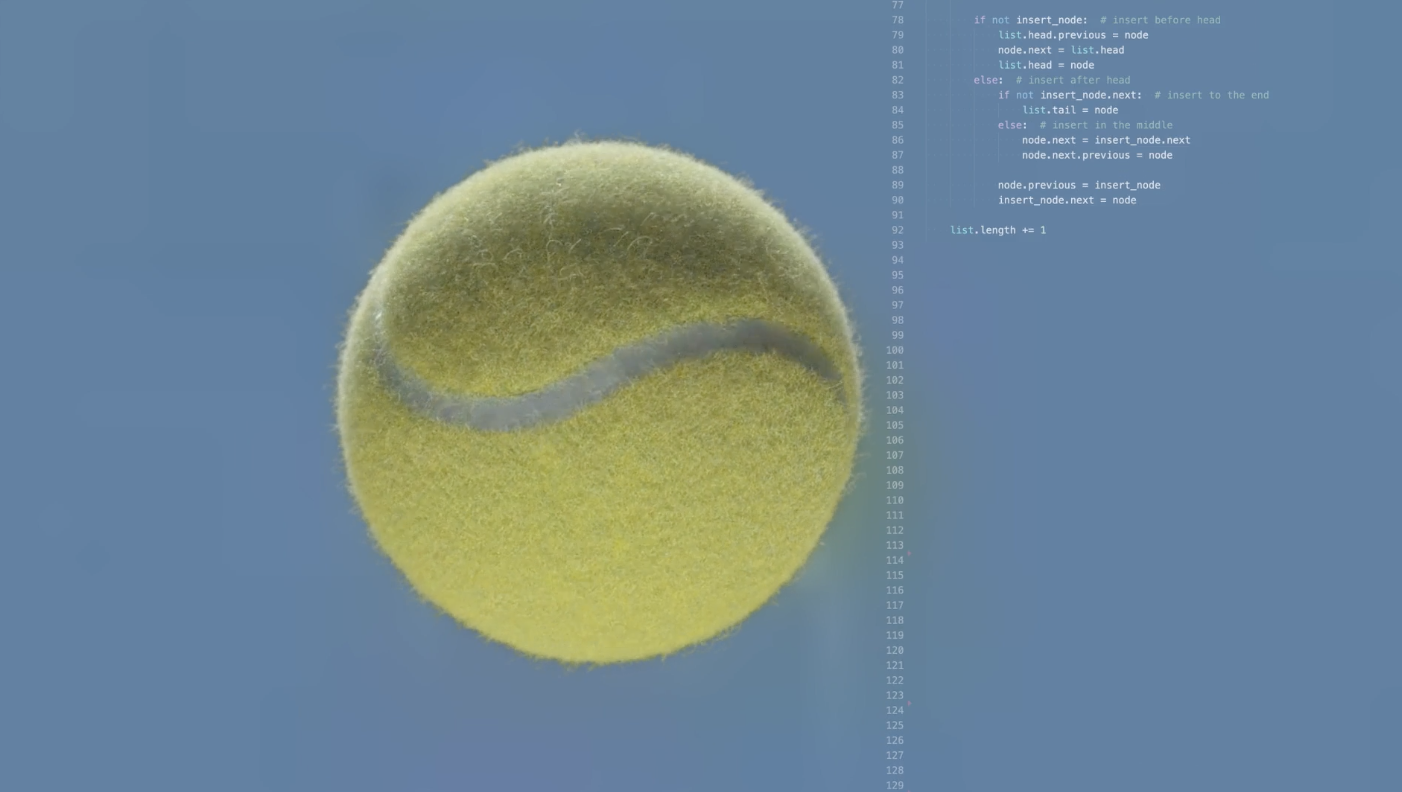
Action Audio – 2021 Good Design Award Best in Class Winner – brings real-time ball and player movements to life through spatial audio. Image: AKQA

The power of sound

Sound possesses a remarkable ability to shape our emotions, thoughts and behaviours. From the gentle ambient sounds of running water, to dissonant crescendos and notification dings, auditory elements can evoke profound psychological responses. 

Emotionally, sounds can uplift spirits or evoke feelings of fear. Abrupt or repetitive sound patterns can capture attention, divert focus and facilitate relaxation. Some sounds bring back memories, while others can influence our time perception, movements and decision-making. This is because all aural stimuli can activate different parts of the brain, notably the planum temporale – which sparks action even if an individual isn’t anticipating it – and the amygdala – responsible for a range of emotional responses.

Sound designers play into its power to direct user experiences. By implementing the right music, sounds and ambiance into a media, they can set the scene in a way that visuals alone cannot, and can even replace or reform traditional visual experiences. 

For example, the popular fighting video game, Mortal Kombat, has a dedicated community of blind players that rely solely on audio cues to play – some even competitively. The game has such a rich, nuanced and reactive sonic palette that players are able to sense and navigate its environment through its sonic palette.
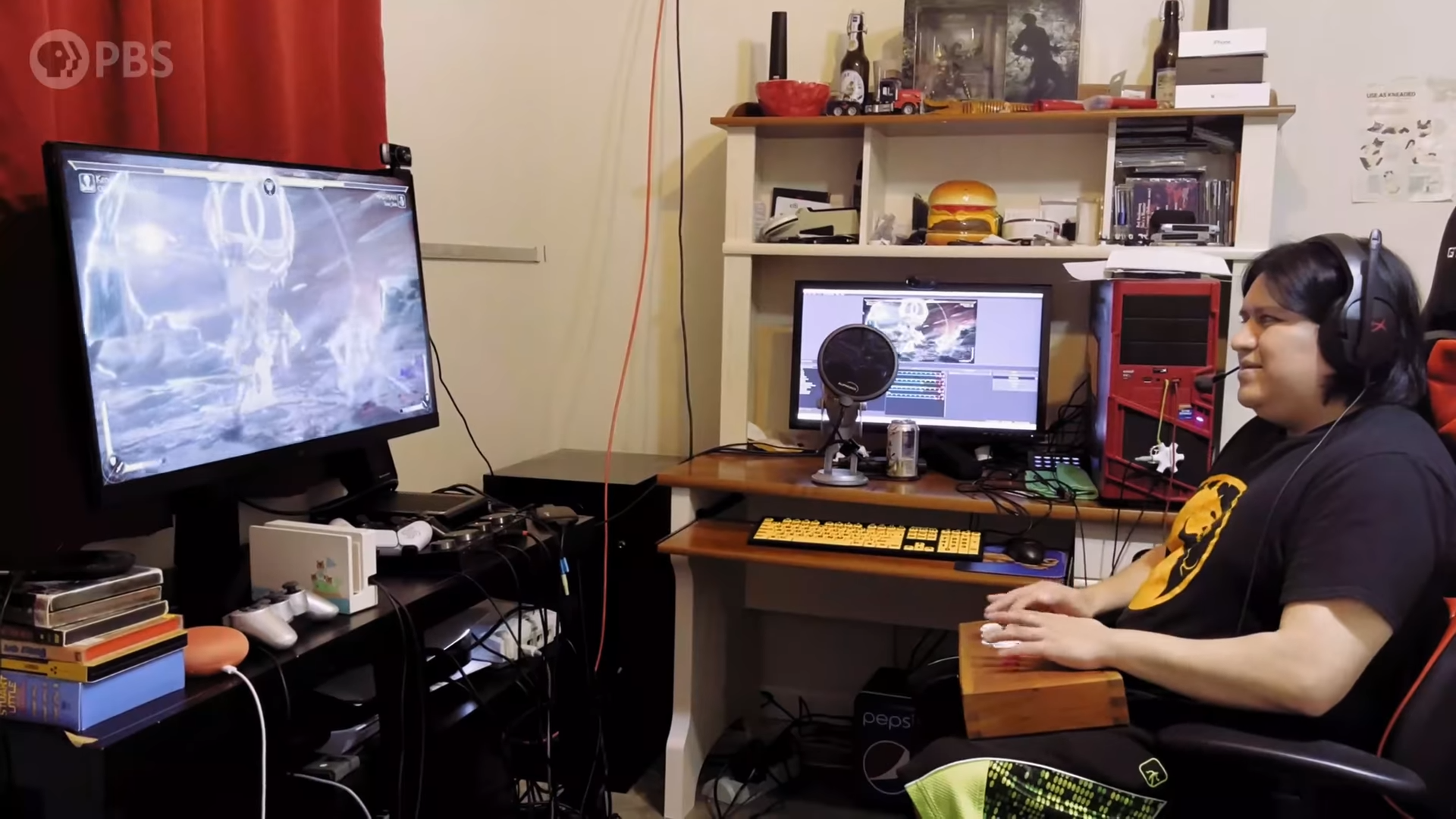
Carlos Vasquez is a completely blind competitive Mortal Kombat player who’s competed at the e-sport’s highest level. The game’s nuanced sound cues allow him compete in real-time. Image: PBS

Key sound design elements and techniques

Sound designers implement a variety of aural elements in their work to communicate experiences effectively to users and audiences. 

  • Music

Music can set the mood, create suspense, elicit emotions and bring narratives to life. Whether it’s composed specifically for a project or sourced from existing compositions, music commonly adds weight to visuals and animates an immersive environment.

The film score of Twin Peaks: Fire Walk With Me by Angelo Badalementi is often lauded as one of the finest movie accompaniments of the 20th century. The cold, suspenseful and surreal feel of its idiosyncratic dark jazz pairs mysteriously, yet perfectly, with the film’s neo-noir and psychological thriller themes.

Listen

  • Sound effects and foley sounds

Sound effects and foley sounds encompass sounds separate from the music or dialogue and are essential for creating immersive, reactive experiences. They usually fall into four “flavours” of sound – realistic, symbolic, metaphoric and verbal. Whether it’s the sound of footsteps, the beep of a car horn or the aural feedback of pressing a button in-app, they can enhance realism and provide feedback for the user. Precise sound synchronisation with visual elements is crucial for seamless user experiences.

The UI sounds of the Apple iPhone have become synonymous with modern, Western technology. Each sound, from the camera shutter to the lock sound, are exemplars of representative aural elements. They acknowledge user interactions, notify changes and provide sonic confirmation across all flavours of sound.

Listen  

  • Ambience

Ambience describes the sounds or compositions that establish a media’s overall atmosphere. It can include environmental sounds like wind, rushing water and echoed crowd noise, and also describes musical pieces composed to add depth to the sonic environment. 

Bioshock is a first-person shooter game celebrated for its deeply immersive and cinematic sound design. Set in a dystopian underwater city, aqueous sounds, rumbling machinery, clanging metal and crackled loudspeaker voices all come together to create a dilapidated ambience in-line with its horrorful setting. 
Listen

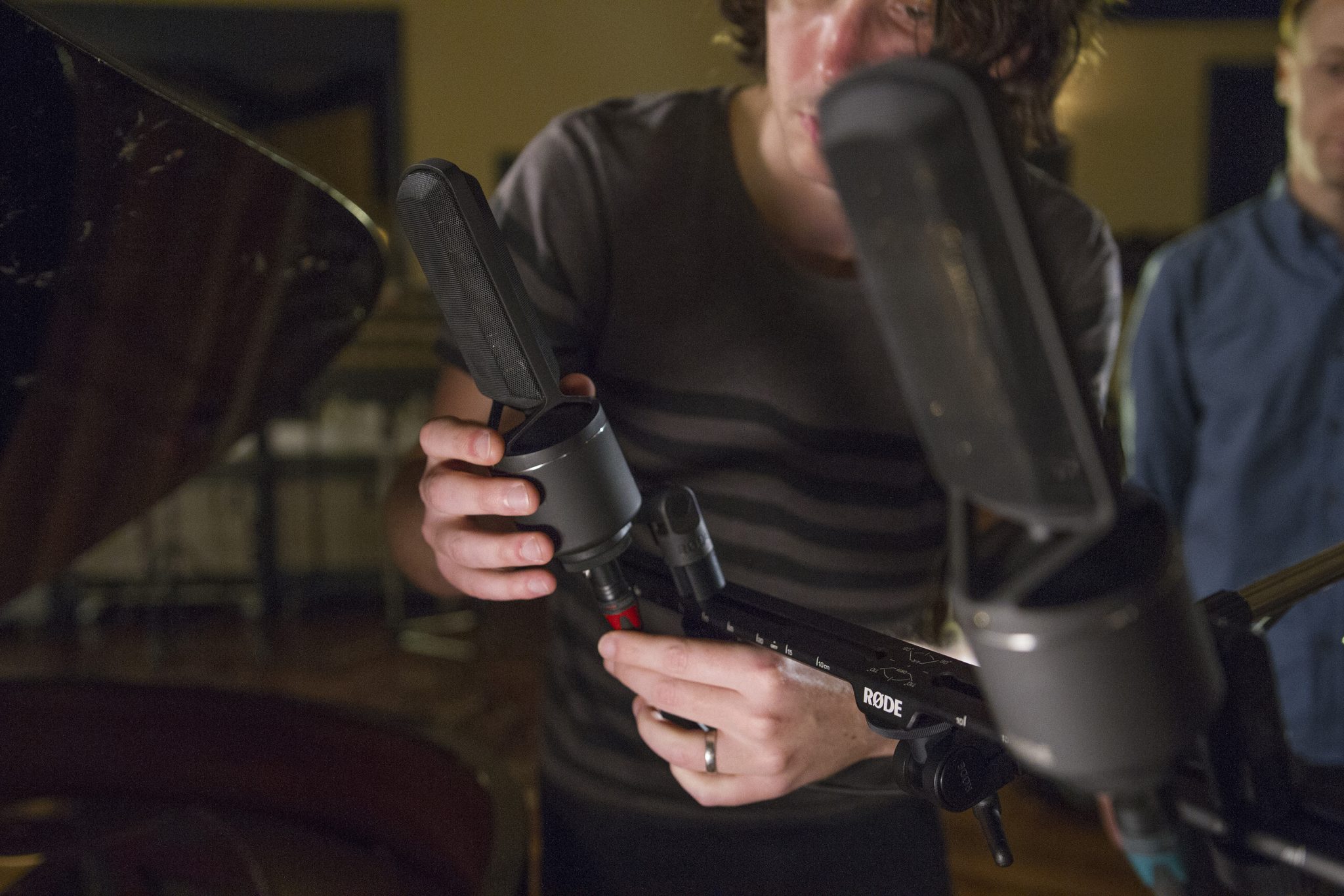
RØDE NTR – 2015 Good Design Award Best in Class Winner – is a highly-sensitive and transient ribbon microphone without the “dullness” of traditional ribbon designs. High-end audio recording is crucial to immersive sound design. Image: RØDE
  • Dialogue

Dialogue inherently carries information, advances stories and develops characters in many kinds of digital media. As coherent dialogue is essential for navigable and positive user experiences, sound designers implement careful recording, editing and mixing techniques make every word clear

The New Yorker features audio variations of many of their pieces online. The audio sits alongside the article, with many featuring the voice of the authors themselves. This opens up another realm of the written piece, offering a new layer of emotion as well as another means of engagement for people less in-touch with the written word.

Listen

  • Spatial audio

Spatial audio techniques create a realistic sense of direction, distance and movement with sound. It taps into the way our ears and brain are able to understand where a sound is coming from and helps enhance immersion and authenticity. 

The THX Deep Note is an instantly recognisable jingle that uses deep resonance to engulf the audience – as if the sound is coming from all angles. Composed by Lucasfilm sound engineer Dr. James Moorer, it begins with 30 differently-voiced notes moving randomly between two frequencies before they all morph towards a specific target note in a wild crescendo. The result is a loud, compelling and disorientating chord. 

Listen

  • Mixing:

While each aural element may be magnificent on its own, it’s only through careful mixing and balance that they can work together effectively. This involves volume adjustments, panning and balancing the frequencies of each individual sound element to create a coherent sonic experience. 

Harmony in Ultraviolet by ambient composer, Tim Hecker, is a lesson in atmospheric sound design. Purely instrumental, it’s an ominous slab of drones, noises and glitches that weave in and around each other to paint an ethereal canvas of chaos. There’s a lot going on, but there’s beauty and balance at all points of the hypnotic journey.

Listen

  • Accessibility

As elucidated with the aforementioned Mortal Kombat example, sound designers can uplift user experiences for individuals with a range of different abilities. This involves making visual elements “viewable” through sound without complication or distraction. 

Action Audio – 2021 Good Design Best in Class Winner – is an accessibility system for visual sports broadcasts that allows blind and low-vision fans to follow along in real-time. It uses instantaneous ball monitoring technology and spatial sound design to give audiences insight into what’s happening, when it’s happening – without the need for visual information.
Listen

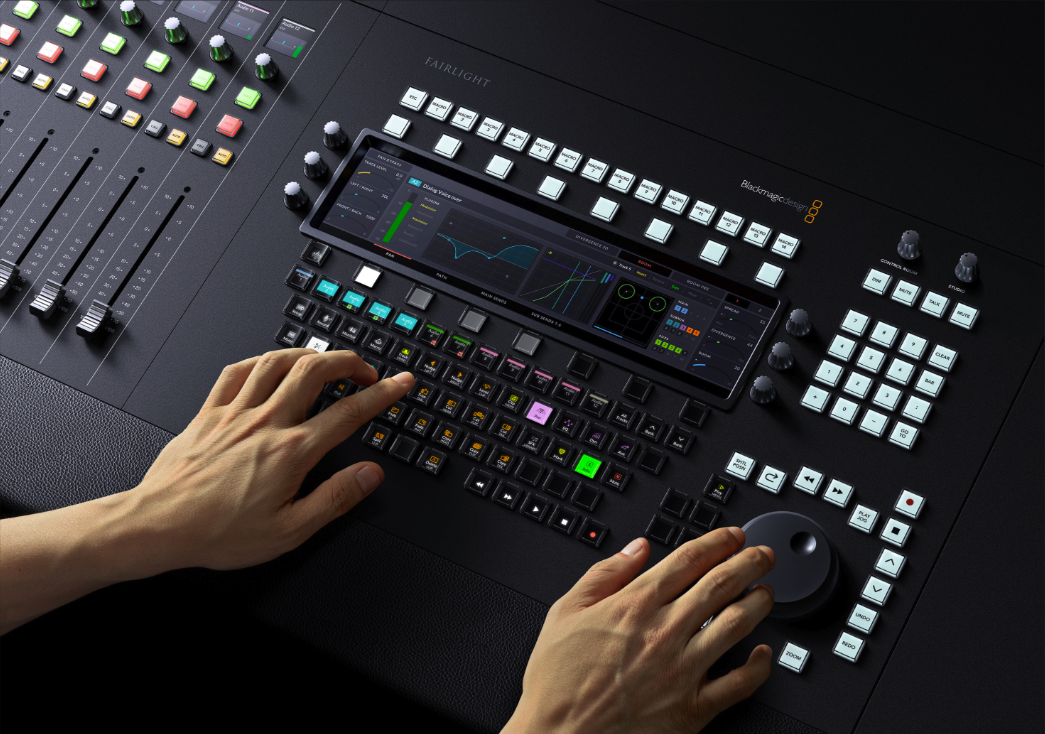
The Fairlight Mixing Console – 2020 Good Design Award Winner – is a professional audio editing, sound design and sound mixing desk, for film and television. Its modular design makes it affordable and scalable to any production size. Image: Blackmagic Design

Activate your senses with design

The multifaceted power of design can capture, stimulate, solve, challenge and reinvent. From our ears to our hands, to the way we see the world around us, design empowers almost every interaction.

As the 2023 Jurors come together to evaluate, crown and celebrate the brightest designs of this year’s hallmark Award season, why not turn back the clock and discover some innovations of the past? Search by category or have a blind deep dive – find inspiration either way.

DIVE INTO THE GOOD DESIGN INDEX HERE

Powerful AI Needs Diverse Design

Artificial intelligence (AI) technologies, tools and models are redefining the way we live, work and play. Many professions encompassing customer service, visual art, coding, content writing and even medicine are already experiencing AI intervention in one way or another. But, while a general overview can reveal AI’s incredible potential to uplift societies all across the globe, a closer look shows that it also has the power to segment them.

AI bias is a leading cause of controversy. This describes the disposition of AI to follow only what it knows, has seen or been taught, meaning biassed data and machine-learning empowers biassed AI. When fed information that doesn’t fully represent a full cross-section of society, a minimised efficacy to serve diverse populations and solve complex problems results. With this, a greater chance to cause harm to marginalised communities is elucidated.  

However, inclusive design methodologies can play a crucial role in challenging AI bias and preventing the continuation of real-life discrimination within the machine-learning sphere. It highlights the importance of engaging our world’s diverse communities at all points of the design process to ensure AI can effectively serve the greatest number of people. 

The design world has a phenomenal opportunity to lead AI in the name of progress as its technology evolves. Read on to discover how.

SPOT CHECK – Good Design Award Gold Winner – is a personal skin cancer detection system. Combining the power of advanced camera hardware and artificial intelligence, it can identify and track suspicious spots – catching melanoma before it’s too late. Image: Thomas Mackisack

The current state of AI

The AI industry is contemporarily a non-distinctive field, with most decision-makers representing a small portion of our greater society. For example, a look at the top technology companies reveal that there are relatively few people representing the many gender identities, ethnicities, cultures and sexual orientations typical of our global population:

  • Only 2.5% of Google’s entire workforce and 4% of Facebook’s and Microsoft’s are Black
  • Just 22% of AI professionals are non-male identifying
  • In two thirds of the countries leading AI innovation, the AI skills penetration rate for women, non-binary people and transfolk is lower than it is for men
  • Almost 82% of the LGBTQIA+ community within the AI field consider a lack of role models in the industry to be a major career obstacle

Looking at the data, there is disparate amounts of power in the AI field currently within the hands of a majorly white and male-identifying demographic. While it may not be a conscious decision, this naturally leads to AI priorities, avenues of data-collection and use that misrepresent those who may engage with the end product.  

Black in AI cofounder, Timnit Gebru, stated in an interview with the MIT Technology Review that a damaging bias has already been animated in the emerging field.

“There is a bias to what kinds of problems we think are important, what kinds of research we think are important and where we think AI should go,” she said. “If we don’t have diversity in our set of researchers, we are not going to address problems that are faced by the majority of people in the world”.

When you look at recent AI failures worldwide, such as Amazon’s current facial recognition technologies failing to perceive darker skin tones, Microsoft’s Twitter-powered chatbot, Tay, evolving into a misanthropic beast and Berlin Transport’s gender recognition technology neglecting the existence of non-binary and gender-diverse people, Gebru’s statement rings true.

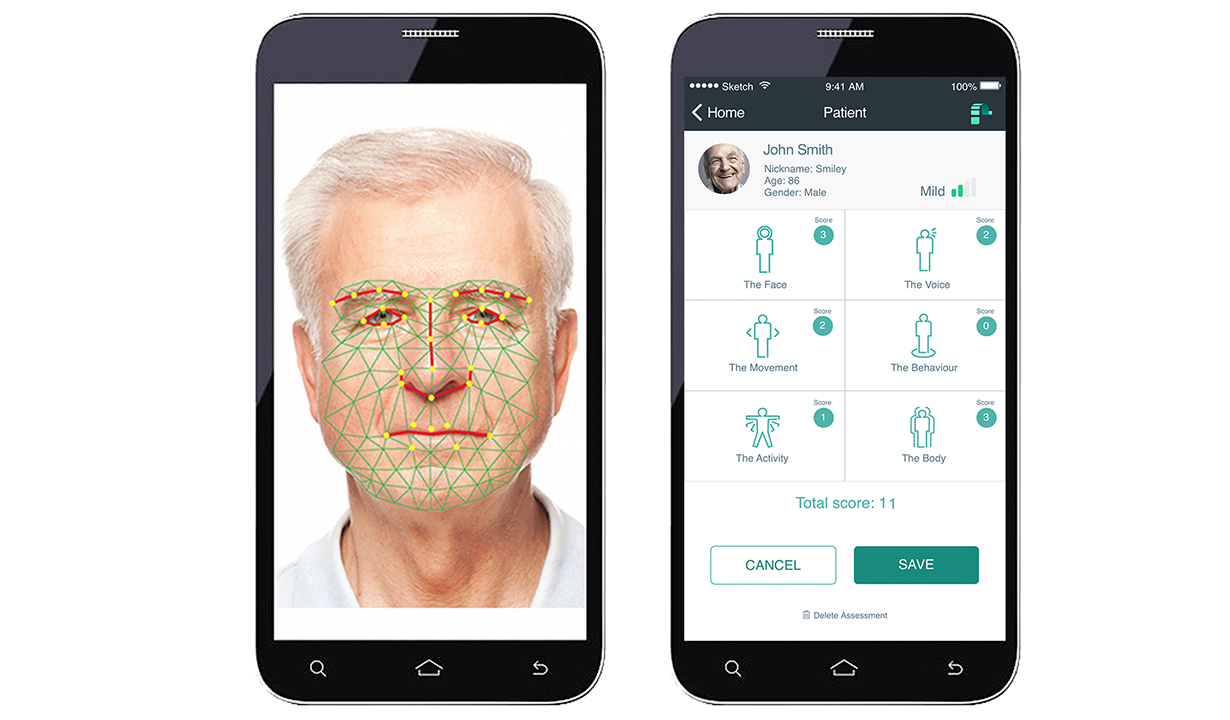
PainChek – 2018 Good Design Award Winner – uses artificial intelligence to assess the micro-facial pain expressions of non-verbal individuals and score pain levels in real time. Image: PainChek

Challenging AI bias with design

With holistic design methodologies that are human-centric and considerate of all our world’s communities, the development, training and optimisation of AI models can readily challenge bias. Diverse collaboration and engagement is at the centre of it all, allowing AI to be exposed to stimuli that speaks to the greatest number of individuals. 

Here are some ways AI designers can prevent the perpetuation of societal inequalities and hierarchies into the AI sphere: 

  • Prioritise inclusive design

To best capture a wide range of perspectives and be readily able to identify potential biases and inequalities during the design process, the design team should include or, at least, prioritise the engagement of all possible stakeholders. This involves collaborating with people who can expand the understanding of the societal impact of the technology. Marginalised communities and underrepresented populations offer extremely valuable insights, as do other developers, ethicists and social scientists. 

  • Emphasise human-centred design

Human-centred design, which prioritises the needs of all end-users, naturally incorporates inclusive design processes. The approach focuses on the human aspect, with AI designers seeking to understand the potential impact of AI technologies on individuals and communities. This helps align AI with ethical values that promote fairness, diversity and equality, and supports the development of more user-friendly, personalised and transparent systems.

  • Adhere to, or develop, ethical frameworks

AI is an emerging industry, meaning there are few legally-binding guidelines for designers and developers to adhere to. That’s why it’s crucial for innovators to adopt or develop ethical frameworks that address biases throughout the design journey. AI algorithms aligned with fair, transparent, accountable, diverse and secure visions are often the most successful and effective.  

  • Collect diverse data 

AI designers must ensure that the data and information exposed to AI models is truly reflective of the world’s diverse populations. This requires data incorporating the many gender identities, ethnicities, cultures and sexual orientations present in our greater society. This circumvents biases emerging from skewed or incomplete datasets and works to avoid reinforcing existing societal inequalities.

  • Actively mitigate bias with constant evaluation

Pre-processing steps such as data augmentation, data balancing and algorithm debiasing are instrumental in mitigating AI bias from the beginning. Continuous evaluation is equally important and can challenge any unintended consequences that may emerge post-deployment. This underlines an ethics-powered and iterative design process that’s innovating for good.  


Be the change

Sociologist Ruha Benjamin, author of Race After Technology: Abolitionist Tools for the New Jim Code, says that the social hierarchies in our everyday lives have corresponding virtual ones, and AI, in its current rudimentary stage, is revealing them. However, she stresses that the diverse human experiences behind AI have the power to twist the script.

“We put so much investment in being saved by these objects we create – by these technologies,” says Benjamin. “But our real resource is ourselves, our communities, our relationships, our stories, our narratives”.

With AI technology still in its emergent stage, the design world and their methodologies have a phenomenal opportunity to ensure AI innovations, frameworks and outcomes are applicable to our world’s diverse communities. It begins at the decision-making level, thrives with collaboration and is optimised over time. The result is incredible technologies, tools and models that not only redefine, but uplift the way we live, work and play.


Explore our incredible design world

As the 2023 Jurors come together to evaluate, crown and celebrate the brightest designs of this year’s hallmark Award season, why not turn back the clock and discover some innovations of the past? Search by category or have a blind deep dive – find inspiration either way.

DIVE INTO THE GOOD DESIGN INDEX HERE