The National Textile Recovery Standard: A Model for Circular Systems

good-design-award_winner_rgb_blk_logo
  • 2026

  • Concept Design

Designed By:

Commissioned By:

SCRgroup

Designed In:

Australia

Circular systems don’t fail at the end. They fail at the beginning.The National Textile Recovery Standard is a model for designing circular systems from the point of decision. It makes separating wearable and unwearable clothing instinctive, shifting sorting upstream and transforming how materials enter recovery.
view website

2.jpg
3.jpg
4.jpg
5.jpg
6.jpg
7.JPG
8.JPG
  • CHALLENGE
  • SOLUTION
  • IMPACT
  • MORE
  • Australians are among the world's largest consumers of clothing per person, yet most do not realise unwearable textiles are a recoverable resource. Existing systems treat all clothing as a single stream, placing the burden of sorting on downstream processes. This creates contamination, reduces material quality and sends recoverable resources to landfill.The issue is not a lack of infrastructure. With more than 10,000 collection points operating without consistent identity or guidance, it is a lack of clarity at the critical moment of disposal. The challenge was to design a standard that makes the right behaviour instinctive.

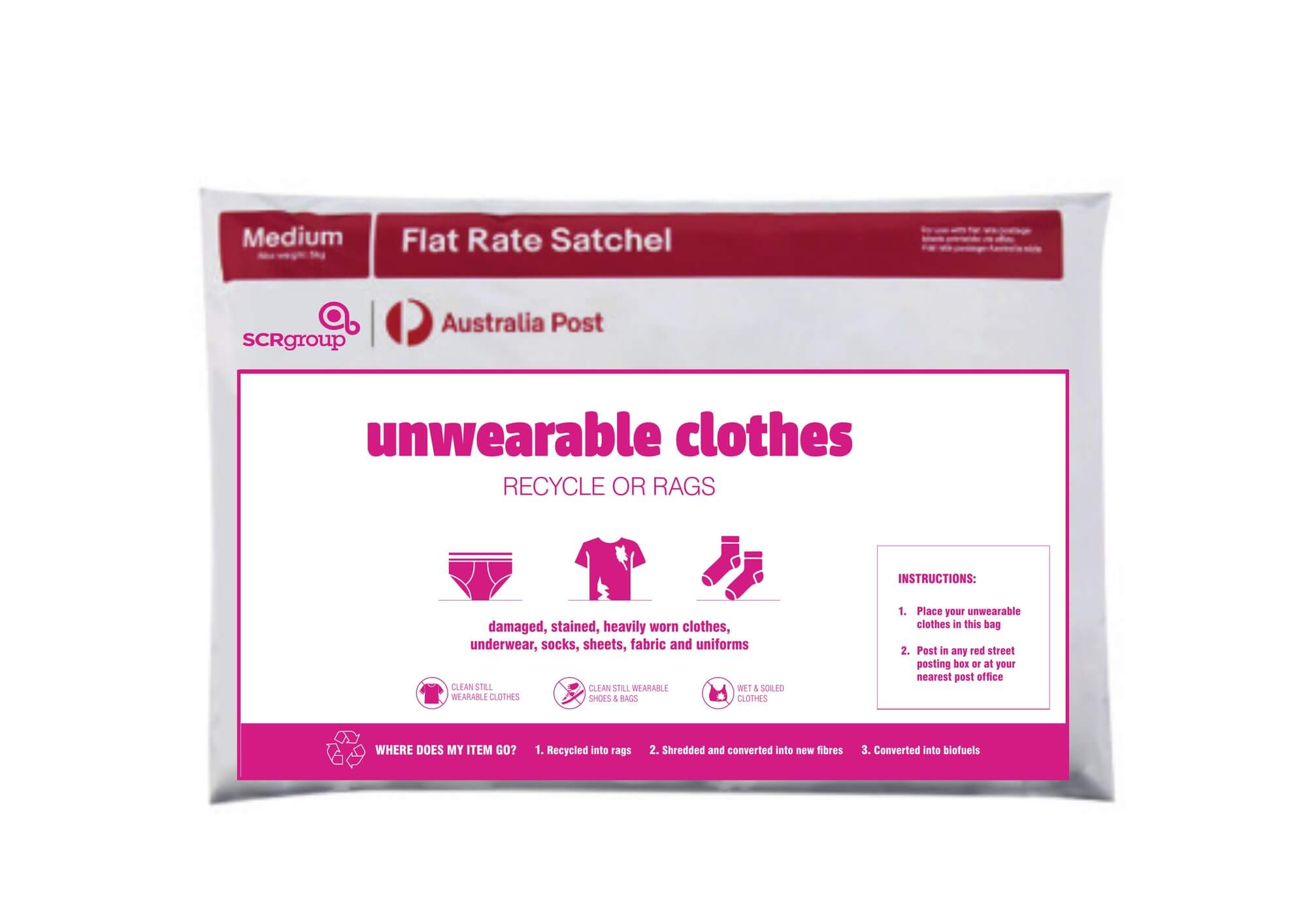
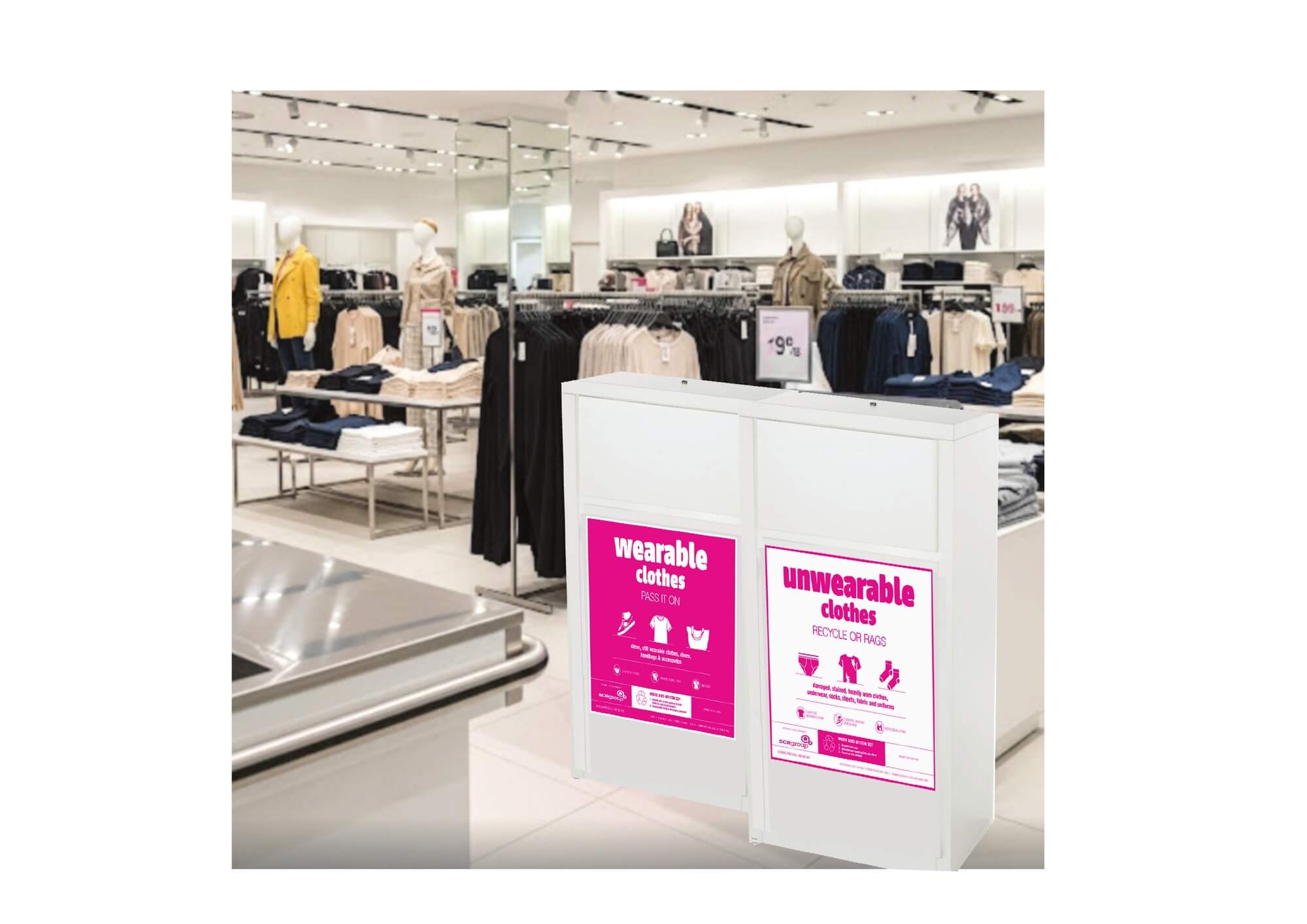
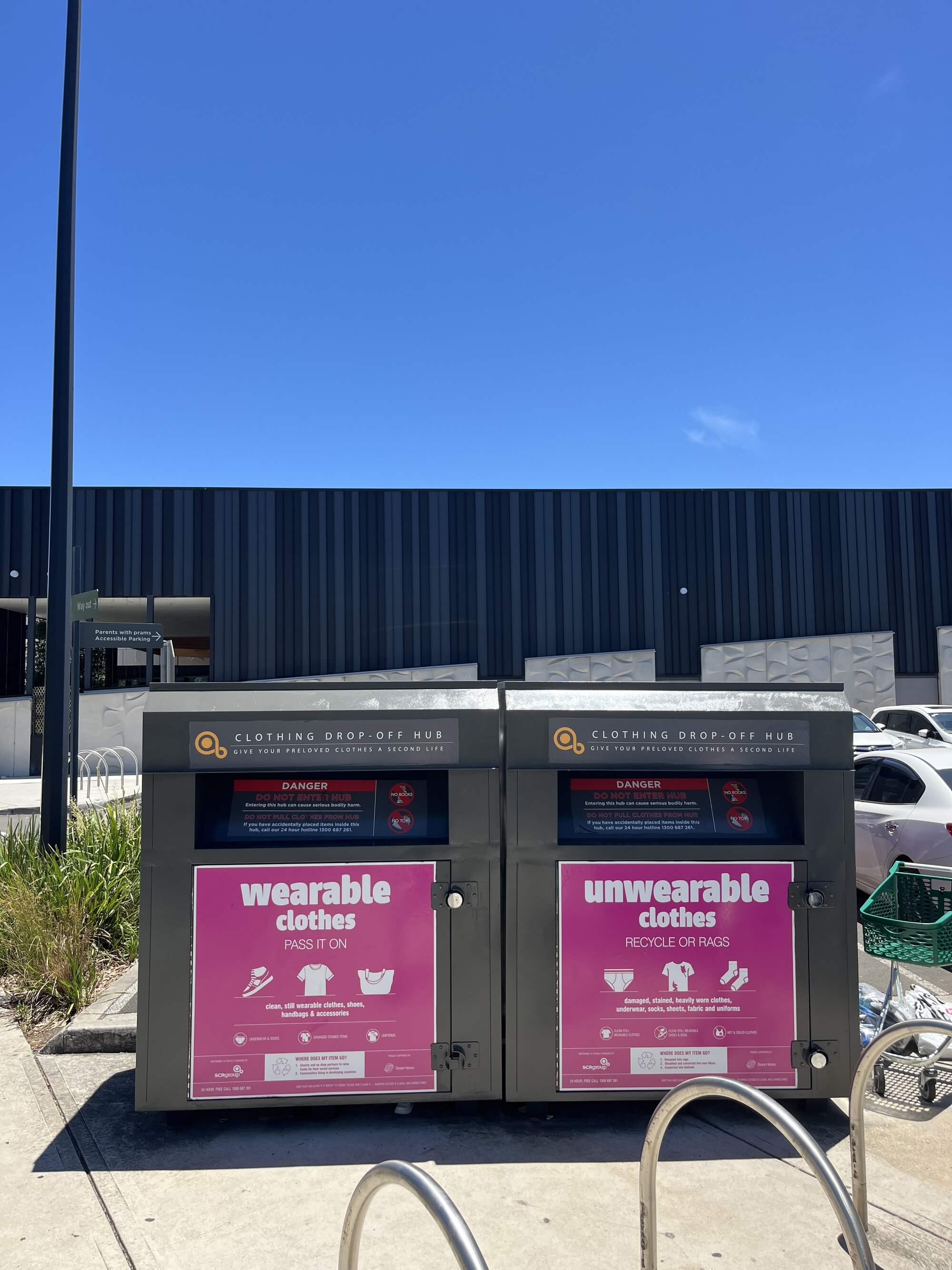
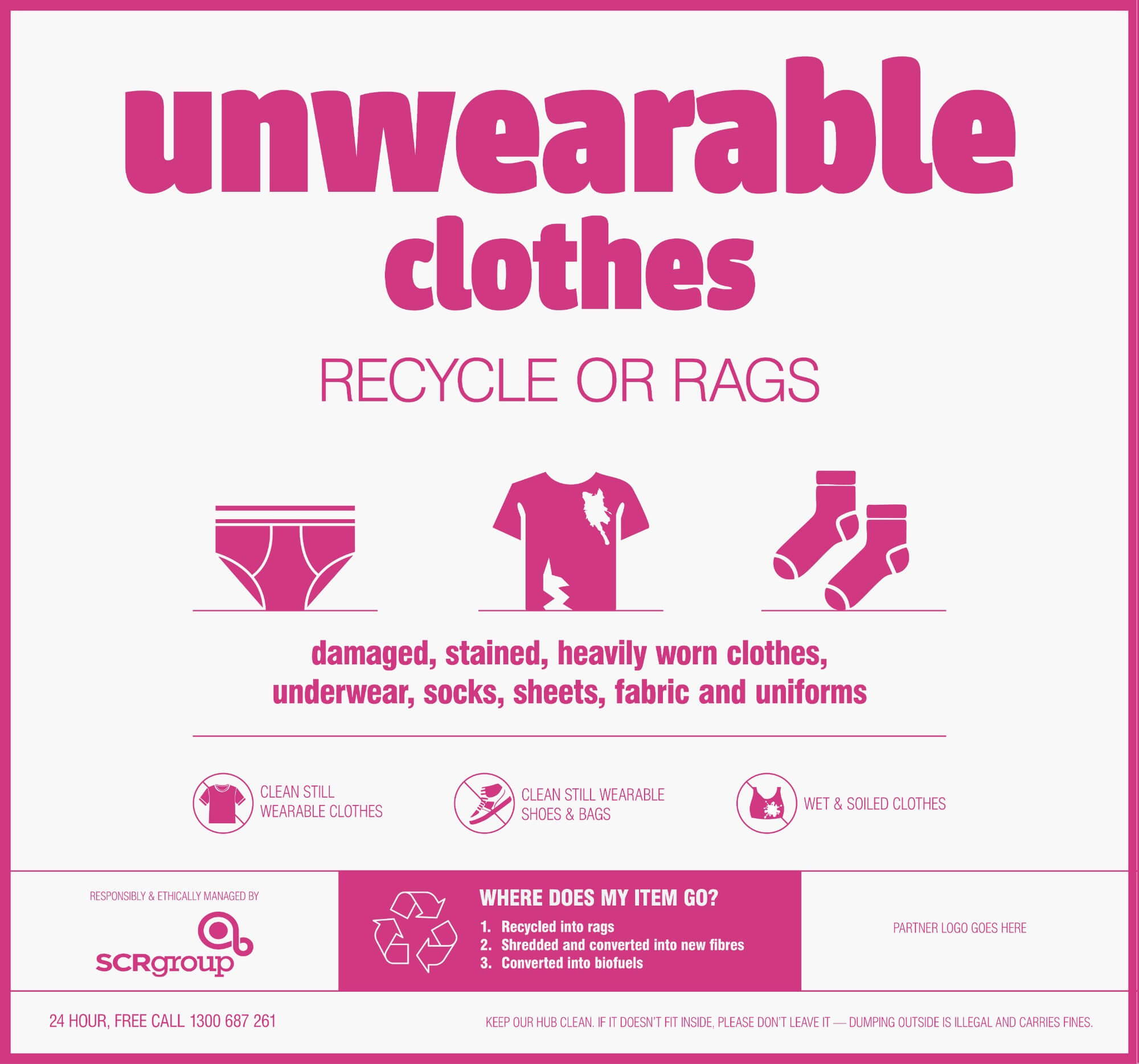
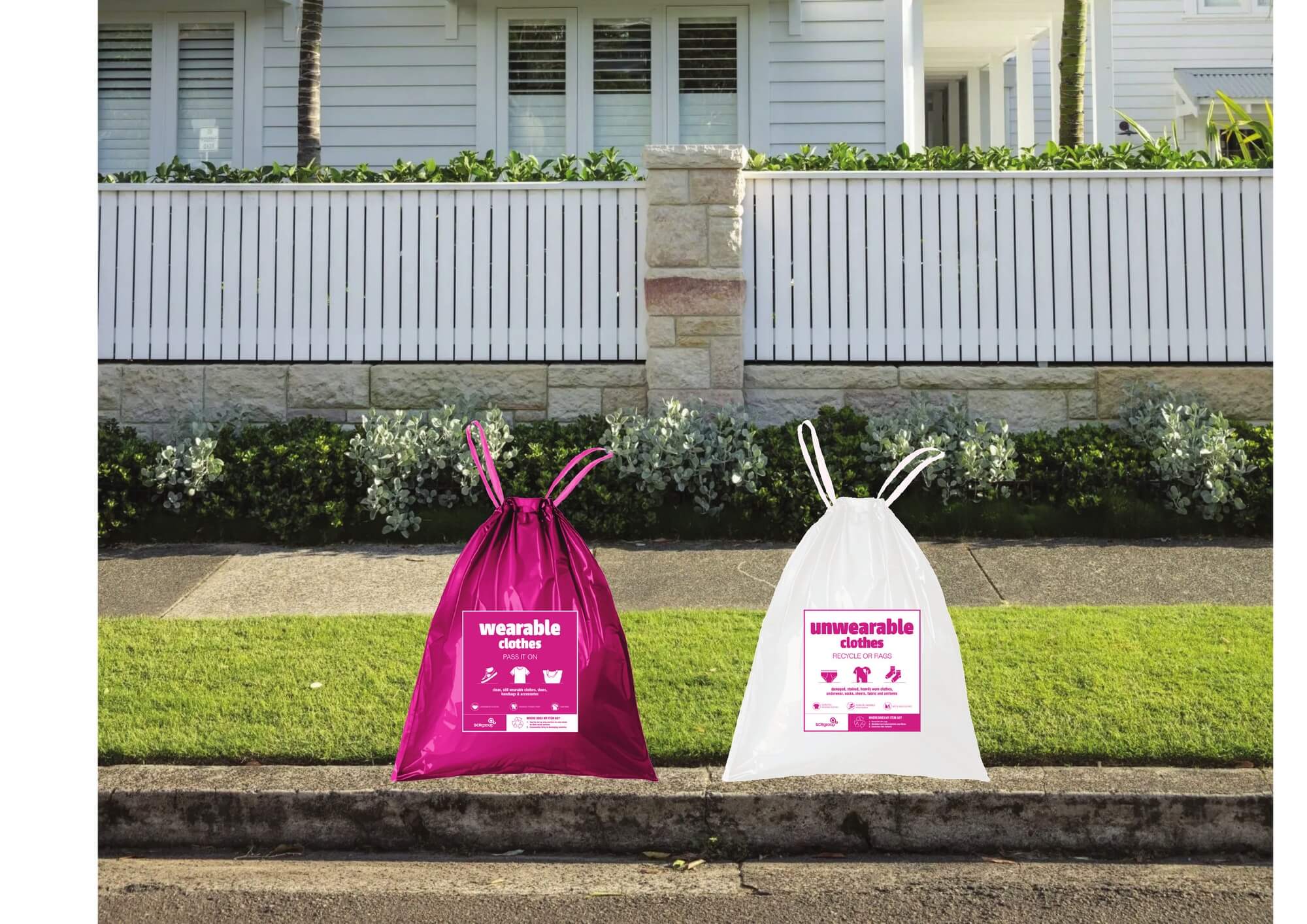
  • The solution introduces a clear decision: wearable or unwearable, with a specific pathway for each. "Wearable clothes. Pass it on" directs reusable items into donation streams. "Unwearable clothes. Recycle or rags" creates a recoverable pathway for damaged textiles, shifting sorting upstream.Research identified that citizens needed a stronger visual distinction between the two streams. Rather than introducing a second colour, which would undermine national category recognition, the solution reverses the application: wearables use pink with white visuals, unwearables white with pink. One system. Instantly distinct.A modular three-part panel communicates category, instructions and destination across every format.

  • The system improves textile recovery by reducing contamination at the source and increasing the proportion of materials that can be reused or recycled. Pilot testing demonstrated its effectiveness, with unwearable textiles fully diverted from landfill into reuse and recycling pathways.Environmentally, this reduces waste and associated emissions. Commercially, it improves donation quality and provides more reliable feedstock for reuse and recycling markets. Socially, it builds public understanding of textile disposal by making the process clear and actionable.Together, these outcomes support more efficient systems, stronger circular supply chains, reduced landfill dependency and a shift towards responsible consumption.

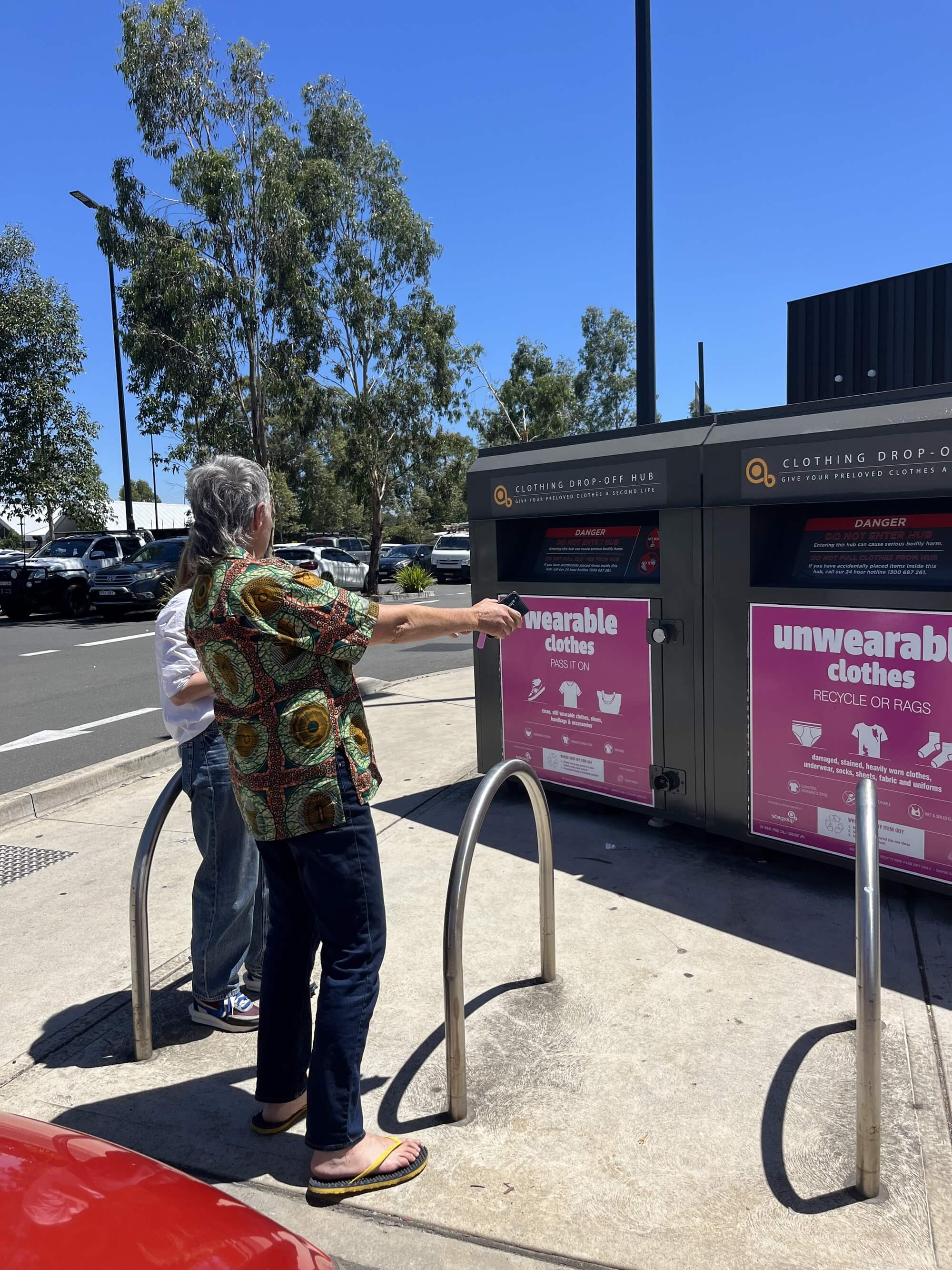
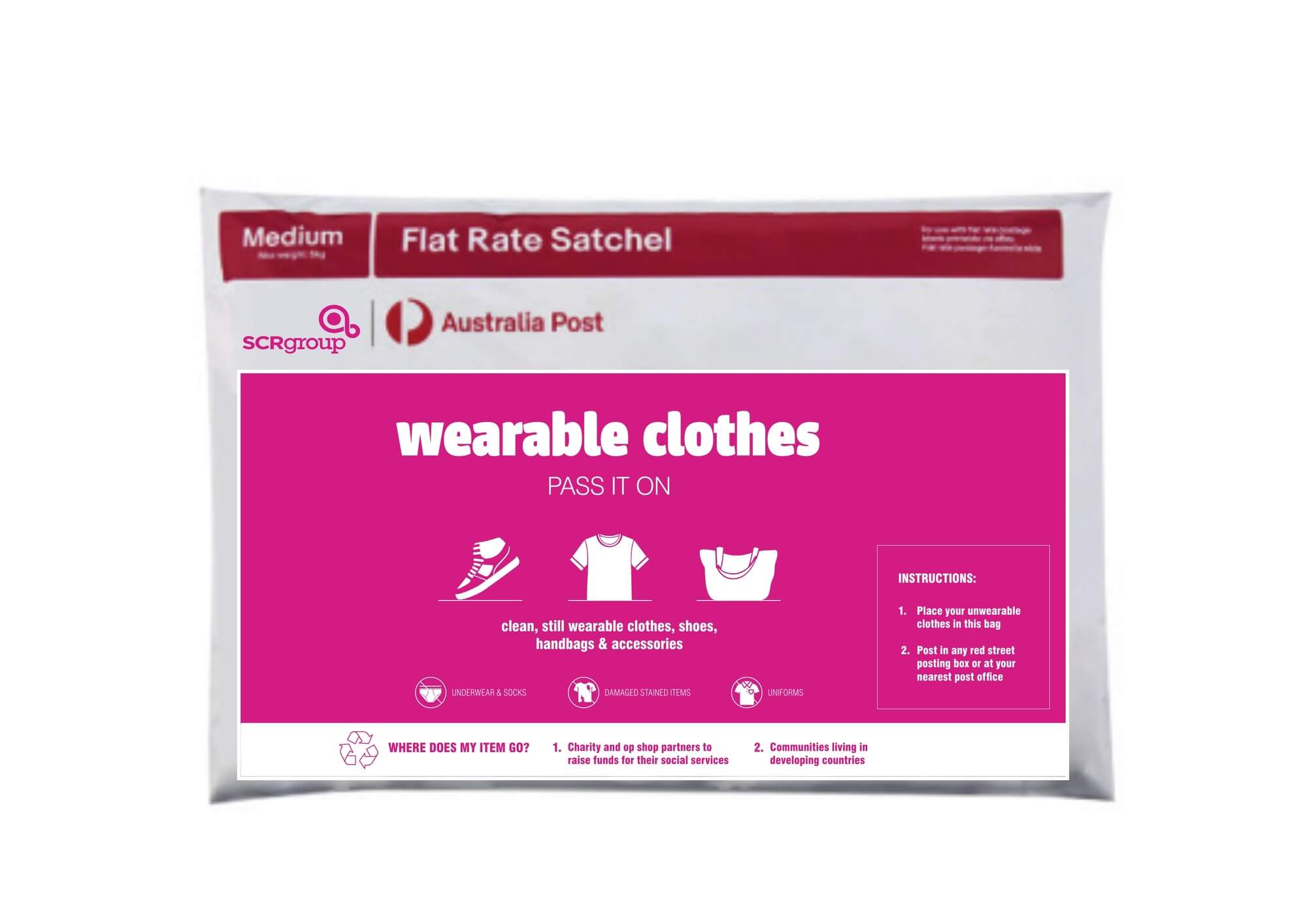
  • The system is built around two clearly defined categories, wearable and unwearable, each with a specific action. This removes ambiguity at the moment of disposal and guides correct sorting behaviour without prior knowledge or instruction.A modular three-part panel integrates category identification, instructional guidance and destination transparency within a single interface. Citizens understand not only what to do, but where their items go and why it matters. Pilot research confirmed this transparency is essential: most citizens were surprised to learn that unwearable textiles were recoverable at all.Visual differentiation between the two streams was a critical design challenge. Introducing a second colour would undermine the single-colour category identity essential for national recognition. A colour-reversal system resolves this: wearables on a pink background with white visuals, unwearables on white with pink. One recognisable system. Two unmistakable streams.The panel is designed for broad deployment across multiple formats. Live on public collection hub bins nationally, it is being progressively rolled out to in-store retail take-back bins, kerbside collection bags for local councils and postal satchels for mail-back.As an open-source system, it can be adopted by any operator without proprietary constraint. Every touchpoint. Any scale.