The Know You Co

good-design-award_winner_rgb_blk_logo
  • 2026

  • Service
    Commercial Services

Commissioned By:

The Know You Co

Designed In:

Australia

Australian general practice is unsustainable. 71% of GPs report burnout, doctors face higher suicide rates, and one-third plan to leave the profession. Meanwhile, chronic disease is rising while funding models reward high-volume medicine. The Know You Co was designed by GPs, for GPs, to be a sustainable solution.

view website
Buy online

2.jpg
TKYC
3.jpg
4.jpg
Her Canberra
5.jpg
Her Canberra
6.jpg
  • CHALLENGE
  • SOLUTION
  • IMPACT
  • MORE
  • Australian general practice is financially and clinically unsustainable. Clinics are closing or being pushed toward high-throughput, transactional care models driven by Medicare rebates, rising costs and corporate consolidation. It is not uncommon for GPs to see 40 patients daily, be double or triple booked, complete flu clinics and phone consults between appointments, skip breaks and finish administrative work late into the night. Every part of the system and business model is under pressure, contributing to burnout, workforce attrition and fragmented patient care. The challenge was to completely redesign general practice around GP sustainability, relational medicine and long-term practice viability.

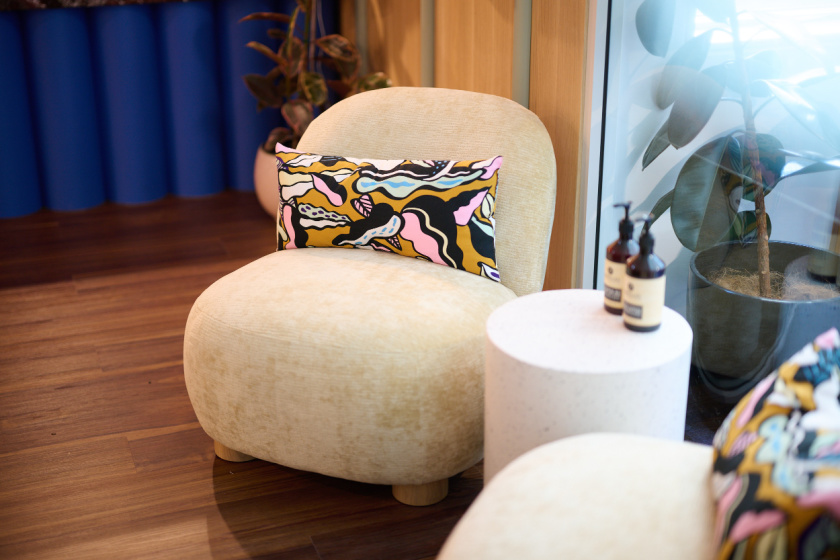
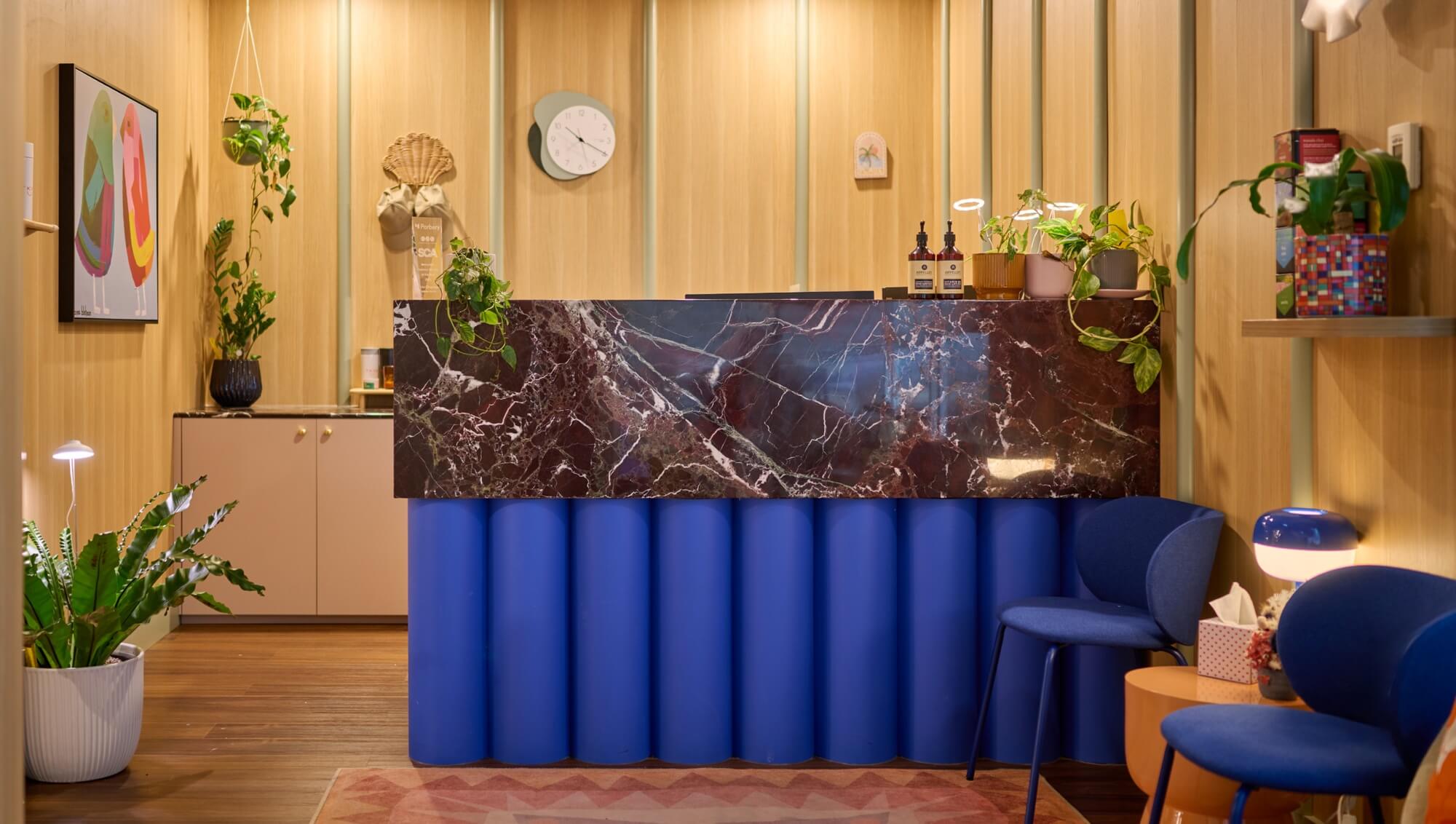
  • The Know You Co redesigned general practice around slow medicine, chronic disease management and clinician sustainability. By intentionally avoiding seven-minute appointments and unnecessary visits for scripts or referrals, doctors see 8–12 patients daily instead of 30–40, with protected breaks, catch-up time, autonomy and financial control. Over 12 months, the average patient waiting room time was just three minutes! Every aspect of the experience was intentionally redesigned, creating a beautiful, warm and neuroinclusive environment that feels more like a calming wellbeing space than a traditional doctor’s clinic.

  • Two years after opening, The Know You Co supports more than 1,700 patients with a waitlist approaching 400 people, driven almost entirely through word of mouth and patient recommendation. Many patients arrive after years of feeling dismissed, unheard or traumatised by previous healthcare experiences, often with undiagnosed or poorly managed chronic conditions. By creating the time and continuity required to genuinely know patients, the clinic has fundamentally changed how people experience healthcare. The impact has also been significant for doctors, creating greater autonomy, sustainable workloads, improved work-life balance and more time for their own health and families.

  • Doctors see 8–12 patients daily instead of 30–40, supporting deeper, relationship-based care.Protected breaks, catch-up sessions and flexible schedules reduce burnout and improve sustainability.Doctors maintain financial transparency, autonomy and control over their appointment books and working hours.Average patient wait times remained under three minutes across 12 months.Warm, welcoming interiors intentionally feel unlike traditional clinical environments.Neuroinclusive design includes weighted blankets, fidgets, warm lighting and sensory-conscious spaces.Neuroinclusive flu clinics include dimmed lights, children’s movies, homemade cookies and quiet spaces.Fresh fruit, quality tea, coffee and healthy meals support both patients and clinicians.Technology and streamlined systems reduce administrative burden and improve operational efficiency.A highly trained, values-aligned team supports continuity, coordination and exceptional patient experience.