SonoBand: Supporting Gait Recovery One Step at a Time

good-design-award_winner_rgb_blk_logo

Gait and balance disorders are common in older adults and people with neurological or musculoskeletal conditions, yet sustained rehabilitation is limited. Sonoband aims to provide a low‑cost wearable system that uses motion sensors to translate body movement into real-time auditory cues, enhancing movement awareness, stability, and supporting gait rehabilitation.

view website

2.jpg
Amanda Pejosky_RMIT University
3.jpg
Amanda Pejosky_RMIT University
4.jpeg
  • CHALLENGE
  • SOLUTION
  • IMPACT
  • MORE
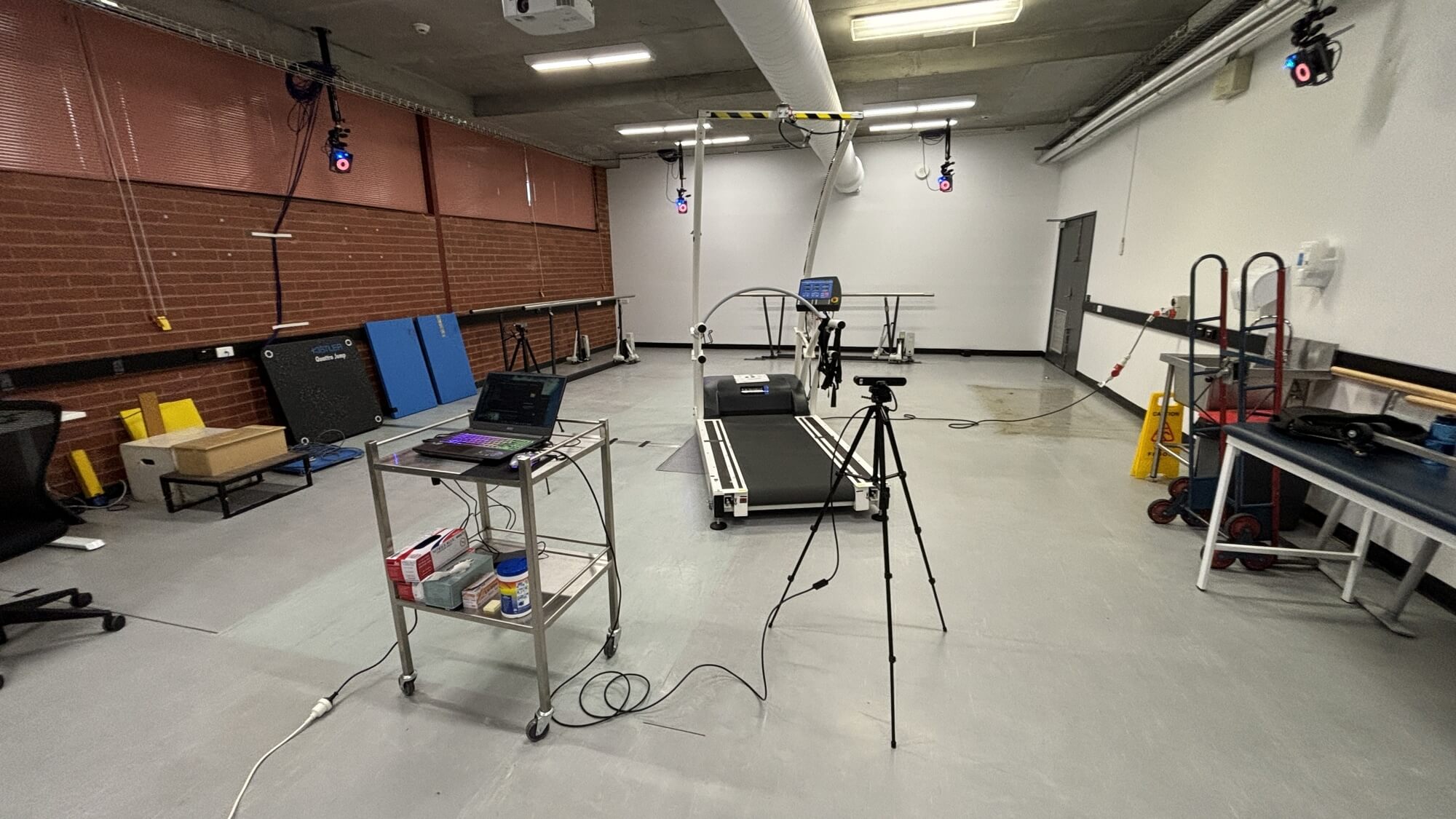
  • Many older adults and people with neurological or musculoskeletal conditions live with unsteady gait, poor balance and a high risk of falls, yet often receive only brief, infrequent rehabilitation in hospitals or clinics. Existing motion-analysis systems are typically expensive, bulky and confined to labs, while simple home exercises usually lack clear, real-time feedback and rely on memory of a therapist’s instructions, creating a gap between supervised therapy sessions and everyday care. The SonoBand is a wearable technology that tackles the limitations of complex systems by using a single low-cost sensor, providing intuitive real-time audio feedback, designed to improve movement awareness.

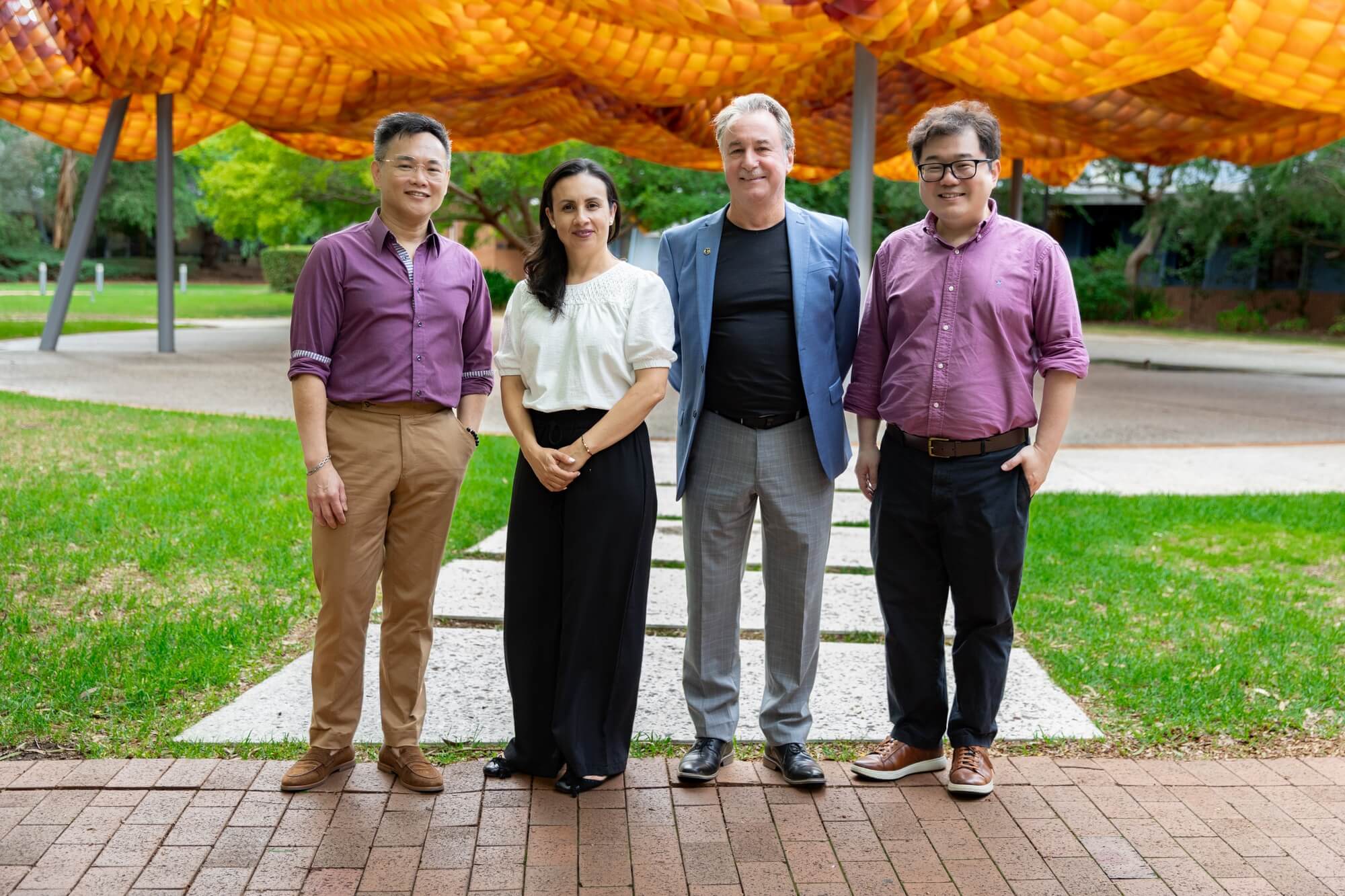
  • Our team of designers and engineers created a soft belt with a small motion sensor that turns body movement into simple audio feedback, helping people “hear” how they move and gently correct themselves in real time. Aligned to SDG 3, the team worked around technical glitches, cost, comfort, and different sound preferences to keep the device practical and everyday-friendly. 3 small studies with participants showed audio cues reduced sway with eyes closed, increased movement awareness, modulated walking cadence and stride and informed further walking phases. The studies also revealed sound preferences, and the need for personalised, clinically oriented audio feedback.

  • The SonoBand could translate into accessible rehabilitation support for clinics and home use. The inexpensive sensing wearable technology, with bluetooth connection to laptops and phone applications could reduce the hardware, energy and space demands of conventional motion-analysis systems. By bringing this wearable into everyday life, SonoBand extends access to physiotherapy-style support at home, enabling more frequent, lower-cost practice between appointments and assistance for people who struggle to attend clinics, improving recovery. Its data recording capabilities (movement/audio) could support remote monitoring, allowing physiotherapists to review progress, adjust programmes and supervise remote patients, blending in-person and tele-rehabilitation for greater reach and continuity.

  • The key design features include a single, low-cost movement sensor embedded in a soft belt worn at the waist, avoiding bulky rigs while preserving natural, comfortable movement. This unobtrusive placement allows people to walk as they normally would, while still capturing rich information about hip rotation, leg swing and overall trunk sway. The core innovation lies in how this body‑worn sensor drives sound: instead of showing data on screens or complex graphs, the system turns biomechanical movement directly into simple, meaningful audio cues people can understand on the go. Hip rotation and leg swing are mapped to a continuous “wind‑like” tone that brightens and fades as rotation increases and decreases, giving a live sense of step length, sway and smoothness without needing to look down. At the same time, an algorithm detects each heel strike and produces a brief bass tone, acting like a clear “beat” for timing, rhythm and left–right symmetry, while recording movement data.Our studies show that, together, these two auditory cues create an intuitive sound picture of gait that users quickly learn to interpret, helping them notice changes in balance, step regularity and posture in real time while keeping their eyes free for the surrounding environment.