SENSORY ROOMS – Cairns Mental Health Unit

good-design-award_winner_rgb_blk_logo
  • 2026

  • Digital
    Interface

Designed By:

Commissioned By:

Cairns MHU

Queensland Health

Designed In:

Australia

Sensory Modulation Rooms transform how mental health patients experience hospital care. Using immersive visuals, sound, and scent, they create calming, culturally inclusive environments that support emotional self-regulation. Co-designed with clinicians from Queensland Health and the Cairns Mental Health Unit, Sensory Rooms offer a humane alternative to traditional, often restrictive, interventions.
view website

2.jpg
Reuben Nutt
3.jpg
Reuben Nutt
4.jpg
ROMEO Digital
5.jpg
ROMEO Digital
6.jpg
ROMEO Digital
7.jpg
ROMEO Digital
8.jpg
ROMEO Digital
9.jpg
  • CHALLENGE
  • SOLUTION
  • IMPACT
  • MORE
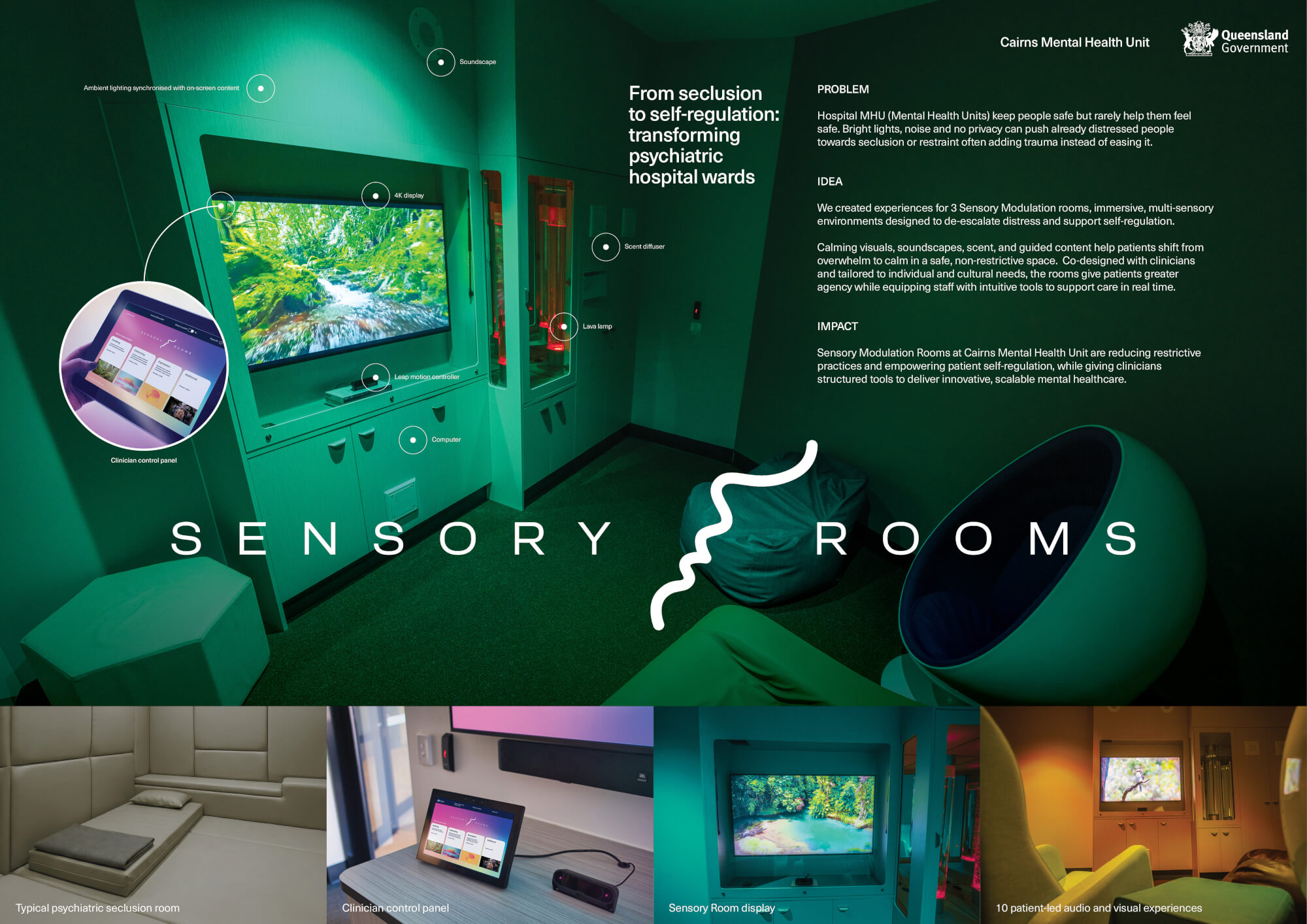
  • Hospitals are not traditionally designed to support emotional regulation. For many mental health patients, bright lighting, noise, and a lack of private, soothing spaces can heighten distress. When this escalates, options may be limited to seclusion or restraint, which can be traumatic for patients and challenging for clinicians.The Cairns Mental Health Unit sought a different approach: a safe, supportive, and patient‑centred way to help people self‑regulate, reduce reliance on restrictive practices, and improve overall wellbeing. The challenge was to integrate this new model of care into existing hospital environments in a practical, scalable way.

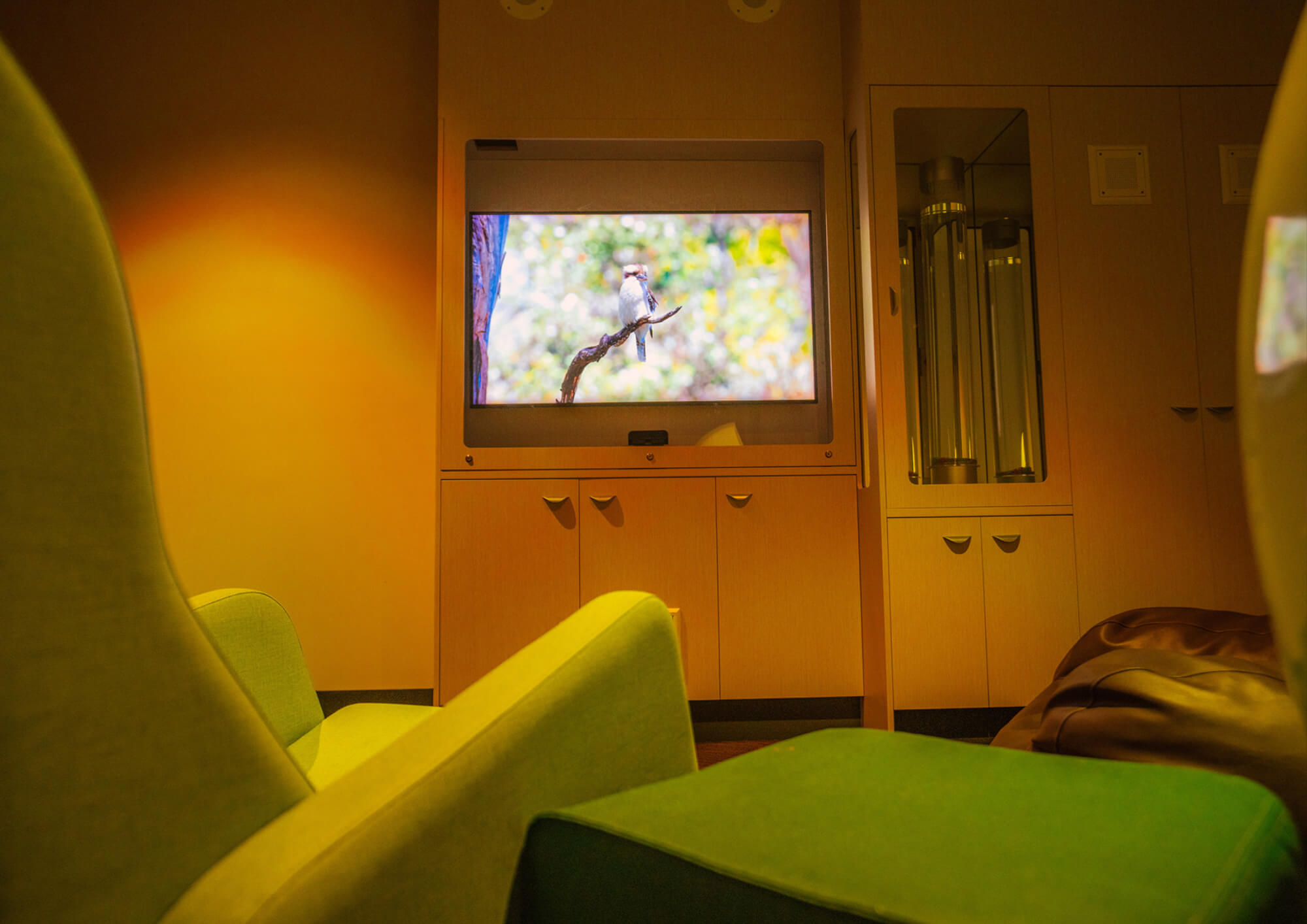
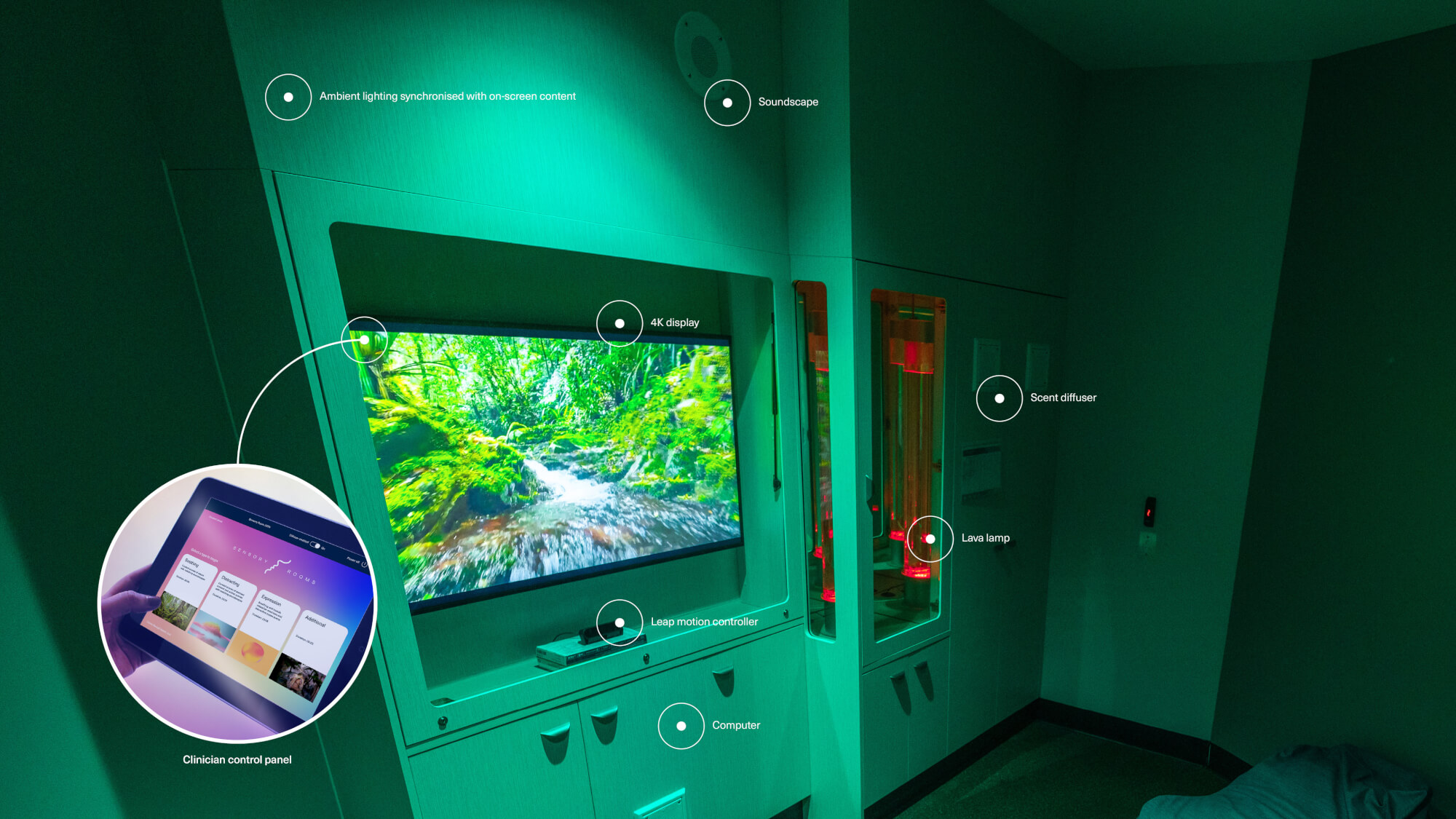
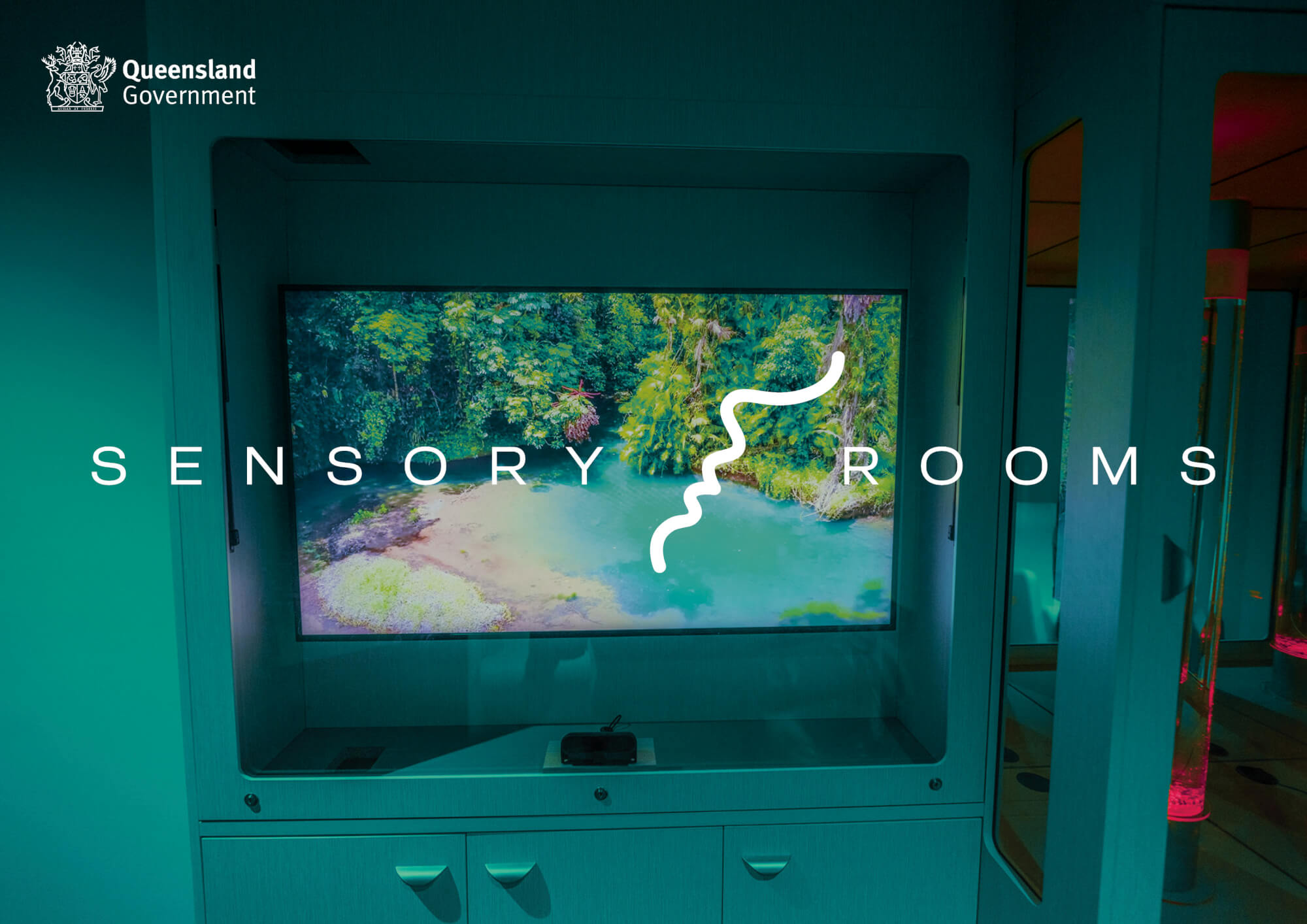
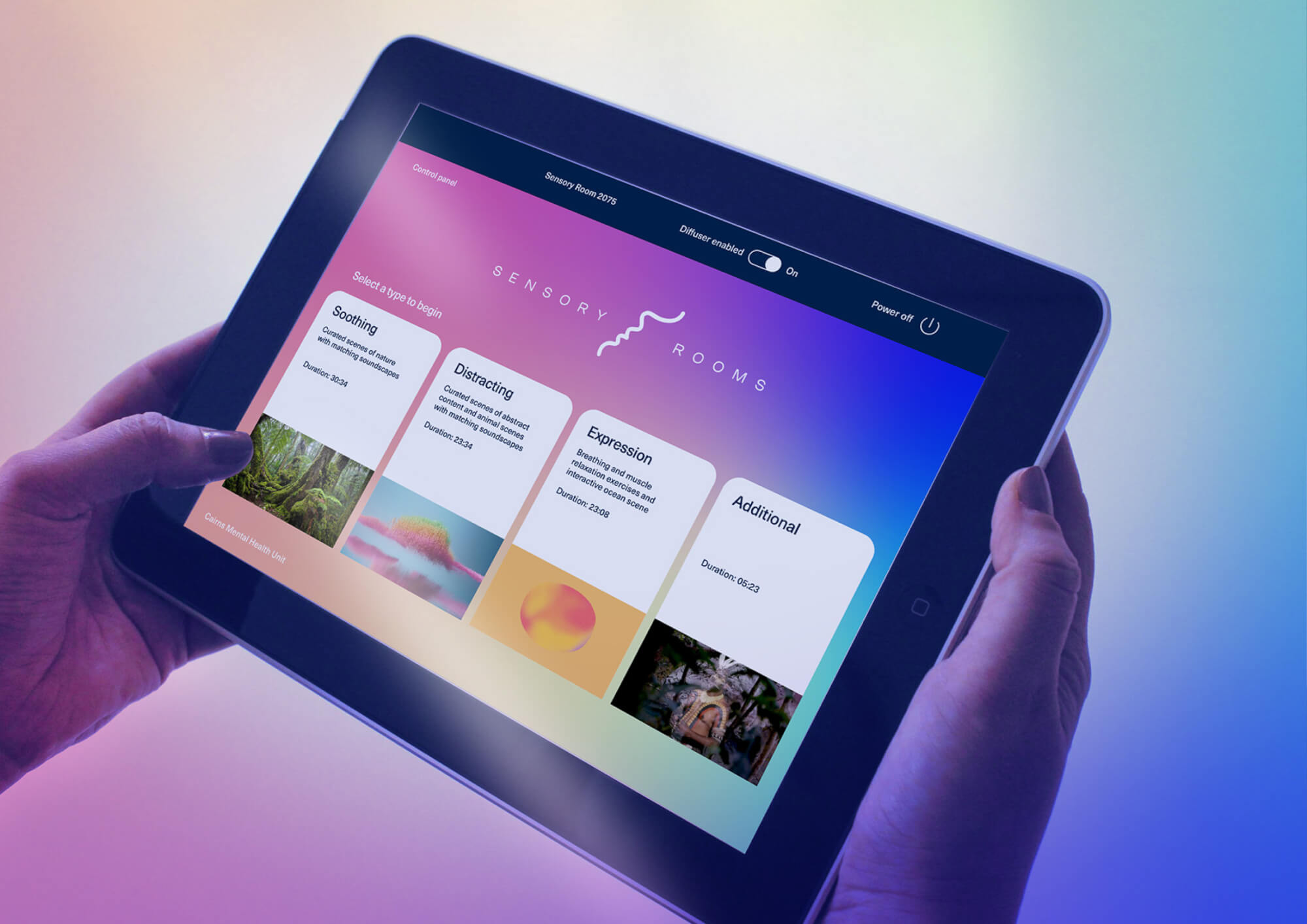
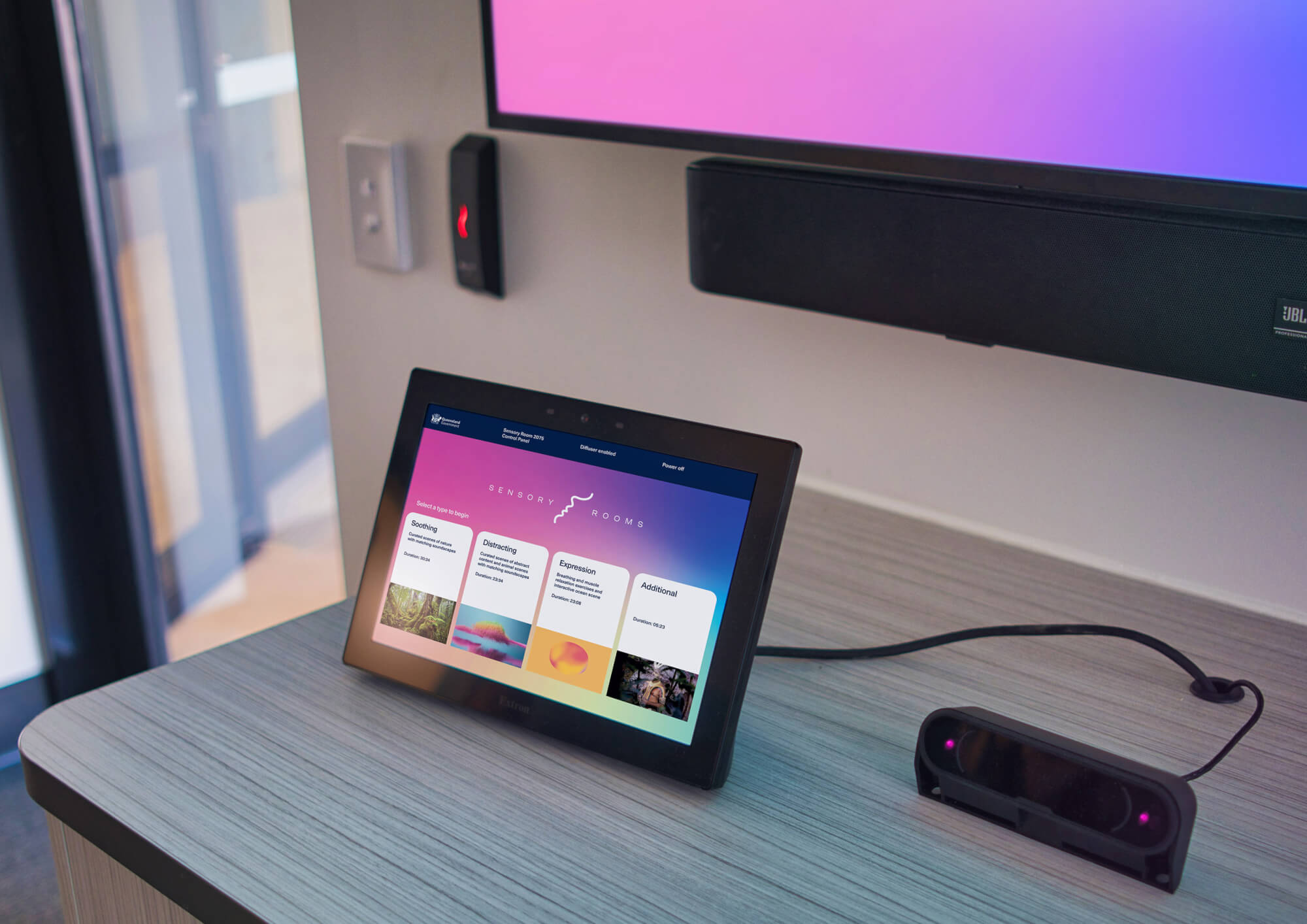
  • In partnership with mental health clinicians, we created Sensory Modulation Rooms: immersive, multi‑sensory environments that support in‑patient care.Each room blends calming visuals, soundscapes, and scent, all controlled through an intuitive clinician interface. A large display is mounted behind shock‑proof glass, protecting the audiovisual system from potential damage during episodes of heightened distress. Experiences can be tailored to individual needs, from rainforest journeys and gentle water scenes to guided breathing and culturally relevant content. Patients can move from heightened distress to a more regulated state in a safe, non‑restrictive space, reinforcing dignity, autonomy, and culturally sensitive care.

  • Sensory Modulation Rooms are reshaping mental healthcare at the Cairns Mental Health Unit and present a scalable model for other services. Early outcomes indicate reduced reliance on restrictive practices, including seclusion, as patients gain tools for self‑regulation, relaxation, and greater control over their environment.Clinicians benefit from structured, therapeutic content and real‑time control of sensory inputs, improving assessment and support. The project received the Cairns and Hinterland Hospital and Health Service Excellence Award for Pursuing Improvement through Innovation and Research, recognising its potential to transform care across psychiatric units, emergency departments, and general wards nationwide.

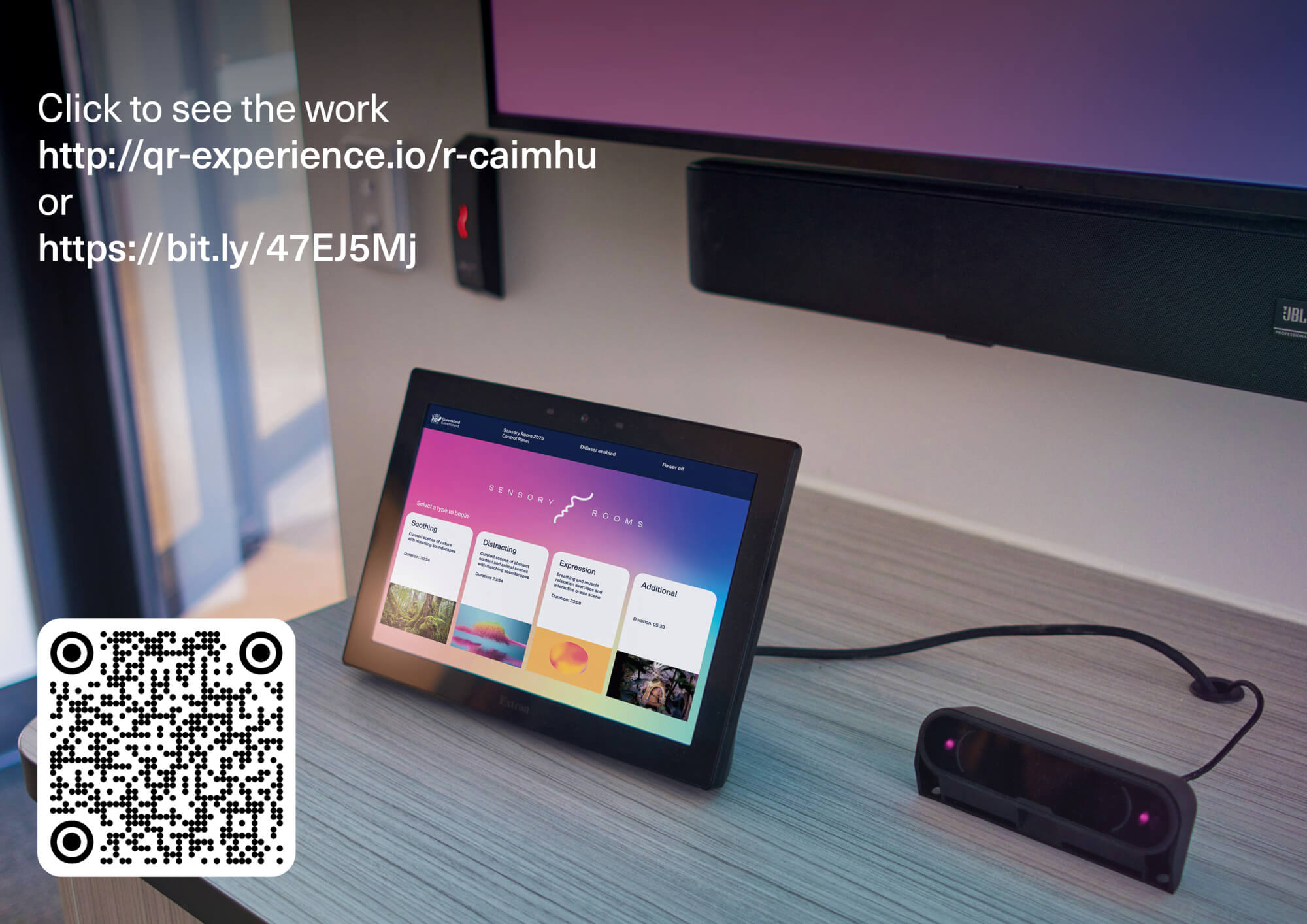
  • • Immersive multi‑sensory environment – Integrates large‑scale videos, soundscapes, and optional scent to create calming, controllable spaces within existing hospital infrastructure.• Clinician‑controlled interface – An intuitive control system allows clinicians to tailor sensory experiences (light, colour, sound, content duration) to individual patient needs and clinical goals.• Therapeutic content library – Includes rainforest journeys, water scenes, guided breathing, abstract visuals, and gesture‑based content designed to support grounding, relaxation, and emotional regulation.• Culturally informed design – Developed with Aboriginal and Torres Strait Islander communities and lived experience representatives to ensure content, language, and use of space are safe, respectful, and inclusive.• Human‑centred and evidence‑aligned – Informed by best‑practice sensory modulation principles and co‑designed with clinicians and patients, ensuring alignment with therapeutic models of care.• Scalable and adaptable – Designed to retrofit into existing mental health units, emergency departments, and general wards with minimal structural change.