Myodot

good-design-award_winner_rgb_blk_logo
  • 2026

  • Next Gen

Designed By:

Designed In:

Australia

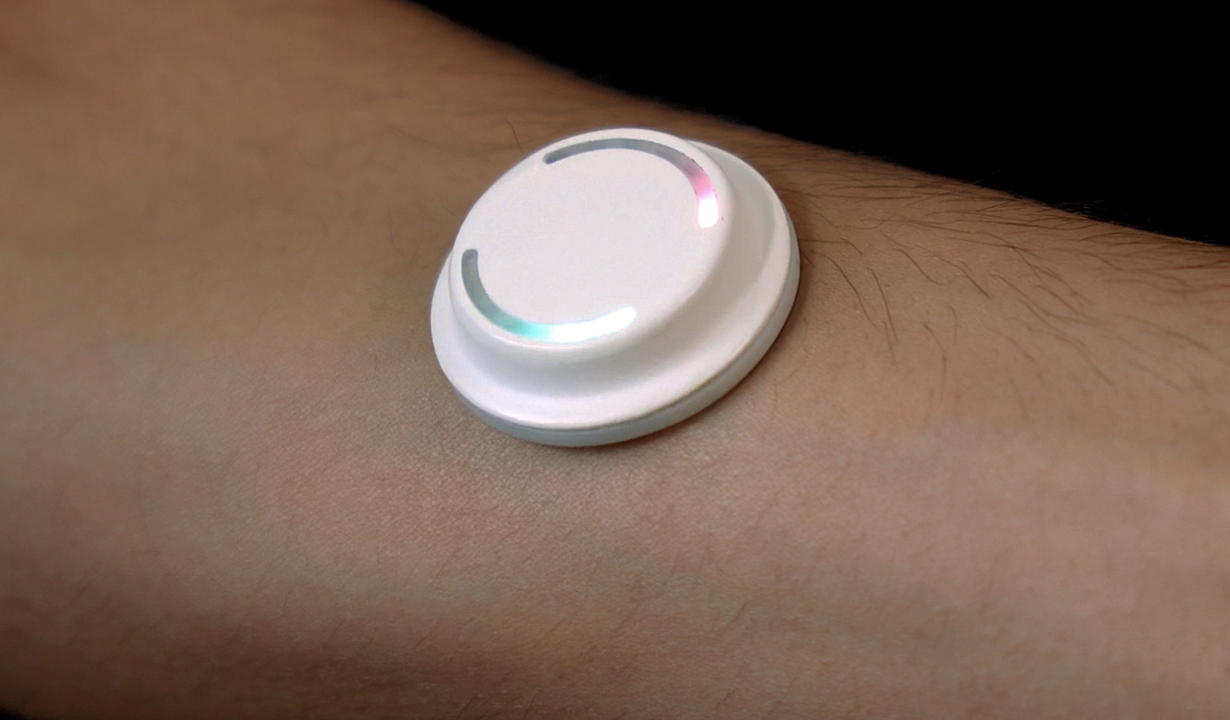
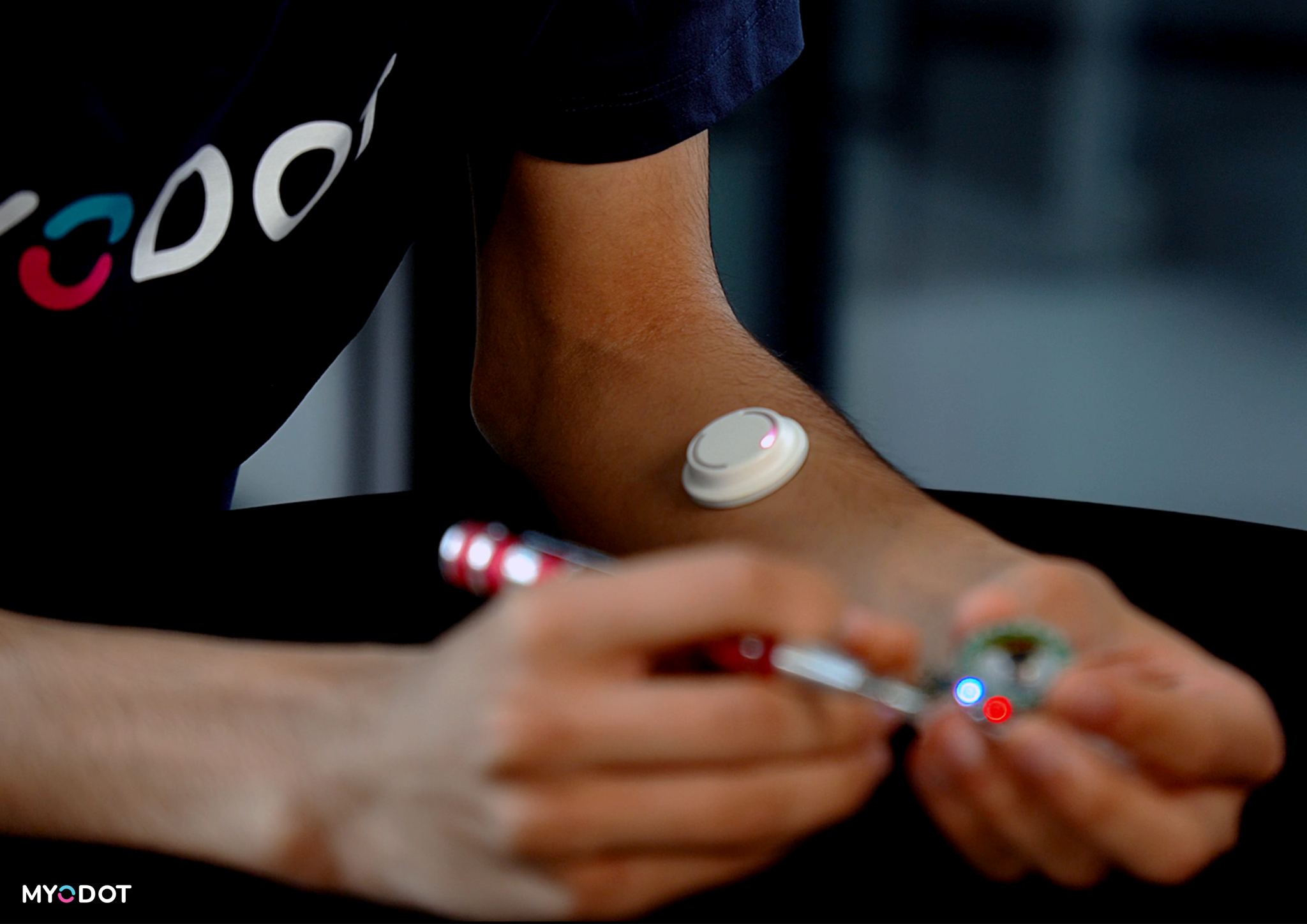
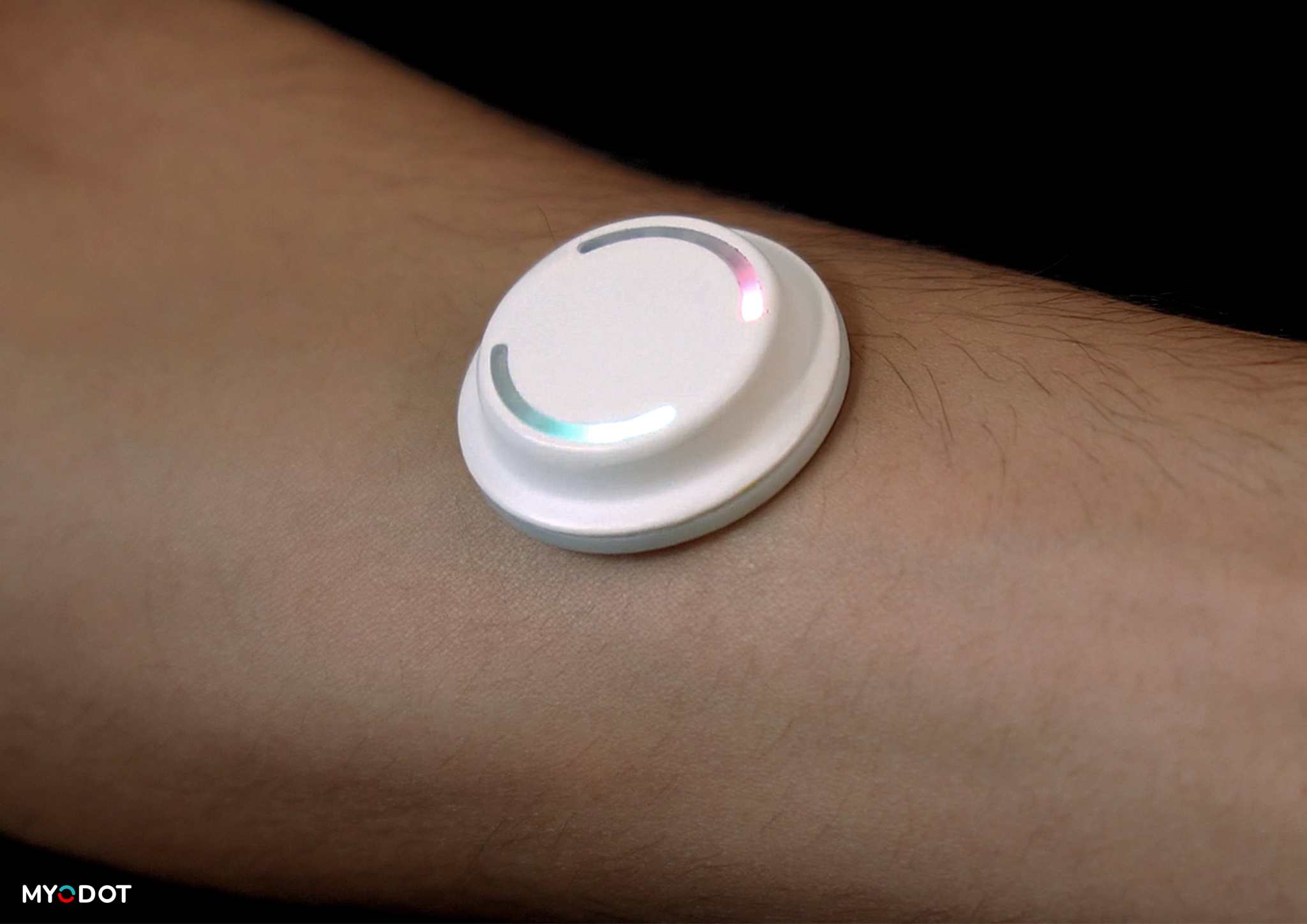
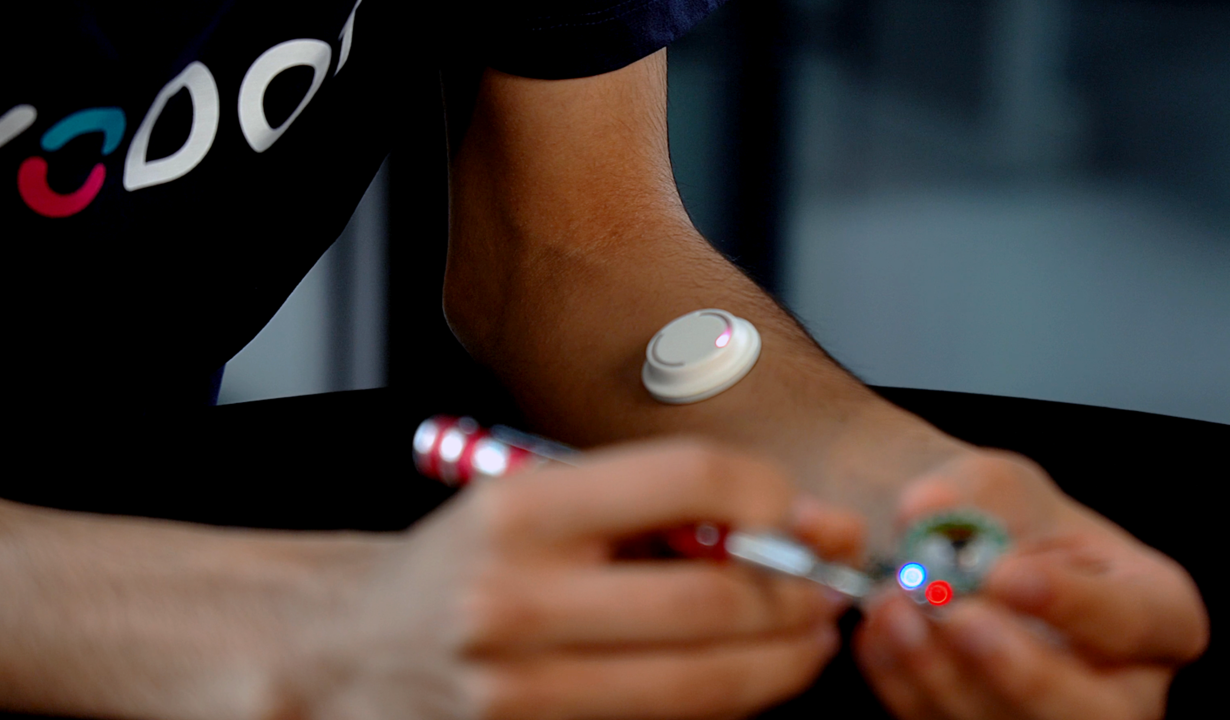
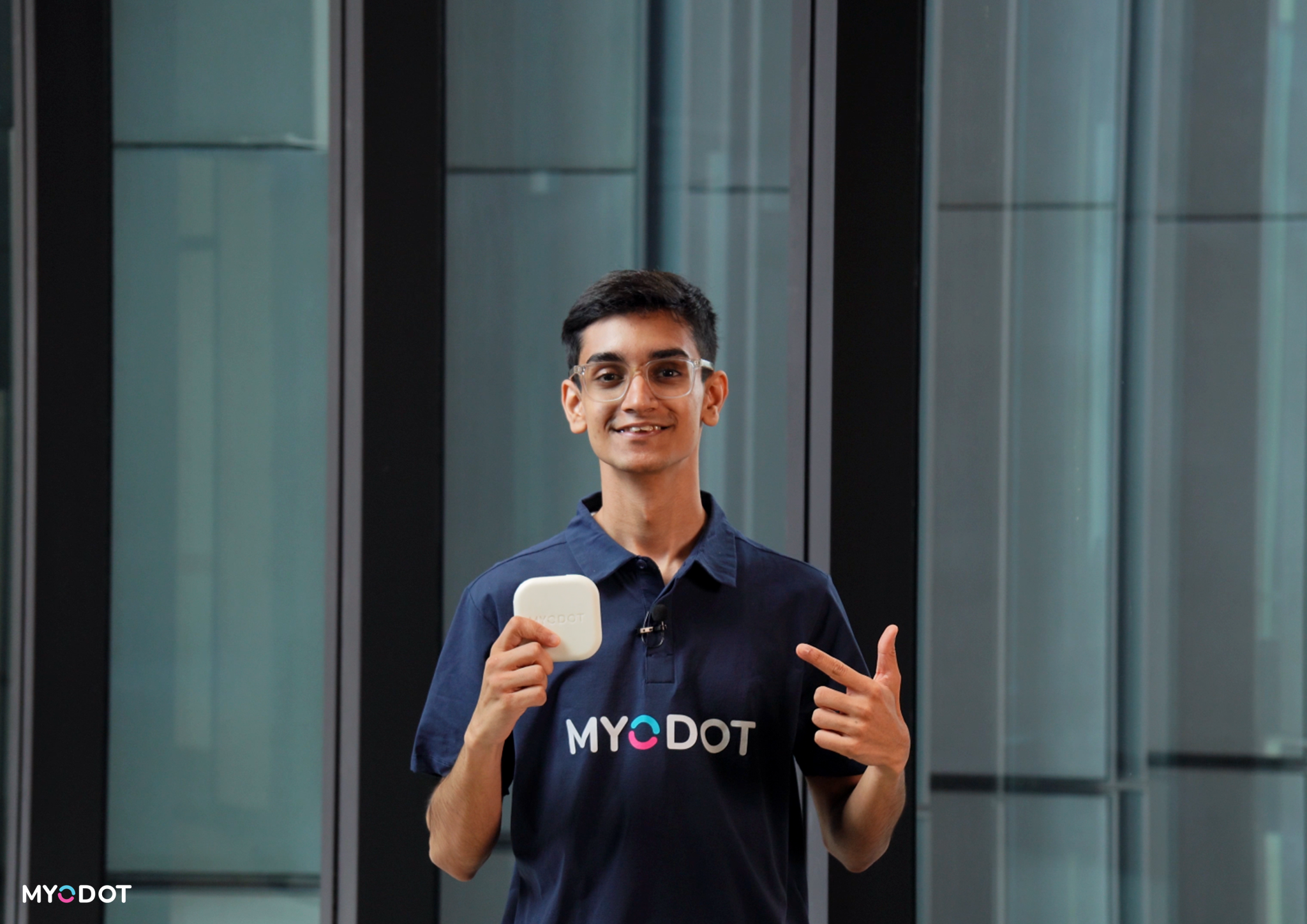
Myodot is a complete hardware and software ecosystem that supports and improves neuromuscular recovery. Myodot features the world’s first BLE-connected 36mm biomarker sensor fusion wearable to deliver real-time muscle biofeedback. Simultaneously, it streams objective data directly to clinicians, eliminating subjective guesswork from an individual’s physical motor rehabilitation.
view website

1-myodot_1
2-myodot_2
3-myodot_3
4-myodot_4
6-myodot_5
6-myodot_6
7-myodot_7
8-myodot_8
myodot_team
  • CHALLENGE
  • SOLUTION
  • IMPACT
  • MORE
  • Every 11 minutes, an Australian suffers a stroke. Globally, one occurs every three seconds. Combined with other impairments, over a billion people require motor rehabilitation. Despite incredible biological recovery potential, most recoveries are failing because outpatient care technology is severely limited. Exercising alone causes patient adherence to plummet, while clinicians must rely on subjective visual guesswork to track recovery progress. Three focused challenges emerged: One, bridging the neuromuscular data gap of unmonitored home therapy; Two, providing instant biofeedback to retain patient motivation; Three, eliminating painful sensor application for users with limited dexterity. How might we engineer accessible, objective, frictionless physical rehabilitation?
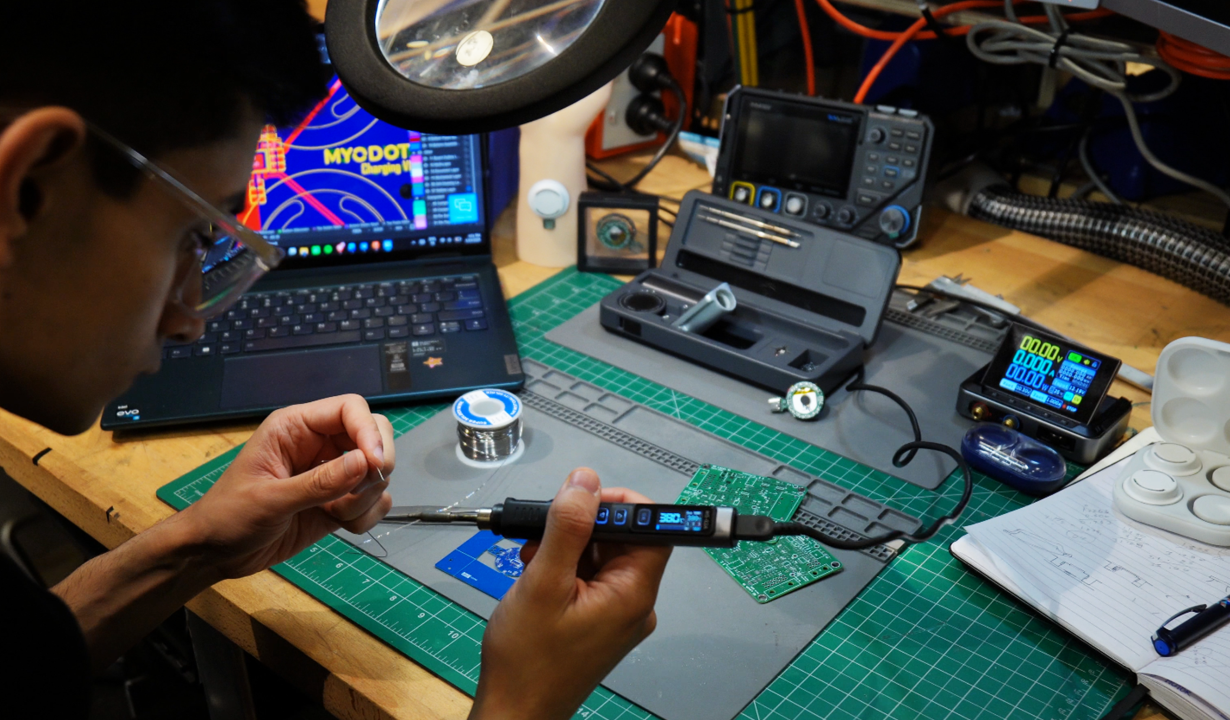
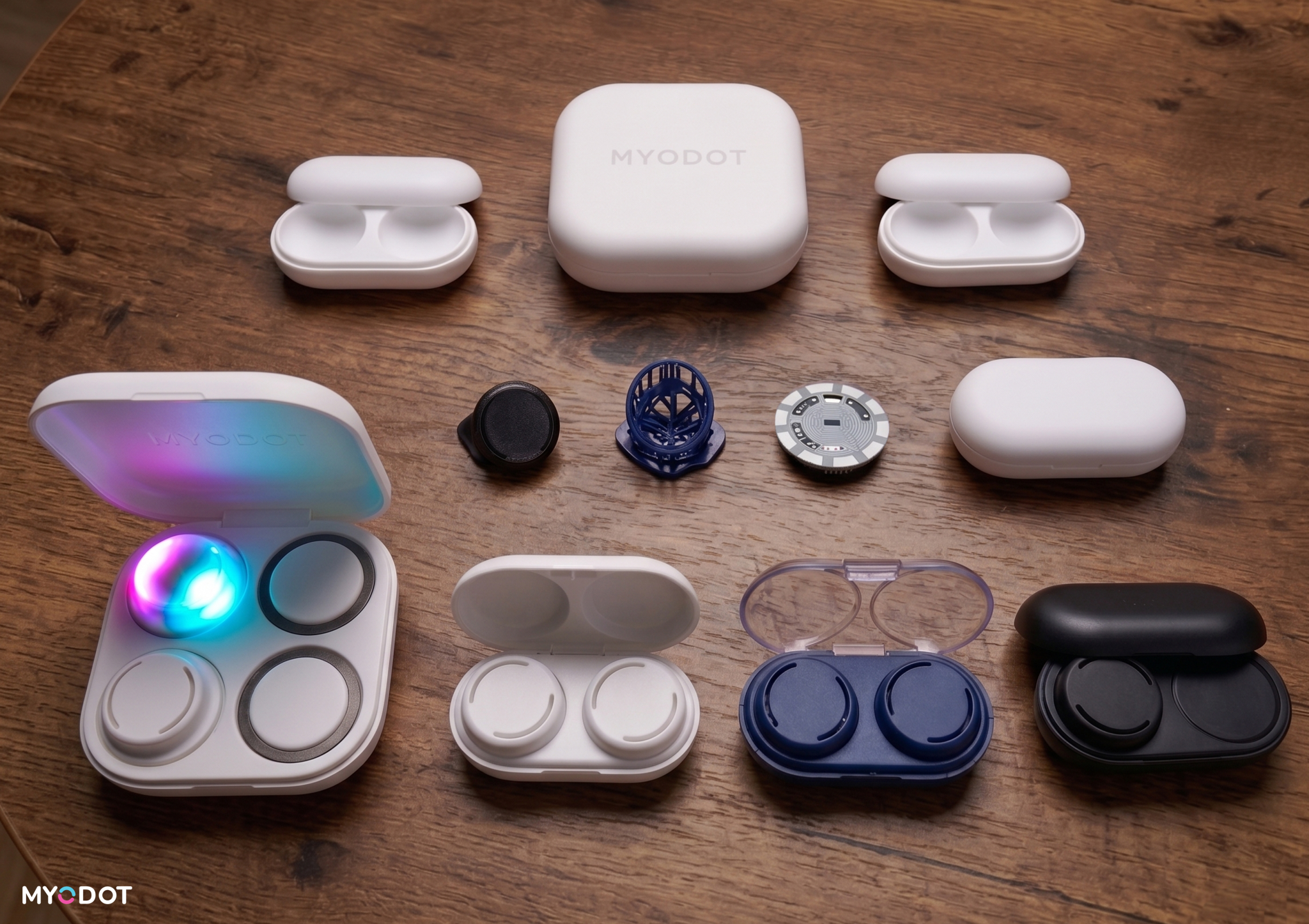
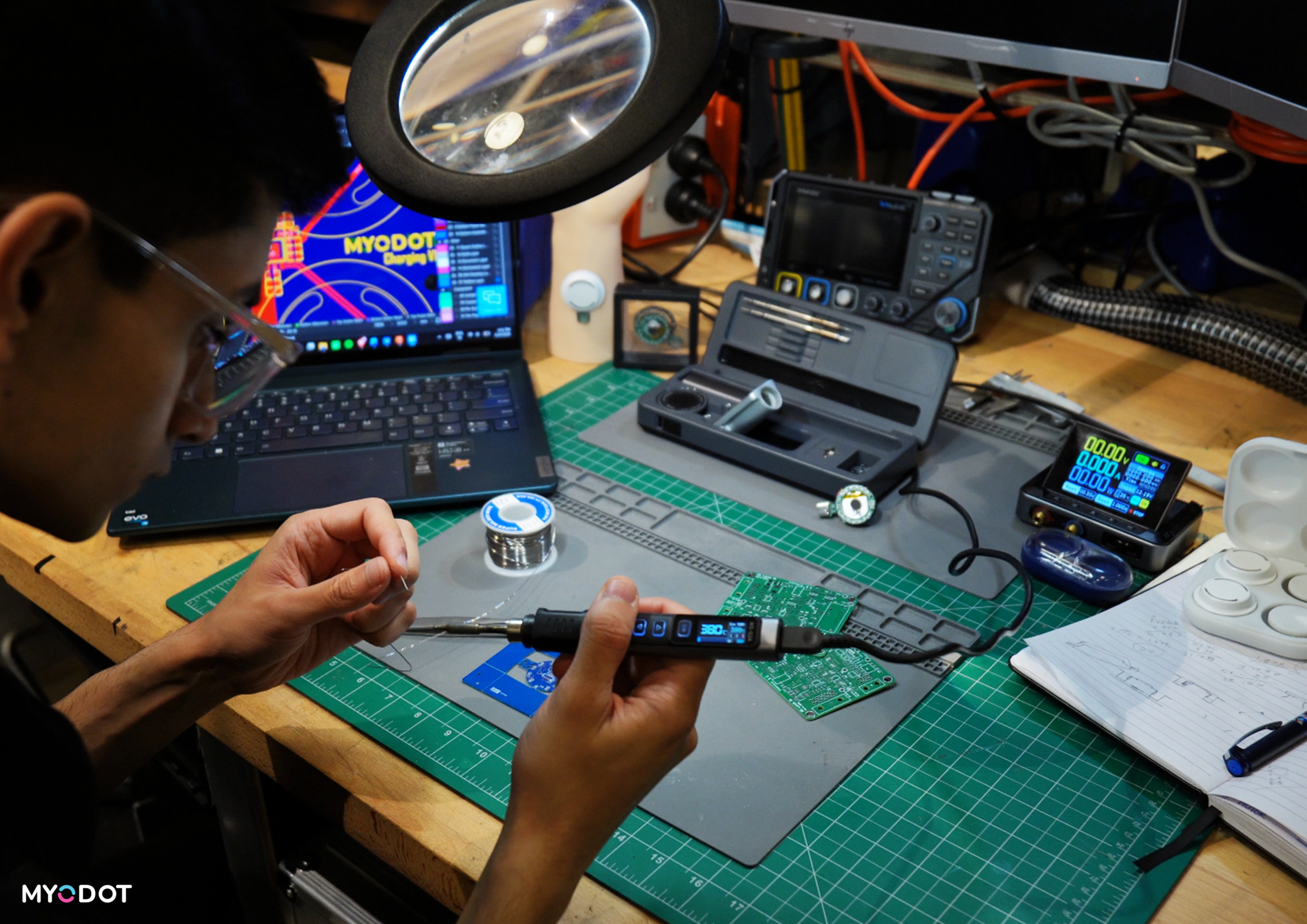
  • A landmark engineering achievement was achieving the biomarker sensor fusion into a miniaturised sensor PCB. This core technology provides a direct, objective reading of neuromuscular progress rather than assuming recovery based on visible movement. While solving the "23-hour clinical blind spot in neuromuscular rehab", early prototyping faced critical roadblocks: traditional single-use hydrogels tore frail skin. In response, "anatomical memory" stickers were developed, ensuring sustainable, effortless application for users with limited dexterity. By delivering real-time haptic and visual biofeedback to motivate patients and streaming telemetry to a clinical dashboard, the completed ecosystem entirely eradicates unmonitored physical therapy.

  • Already active in clinics and collaborating with the Cerebral Palsy Alliance and Remarkable Tech, Myodot delivers profound multi-sector impact. Societally, it democratizes elite telemetry, empowering patients to navigate unmonitored recovery with absolute confidence. Environmentally, the hardware pioneers circular design, utilizing proprietary “anatomical memory” stickers to eradicate the immense waste of single-use hydrogels. Commercially, its software automates NDIS compliance reporting, significantly reducing clinicians' administration workload and systemic costs of failed therapies. Beyond recovery, Myodot's foundational technology unlocks new frontiers in Human-Computer and Brain-Computer Interfaces while standing true to its belief: Everyone deserves a true second chance at life.

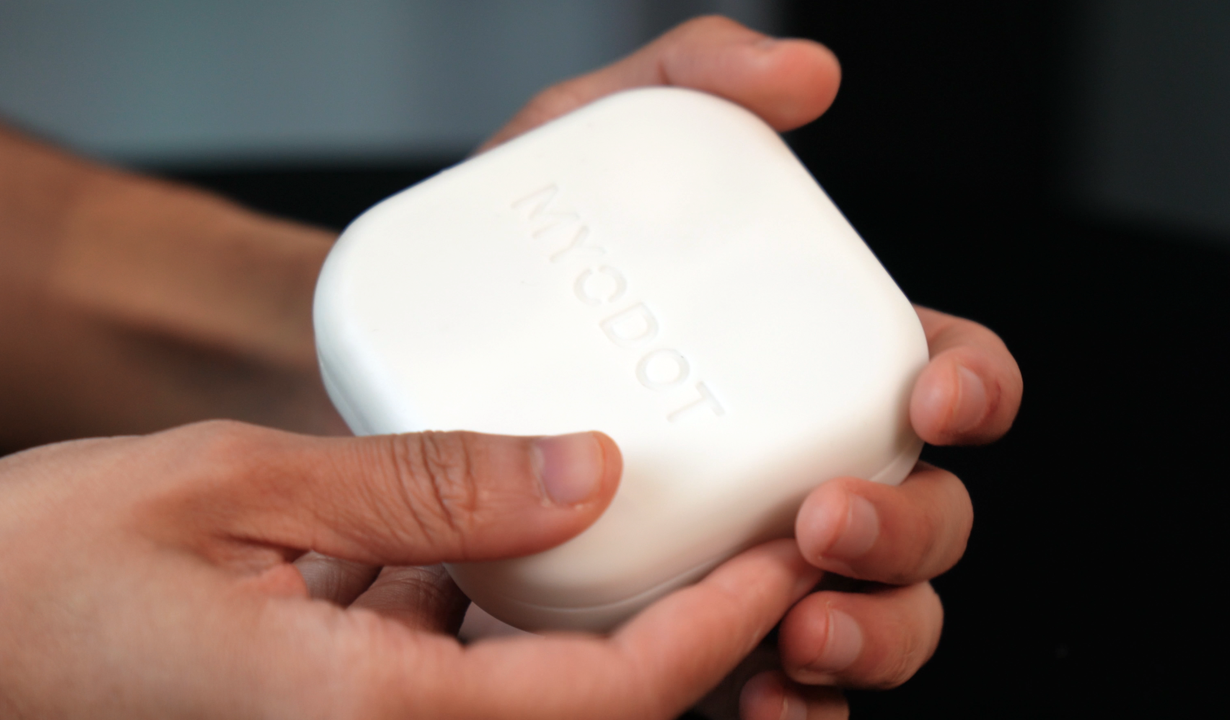
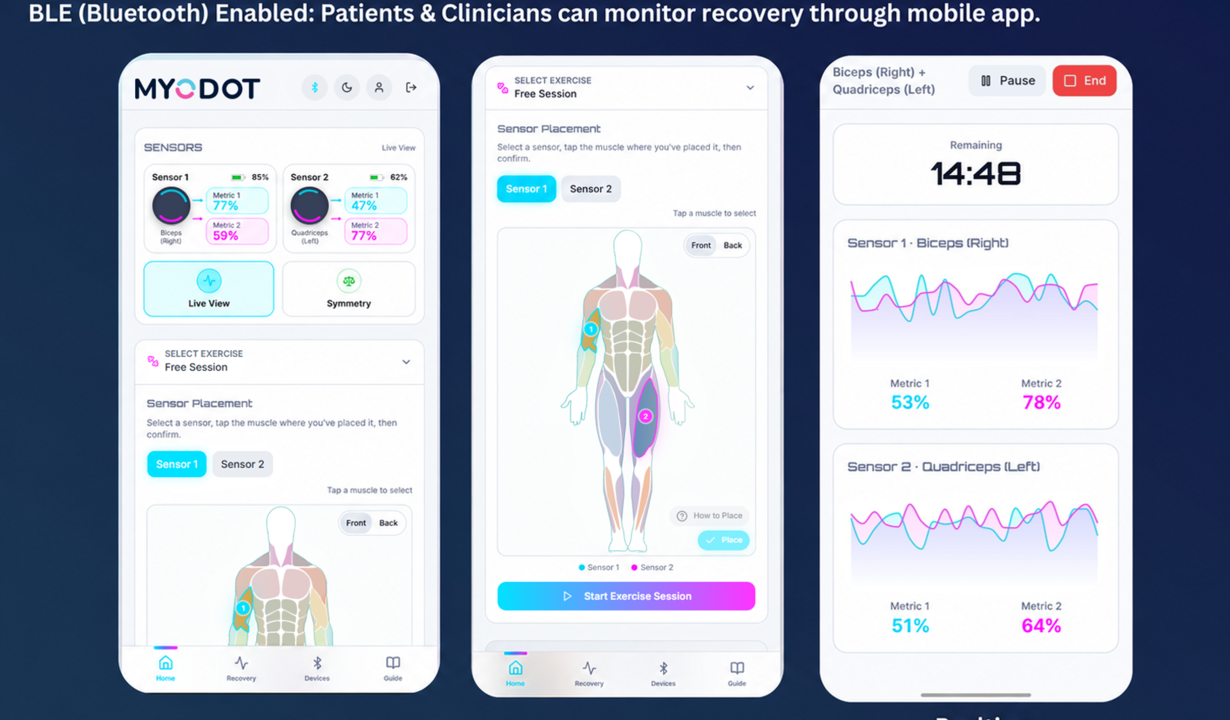
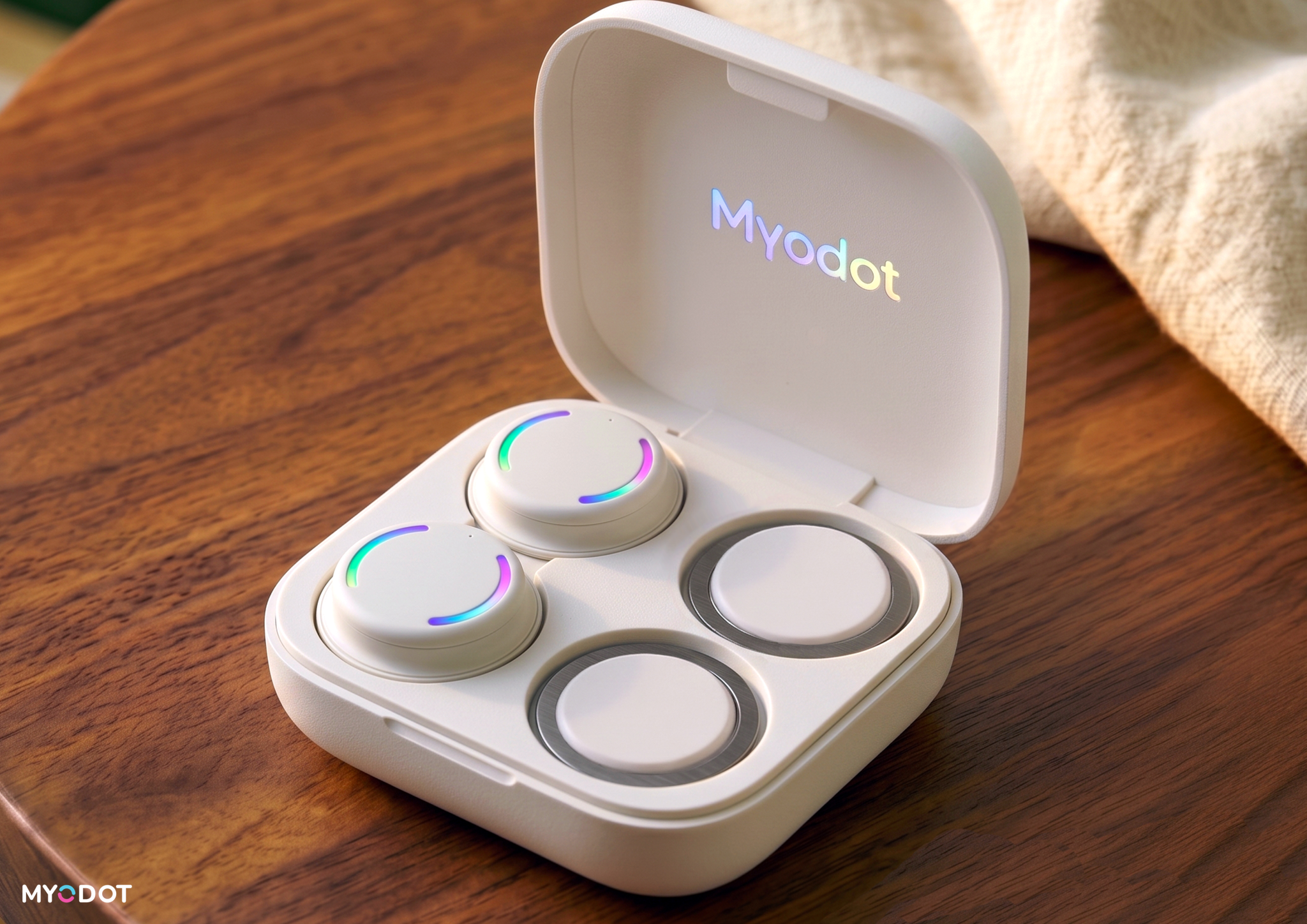
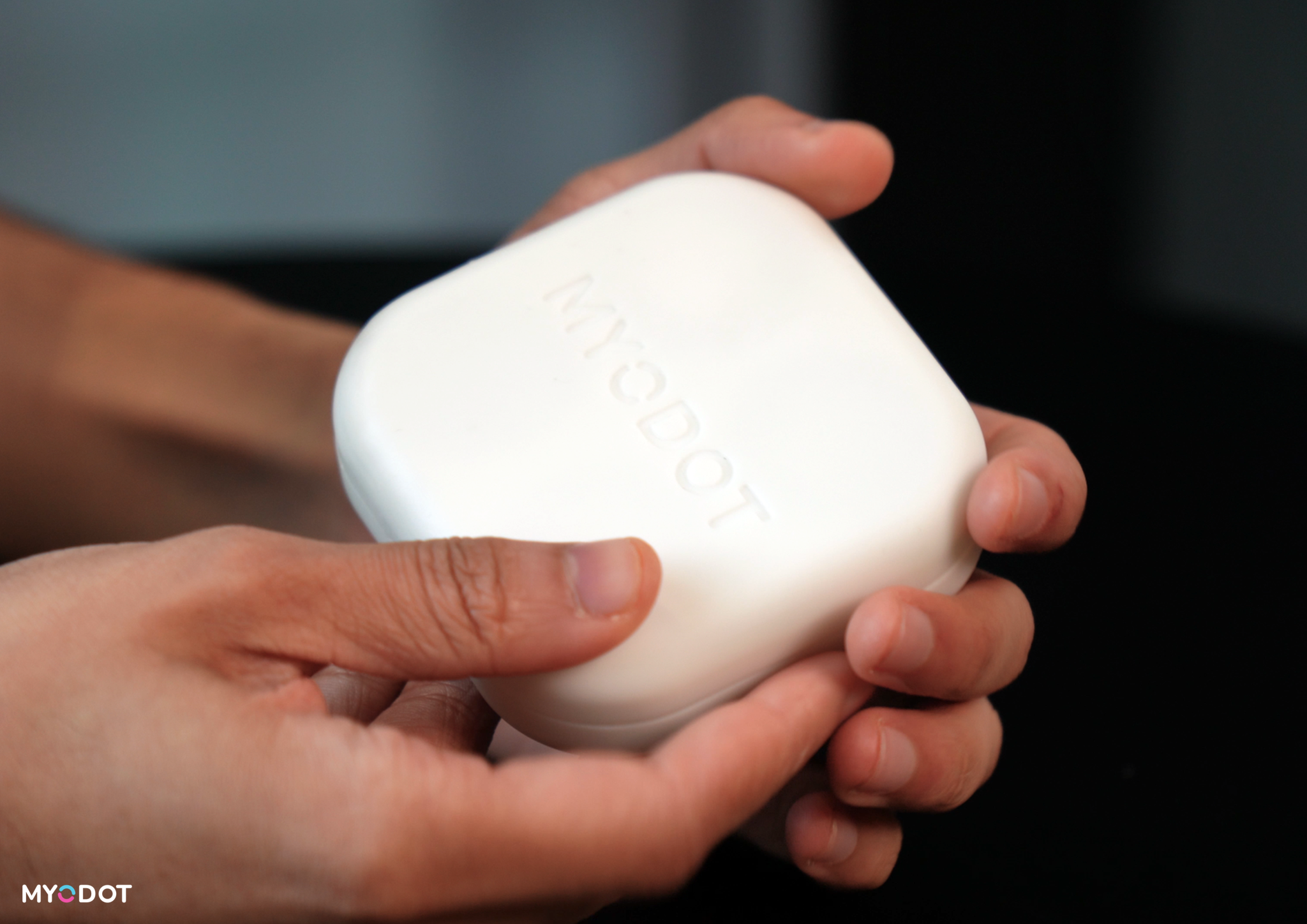
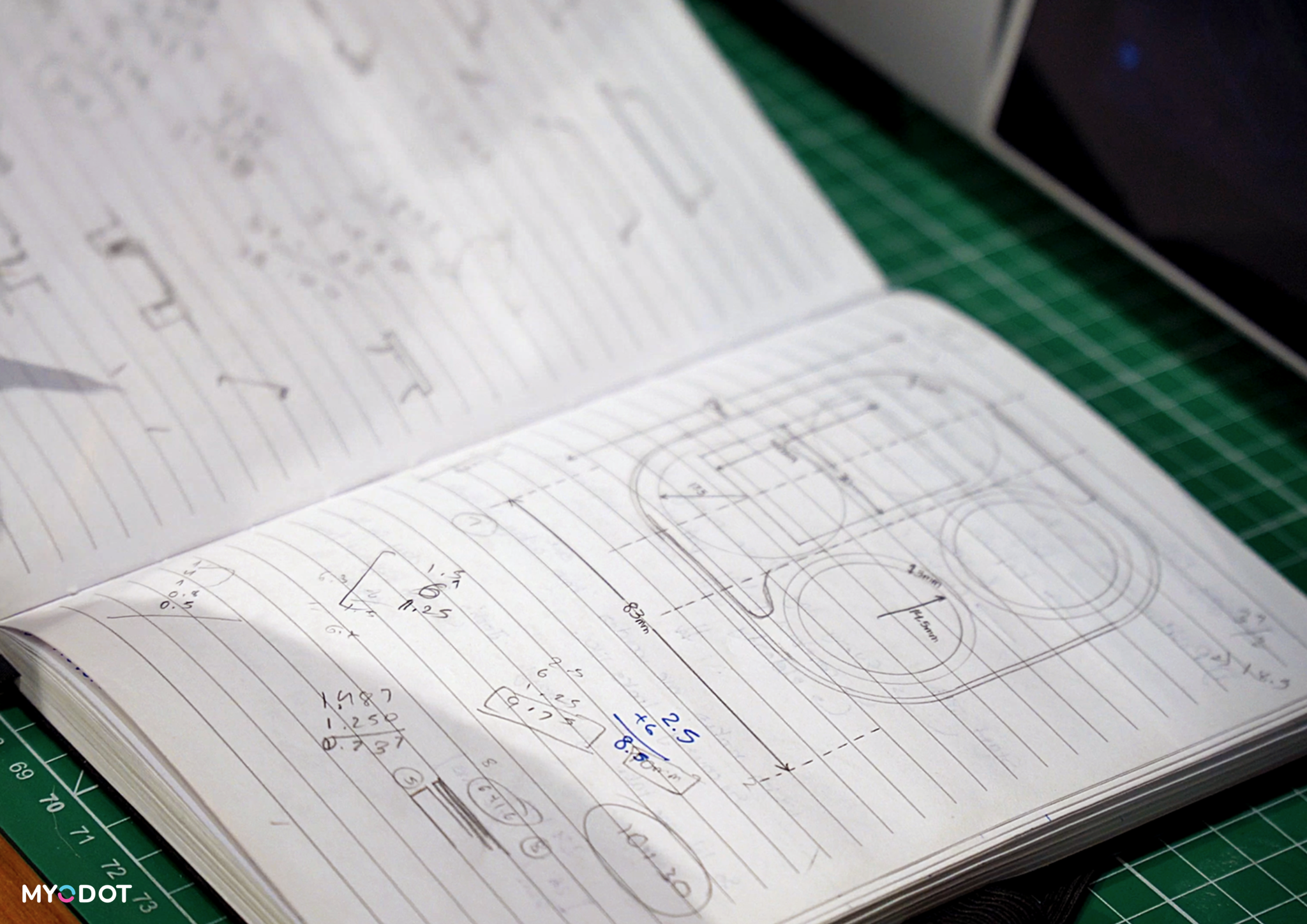
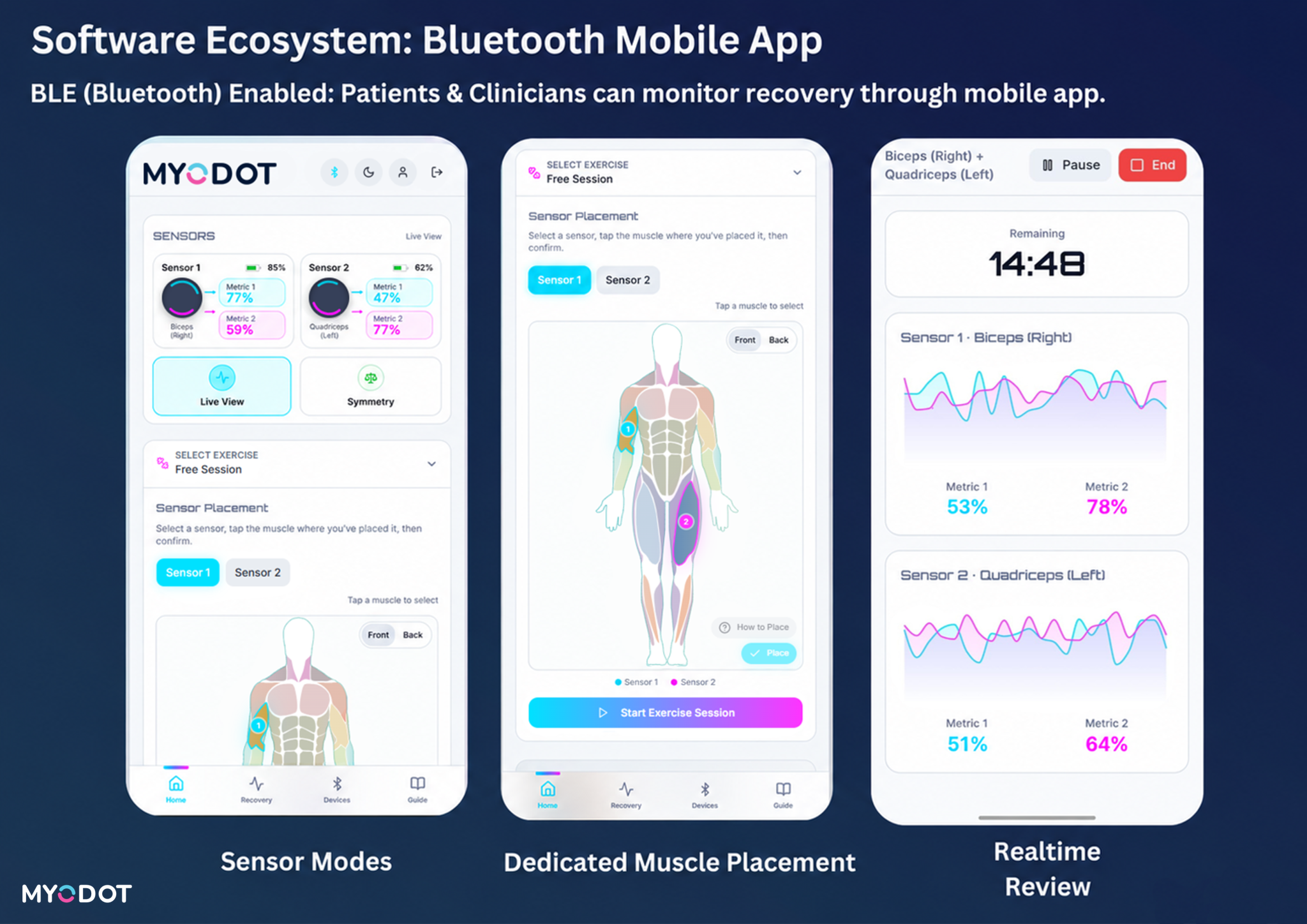
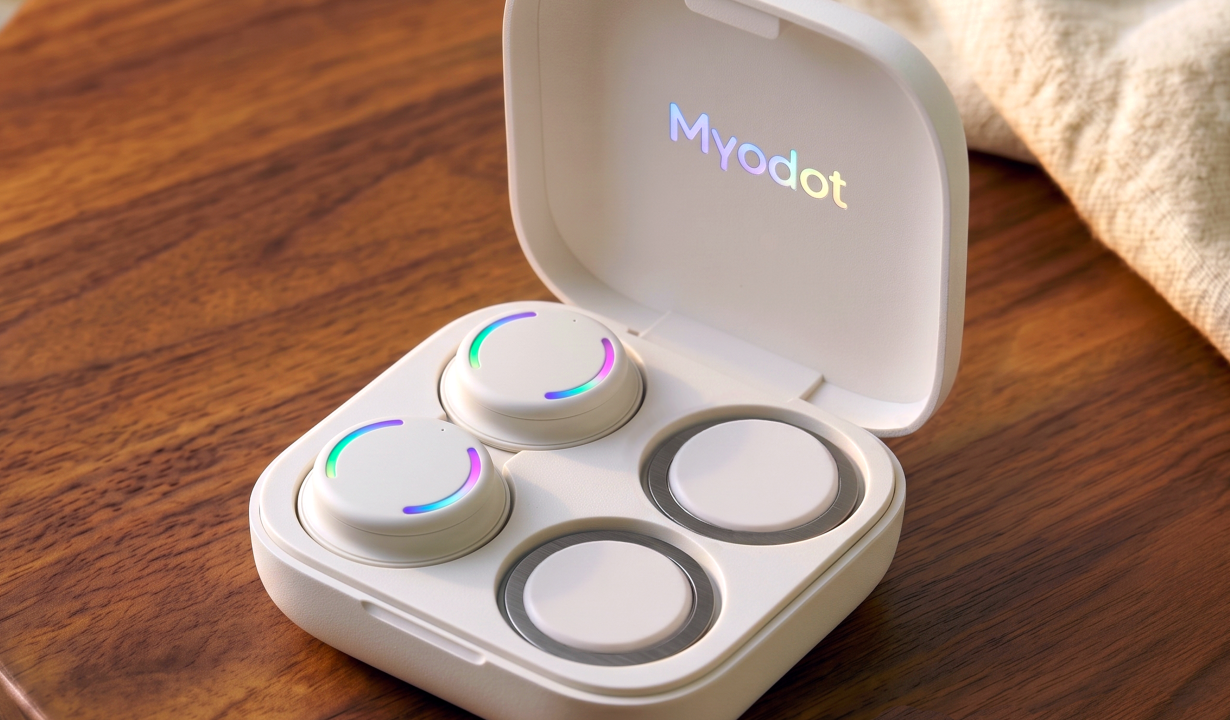
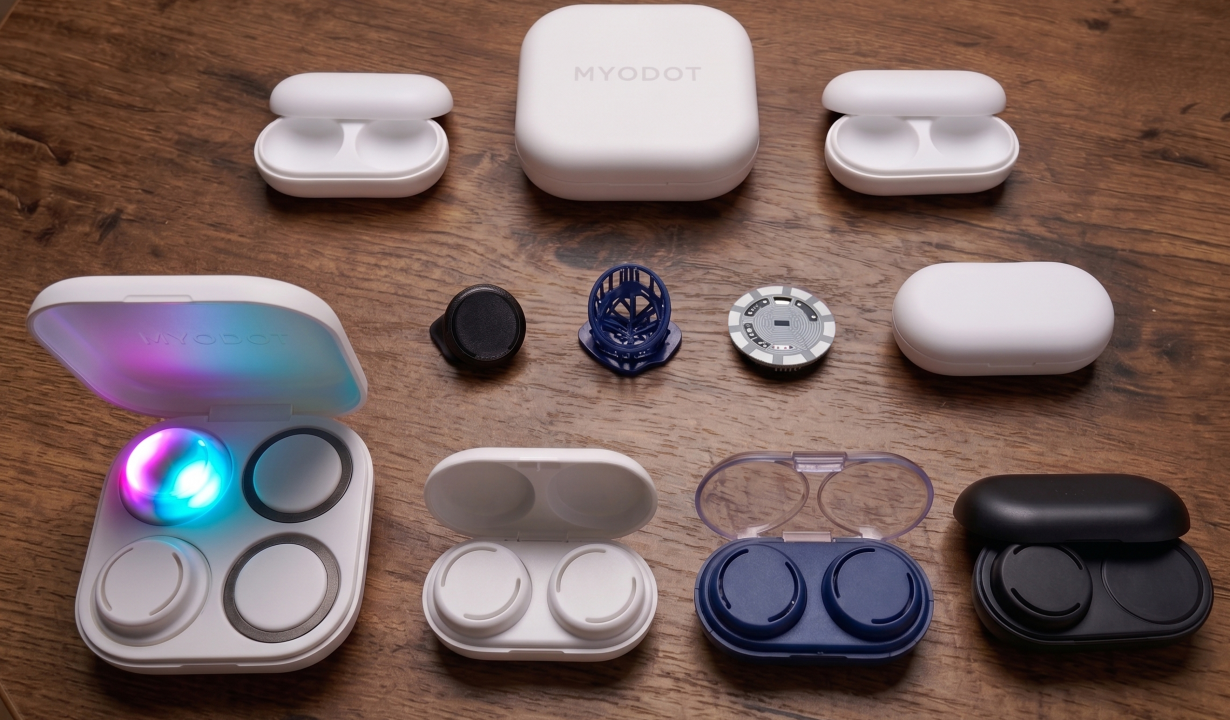
  • 1. Multimodal Sensor Fusion: Myodot is the world's first 36mm biomarker sensor fusion wearable. Myodot captures a wealth of neuromuscular metrics that other simple sensor cannot, providing a comprehensive, objective window into neuromuscular health and recovery. 2. Anatomical Memory Stickers: Replacing traditional single-use hydrogels, Myodot utilizes a novel interface sticker system. These allow users with limited dexterity to effortlessly snap the device into the exact clinical position every time, ensuring longitudinal data consistency while eliminating skin irritation and medical waste. 3. Real-time Biofeedback: The hardware delivers immediate, "on-body" correction feedback. This provides patients with the instant motivation and guidance needed to prevent dangerous physical compensation during unmonitored home exercise. 4. Patient App & Clinical Dashboard: Using low-energy Bluetooth (BLE), the wearable syncs to a companion app that gamifies recovery for the patient. Simultaneously, high-fidelity telemetry streams to a clinical dashboard, providing clinicians with automated NDIS compliance documentation and replacing subjective guesswork with actionable insights. 5. Aesthetic Product Ecosystem: The device is housed in a sleek, ergonomic charging case designed for portability and ease of use. This ecosystem ensures the wearable is always protected and powered, transitioning the device from a clinical tool to a seamless lifestyle accessory.