MARS II

good-design-award_winner_rgb_blk_logo
  • 2026

  • Product
    Commercial and Industrial

Designed By:

Commissioned By:

Reef Design Lab

Designed In:

Australia

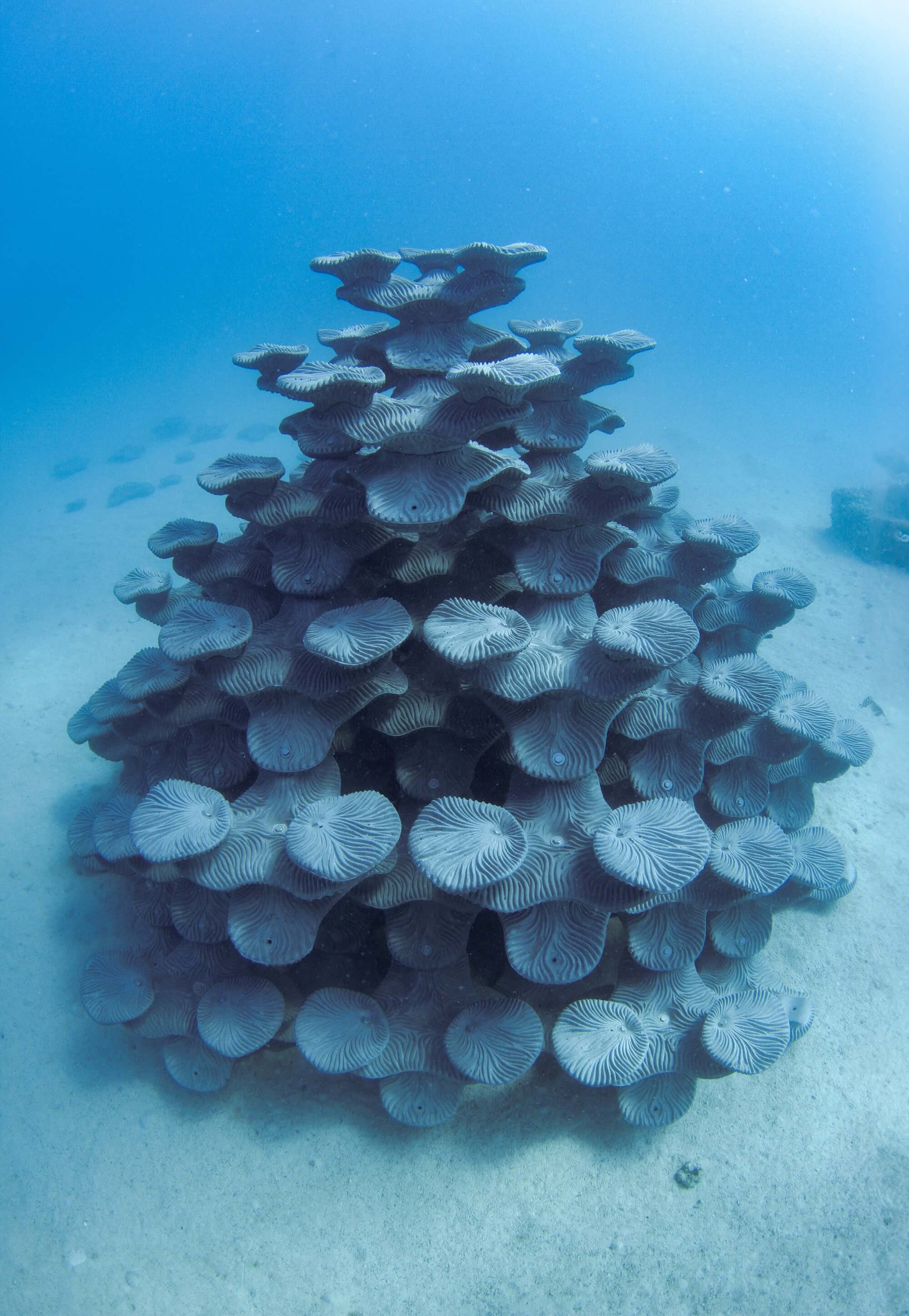
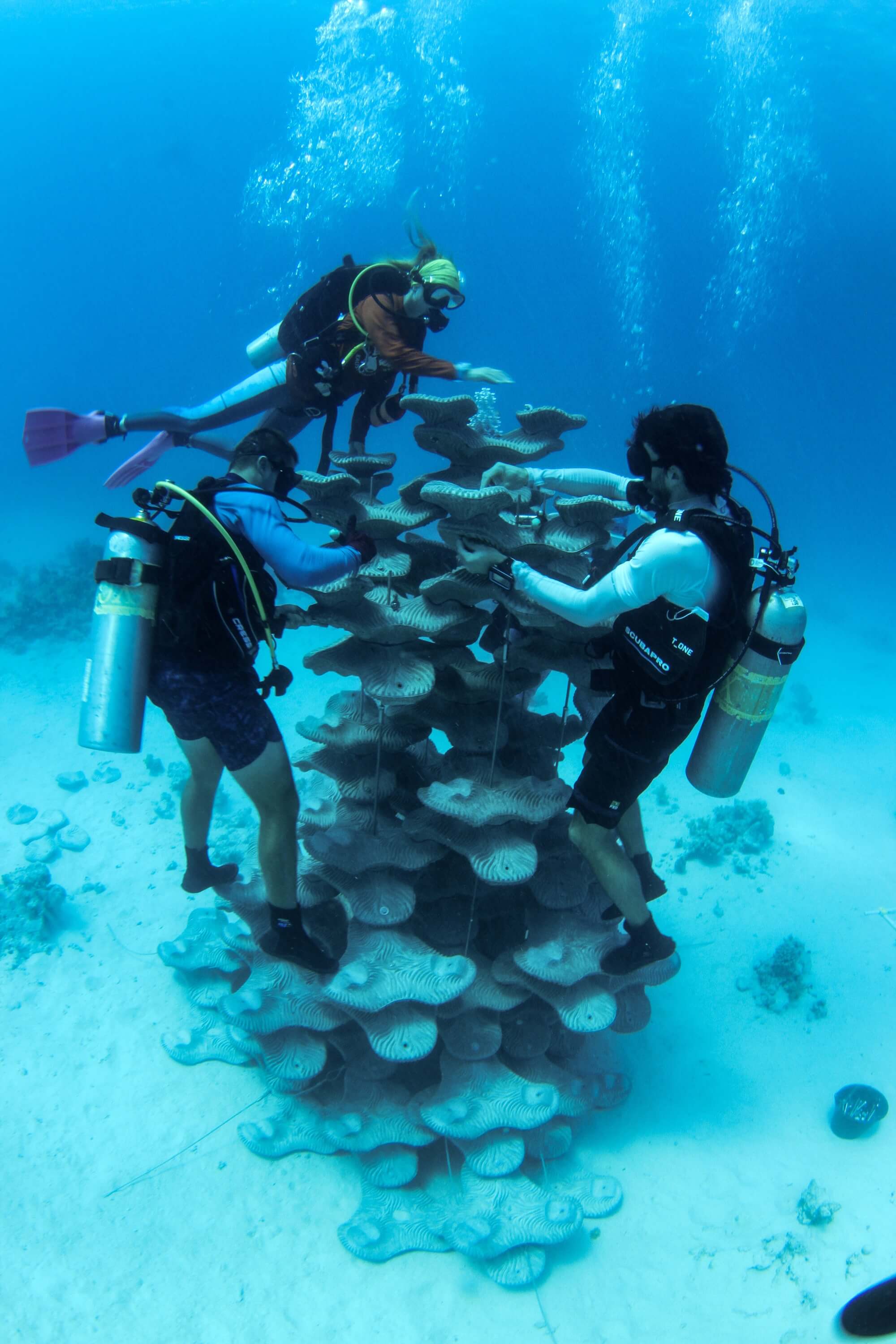
MARS II (Modular Artificial Reef Structure II) is a diver deployable system that creates necessary substrate for coral restoration projects. The system was specifically designed to restore three dimensional structure in areas that have experienced catastrophic dynamite fishing, trawl fishing and storm damage.
view website
Buy online

2.jpg
Alex Goad
3.jpg
Alex Goad
4.jpg
Alex Goad
5.jpg
Alex Goad
6.jpg
Alex Goad
7.jpg
Isabella Oliveria
8.jpg
Isabella Oliveria
  • CHALLENGE
  • SOLUTION
  • IMPACT
  • MORE
  • Coral reefs are threatened globally by destructive practices like dynamite fishing, bottom trawling, and increasingly powerful storms that remove three dimensional structure from the sea floor. Without the creation of new structures, coral polyps and marine life struggle to re-establish themselves amongst the rubble. Biodiversity declines, fisheries suffer, and coastlines become more vulnerable to erosion and storm damage. Some of the most damaged reef networks exist in the shallow waters of remote and developing islands. Lacking access to heavy infrastructure like barges and cranes, these communities require a readily accessible restoration solution to help safeguard fisheries populations and biodiversity.

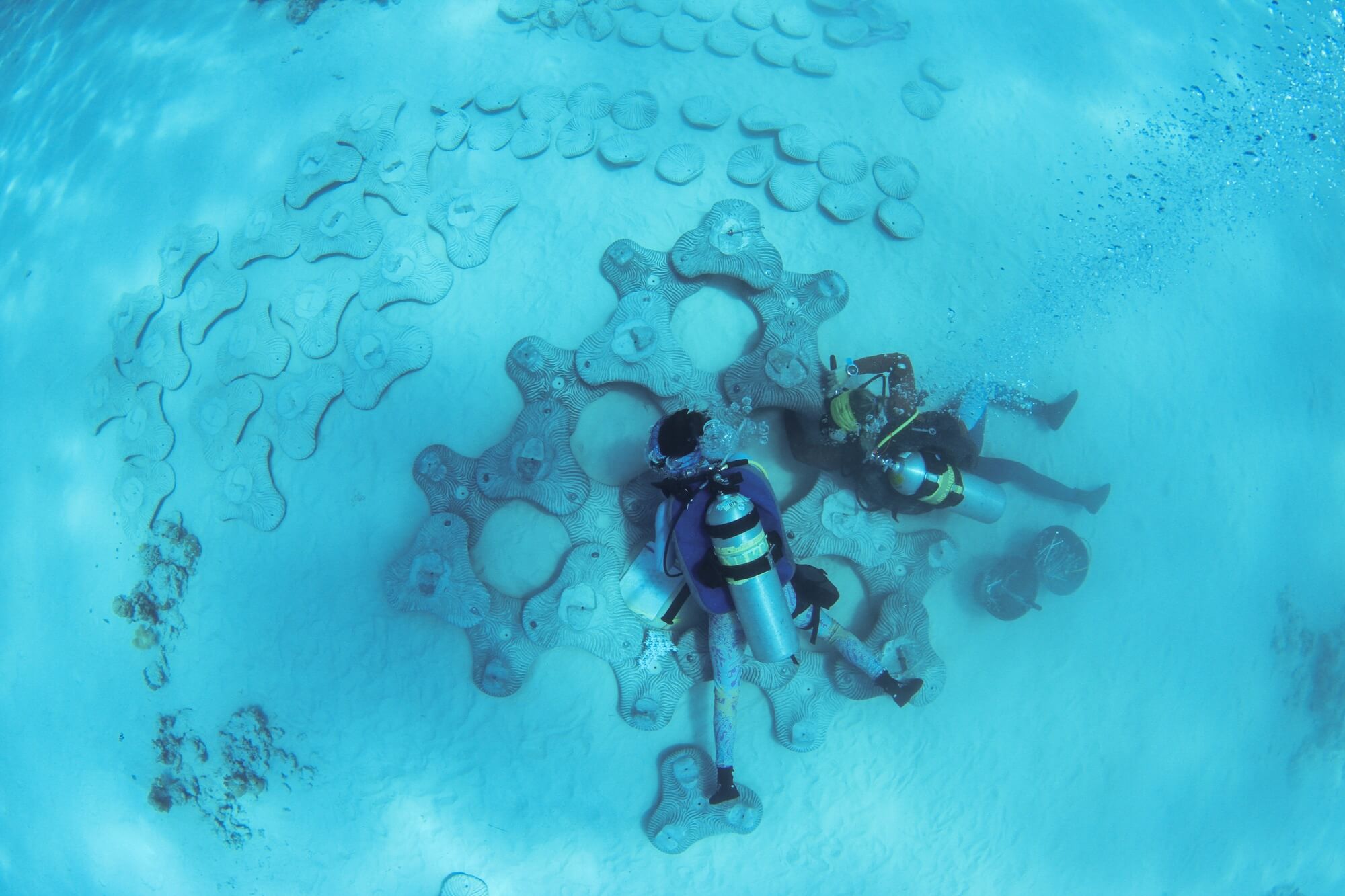
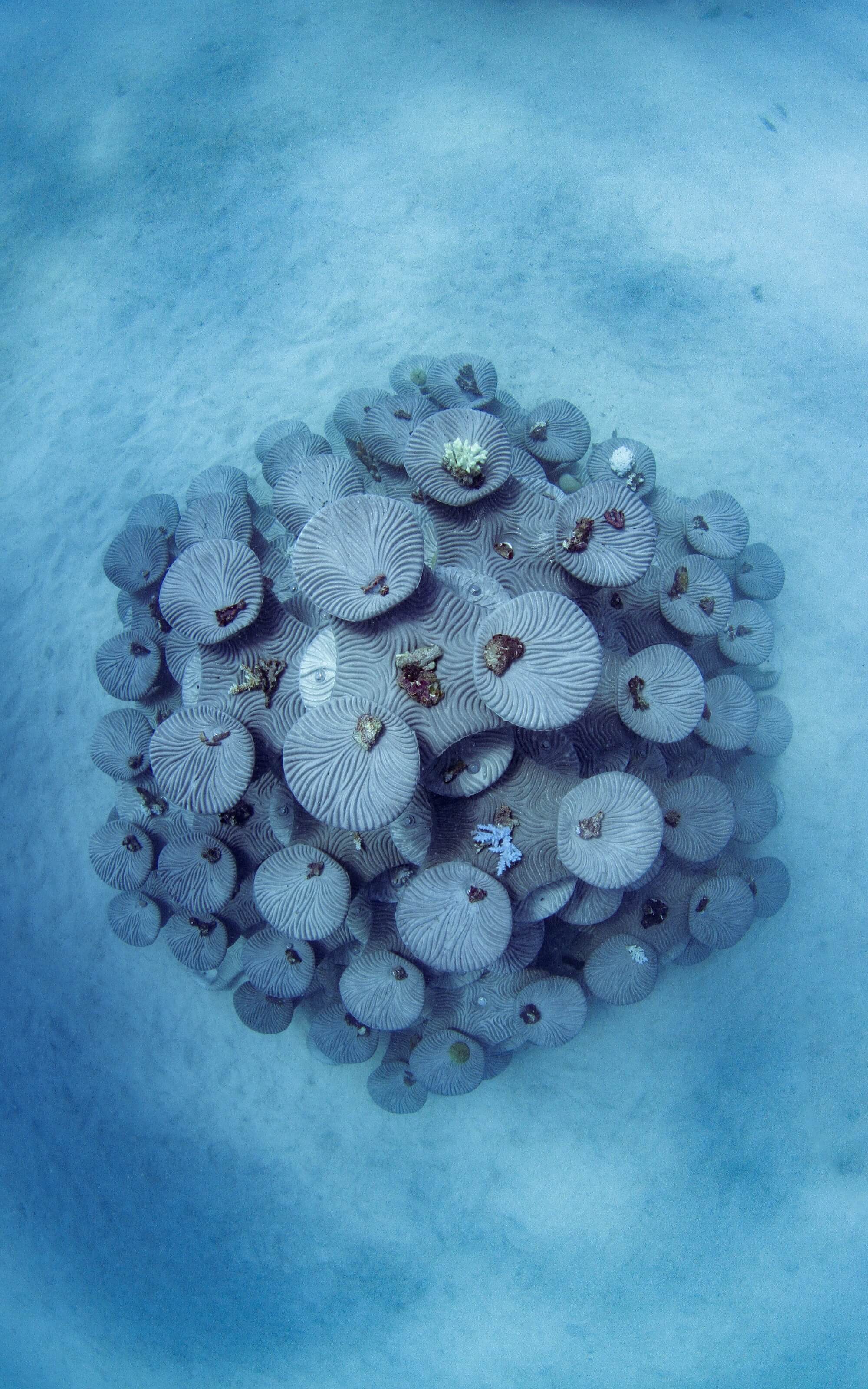
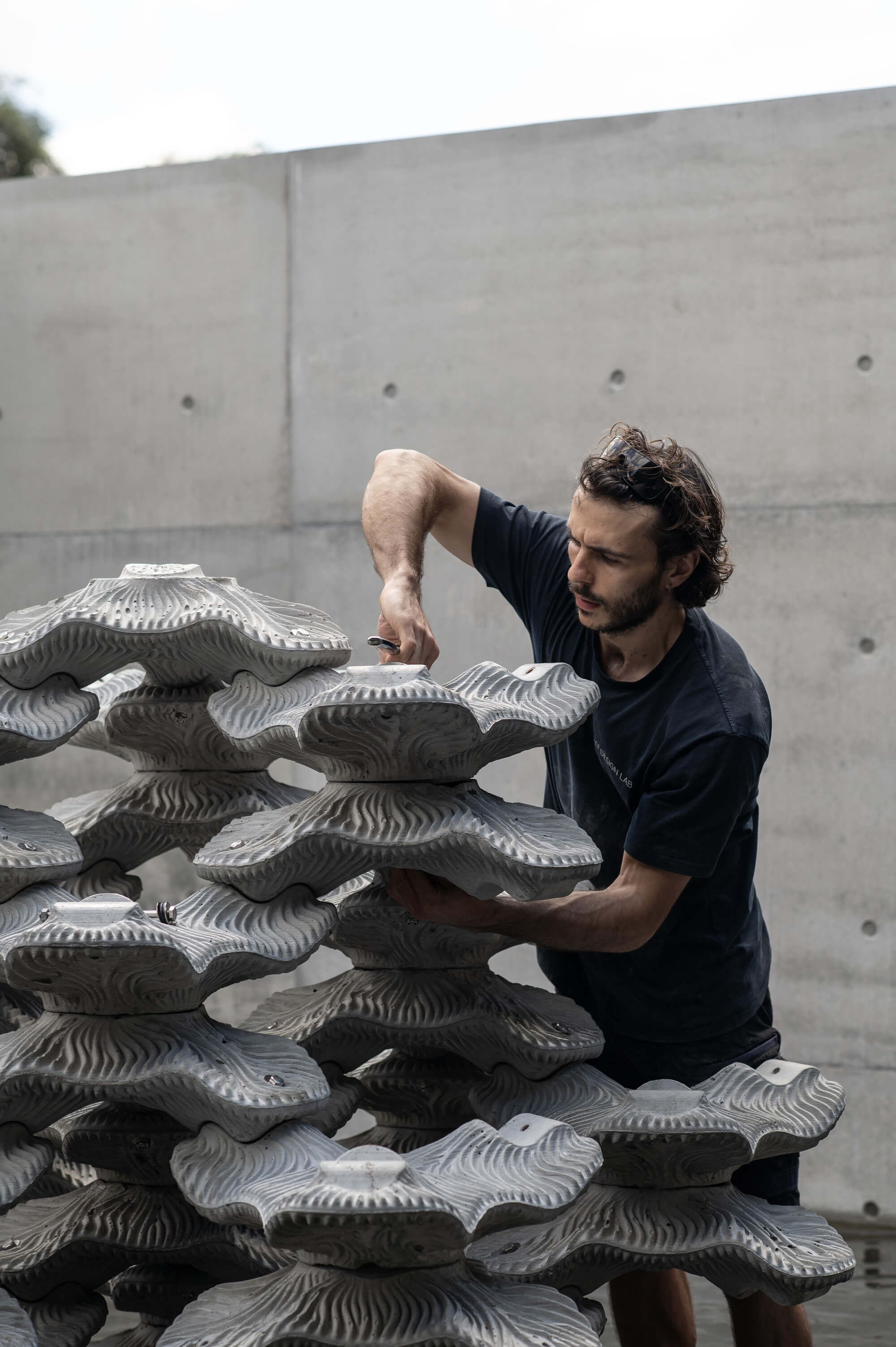
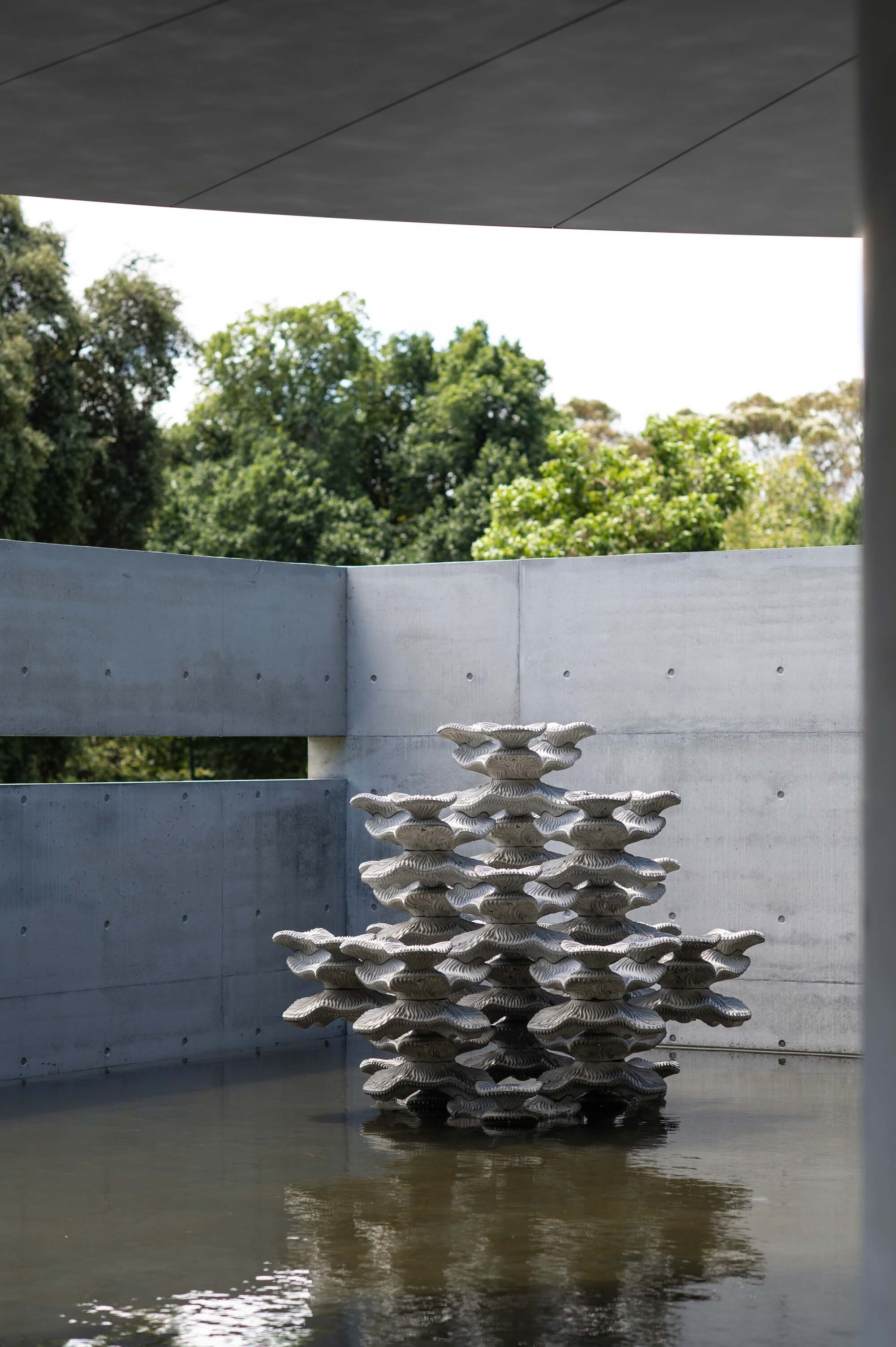
  • MARS II recreates the complex three-dimensional habitat that natural coral reefs provide. The lightweight units (~15.5kgs underwater) are cast from moulds with readily available marine grade concrete. Designed to be diver deployable, a small team can bolt the units together underwater creating structural and complex habitat. Overhangs, cavities and caves create habitat for fish and other marine life. The channelled texture offers stable surfaces where coral fragments can be planted and grown. As corals grow over the modules, the artificial structure gradually becomes engulfed and established as a living reef, replacing the systems that were lost.

  • MARS II is designed for organisations, researchers, governments, and coastal communities working to rebuild degraded reef systems. It supports institutional projects and small community-led initiatives. The system has demonstrated extensive impact through partnerships with universities and research institutions. In the Red Sea, over 5,000 units have been deployed, highlighting industrial scale re-habitation potential. A simple production methodology has empowered conservation group TRACC to produce and deploy units on the remote dynamite fished reefs of the Pom Pom Islands, Malaysia. With millions of hectares of degraded reef globally, the impact of MARS II reaches from localised projects to region-wide restoration.

  • A more ecologically tailored design, the second iteration of Reef Design Lab’s MARS system promotes more efficient coral growth. Evolving from a ceramic composite to concrete unit, the scalability of MARS II is amplified over its predecessor. Moulds were developed by combining traditional composite formwork methods with advanced 3D technology. The result is a durable two part mould design that empowers workers to rapidly reproduce units locally. The system comprises of moulds for both the main unit and the smaller end cap. Once cast, bolts are fixed through the lap joints of the units underwater, connecting the system through a stable, structural lattice.The resulting arrangement creates the foundation for a long-term habitat network; creating caves and overhangs that reach out into the water column. The structure breaks up ocean currents, cycling nutrients through a micro-ecosystem and attracting marine life. The resulting shaded zones also help improve coral survival outcomes during bleaching events due to rising ocean temperatures. MARS II’s intricate surface texture was designed to allow water to flush out sediment and aid in the capture of coral polyps and micro-organisms, promoting marine growth. Corals can either be planted directly or grown onto the smaller endcaps seeded in off-site laboratories.