LunaX™ Crosslinker — AI Powered 3D Cell Culture Redefining Drug Discovery

good-design-award_gold-winner_rgb_blk_logo
  • 2026

  • Product
    Medical and Scientific

Designed By:

Commissioned By:

Gelomics

Designed In:

Australia

More than 200-million animals are used in preclinical research annually, yet ~90% of drug candidates still fail in human trials. The LunaX™ Crosslinker is an AI-enabled benchtop instrument that generates reproducible, tuneable, human-relevant 3D tissue models in 10–15minutes, giving pharmaceutical, biotech & academic researchers an ethical, predictive alternative to animal-based workflows.
view website
Buy online

2.jpg
3.jpg
4.jpg
5.jpg
  • CHALLENGE
  • SOLUTION
  • IMPACT
  • MORE
  • Gelomics faced the challenge of translating a scientifically validated MVP into a globally compliant, manufacturing‑grade premium research instrument capable of displacing these entrenched workflows.The brief required the integration of precision optics, motion control, thermal management, software and human‑machine interaction within a compact 600 mm benchtop footprint. At the same time, the device needed to be intuitive for non‑engineers, operable with gloved hands, safe for biological samples, scalable for manufacturing, and visually credible as a flagship scientific instrument rather than improvised lab hardware.

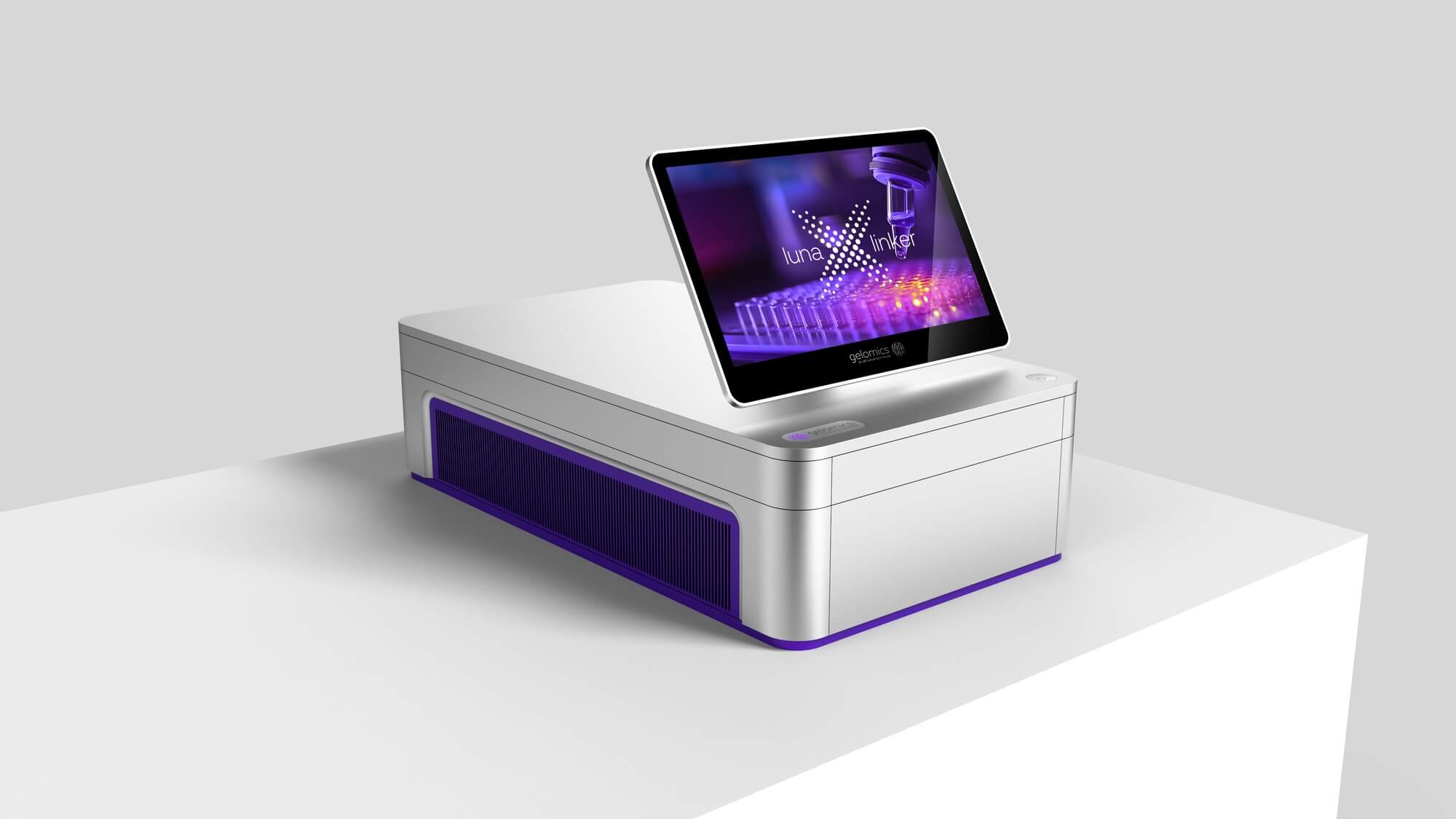
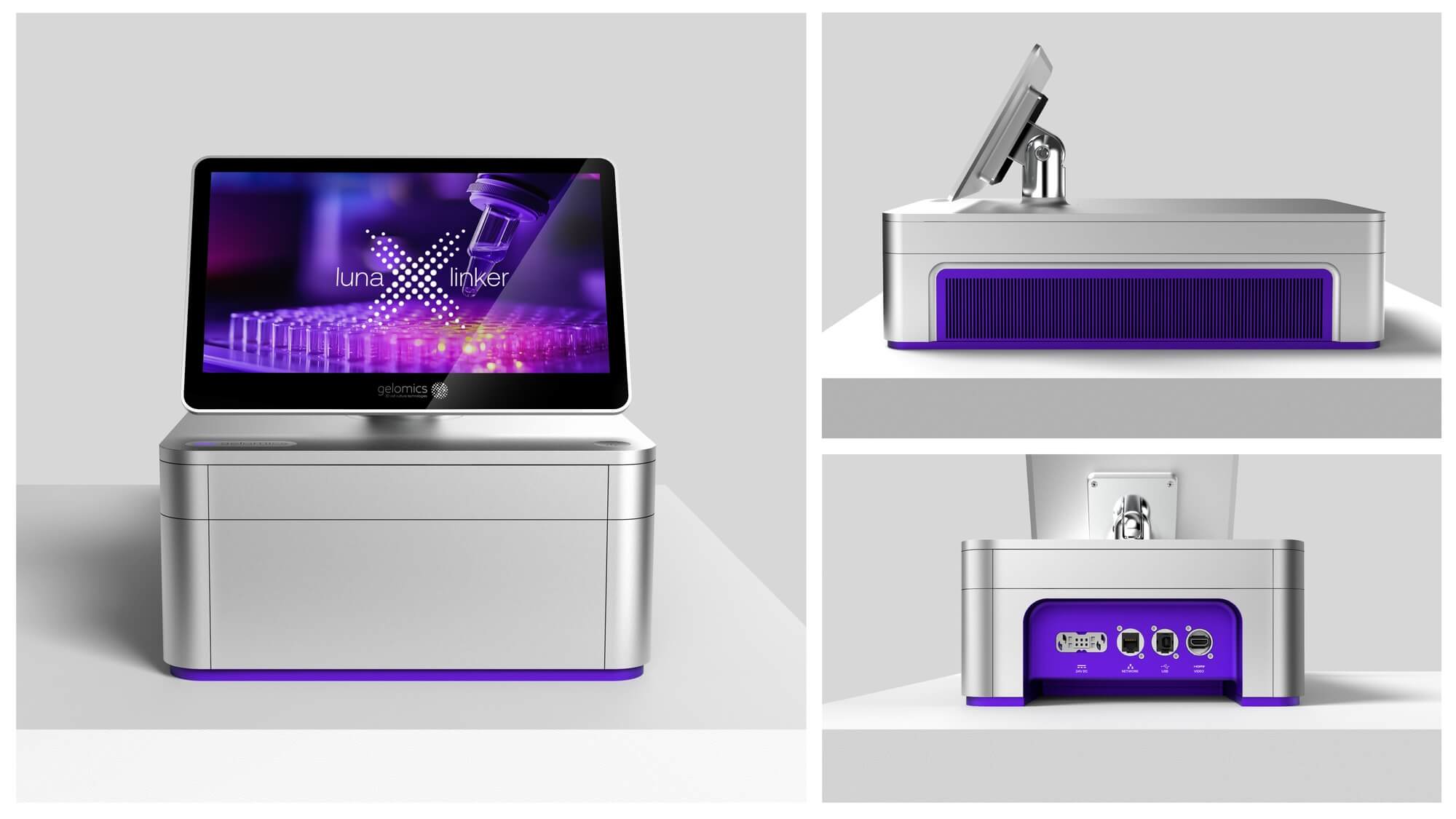
  • LunaX translates a field‑validated MVP into a commercialised research device through tightly integrated development tracks – mechanical, optical, electrical, thermal, software + UX/UI resolved in parallel to balance performance, usability & manufacturability.The design breaks conventional aesthetics, drawing on automotive & Braun‑era references to establish the product language: floating touchscreen with 15–60° tilt for gloved, seated or standing use; motorised slide‑out tray combining access door & drawer into a single action; and anodised aluminium surfaces with violet accents aligned to the 405nm cure wavelength. Sheet‑metal ducting isolates optics + electronics, snap‑fit construction, DFM/DFA principles & a ‘guided’ UX/UI workflow enhance simplicity of this globally compliant commercial platform.

  • LunaX™ reduces 3D tissue model preparation by 80%, delivering human-relevant results in 10–15 minutes and addressing an industry losing over US$100 billion annually to candidates that pass animal tests but fail in humans. An 80%+ demo-to-sale conversion rate across 22 countries from MVP to February 2026 launch confirms genuine step-change demand. Aligned with FDA Modernization Act 2.0, LunaX provides a scalable, ethical alternative to animal testing. Manufactured in Australia under triple ISO certification, it supports 70+ high-value local jobs over five years, demonstrating that Australia is a hub of world‑class research where innovation takes shape.

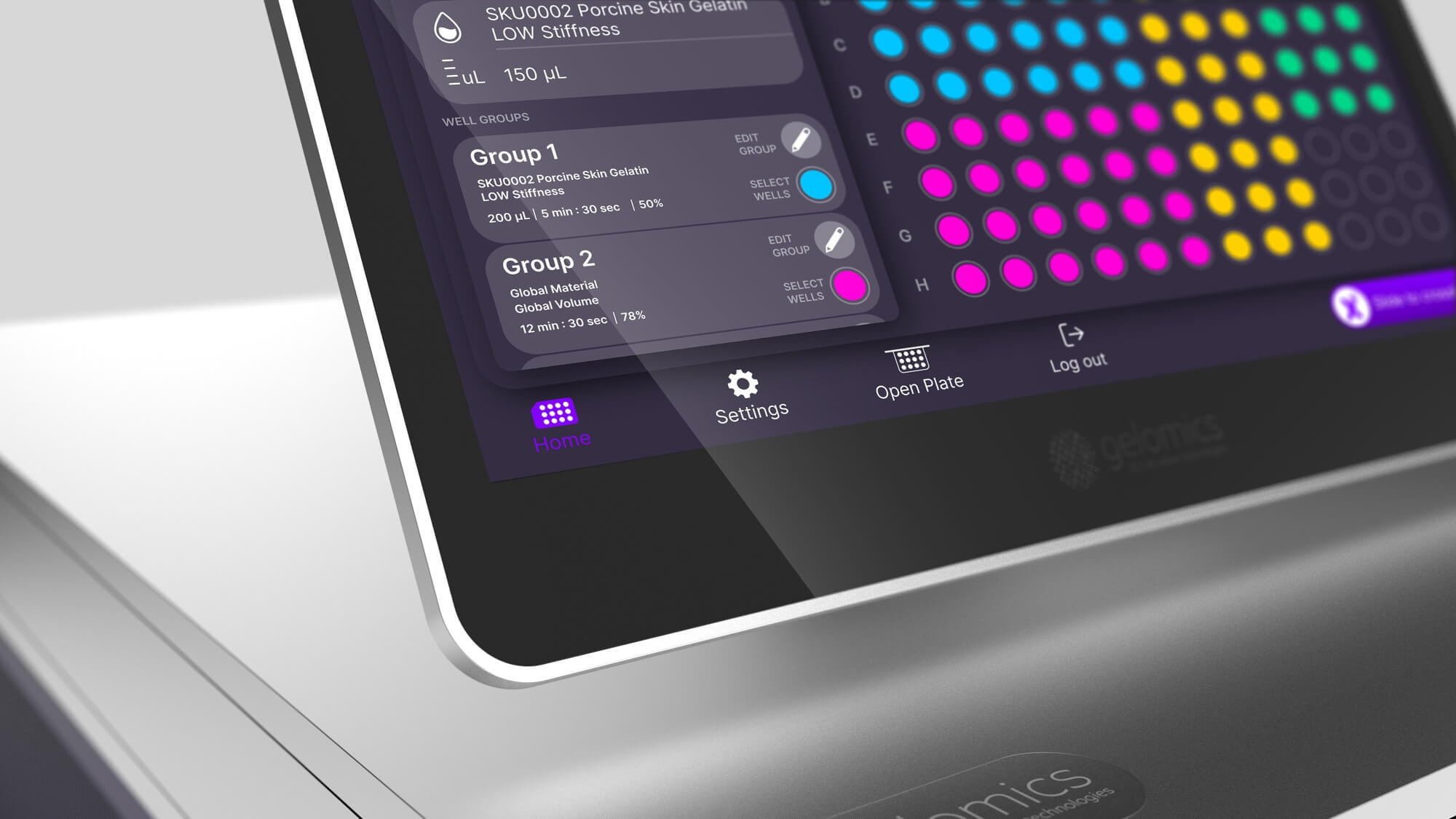
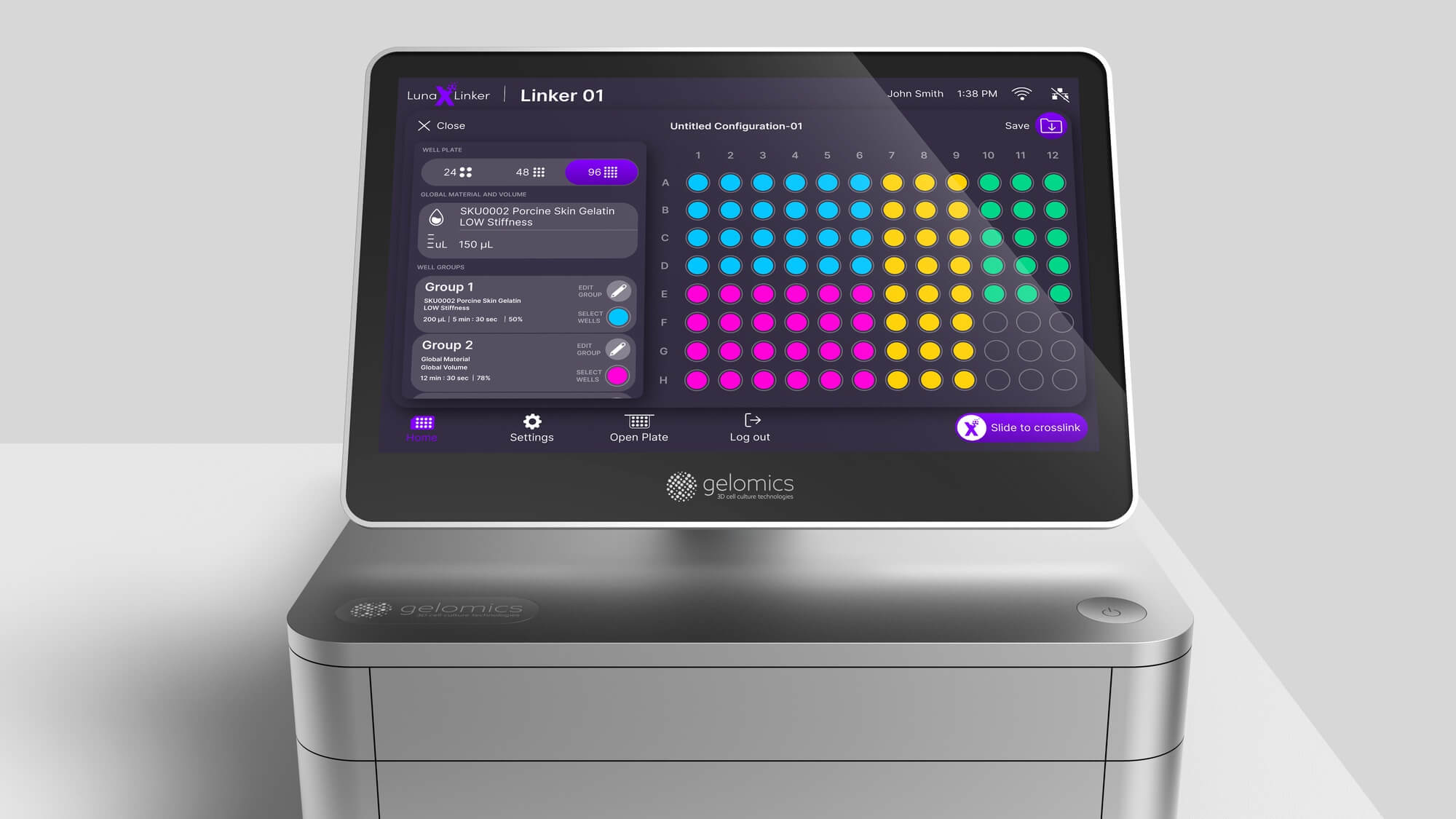
  • LunaX™ is built around an AI-first workflow. Cloud-based machine learning, developed through the Google for Startups accelerator, integrates literature review, experimental design, execution and analytics in one platform, delivering up to 60% faster data analysis and reducing the trial-and-error that has long slowed 3D tissue culture research.Underpinning that workflow is world-first hardware. Provisional patent applications, intended for PCT and national filings across major jurisdictions, cover two core innovations: a multi-zone well-plate architecture enabling true per-well photopolymerisation control, and a masked optical subsystem using laser-cut acrylic to eliminate inter-well light bleed, achieving greater than 95% stiffness precision. Together they allow multiple tissue conditions simultaneously within a single plate, previously impossible at bench scale.The choice of 405nm visible light over UV eliminates cellular stress and DNA damage, setting a new cytocompatibility benchmark. Three custom LED arrays with active cooling maintain samples within 5°C of ambient.A motorised drawer delivers ±0.5mm positioning accuracy across 24-, 48- and 96-well formats in a single loading motion, eliminating a separate access door. The 11.6" capacitive touchscreen tilts from 15–60°, operates in laboratory gloves, and follows dark-mode medical-imaging conventions throughout.