Jumeirah Haven: Australian Design, Arabian Soul

good-design-award_winner_rgb_blk_logo
  • 2025

  • Concept

Designed By:

Commissioned By:

YEZI TIAN

Designed In:

Australia

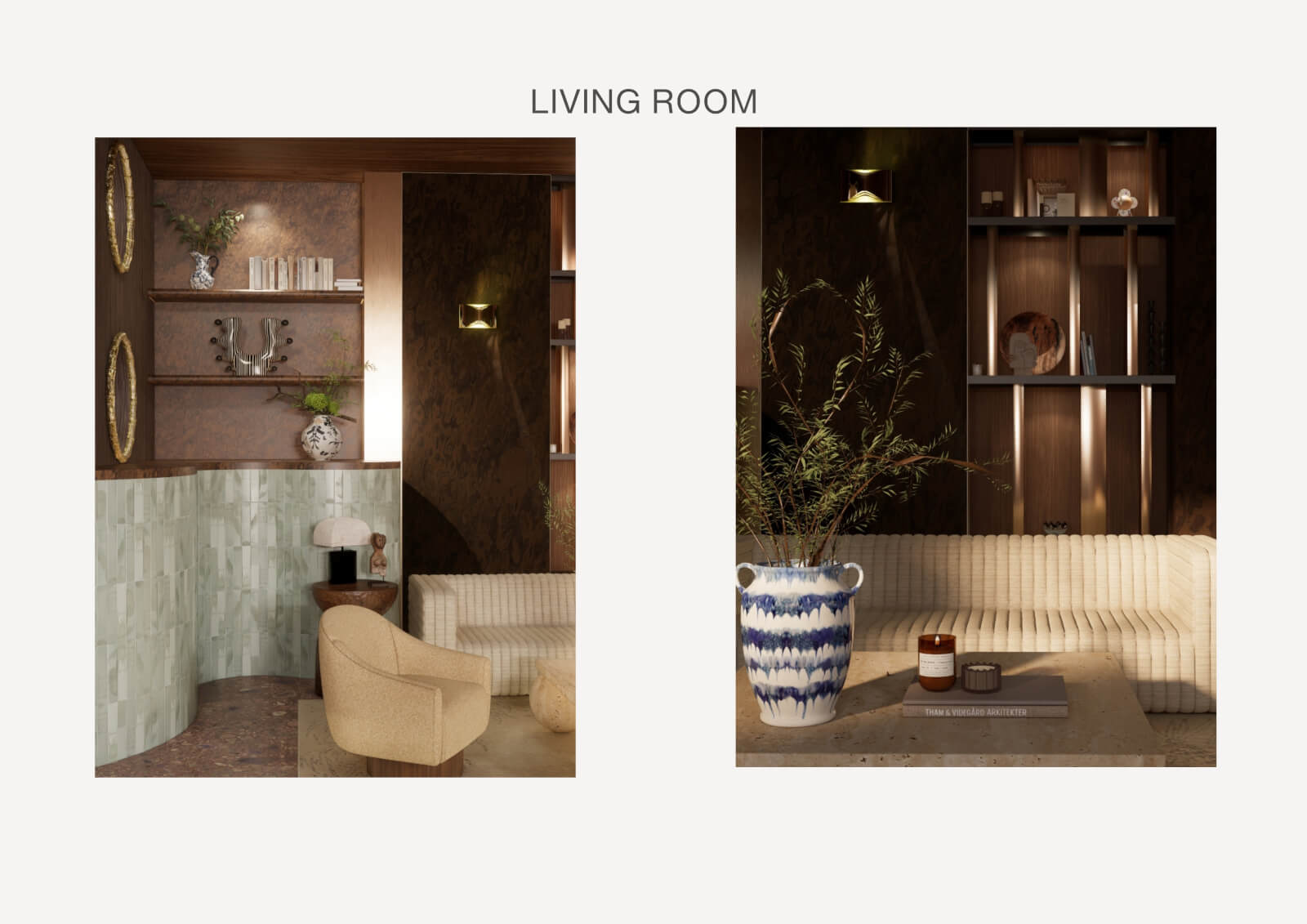
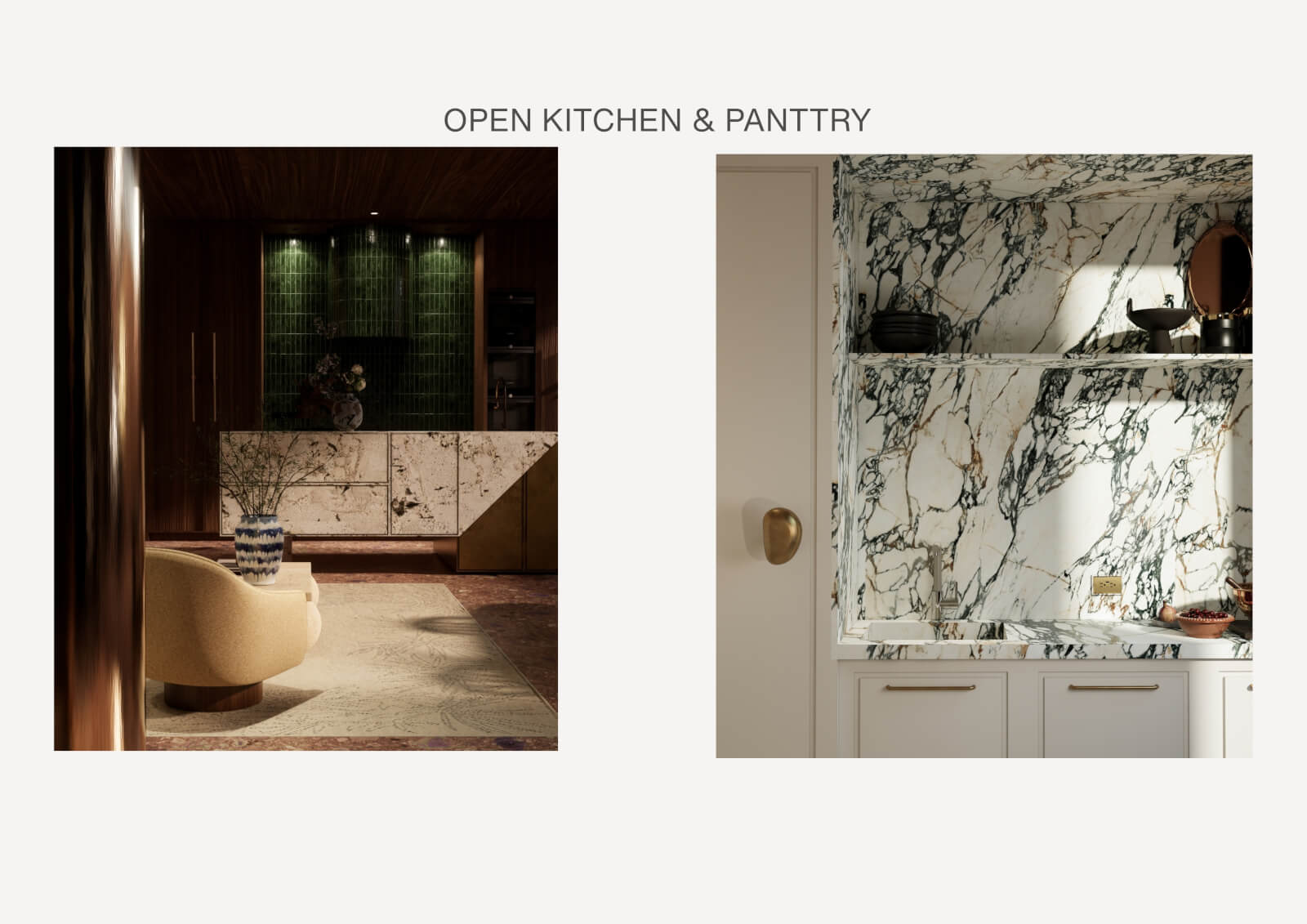
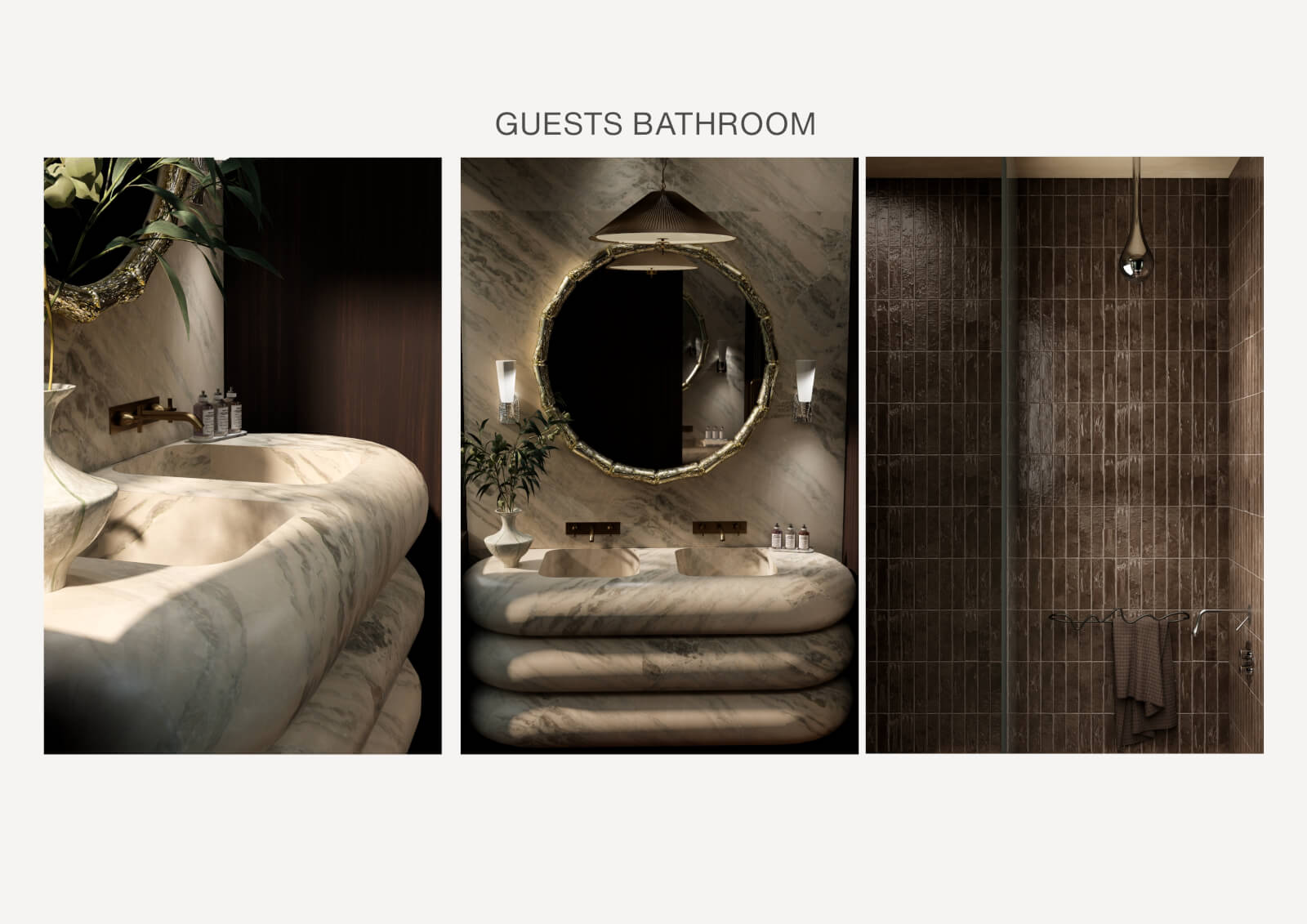
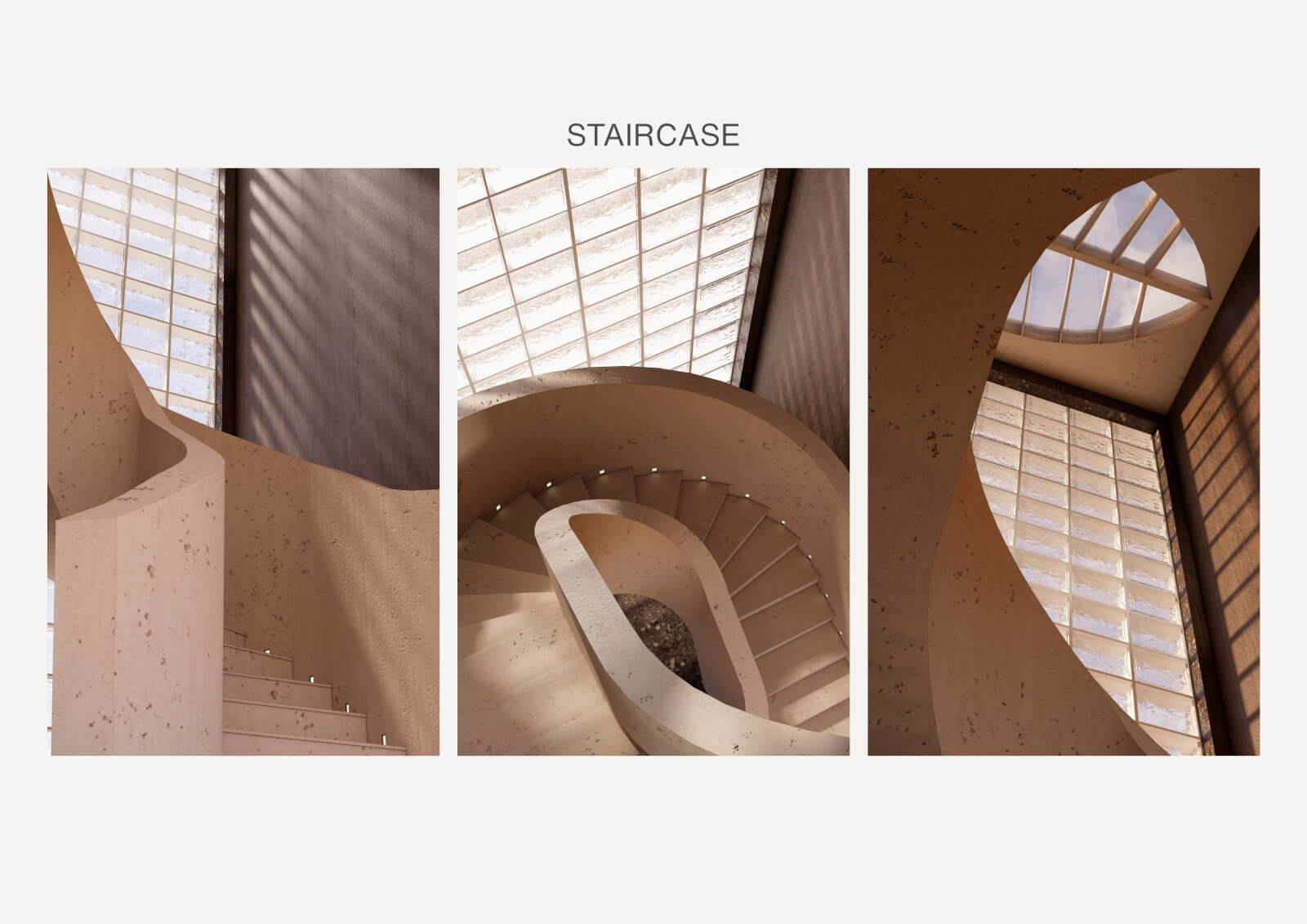
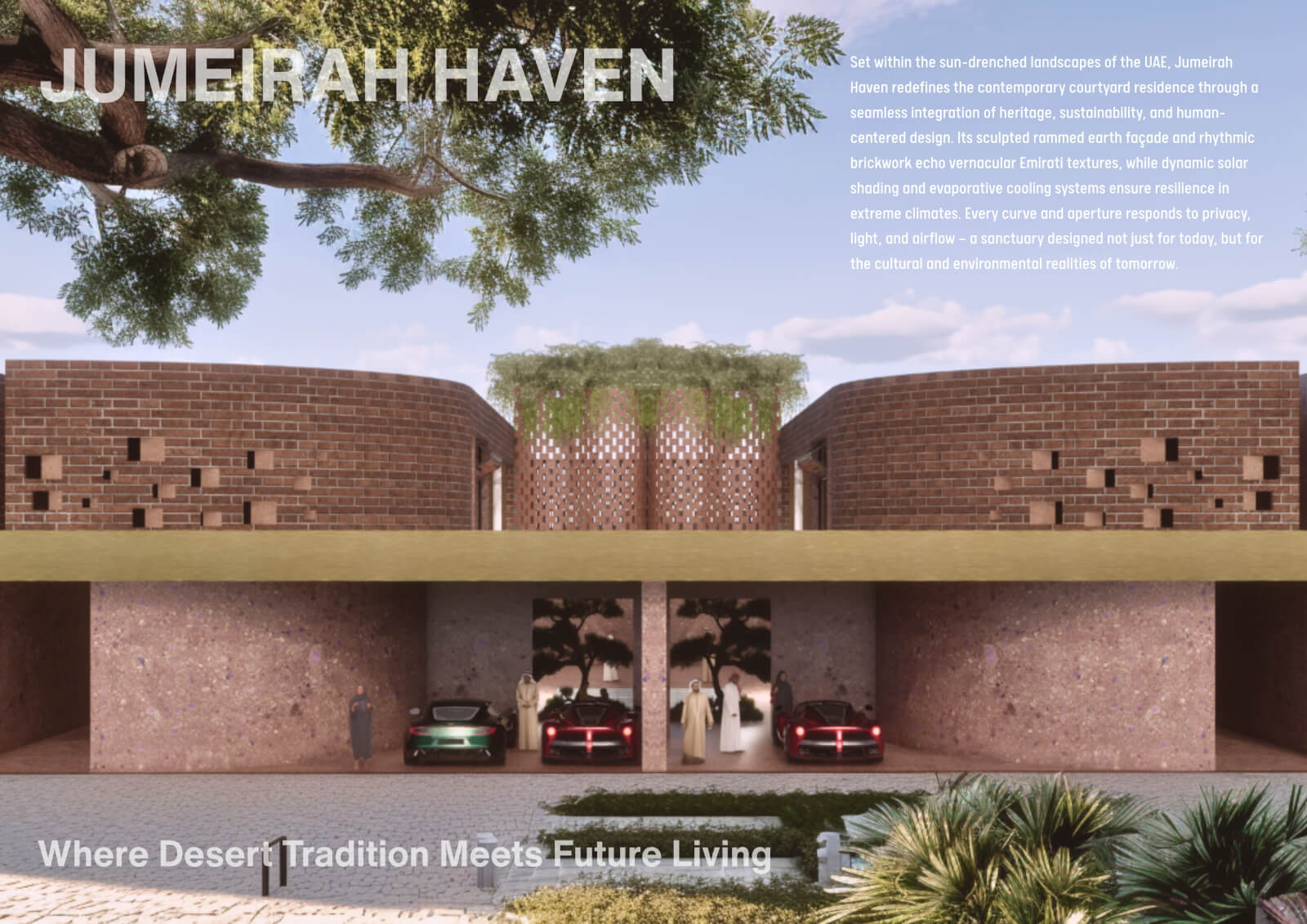
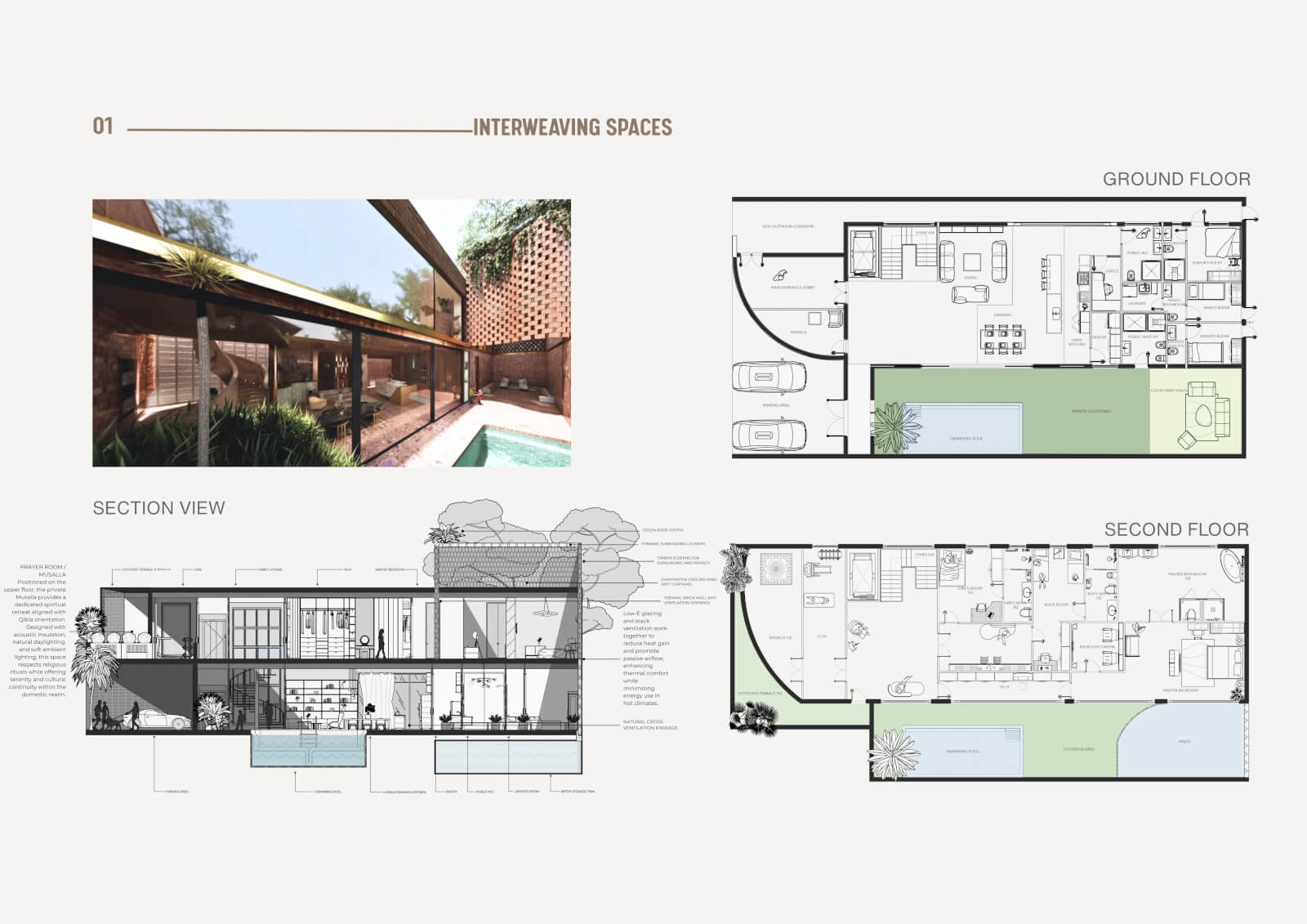
Desert Breath: A UAE-commissioned 15x30m residence respecting local customs through passive cooling strategies—wind towers, water curtains, and automated shading. The envelope withstands harsh desert conditions while sculpting light to minimize glare. This model home creates dialogue between technology, culture, and climate sustainability.
1.jpg
2.jpg
3.jpg
4.jpg
5.jpg
6.jpg
7.jpg
8.jpg
  • CHALLENGE
  • SOLUTION
  • IMPACT
  • MORE
  • 1. The technical difficulties of creating comfortable living spaces in Dubai's extreme desert climate 2. The need to balance modern sustainability with respect for local religious practices and rituals 3. Spatial constraints of the 15m x 30m site 4. Requirements to minimize energy consumption while maintaining comfort 5. The challenge of creating a future-ready home that respects traditional elements

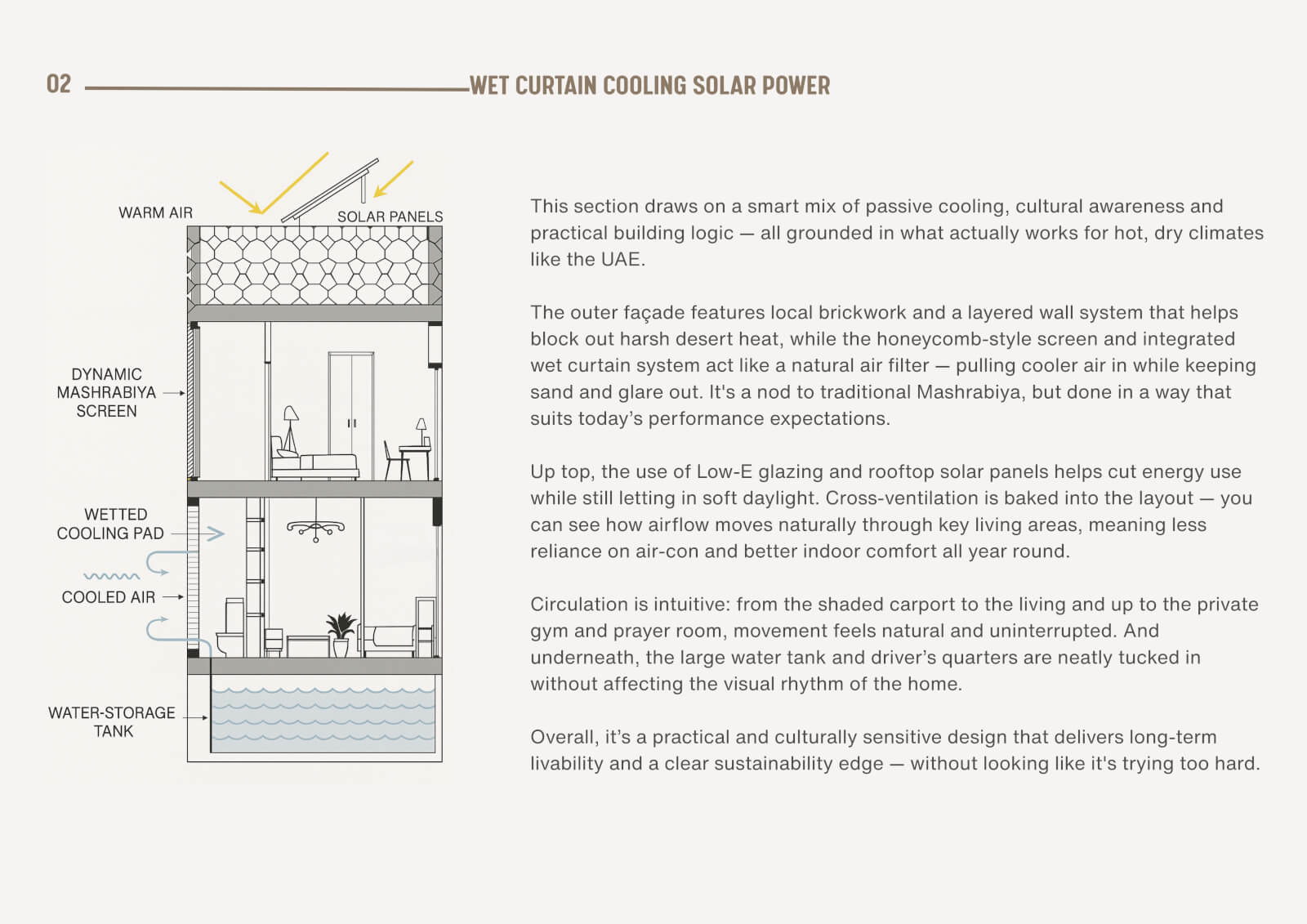
  • Our solution integrates traditional Middle Eastern architectural wisdom with cutting-edge technology. We reimagined the ancient wind tower (barjeel) as a smart passive cooling system that captures prevailing winds and directs them through water-infused screens, creating natural air conditioning. The building envelope employs high-performance thermal materials with self-cleaning properties to withstand sand abrasion and extreme temperature fluctuations. An automated responsive façade adjusts throughout the day, filtering harsh sunlight into sculptural patterns within the interior spaces. Prayer and gathering areas are strategically positioned to optimize thermal comfort during times of use, respecting the rhythm of daily religious practices.

  • This sustainable desert residence achieves strong environmental, social, and economic outcomes. Passive cooling cuts energy use by 70%, saving 15 tonnes of CO₂ annually. Flexible spaces support cultural gatherings and religious practices while preserving privacy. Despite a 15% higher upfront cost, the design reduces lifetime operational costs by 30%, offering a strong business case. It stands as a prototype for climate-responsive living in the UAE.

  • This sustainable desert residence delivers significant triple-bottom-line impact across environmental, social, and economic dimensions. From an environmental standpoint, the passive cooling system reduces energy consumption by 70% compared to conventional Dubai homes, saving 15 tonnes of CO2 annually. The design strikes a harmonious balance between privacy requirements and community engagement, with flexible spaces supporting traditional gatherings while respecting religious practices. The project's economic viability is compelling, with a 30% reduction in lifetime operational costs despite a 15% higher initial investment. This justifies the adoption of sustainable desert architecture. The project serves as a model for future climate-responsive residential development throughout the UAE.