DIATOMA; A Robotically Fabricated Biomimetic Lightweight Structure

good-design-award_gold-winner_rgb_blk_logo

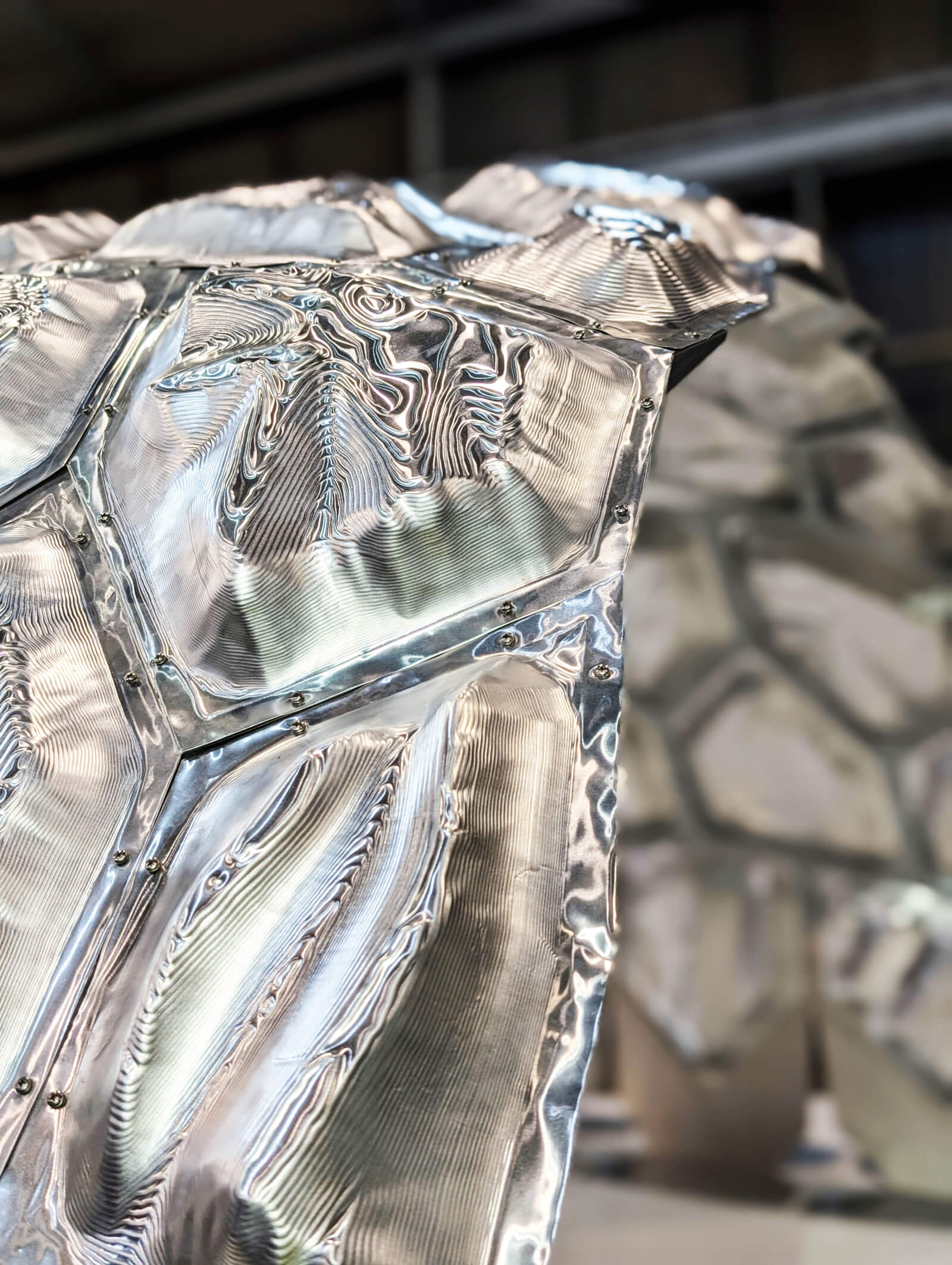
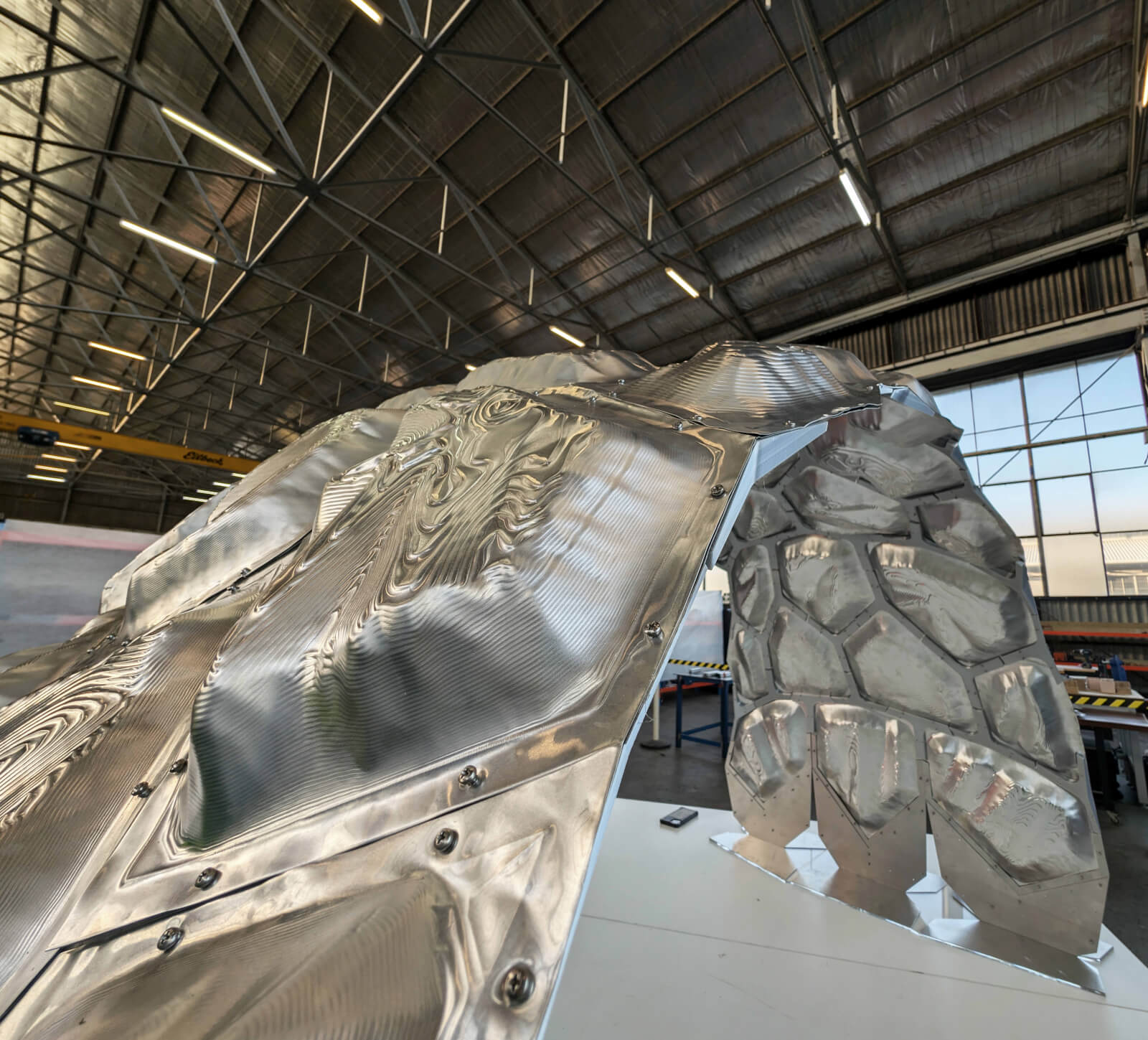
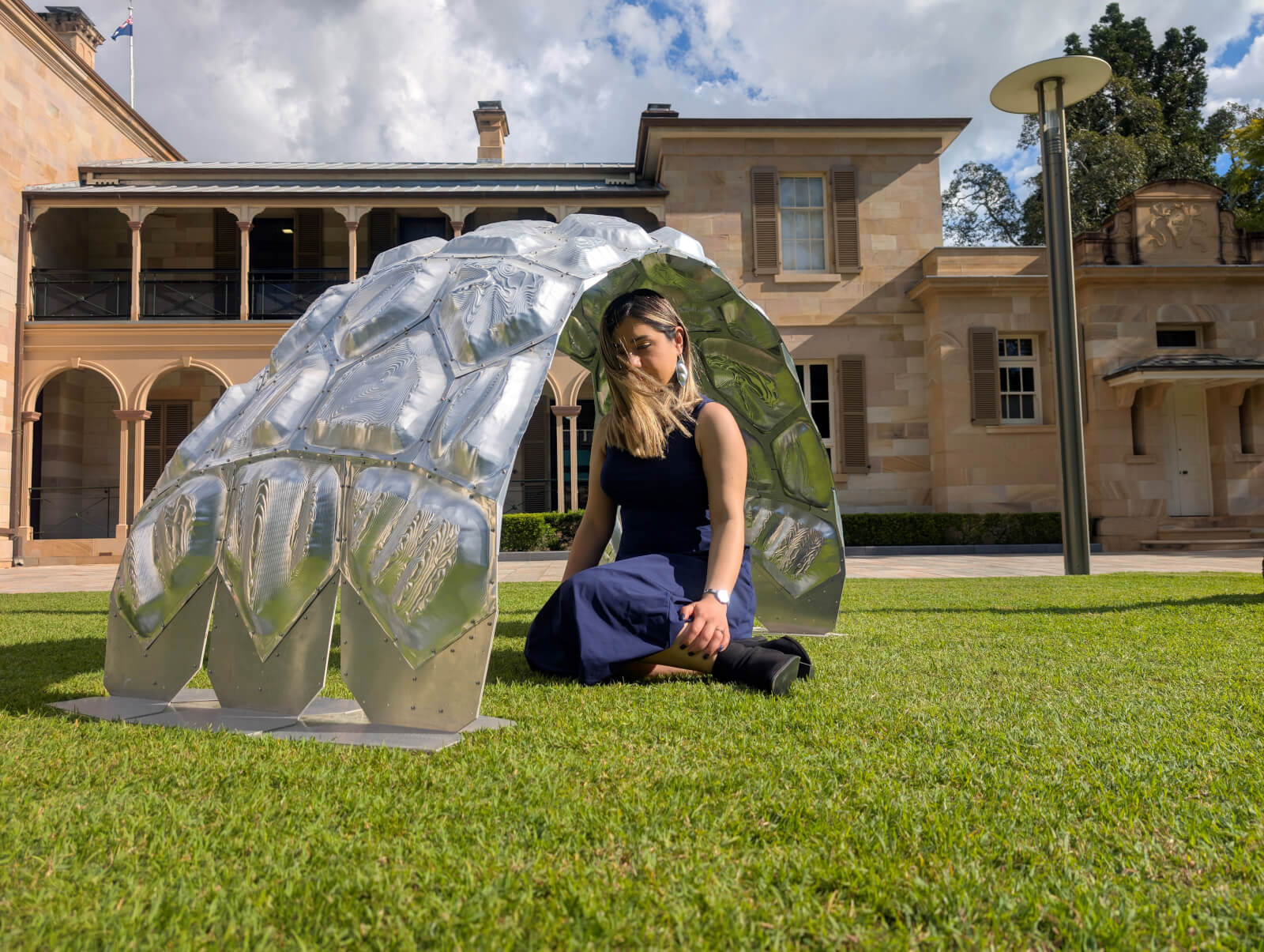
DIATOMA is a self-supporting, vaulted pavilion that exhibited a lightweight, non-standard architecture through biomimetic design, computational workflows, and robotic fabrication. It demonstrates how nature, technology, and material efficiency converge to create beautiful, high-performance free-form structure, challenging conventional design and fabrication approaches and shaping the future of sustainable construction.
view website

1.jpg
2.jpg
3.jpg
4.jpg
5.JPG
6.jpg
7.jpg
8.jpg
9.jpg
  • CHALLENGE
  • SOLUTION
  • IMPACT
  • MORE
  • The construction industry faces major challenges in reducing material waste and enhancing fabrication efficiency, particularly in non-standard architecture. Many organic forms lack structural function, relying on heavy substructures that increase material consumption. Additionally, traditional forming methods require costly molds, making customization inefficient and environmentally unsustainable. Robotic fabrication offers new possibilities, but its adoption to real world applications are limited due to unknown material performance, complexity of techniques, costs and safety concerns. Addressing these challenges requires a new approach that is more explorative and inspired by naturewhich also integrates structural efficiency, fabrication-aware design, and material optimization from the start.

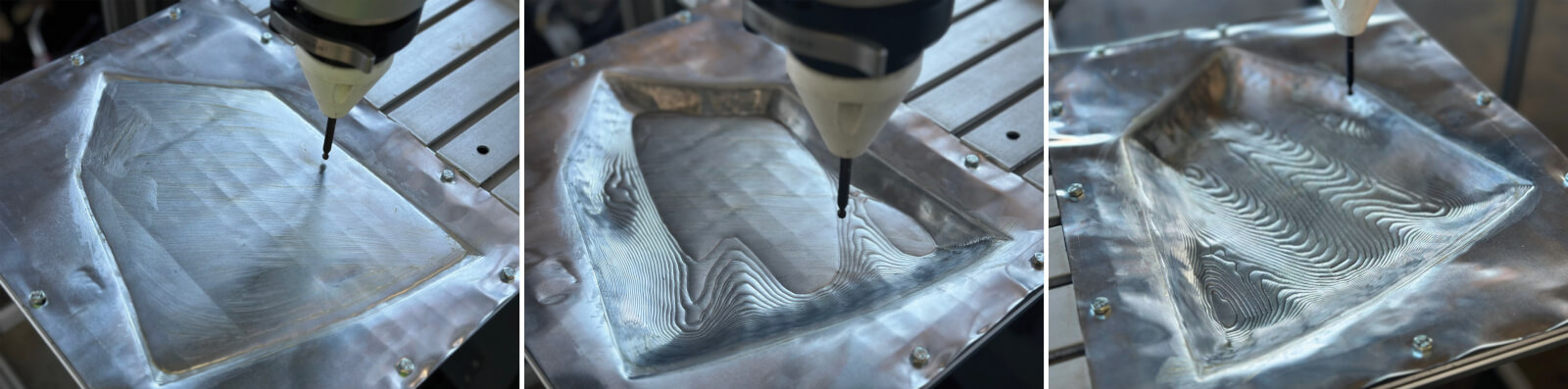
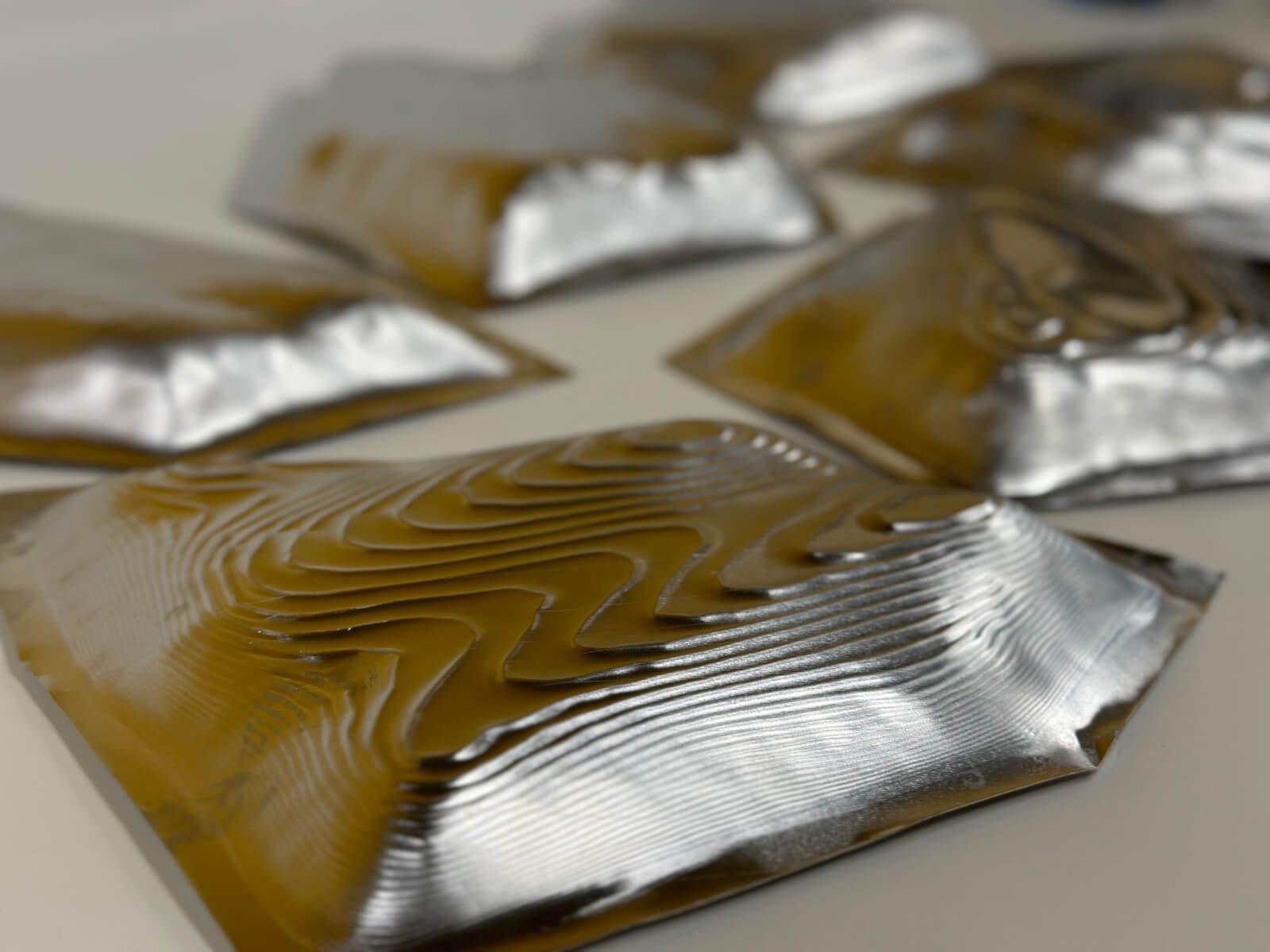
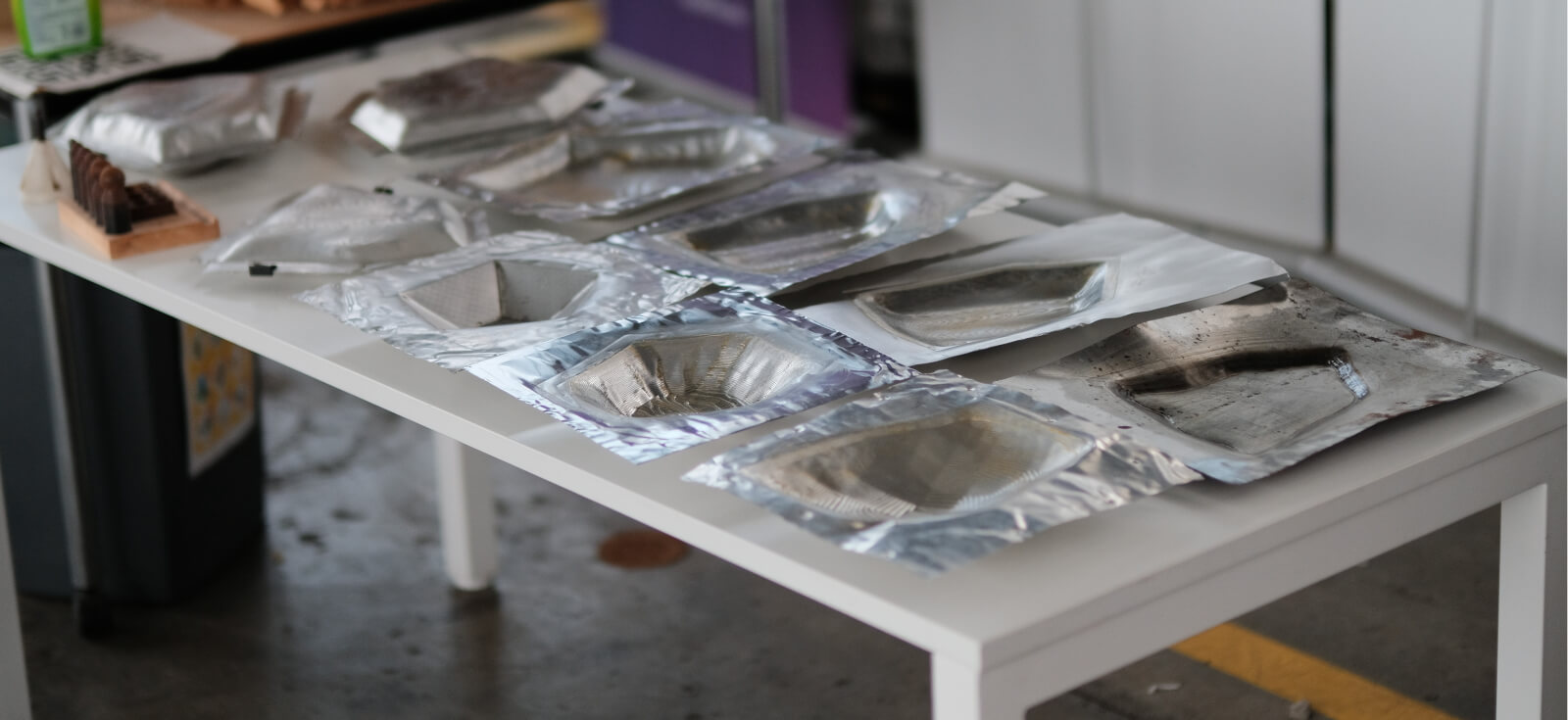
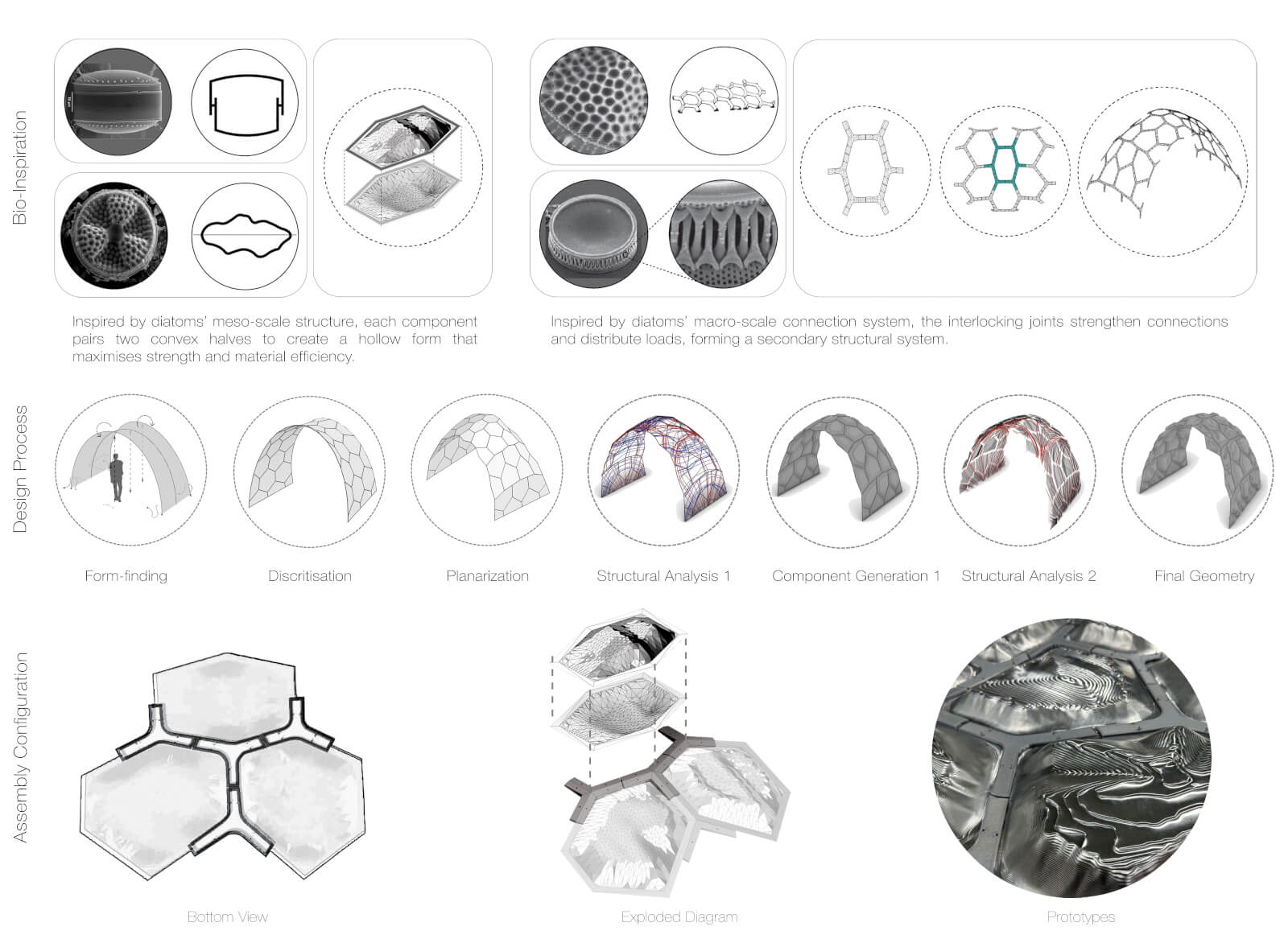
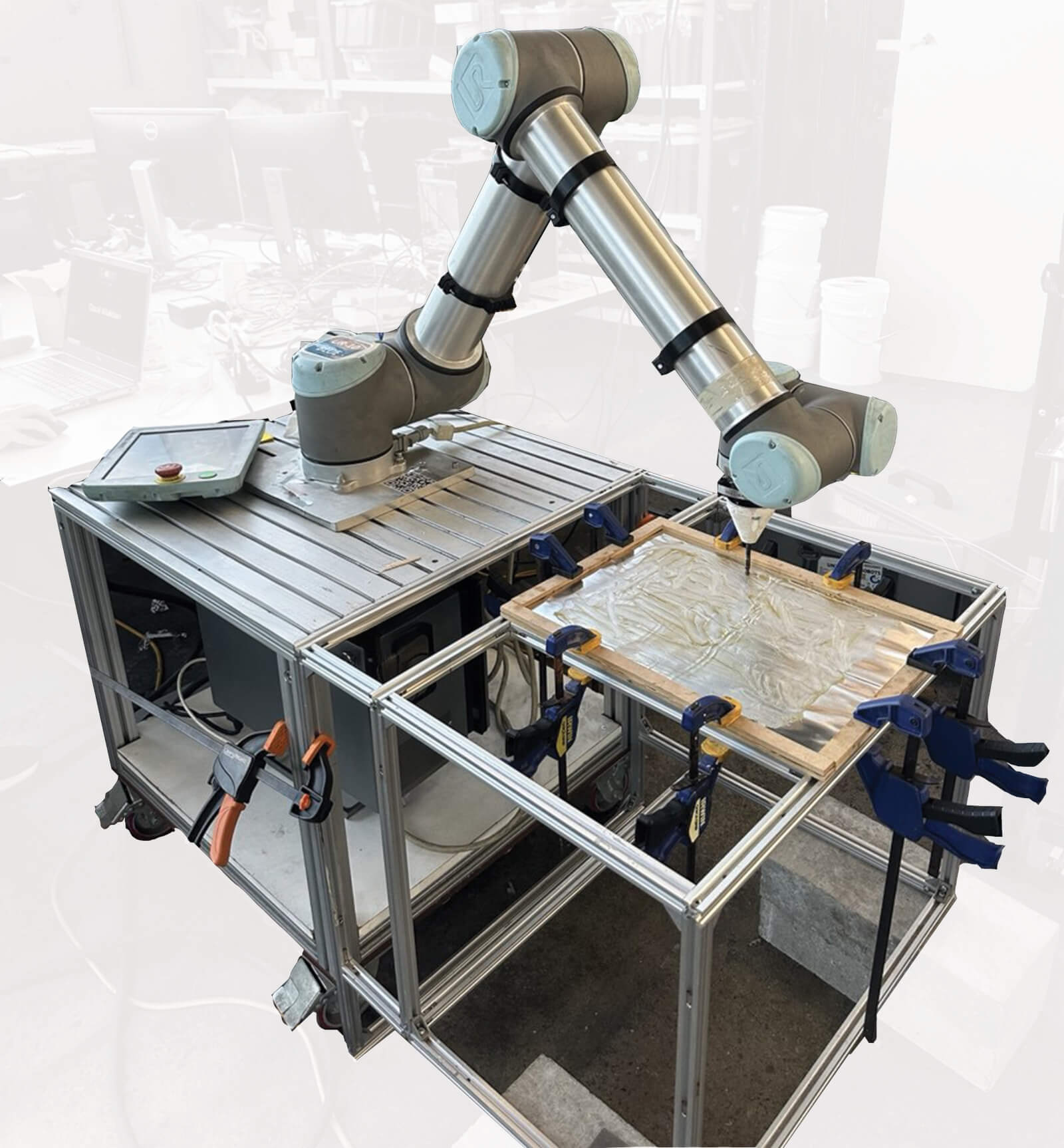
  • Nature has evolved solutions over 3.8 billion years, optimizing material efficiency. DIATOMA draws inspiration from diatoms, microscopic algae with lightweight yet strong exoskeletons, translating their structural logic into architectural design principles. A biomimetic parametric design to robotic fabrication workflow was created, integrating fabrication and material constraints from the outset, to ensure a hollistic approach. Using Robotic Incremental Sheet Forming (RISF), thin aluminum sheets were shaped into non-standard components with minimal waste. Instead of post-fabrication corrections, the design iteratively adapted to material behavior, ensuring precision and efficiency. This holistic approach redefines architectural fabrication by seamlessly integrating design, material, and fabrication constraints.

  • DIATOMA is a biomimetic, self-supporting structure that merges design excellence and sustainability through resource efficiency and adaptability. Its nature-inspired form is visually striking, versatile, and accessible, seamlessly adapting to diverse sites and cultural contexts. Commercially, it reduces material, labor, and production costs, offering a viable, mold-free fabrication method with rapid customization. Environmentally, it optimizes material use and eliminates disposable molds, lowering construction’s ecological footprint. Societally, its offsite fabrication enable deployment in varied conditions, making sustainable design more accessible. By leveraging digital fabrication, DIATOMA promotes a more inclusive workforce, empowering women in construction while advancing high-performance façades and deployable pavilions.

  • DIATOAM reimagines architectural design by merging nature-inspired efficiency, computational design, and robotic fabrication. Inspired by diatoms—microorganisms with ultra-light yet strong structures—DIATOMAcreates a self-supporting, material-efficient form without relying on traditional molds or heavy substructures. Instead, it employs RISF to shape thin aluminum sheets, significantly reducing material waste and eliminating costly formwork. The form of DIATOMA emerges from an interplay of natural principles, design brief, structural analysis, and fabrication constraints, demonstrating a flexible design workflow. This adaptive system allows the outcome to be updated for various forms and applications. A key innovation is its customized 3D-printed joint system, ensuring structural stability, seamless assembly and disassembly, and tolerance for fabrication inaccuracies. The design evolves through computational modeling, digital simulations, and iterative prototyping. Comprising 39 unique, discretized components, DIATOMA highlights the potential for material-efficient customization, optimized for lightweight performance and efficient assembly. By integrating material efficiency, biomimicry, structural intelligence, and advanced fabrication, DIATOMA presents a new paradigm in architecture—where design, material use, and technological innovation merge to shape the future of sustainable construction. Like the diatoms that inspire it, DIATOMA achieves strength through delicacy, resilience through adaptation, and beauty through efficiency, proving that the most elegant solutions are those shaped by nature itself.