Designing the Melbourne Next Generation G Class Trams

good-design-award_gold-winner_rgb_blk_logo
  • 2026

  • Product
    Automotive and Transport

Designed By:

Commissioned By:

Victorian Government

Designed In:

Australia

A clear client-led vision guided the project: For Alstom to design a modern, inclusive and energy‑efficient tram that can operate without restriction across Melbourne’s network. The G Class Next Generation train was shaped through a deeply people‑centred, co‑design process in partnership with the Victorian Government and over 1,000 external stakeholders.
view website

2.jpg
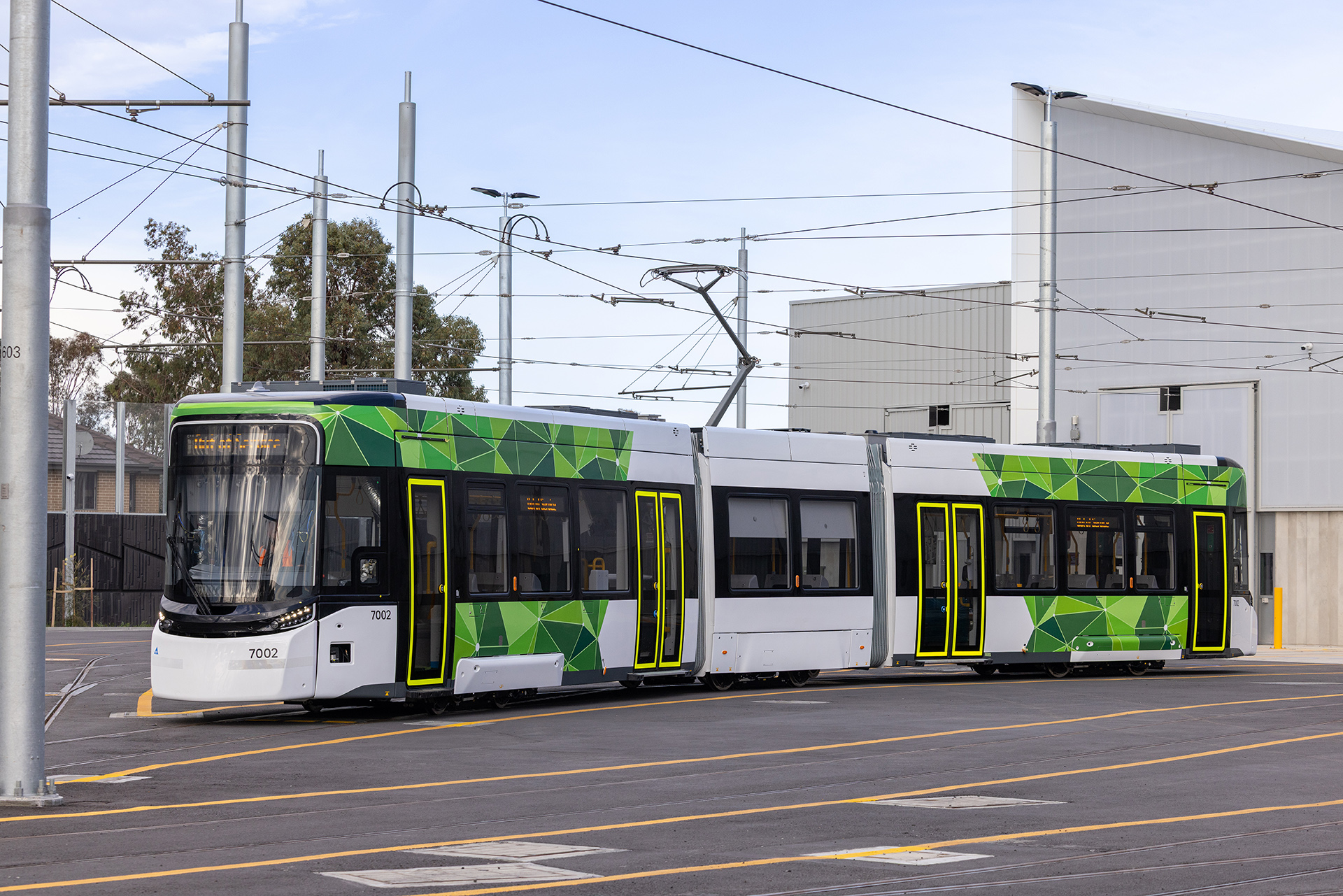
G Class Next Generation Tram built by Alstom (image credit: Rail Gallery)
3.jpg
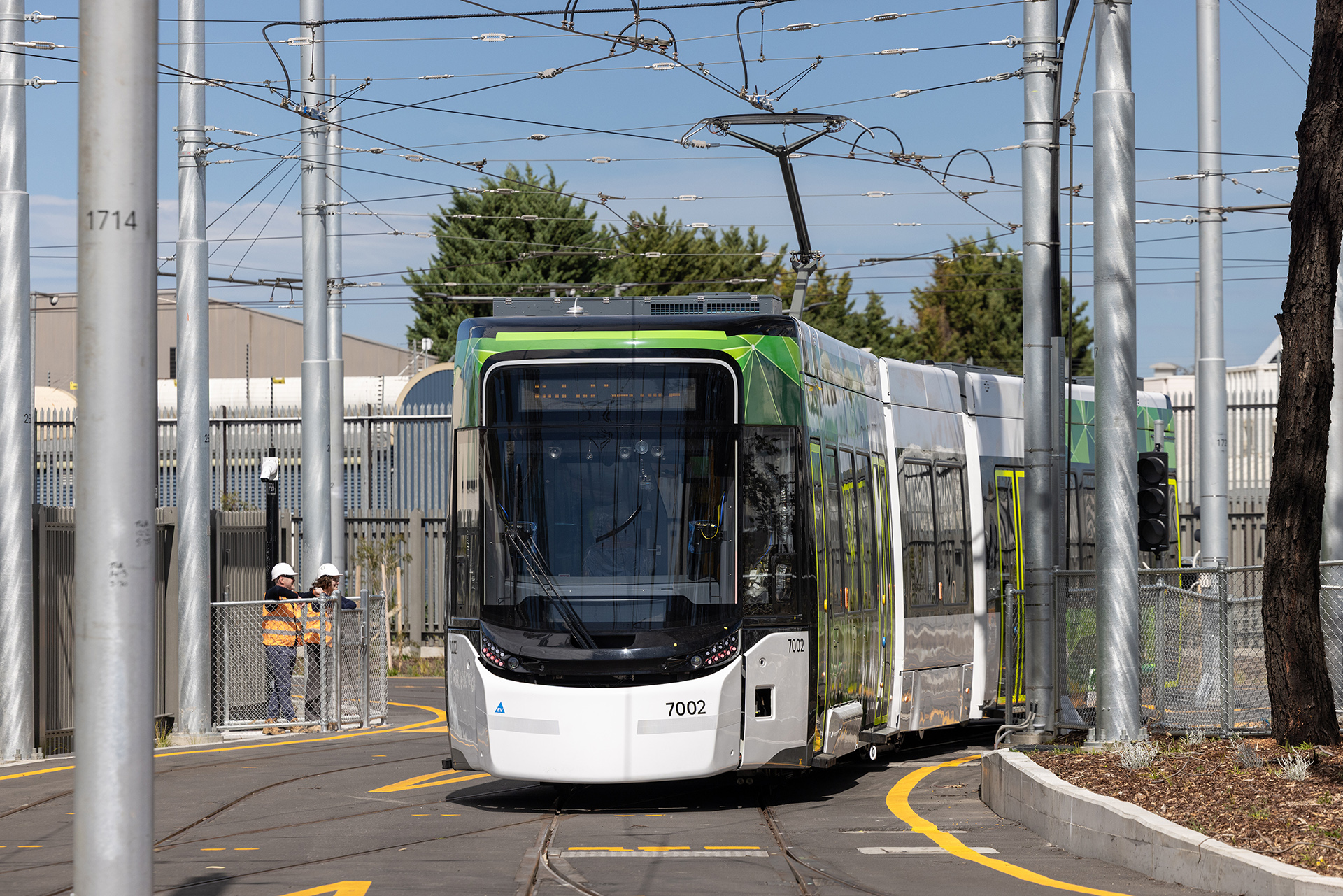
G Class Next Generation Tram built by Alstom (image credit: Rail Gallery)
4.jpg
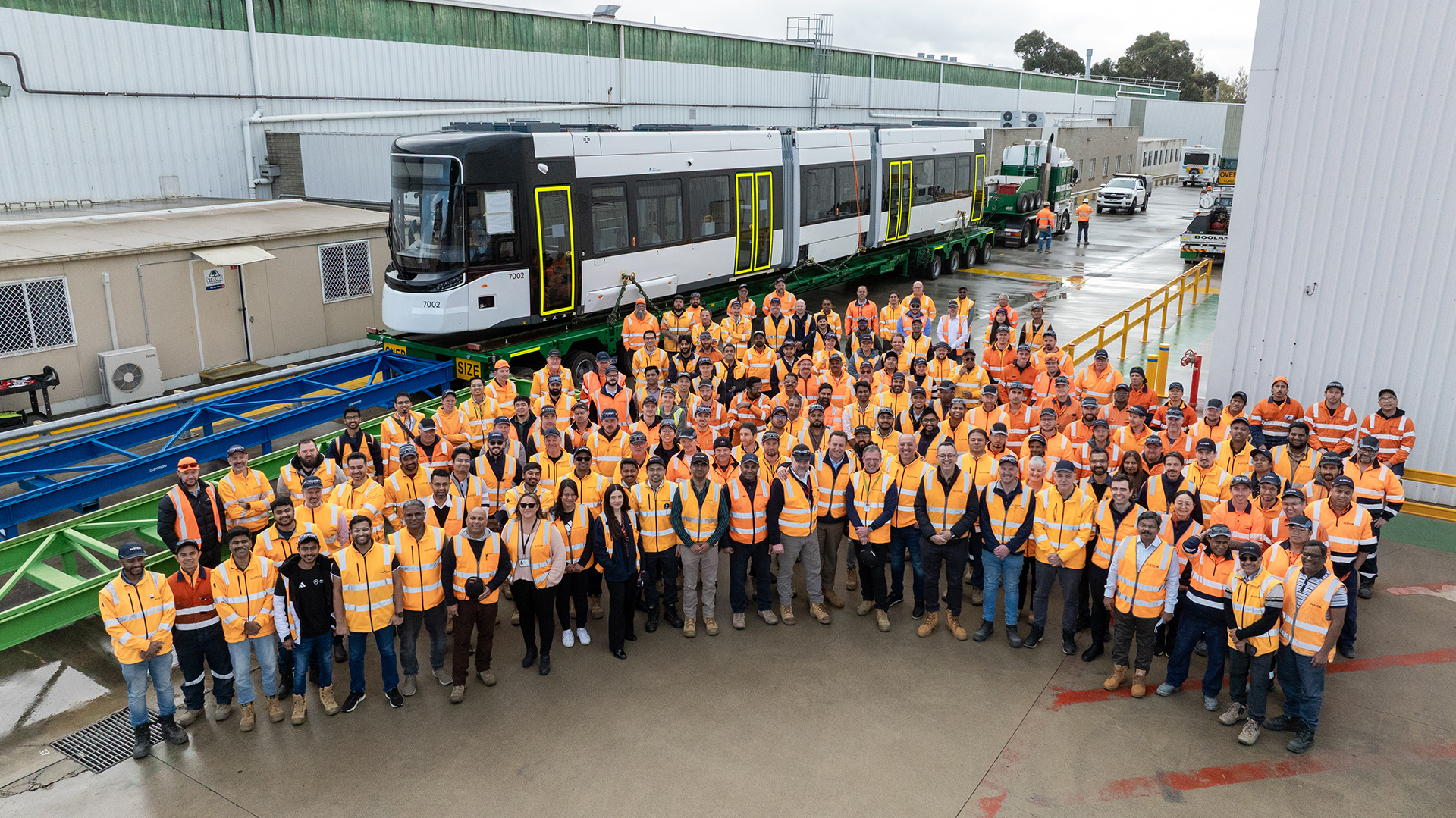
G Class Next Generation Tram built by Alstom (image credit: Rail Gallery)
  • CHALLENGE
  • SOLUTION
  • IMPACT
  • MORE
  • Design innovation in the G Class lies in synthesising comprehensive client requirements and diverse stakeholder needs into a tram able to run across Melbourne’s operating network, without compromising accessibility, safety or reliability.Stakeholder insights directly informed design decisions, resulting in more than 60 defined changes during development, with almost half of these improving accessibility and usability. Lessons from the earlier E Class program (2010-2021) were also combined with Alstom’s proven FLEXITY 2 platform and detailed local network studies.The outcome is a Melbourne‑specific tram configuration that balances accessibility, capacity, operational performance, maintainability and whole‑of‑life value.

  • The exterior design is conceived as part of Melbourne’s streetscape, with confident contemporary geometry aligned with the city’s bold architectural language. The cab front form is shaped to optimise driver visibility and to meet the latest crashworthiness and pedestrian safety standards. Integrated livery and clean lines ensure strong visual continuity across the network.Inside, a calm and legible interior features high ceilings, expansive glazing and a restrained material palette. Strong visual contrast, consistent geometry and clearly defined priority areas support intuitive wayfinding and reduce passenger anxiety, while respecting Melbourne’s urban context from both street‑level and elevated viewpoints.

  • Accessibility: Enables retirement of high‑floor trams and expands accessible services, improving equity for people with disabilities. Passenger experience: Faster boarding, quieter operation and improved interiors enhance comfort and perceived safety.Environmental performance: Targeting ~40% less energy per passenger than older fleets through efficient traction and energy recovery. Economic impact: 65% local content and long‑term maintenance reinforce Victoria’s rolling‑stock ecosystem, supporting up to 1,900 jobs. Network integration: Enabling works on Routes 57, 59 and 82, with the tram designed for Melbourne’s network. Exemplar value: Demonstrates how a human‑centred, co‑designed tram on a proven platform can lift accessibility, sustainability and passenger satisfaction.

  • Design innovation in the G Class lies in synthesising comprehensive client requirements and diverse stakeholder needs into a tram able to run across Melbourne’s operating network, without compromising accessibility, safety or reliability. In response to the client’s early contractor involvement process, Alstom was able to customise an existing vehicle platform combined with proven sub-systems into a bespoke but robust offering. Extensive co‑design, including full‑scale mock‑up testing, informed over 60 design refinements, with over 1,000 inputs. Almost half of the design refinements have improved accessibility outcomes. Driver‑led cab development refined layout, visibility, controls, seat adjustability, cab size and communication windows, shaped through long‑term driver user groups specific to Melbourne operations. Passenger‑centred interior architecture evolved through feedback on lighting colour temperature, floor contrast, ramp visibility and reduced visual clutter, improving comfort and legibility. Optimised passenger flow achieved through innovative door arrangements, seating flexibility and refined stanchion layouts within a short vehicle length. Integration of energy‑optimised systems, including on‑board energy storage for braking energy recovery, reduces network power demand and operational emissions.