BIOBUOY

good-design-award_winner_rgb_blk_logo
  • 2026

  • Next Gen

Designed By:

Designed In:

Australia

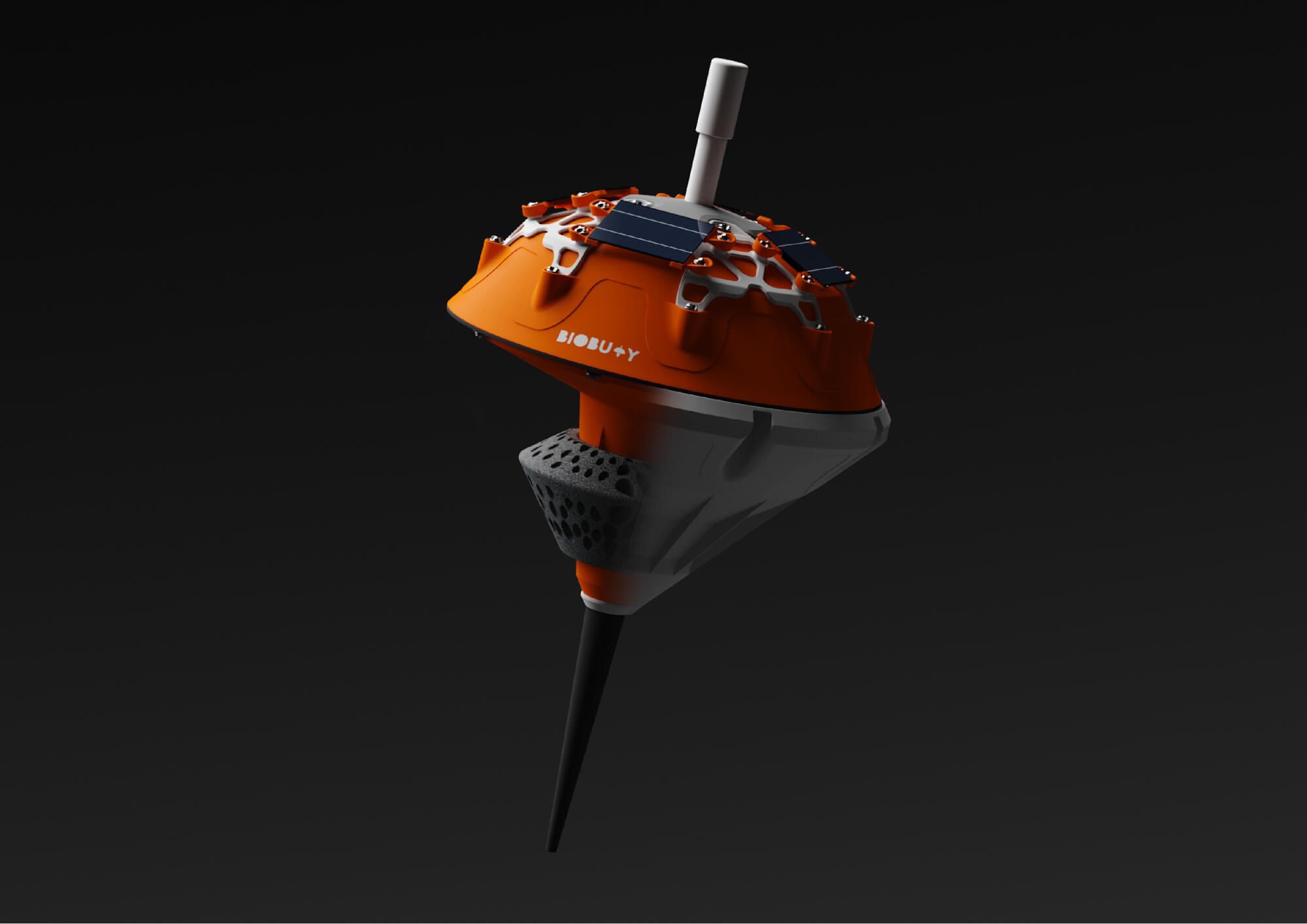
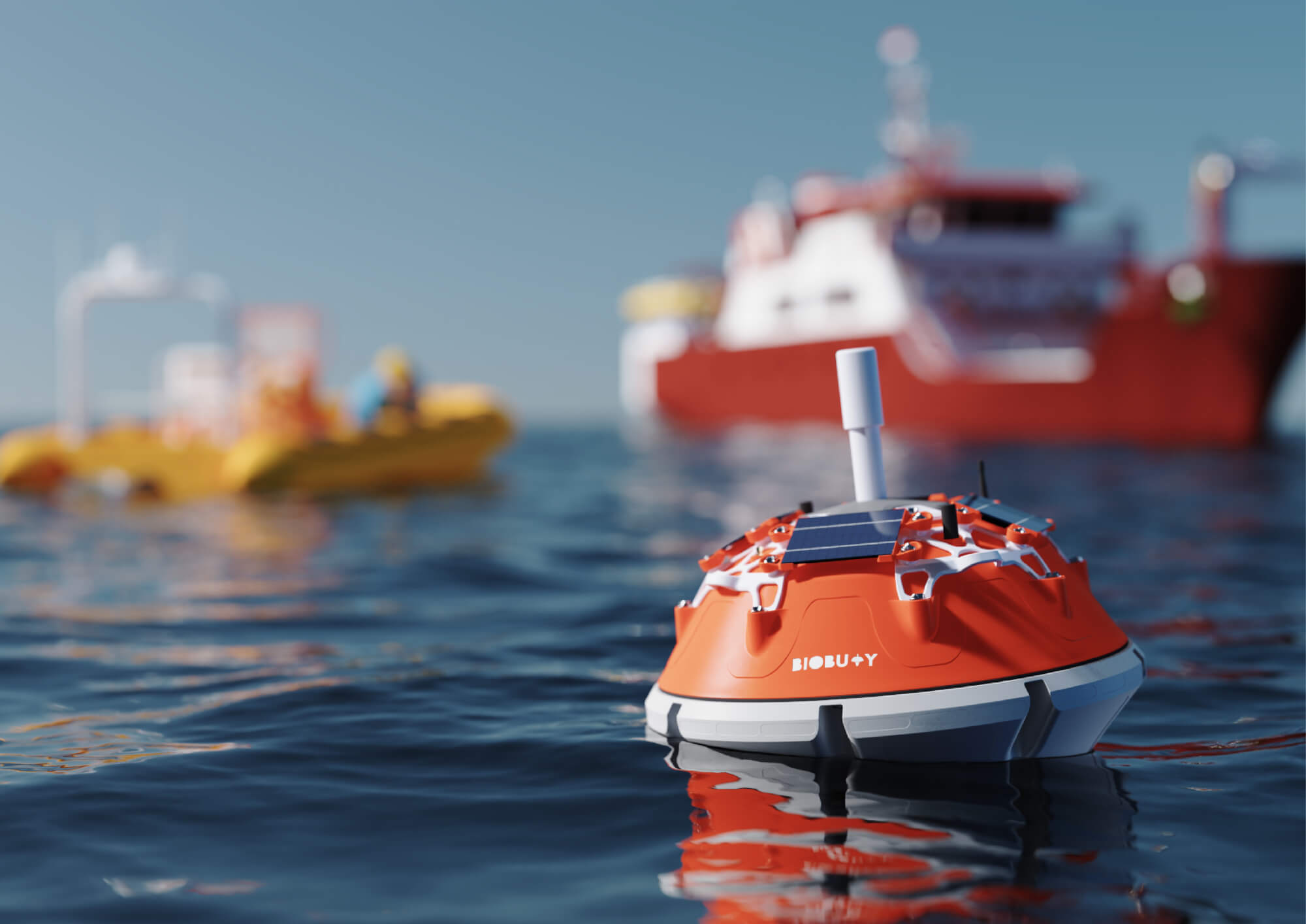
BIOBUOY is a drifting buoy that collects ocean data without creating long-term pollution. Unlike most buoys left at sea, it is designed for recovery. Its biodegradable PHA shell breaks down to release an artificial habitat, revealing a rudder that steers it back for recovery, supporting reuse and reducing environmental impact.

view website

2.jpg
3.jpg
4.jpg
5.jpg
6.jpg
7.jpg
8.jpg
  • CHALLENGE
  • SOLUTION
  • IMPACT
  • MORE
  • Drifting buoys are essential for ocean monitoring but are designed to be expendable, contributing to long-term marine pollution through microplastics, electronic waste and the spread of invasive species. Recovery is often impractical due to cost, scale and unpredictable ocean conditions, resulting in a continuous cycle of buoys to be deployed and left to degrade over decades. This project responds to the challenge of rethinking buoy design beyond function alone and addressing sustainability without compromising reliability. Key constraints included designing for durability, recovery/repair and working within realistic manufacturing and material limitations for feasibility while enabling biodegradability, modularity and circularity.

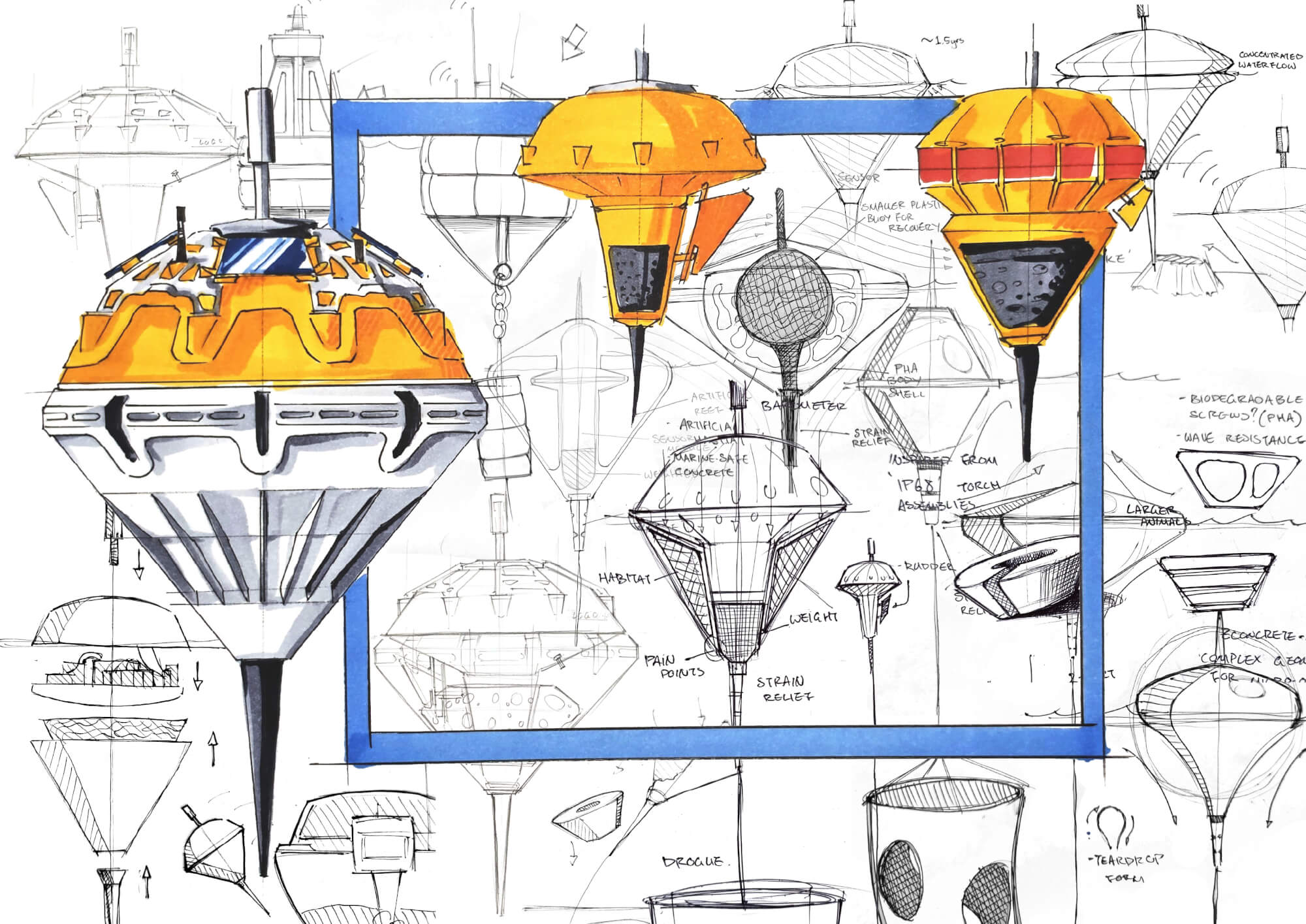
  • BIOBUOY was developed through a research-led, iterative process combining testing, analysis and systems thinking. Research into existing solutions and precedents helped discover pain-points, ensured feasibility, and defined key technologies such as sensors, power and communication. A custom-built wave tank was used to evaluate biomimetic forms and weight, identifying a red-mangrove-propagule-inspired geometry as the most stable and predictable, which informed the final design. The final PHA outer shell is designed to be FDM 3D printed in PHA, allowing for variable wall thicknesses to enable controlled degradation, supporting planned obsolescence as a strategy for recovery and reducing long-term environmental impact.

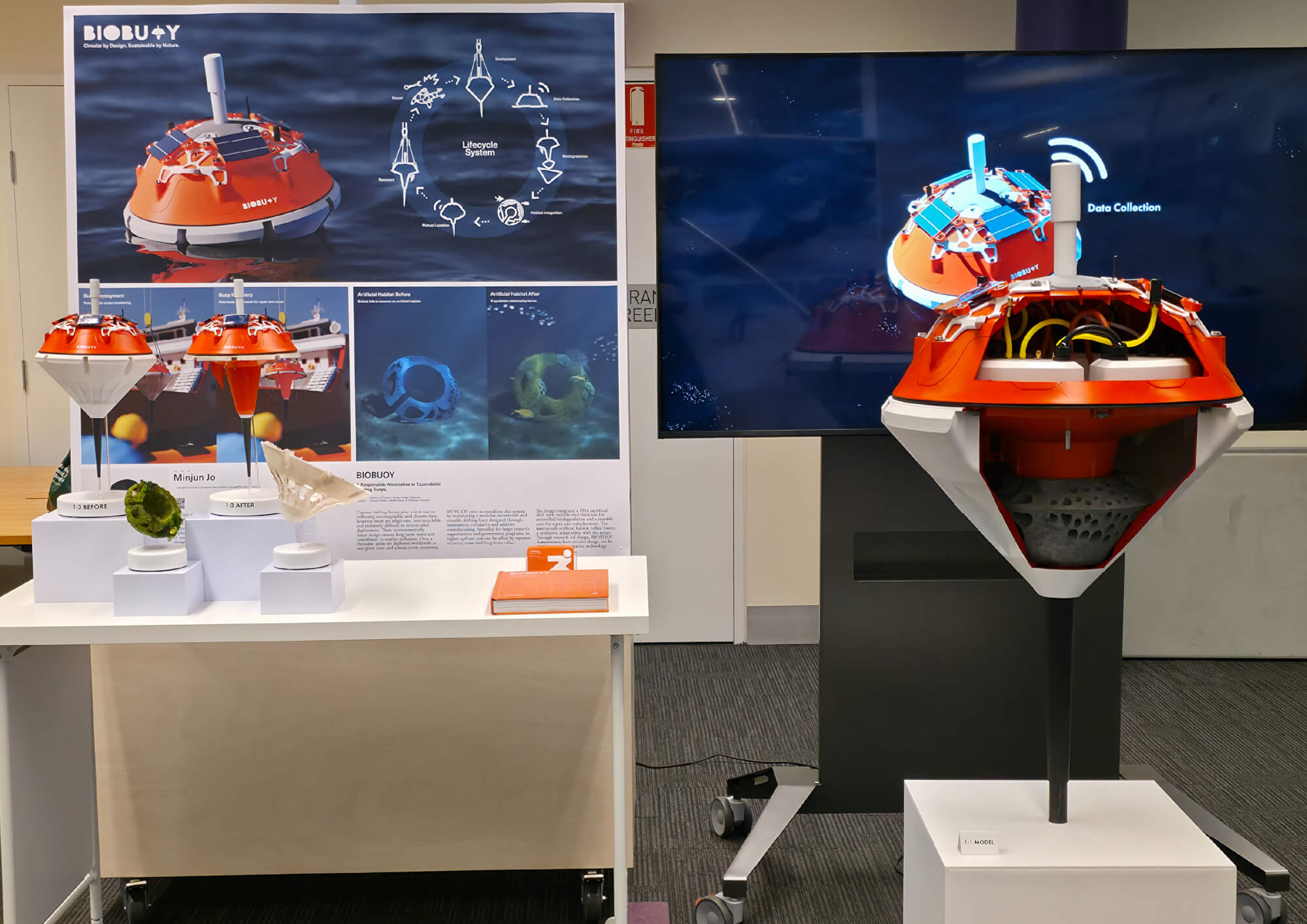
  • BIOBUOY redefines the lifecycle of ocean monitoring devices by shifting from expendable products to circular systems. Environmentally, it reduces long-term pollution through biodegradable materials and controlled degradation, while biomimetic design enables it to coexist with marine ecosystems. Designed to release an artificial habitat during its recovery, it supports a symbiotic relationship with the environment rather than the parasitic impact of current buoys. Commercially, its modular design allows reuse, repair and reduced replacement costs. Societally, it addresses the irony of ocean monitoring systems that aim to protect marine environments while contributing to their pollution, aligning data collection with environmental responsibility.

  • BIOBUOY integrates a range of key design features driven by testing, feasibility and environmental responsibility. A biomimetic form inspired by red-mangrove-propagules provides stable and predictable drift behaviour, validated through a custom-built wave tank used to iteratively test form, weight and performance. Additional biomimetic influences include barnacle-inspired rib structures for durability and jellyfish-like forms to reduce drag. At a systems level, the recovery strategy draws from the natural schooling behaviour, where buoys communicate and regroup using local data to enable coordinated collection. The outer shell is 3D printed in biodegradable PHA, enabling controlled degradation through variable wall thicknesses to support planned recovery. As the shell degrades, it releases an artificial habitat made from marine-safe concrete, which previously acted as a ballast, revealing a rudder that gradually steers the buoy toward recovery. Durable materials such as HDPE, ABS and EPDM protect internal components, allowing reuse, repair and redeployment. The modular architecture supports maintenance and reduces electronic waste while solar panels ensure continuous operation and enable manual recovery when needed.