The Link Between Design and Research

Research and good design intertwine in a number of symbiotic ways. On one hand, design research can be described as a systematic and investigative approach used to inform the design process. On the other, design thinking and methodology can be applied to research to generate more innovative and user-centred insights.

Both approaches promote and employ various research methods to uncover human experiences, identify problems, grasp opportunities and generate iterative solutions. Whether it’s in academia or industry, these techniques guide the considered development of meaningful outcomes and encourage innovation. 
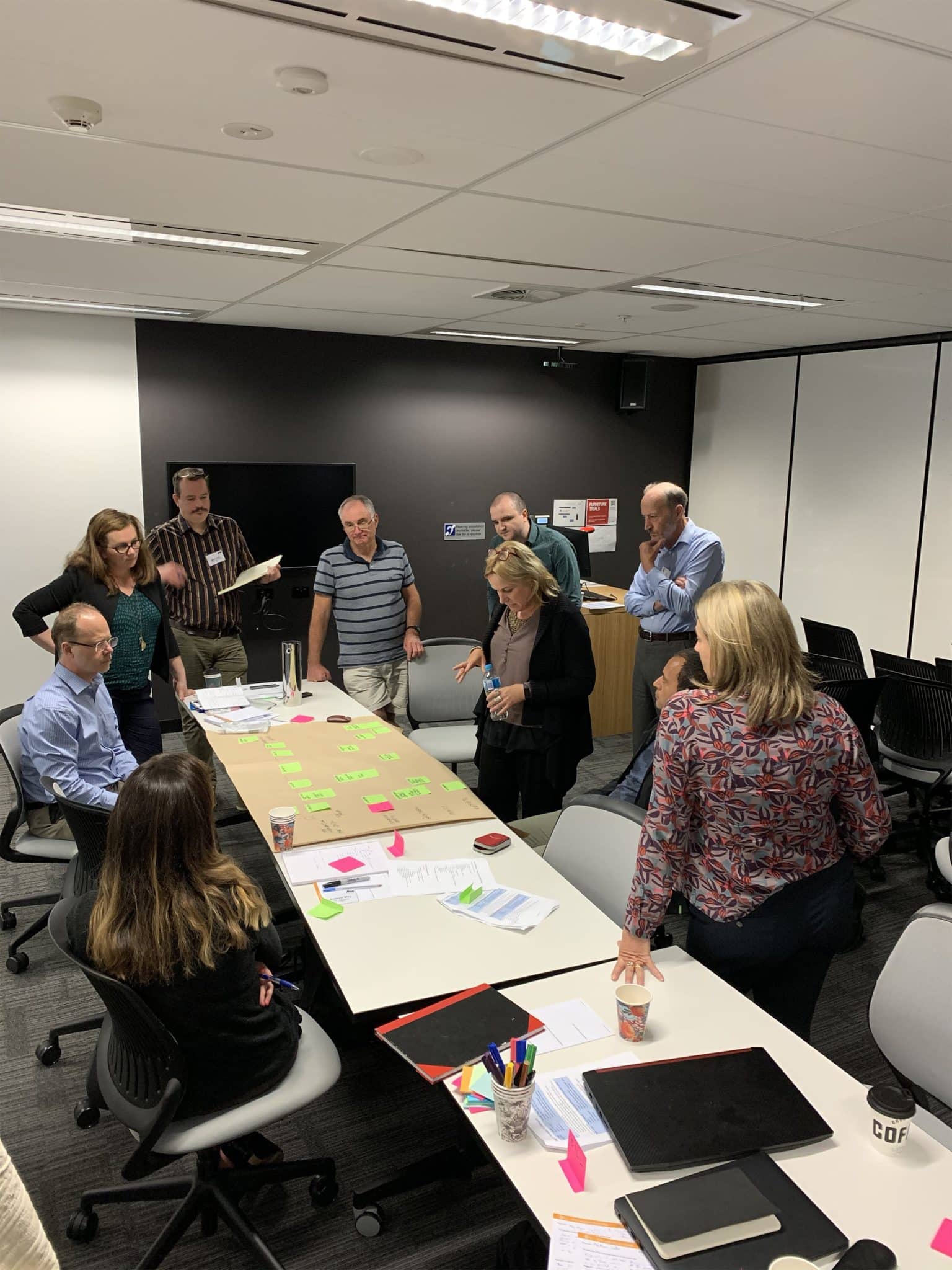
From tech-centred to user-focused: The Time Layered Cultural Map of Australia is a set of tools that work together for mapping Australian history and culture. Image: Australian Research Council University of Newcastle.


Research as a design discipline 

The Australian Good Design Awards define design research as scholarly investigations within the design process that aim to discover new knowledge or advance understanding for more user-informed designs. Through the implementation of qualitative and quantitative research methods, design researchers bridge the gap between user needs and design solutions, ensuring that products, services or experiences are effective, usable and meaningful.

Design research is applicable at any stage of the design process. It can inform the academic and theoretical groundwork of the early exploration phase, bolster the user-centricity of a concept’s development and empower efficacy testing and prototyping in the later evaluation iteration stages. 

The crucial aspects of design research include:

  • Understanding people, communities and environments

Design research explores the needs, goals, motivations and behaviours of target users and stakeholders, all while uncovering a design’s possible impacts on its environment – natural or otherwise. Through research methods involving interviews, observations, co-creation and usability testing, design researchers are able to develop empathy on a zoomed-out level that incorporates all possible design interactions.

  • Identifying holistic design opportunities

By putting the comprehensive findings, results and data of the initial research phase into play, design research can begin to identify opportunities for innovation. This might come in the form of unmet needs, pain points or inefficiencies.

  • Guiding design decisions

Research findings are used to fuel and orient design decisions. Insights can guide design priorities, trade-offs and solutions that align with real-world experiences and realities. Collected data can further validate design direction or steer problem-solving down other pathways.

  • Evaluating and uplifting designs

Existing designs and prototypes can similarly benefit from findings arising from research. Design researchers explore the experiences of end users to evaluate a design’s suitability and feed user insights back into the design process to refine and iterate a solution.


Design thinking in research 

Design principles are being increasingly applied to research methodologies to guide new pathways of discovery, gain multi-disciplinary perspectives and unearth fresh research approaches. An end design or outcome doesn’t have to fuel the process, with opportunities for action possibly appearing throughout the research journey. 

In academic research and in the exploration of health, community and other social problems, design methodology in research is especially powerful as the individual is commonly at the centre of it all. 

Research embedded with design thinking frequently implements:

  • Empathetic, community-focused and collaborative approaches

Modern design frameworks value the multi-modal needs, motivations and perspectives of end-users, communities and environments. By applying this big-picture thinking to research, researchers outside of the design space can connect with valuable insights that could expand their scope of exploration. Collaboration with researchers from different backgrounds can similarly unearth nuanced perspectives for further consideration.

  • Problem reframing

Researchers employ design thinking to reframe research questions and problem statements to widen avenues of exploration. This enables different angles, hidden insights and overlooked opportunities to be exposed. 

  • Prototyping and testing

Prototyping and idea testing is vital to design processes. In research, this can be applied to experimental avenues, as well as in the creation of research materials to gain feedback, refine research methods and stay in-line with research objectives.

  • Humanising data analysis

Data collection is commonly an integral part of the research process, informing and validating research directions and outcomes. By implementing design thinking’s emphasis on the human element to data, researchers are able to evaluate findings with respect to lived experience. This fortifies more enriched analyses that look beyond the numbers, identify valuable nuances and secure relevant insights. 


The multifaceted power of design

The research lens exposes design’s incredible potential to guide the development of meaningful ideas, products, services and insights. When applied throughout the design process or within more general avenues of research, an idiosyncratic focus on the individual, their community and environment eventuates, as does an emphasis on iteration, refinement and innovation.

The result? Creative solutions and findings that look outside the box to uplift society, industry or further exploration.
Beyond Aesthetics – Design for Social Impact

Design innately ushers in change. In fact, it’s acknowledged in the fundamental principles of design, where a project is to solve a problem, challenge the status quo and benefit all that engage with it. This emboldens opportunities to make a meaningful impact – for designers to look beyond classic indicators of design success such as aesthetics and commercial triumph to empower marginalised voices and energise systemic change.

Apart from the immediate indicators of a good design – does it work as planned? – design success in the social sphere is largely based on ongoing feedback from the end user. This begins from the community engagement stage of design and continues with insights from users throughout the ideation, prototyping, testing and implementation stages. It doesn’t end there – true success can only be captured by observing, measuring and validating its positive impact alongside all stakeholders over time. Mistakes and iterations are all part of the process.

Technically, all designs will impact society, but a greater self-awareness and eagerness to trace their ramifications in recent decades has emboldened a new lens for real-world systems, products, services and projects to be looked through. A fresh field of design has evolved, as have more user-centric and universal design methodologies that address social, environmental and humanitarian issues in society.

Whether it’s a project specifically designed to create meaningful change, or a design that considers its ongoing social impact, socially conscious design looks like it’s here to stay. Read on to explore the key elements of designing for social impact and discover some Australian Good Design Award winners embodying a purposeful future vision.

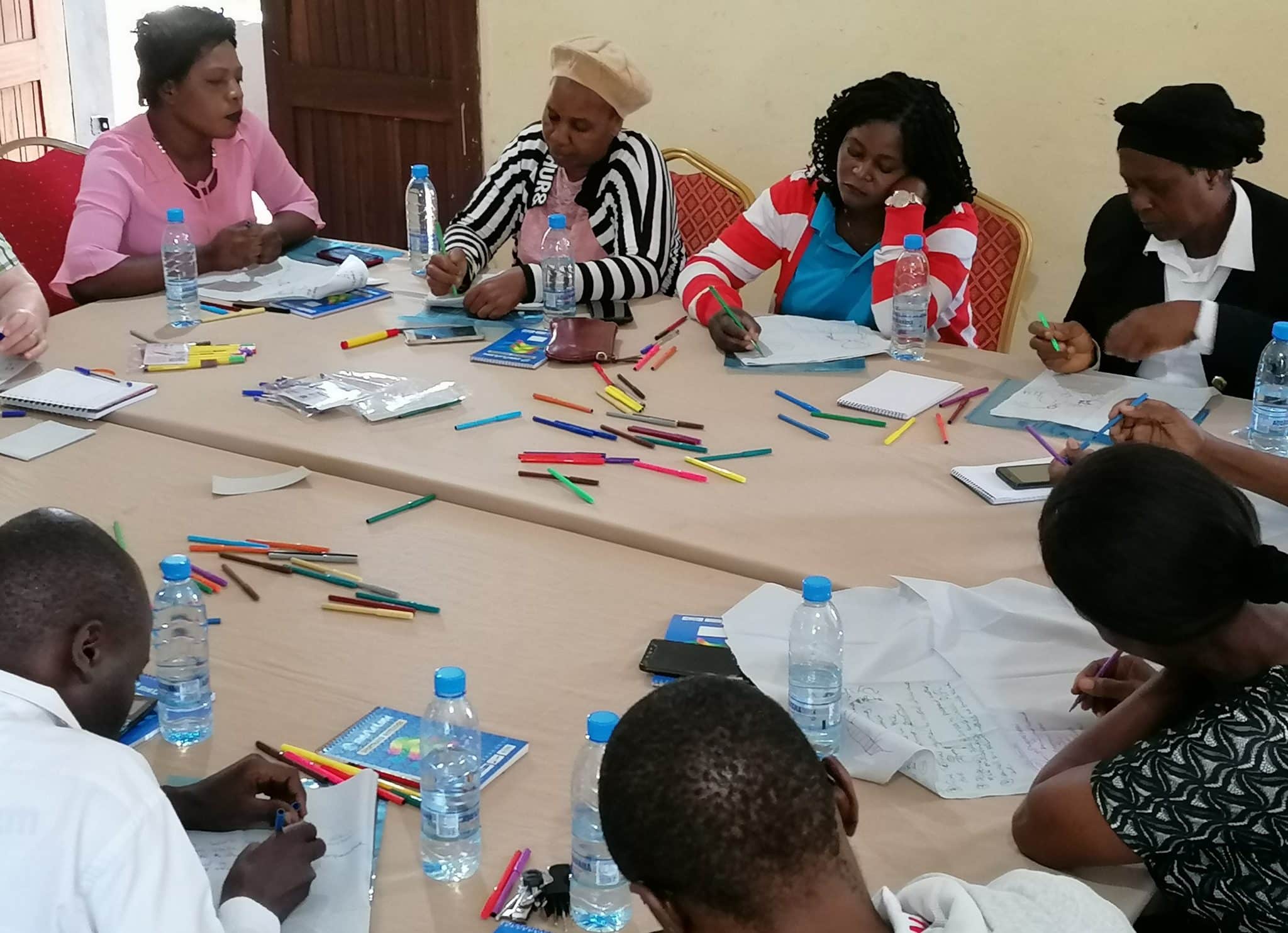
Life-Saving Lullabies – 2020 Good Design Award Best in Class Winner – has defined, developed and delivered a zero-cost service intervention that is responsive to the current and future maternal child health needs in Lusaka, Zambia. Image: St John Zambia.

Key elements of socially impactful designs and processes

Designing for social impact, both to solve societal problems and to better understand the ramifications of a project, is centred around those who engage with the end product. This means it draws on user-centric design principles to listen, learn, understand and innovate beyond commerciality.

NESTA’s Geoff Mulgan summed it up well in a 2014 piece describing the intersection of design and social impact: “We’re at a fascinating moment when design needs to learn as well as teach if its full potential is to be realised”. This involves:

  • Human-centred approaches

    To holistically identify the true needs of a community, group or a society, designers need to place the aspirations of them all at the centre of the design process. This involves implementing collaborative and participatory design principles, conducting thorough research, engaging directly with target audiences and learning of their experiences and behaviours. Through empathy and an understanding of diverse perspectives, designers can create relevant solutions, enhance lives and also foster a sense of ownership and empowerment within the communities they are designing for.
  • Sustainable and ethical design

    Socially impactful designs zoom out from the individual level to consider a design solution’s interactions with the environment and its ethical considerations. For our planet, this might look like the integration of sustainable and circular design principles such as eco-friendly materials, minimal waste and energy efficiency. Ethically, it may involve designing with integrity, respecting cultural diversity, avoiding exploiting labour and challenging social inequalities.
  • Systems thinking

    Socially conscious designers recognise the role that economic, environmental, political and cultural systems play in exacerbating social issues. The adoption of a systems thinking approach therefore allows designers to identify the root causes of a problem within various social structures and pinpoint opportunities for intervention or innovation. This involves the analysis of any relationships, dependencies and feedback loops within a system.
  • Innovation and creativity

    Social impact design is all about tackling complex problems. While this may sometimes require complex solutions, the answer could also be rather novel, meaning conscious designers always need to think outside the box and explore all possibilities to bring about positive change.
  • Measurable impact and evaluation

    As aforementioned, success in the social sphere of design is focused on user outcomes and measurable results. To measure clearly, accurately and in-line with the visions of their target audiences, designers set informed goals and indicators to assess the effectiveness of their innovations. Communities are engaged, feedback is sought and data is collected to be evaluated with respect to these objectives and expose what works, what doesn’t and what needs to be refined.
  • Scalability, replicability and knowledge sharing

    An integral part of socially impactful design is the desire to stir meaningful change at both the project level and beyond. This requires designers to be willing to share their results to further accelerate whole-society difference and also aim to develop scalable, adaptable solutions for different contexts. Resource availability, cultural considerations and local infrastructure all come together in this zoom-out stage, with many designers even collaborating with policymakers, organisations and investors to secure ongoing positive impact.
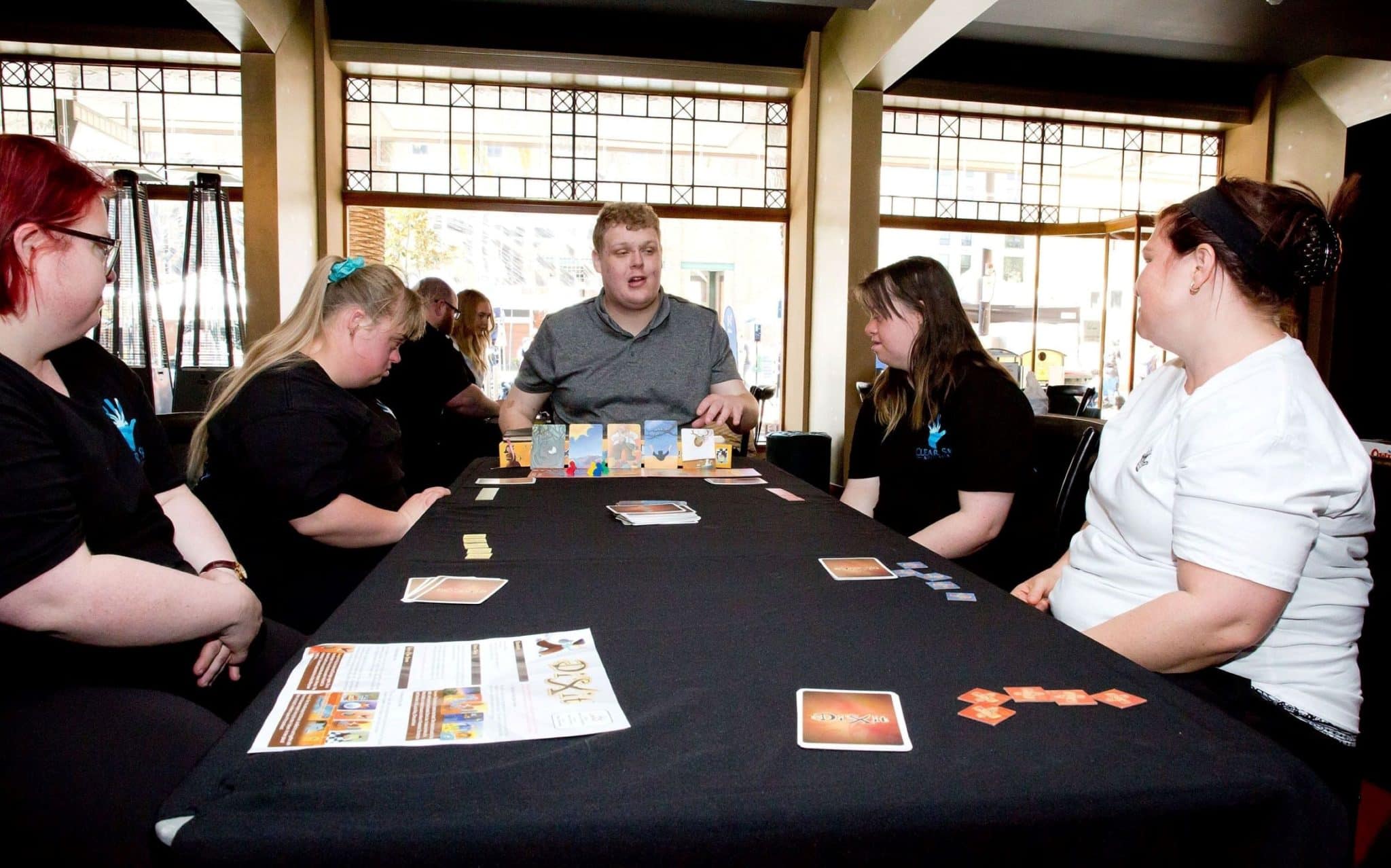
Start Up is a 2021 Good Design Award Gold Winner that creates meaningful employment opportunities for people with disability based on their skills and strengths. Image: Challenge Community Services.

Awarding conscious excellence

The Australian Good Design Awards have long championed the incredible role designers of all calibres play in the formation of a brighter, safer and more prosperous future for our greater society. Design impact is embedded in the judging criteria of all Award categories, with the Social Impact category specifically focusing on designed solutions that meet pressing unmet social needs, improve people’s lives, drive societal change and promote environmental sustainability.

The 60th anniversary of the Australian Good Design Awards was in 2018 and centred around design for social impact.

“Designers and architects are optimists”, said Dr. Brandon Gien, CEO of Good Design Australia, in an interview with the Australian Financial Review that year. “We look at design as a way of creating a better future.

“We’re living in a volatile, topsy-turvy world. If we are going to provide a better future for our planet, it requires imagination. Design is one of the ways we can make it happen.”

Now into the Awards 65th season, social impact is still top of mind. Discover a few decorated Award winners from the 2022 Australian Good Design Awards below:

  • One Stop One Story Hub

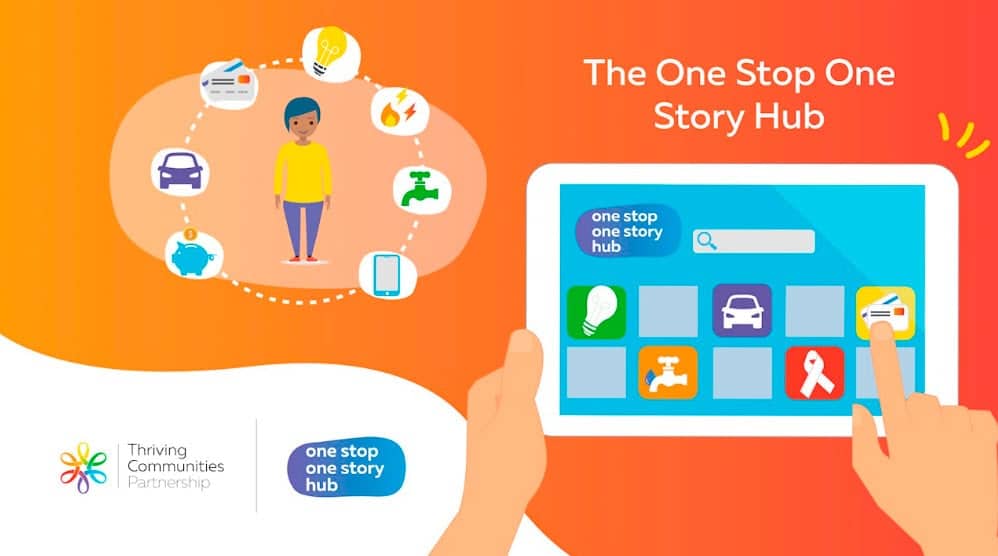
Thriving Communities Partnership brought together over 30+ corporate, government and community organisations, alongside people with lived experience, to co-design the 2022 Good Design Award Gold Winner – One Stop One Story Hub (OSOS). The OSOS is a world-first digital triage service providing people impacted by family violence, and their advocates, a single point to access support services in a secure way. It challenged a lack of awareness of available support, a general mistrust of organisations and the complexity of modern service navigation.

Learn more

  • Map Your Future

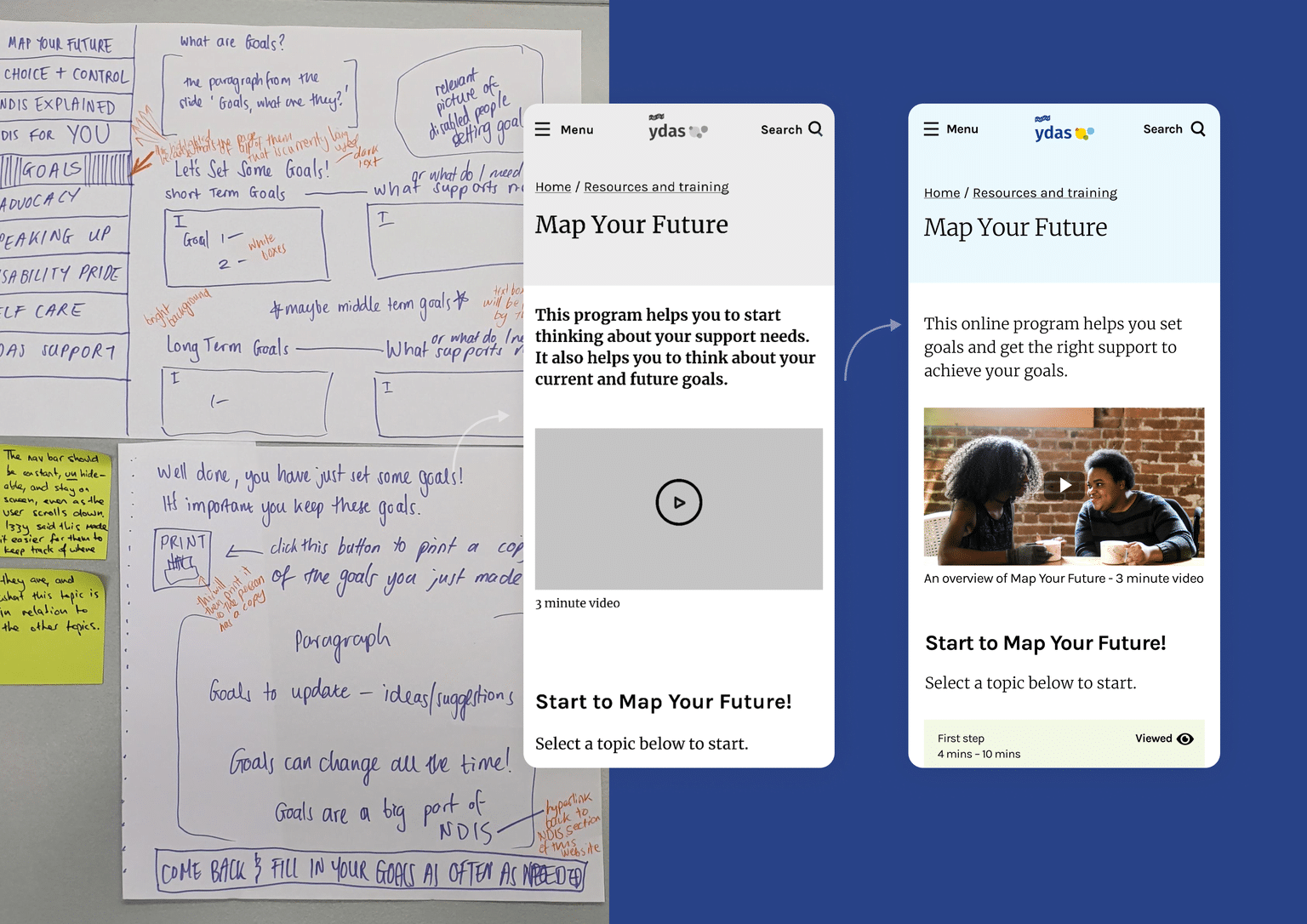
Budding from a series of in-school workshops, Map Your Future is a free, co-designed online program that enables young disabled people to set goals and get the right support to achieve them. It promotes strength-based questioning and thinking – “What would I like to do?” as opposed to, “What can’t I do?” – and leads with a theme of disability pride. The 2022 Good Design Award Winner brings community informed guidance to young people at home and fosters strong, independent futures.

Learn more

  • Lyf Support

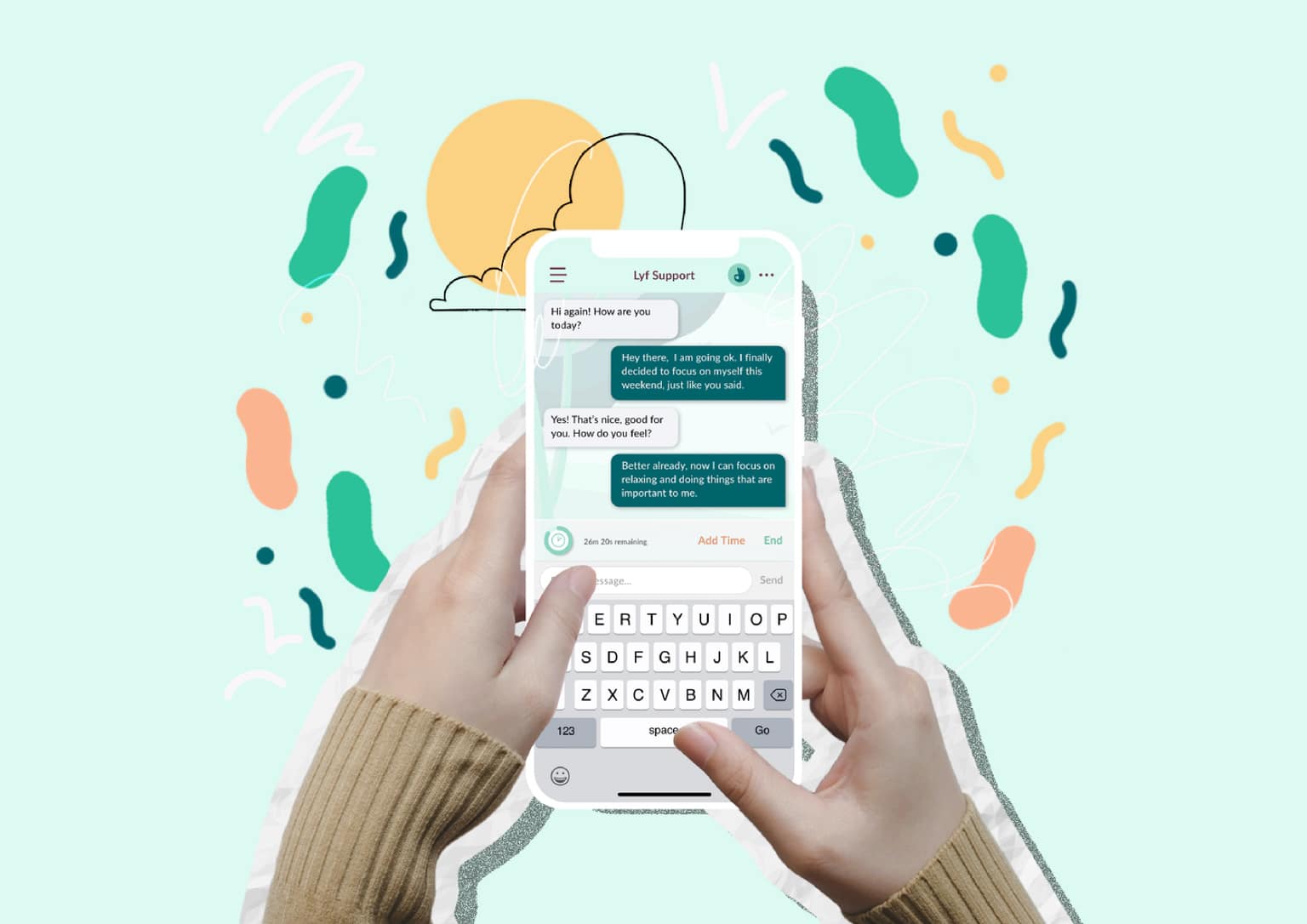
2022 Good Design Award Winner – Lyf Support – is a text-based chat service that instantly connects vulnerable individuals in crisis with mental health experts. It challenges current pitfalls in Australia’s mental health support system that’s affordable and accessible for everyone. From anywhere at any time, a professional is ready and waiting. Lyf Support offers immediate help – no drawn out questionnaires, referrals, matchmaking or waiting on hold. At the touch of a button, Lyf Support is there.

Learn more


Explore the Good Design Index for more stellar examples of good design

As the 2023 Jurors come together to evaluate, crown and celebrate the brightest designs of this year’s hallmark Award season, why not turn back the clock and discover some innovations of the past? Search by category or have a blind deep dive – find inspiration either way.

DIVE INTO THE GOOD DESIGN INDEX HERE