Future Friendly – 2023 Good Design Team of the Year

THIS ACCOLADE CELEBRATES A DESIGN TEAM WHO CONSISTENTLY PERFORMS AT THE HIGHEST LEVEL IN THE ANNUAL AUSTRALIAN GOOD DESIGN AWARDS AND HAS ESTABLISHED A TANGIBLE DESIGN-LED CULTURE WITHIN THEIR ORGANISATION. THE AWARD AIMS TO INSPIRE COMPANIES TO BUILD AND MAINTAIN A DESIGN-LED CULTURE THROUGHOUT THE WORKPLACE.

Future Friendly believes that the products and services we engage with every day directly affect the wellbeing of ourselves and our environments. This means that our society and world’s greatest challenges and joys – climate change, financial wellbeing, mental health, diversity,  inclusion, education – can be faced, challenged or emboldened to change lives for the better.

It’s why, for almost two decades, Future Friendly’s Founders Nick Gower and Jon Christensen – alongside their team – have been fuelling constructive impact by the way of design. They innovate everyday services that lead positive change at scale, combining strategy, conscious design and hands-on product and service development to make it happen. 

Future Friendly’s human-centred innovation has earned 27 Good Design Awards as they’ve broken new ground with the likes of the Commonwealth Bank, Defence Health, Service NSW and the ABC. Their decorated approach has empowered organisations Australia-wide to make their good intentions real.

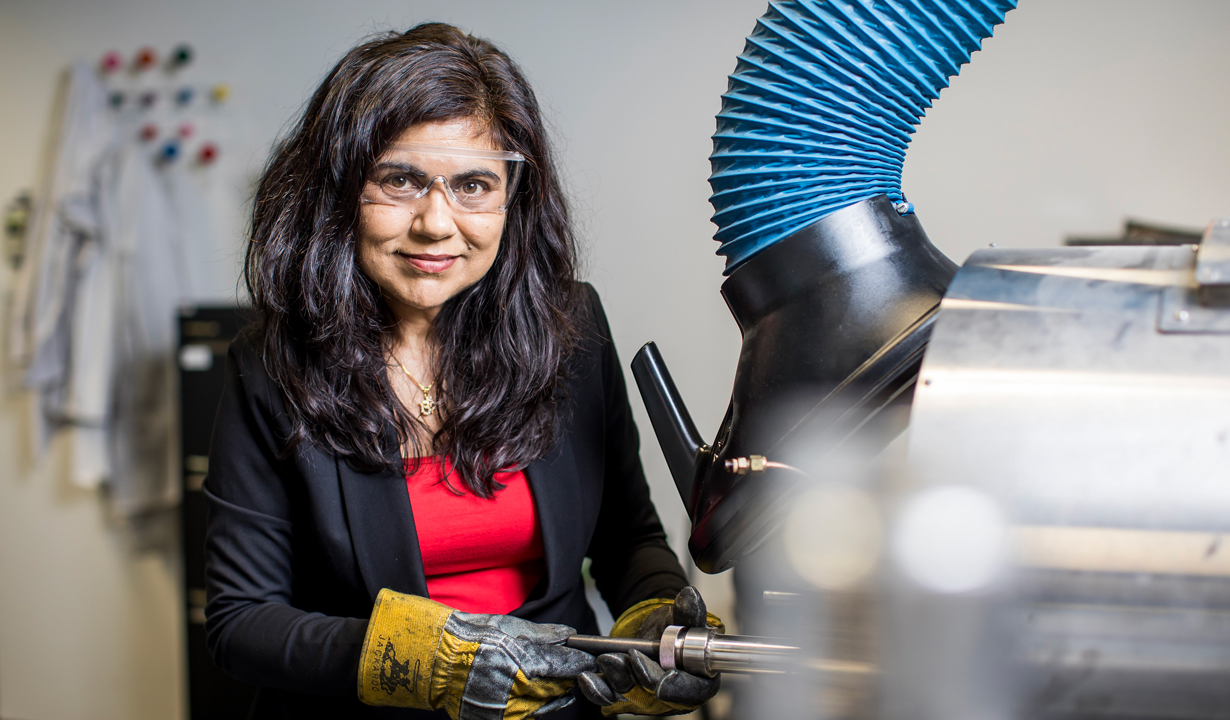
Future Friendly’s penchant for positive impact was celebrated this year with the 2023 Good Design Team of Year Award. It not only recognises the team’s incredible work, but also their internal commitment to nurturing a design-led, people-first culture. Good Design Australia caught up with Nick Gower and Jon Christensen to reflect on the team’s inspiring journey, discuss their recent acquisition by Ernst & Young (EY) and explore the potential of design to lead true impact. 


Future Friendly – 2023 Good Design Team of the Year Award

Good Design Australia: Fresh off the heels of a milestone acquisition by EY, please tell us a bit about the Future Friendly philosophy and what it means to slide alongside such a massive team.

Nick Gower: We’ve been doing Future Friendly for 19 years, or since 2004, and our design philosophy involves delivering impact through what we call everyday services. They’re the things like bank accounts, passports, doctor’s appointments, benefits programmes – things that people don’t necessarily think of as being exciting, but shape the world around us. They affect how our communities can access everything from leisure to medical services, how they connect as people and just have such an enormous effect, even though they’re sort of in the background.

This means, to make the biggest impact, we need to deal with companies, organisations and governments that have scale. So, we started looking for a partner who could support us with the delivery of the scale services, both from a technology perspective and from a compliance and regulation perspective. Then we met EY, and they fit the bill. They’re really excited to go on that journey to support a design studio and approach that focuses on large transformation projects in government and in private businesses with humans at the centre. So we took the opportunity to push ourselves to increase the scale of our impact.

GDA: As it’s clearly embodied in the Future Friendly vision, how would you describe design’s potential to bring about positive impact?

NG: I think, to me, the word design or to be a designer means to always combine two things. It means you’re always leading and you’re always making. If you’re balancing those two things, you’re leading the process of making, whether that’s a building or website or anything else, you you have a responsibility and an opportunity to affect the lives of the people that engage with it. 

That’s the opportunity that we’ve led into. We’ve really taken on the responsibility of understanding the impact of the stuff that we make, and in that found opportunities to help people. So I think design is the process of making an impact.

GDA: How important is human-centred design in these socially-conscious design processes?

NG: We focus on a really hands-on research and design approach that engages communities. The communities that use these services are the ones that should be leading the creation of those services, and their needs and voices should be brought into that process. To me, that includes both including them, but also delivering for them. It means doing more than just talking and listening. It means making and allowing them to participate through the creation process. 

I feel like for there to be progress for groups of people, you need a mix of both empathy and entrepreneurialism – understanding and action. Empathy without action is just focus groups and talking, listening and endless consultation without necessarily solving or helping bring to life the true solutions. On the contrary, entrepreneurialism by itself is just unbridled consumerism, and we know where that takes you.

Jon Christensen: That approach extends to the whole team – being able to be in front of and understand how and what people need from things so they can solve it together. This way, there’s no chain of command and you can create a safe space for the design team, government departments, clients and the community. It helps everyone understand what they need and what needs to sort of change to get them what they need – what will benefit them the most.

Future Friendly – 2023 Good Design Team of the Year Award

GDA: Looking to the Good Design Team of the Year Award, it celebrates teams that cultivate that design culture of creativity, leadership and engagement. How do you encourage that within the Future Friendly workplace?

NG: Through participation, honestly. We want to get out of the way of inspiring designers – those who see design as a vocation, a life’s calling – so we can create space for them to feel secure to try and fail. We want to allow them to build a cadence that offers enough structure to be able to do the messy thing that is design. We want to be there to support them when they fall over and encourage them to give things another try. Creating a really emotionally secure place to engage with the problem is all you really need to do.

GDA: It sounds like these principles have been very innate to the Future Friendly since the very beginning. What does it mean to be celebrated for it with the Good Design Team of the Year Award?

NG: I think to be recognised as a design team is something that we’re really excited about. We don’t believe that that design can be done by an individual. Design is a team sport, and our entire business is set up around creating design teams, full-time teams of people that work on one problem at a time until it’s solved. We believe that’s the secret to the way we work because it creates this really great relationship and this unbelievable focus in a really safe environment of collaboration. Winning this award really goes to the heart of who we are, and I’m super proud to be able to say that we built the best design team this year.

JC: The Award is also a really powerful tool that shows, to the teams and organisations we work with, the positive outcome that has been created. A lot of people might focus on the process side of design or what it is that designers need to do, but the Award is the pinnacle proof that all the efforts and impact has been recognised. It shows the community value is being celebrated.

GDA: Looking outwards at the design space as a whole, what would Future Friendly describe as “good design”?

JC: A hard one! Good design is probably just as simple as something that actually impacts people in a positive way. Like, it doesn’t matter about the process or whatever, it’s just something that has an outcome. It’s not something that you do for yourself, it’s not your own process to go to or your own learning moment, it’s something that you’re doing to help other people

NG: We always consider design to be the process, but I guess good design is the outcome – the impactful products, services and things. Compared to other designers, we’re not really academics right? [Laughs] We’re just makers. We don’t spend much time talking and thinking about the definition of good design, because we’re just trying to do it. We’re just the people who solve problems.


VIEW ALL 2023 GOOD DESIGN AWARD WINNERS HERE

Solid Lines – 2023 Indigenous Design Award

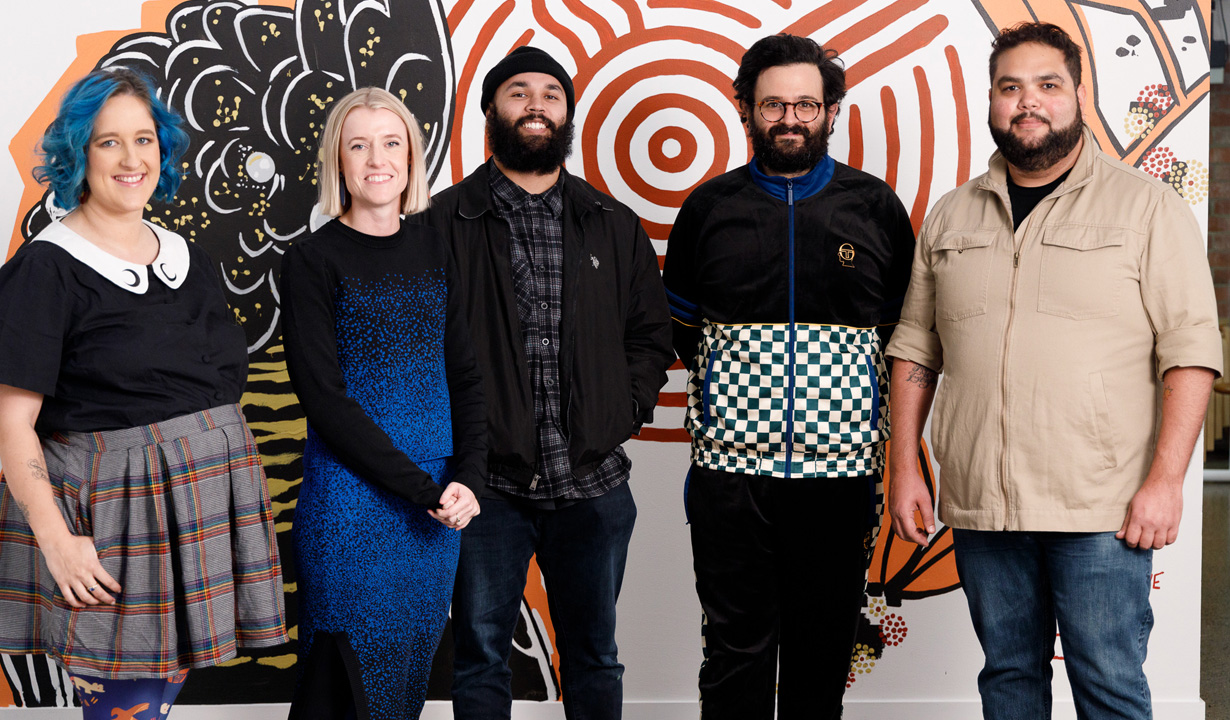
2023 Indigenous Design Award Winners – Solid Lines Design Team

PROUDLY PRESENTED BY RMIT UNIVERSITY, THE INDIGENOUS DESIGN AWARD RECOGNISES AND CELEBRATES THE IMPORTANT CONTRIBUTION THAT AUSTRALIA’S ABORIGINAL AND TORRES STRAIT ISLANDER DESIGNERS MAKE ACROSS THE SPECTRUM OF AUSTRALIAN DESIGN.

THE AWARD WELCOMES NOMINATIONS OF INDIGENOUS INDIVIDUALS AS WELL AS PROJECTS WHERE AT LEAST ONE MEMBER OF THE DESIGN TEAM IDENTIFIES AS ABORIGINAL OR TORRES STRAIT ISLANDER. RMIT AND INDIGENOUS COMMUNITY REPRESENTATIVES EVALUATE NOMINATED SUBMISSIONS AND SELECT THE OVERALL WINNER FOR THE AWARD BASED ON SPECIFIC EVALUATION CRITERIA.

Solid Lines is all about creating solid pathways for emerging First Nations artists to find success, recognition, support and fair representation within the art and design industries. As Australia’s first First Nations-led illustration agency, it’s reimagining the future commerciality of Indigenous and Torres Strait Islander creativity, contributing to policy development and setting new standards within Australia’s creative space along the way.

However, as head designers Emrhan Tjapanangka Sultan and Dr Nicola St John tell Good Design Australia, they aren’t pathways easily forged. The art and design industries are often ignorant of First Nations ways of working, and there are few existing platforms that represent First Nations creatives on their own terms, in culturally safe and supported ways.

Solid Lines agency therefore innovates at a much-needed crossroads of policy, opportunity and design, representing the first phase of a long journey that champions the protection of Indigenous Cultural and Intellectual Property (ICIP). It involves the curation of beneficial partnerships and culturally safe creative opportunities that respect and give back to community.

Good Design Australia sat down with Emrhan and Nicola ahead of the announcement of Solid Lines as the 2023 recipient of the Indigenous Design Award. 


Good Design Australia: Before we dive into where Solid Lines is now, let’s jump backwards a bit to define the challenge it faces head-on.

Dr Nicola St John: The idea and the concept of Solid Lines really came from conversations Emrhan and I had around the lack of representation and access for First Nations creatives in these more commercially oriented, design-based industries. There weren’t these safe and supportive pathways to support First Nations artists to gain access to such spaces. What do you reckon Em?

Emrhan Tjapanangka Sultan: The artists that we spoke to at the very beginning stages of the artist consultation process felt like they weren’t being represented culturally, specifically around intellectual property. We found that a lot of agencies owned the rights to a lot of the artworks that were being designed by these artists. So, we wanted to make sure that what we set up with Solid Lines supported artists to own their own works. 

GDA: To ensure artists always had something to hang their hat on?

NSJ: Yes. When you think of Western or Eurocentric licensing practices, artwork licences or brand copyright for example, it’s quite different to how First Nations artists and communities would like to do it. So Solid Lines was really built around developing a licensing policy that protected First Nations artists and their cultural heritage.

We worked with a First Nations lawyer to develop the ICIP. It helps protect First Nations artists when clients are licensing First Nations work or working with First Nations artists, and it ensures that clients aren’t inadvertently stealing First Nations art or knowledge or culture, or trying to copyright things that can’t be owned, in a commercial sense.
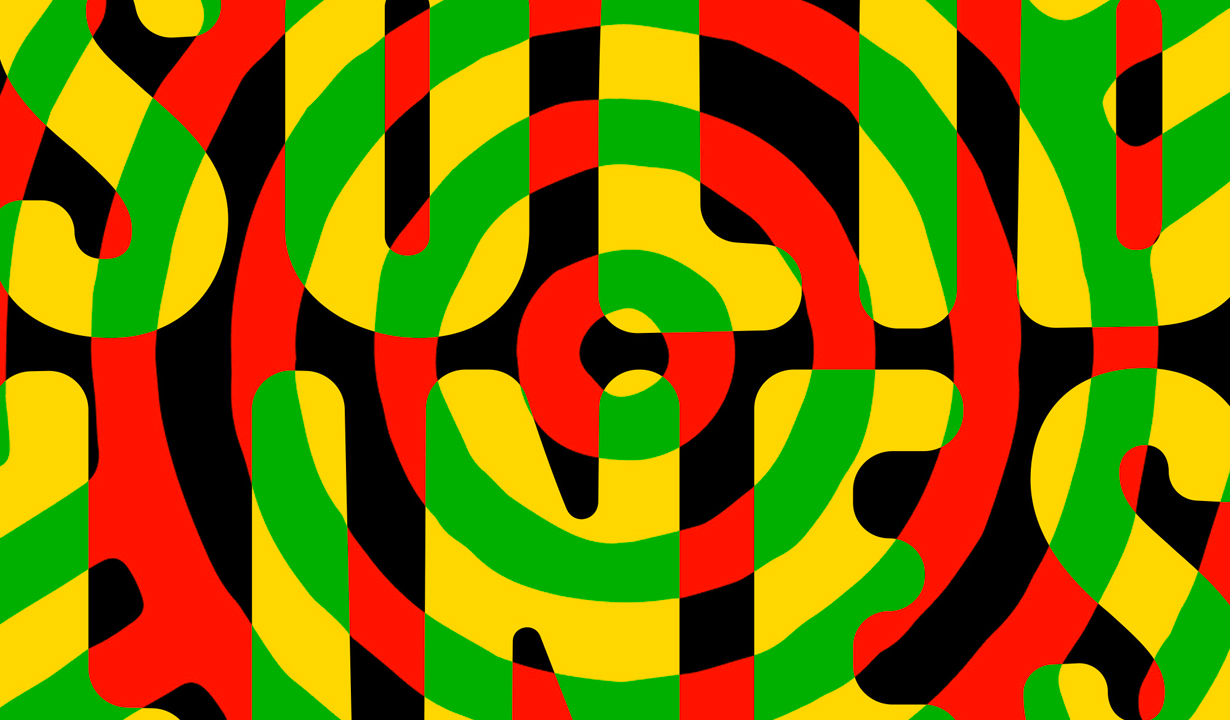
2023 Indigenous Design Award Winner – Solid Lines

GDA: Solid Lines is evolving through somewhat of a phase-by-phase journey. Where are we now, and where is it headed?

ETS: We’re in stage one at the moment – the nesting period. We just celebrated our first anniversary, actually, and are looking at going into phase two pretty soon which will continue to establish Solid Lines as a standalone First Nations-owned business.

GDA: The last phase sees Solid Lines become a First Nations owned, operated and controlled business, but giving back to community is another integral part of the business structure. How will this work?

NSJ: Giving back to community and having a community at the heart of everything that we do at Solid Lines was something that came out of our collaborative approach to developing the agency directly alongside artists. All the artists are really keen to invest back into community and provide access and representation for the next generation of artists coming through as well. 

So a percentage of all of the profits go back into our Community Development Fund. It’ll allow us to develop programmes that  reinvest back into communities where the artists are from, but also other communities around Australia  where First Nation creatives might not have access to digital design skills or design education or pathways into these commercial industries. So we’re really excited to be able to start that next phase of the business.

ETS: We also want the agency to be really transparent with the artists, which is why it was really important for us to have those conversations with the artists to find out from them what was fair. We’ve heard too many stories of artists feeling like they were being ripped off by agencies within the industry, so being really transparent around where the funds are going and how they’ve been spent is important.

GDA: There’s a phenomenal quote from artist Coree Thorpe on the Solid Lines website. It notes: “Aboriginal art is always evolving and we’re evolving as well. We don’t want to be pigeonholed as Aboriginal artists, but be acknowledged as contemporary artists in our own right”. Is this transformational shift something that Solid Lines is pining for?

ETS: Absolutely. I think when we’re looking at protecting our artistic culture, you see a lot of fake art coming in from overseas. A lot of people also, when they think about Aboriginal art, think of the traditional style dot paintings or the top end style artwork that’s become really popular. We really wanted to kind of encourage understanding that there’s more to the Aboriginal art space. We have Aboriginal artists in different graphic design industries, visual artists, muralists – we wanted to expand on that as well.

Something that I’m really passionate about as well is opening up pathways for, and working with, younger artists who may not have grown up deeply connected to their culture. They’re still on a journey and inventing themselves as artists. With a bi of guidance they’re able to learn a bit more about their culture and the types of art styles that belong to their people.

NSJ: Solid Lines is really trying to change the face of Australia’s design industry. And for me, I think design is a powerful way to represent national identity and stories as an industry. So Solid Lines is kind of really shifting that narrative. It’s shifting the story of what Australian design is, what it represents, what its values are. Also, I guess, what it can look like. It’s all about creating a much more diverse and representative agency of what Australian design actually is that draws on all that rich heritage and knowledge of our first peoples.
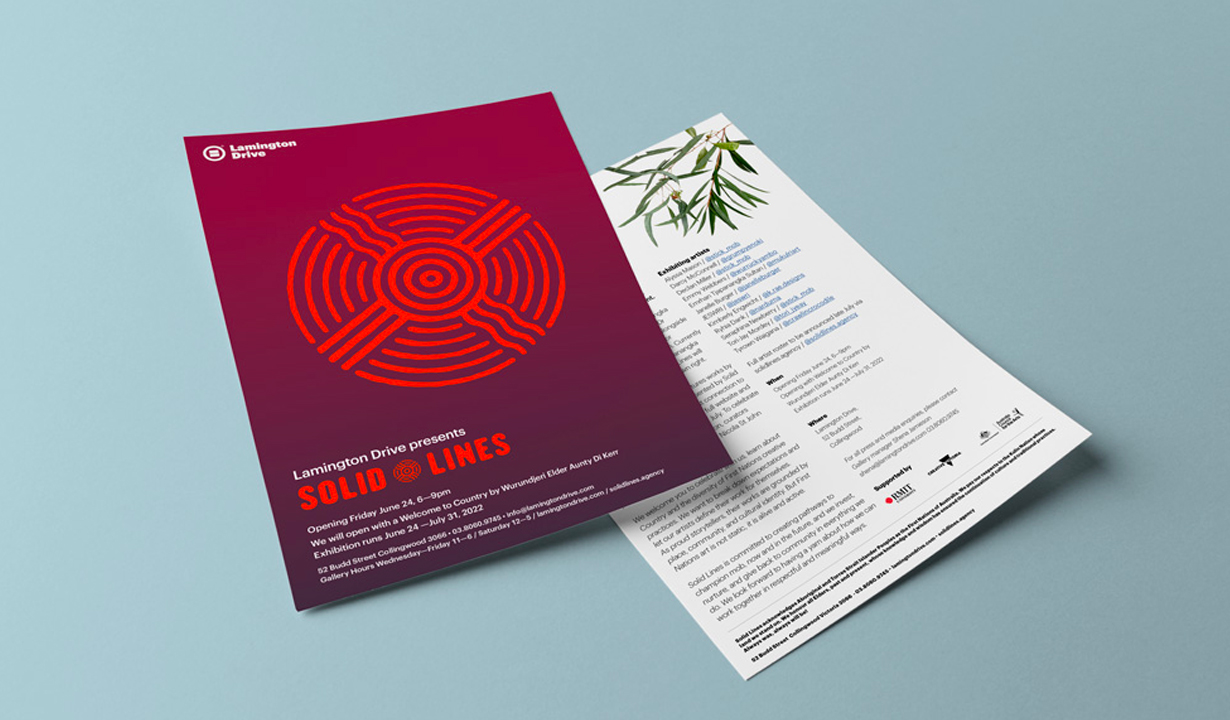
2023 Indigenous Design Award Winner – Solid Lines

GDA: To get very meta, knowing that Good Design Australia defines “good design” as ideas, products, services, that show potential to lead a better, safer and more prosperous future for all, how would you both describe “good design” yourselves?

NSJ: That is a hard question. I think maybe “good design” is something that tells an important story and offers an accurate representation of culture, or enables one to express themselves and their cultural heritage. Good design supports culture.
ETS: And that extends to the world stage as well. Something that I would like to see in other countries is the blueprint of Solid Lines being established for other First Nations or Indigenous peoples so their cultures can be protected as well. For example, you see throughout the US and Canadian markets a lot of Native American style artworks being manipulated. So, I’d like to see good design and the Solid Lines blueprint supporting culture around the world.


VIEW ALL 2023 GOOD DESIGN AWARD WINNERS HERE