RCYCL – Fashion a Better Future

good-design-award_winner_rgb_blk_logo
  • 2025

  • Fashion

Designed By:

Commissioned By:

RCYCL Pty Ltd

Designed In:

Australia

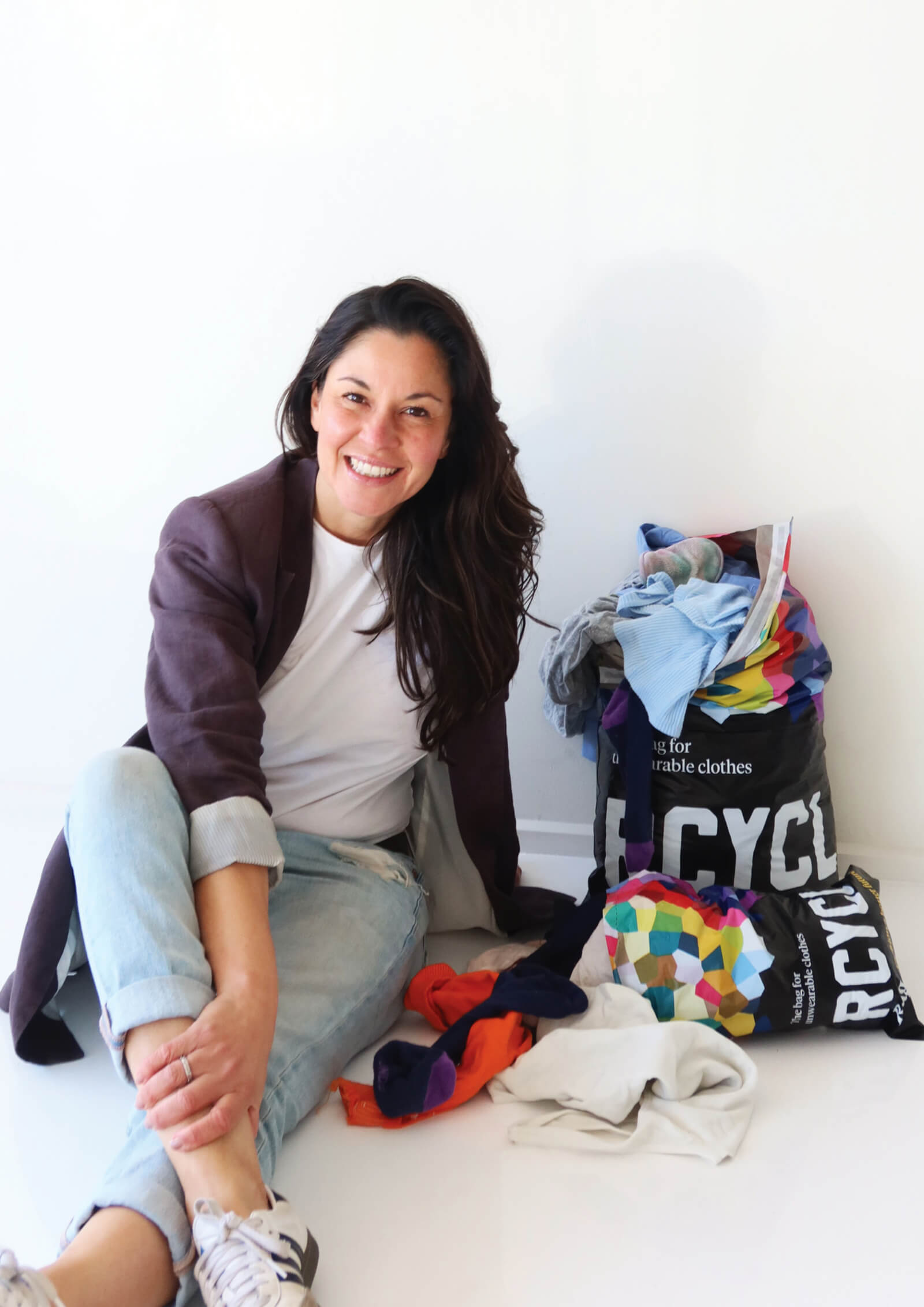
RCYCL is a service for recycling unwearable clothes. With a mission to make ‘recycling clothes as intuitive as buying new ones’ integrated in each customer transaction. Providing compostable satchels for consumers to mail back, a system designed to offer a convenient way to encourage a circular economy at the checkout


view website
Buy online

1.jpg
2.jpg
3.jpg
4.jpg
  • CHALLENGE
  • SOLUTION
  • IMPACT
  • MORE
  • The primary design challenge RCYCL addresses is the significant issue of textile waste in Australia, where a large volume of unwearable clothing ends up in landfill. This project responds to the need for a convenient and responsible solution for individuals to dispose of these items. The challenge lies in shifting consumer behavior towards a circular model by offering an easy, accessible service that encourages recycling over disposal, thereby reducing environmental impact.

  • RCYCL tackles the textile waste issue by offering a direct-to-consumer recycling solution. This innovative model leverages retail and delivery partnerships for easy consumer participation, aiming to create a circular fashion economy. By collecting unwearable clothes and partnering with recyclers who then process into new materials. Whilst prioritising practicality, the user-friendly "BUY. BAG. SORT. FILL. SCAN. SEND." process is key. RCYCL actively engages with the fashion industry through collaborations with retailers like THE ICONIC, in addition to receiving support from initiatives like eBay's Circular Fashion Fund. By acting as a conduit between consumers and recyclers, RCYCL simplifies a complex process

  • The design impact is a unique promotion of a circular economy. RCYCL offers consumers a responsible disposal method, influencing business performance for participating retailers in aligning with growing consumer demand for sustainable practices. Retailer investment in such a design-led solution will lead to increased customer loyalty and a larger market share as sustainability becomes a more significant factor in consumer purchasing decisions. Finally, RCYCL has the potential to be an exemplar for good design in fashion by demonstrating a practical and user-centric approach to a critical sustainability challenge. It can inspire positive change driving greater demand for responsible end-of-life solutions

  • Decades in the fashion industry has provided a nuanced understanding of consumer pain points. Often a lack of convenient and trustworthy options for clothing that is beyond resale or donation, leading to landfill as the default norm. RCYCL directly addresses this friction by offering a simple, mail-back solution, eliminating the need for time-consuming trips or uncertainty about the fate of their unwanted items. The commitment to environmental responsibility, stems from a long-standing awareness of the industry's environmental impact, moving beyond superficial greenwashing to offer a tangible, eco-conscious solution. Strategic collaborations with diverse stakeholders – retailers for accessibility, recyclers for material processing, and charities for maximizing garment lifespans – reflect a holistic, system-thinking approach honed through years of navigating complex industry relationships. This eliminates the pain point of fragmented or unclear recycling pathways for consumers. By providing a clear, user-friendly process, RCYCL demystifies textile recycling, making it accessible to a wider audience. This design-led approach, informed by deep industry insight into consumer needs and logistical realities, tackles a significant environmental challenge by removing key barriers to participation and fostering a more circular consumption model. The implied data-driven strategy underscores a professional commitment to measuring impact and ensuring a results-oriented and sustainable solution